Smith describes how high costs, tight margins raise the stakes for farm bill
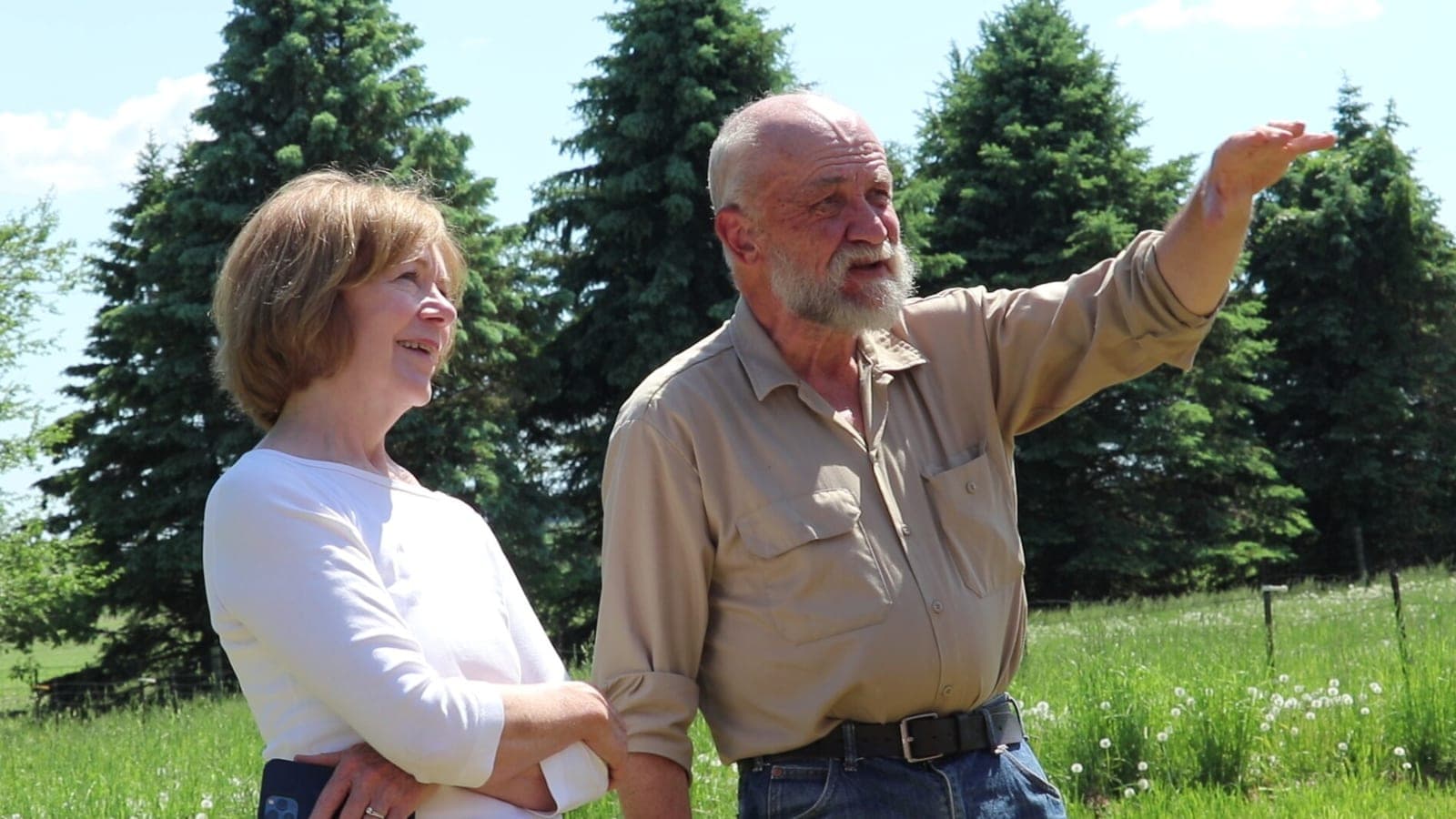
Smith discussed farm bill negotiations and the financial pressures facing Minnesota farmers during a rural economy tour.
SOURCE CHECK
TAP FOR WHYAgweek is a trade-press outlet with a bylined agriculture reporter and on-the-ground reporting. The article includes attributed interviews and specific figures, though the text provides limited information about the outlet’s broader standards or corrections practices.
- Source type — Agriculture-focused trade press; a credible niche-news prior.
- Author attribution — A named reporter is credited and provides a brief professional biography.
- Transparency — The article identifies the farm visit, participants and source of key remarks.
- Editorial standards — The text offers little direct evidence about corrections practices or formal editorial standards.
The article reports a recent farm visit, attributes policy statements to Smith and other senators, and gives specific cost figures. It offers useful local context, but relies heavily on Smith’s perspective and does not include a substantive opposing view or independent sourcing for the figures.
HOW WE SCORE ↗The article provides local farm context and reports statements from multiple senators, but Smith’s perspective dominates and no substantive counterargument or alternative assessment of the policy proposals is included.
- Source diversity — Smith and two other senators are quoted or paraphrased, but the policy discussion largely reflects Smith’s views.
- Counterarguments presented — No opposing view on the farm bill, bridge payments or rural-service proposals is presented.
- Opinion vs reporting — The piece is reported as news and attributes evaluations to its sources.
The report uses mostly neutral language and attributes policy views to Smith without endorsing or condemning them. Its focus on her concerns and farmers’ difficulties reflects the subject of the reporting more than a discernible partisan frame.
- Language tone — Mostly descriptive wording, with criticism and views presented as attributed quotations.
- Source selection — Smith is the main source; the article does not feature a competing policy perspective.
- Framing — The story frames the farm bill around farmers’ costs and uncertainty, without an evident partisan argument.
Sen. Tina Smith says completing a farm bill is a priority as Minnesota farmers face high input costs and tight margins. She also called for support for farmers and rural health services while Senate negotiations remain uncertain.
During a visit to a Minnesota farm as part of her rural economy tour, Smith said finishing a farm bill is a priority before she leaves office next year. She described farmers’ difficulties with operating loans and fertilizer costs, and said she was somewhat optimistic after a bipartisan committee meeting. The House has passed the Farm, Food, and National Security Act of 2026, while Senate Agriculture Committee Chair John Boozman said text would be released in June, followed by a markup.
Smith also raised concerns about rural hospital closures, Medicare cuts and ambulance-service funding. She argued that treating ambulance services as a life-saving necessity rather than transportation could help keep rural emergency services viable. Sen. John Hoeven indicated bridge payments for farmers could be included in a supplemental spending package; Smith said farmers had described such payments as helpful and potentially necessary.
Community verdict
15 VOTES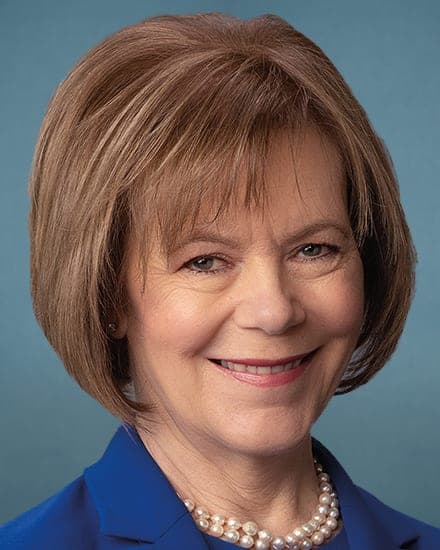
People in this story
SWIPE →Senator discussing farm bill priorities, farm costs and rural services
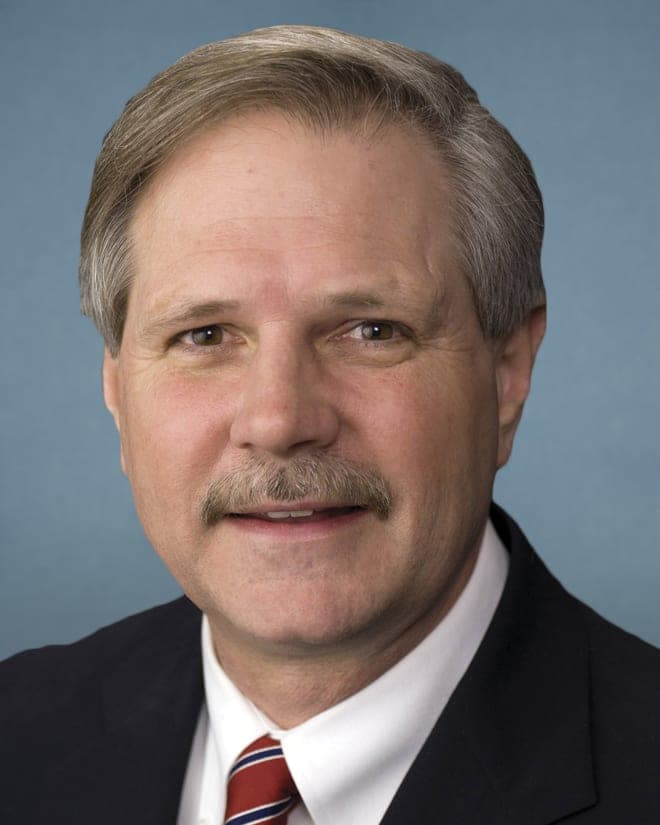
Senator indicating possible bridge payments for farmers
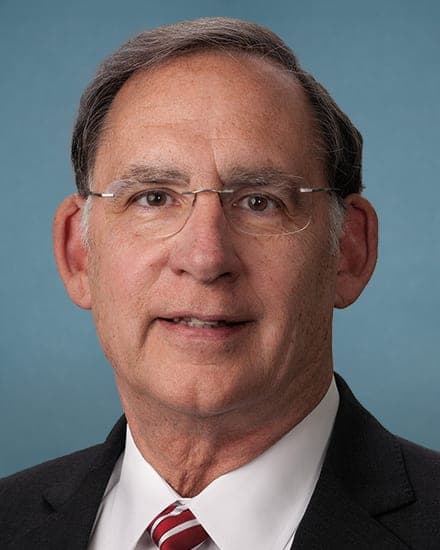
Senate Agriculture Committee chair discussing the timing of farm bill text and markup
Discussion · 0
Loading comments…