At the end of subtitle G of title X, add the following:SEC. 1094. BILATERAL RAPID RESPONSE PROTOCOL.
(a) Short Title.--This section may be cited as the “Nicholas Douglas Quets United States-Mexico Rapid Response for Victims of Crime Act”.
(b) Findings.--Congress finds the following:
(1) On October 18, 2024, while traveling from Arizona along the southern border in the Mexican state of Sonora near Puerto Penasco, Nicholas Quets was attacked and shot by armed criminals associated with the Sinaloa Cartel at an unauthorized cartel-controlled highway checkpoint, resulting in the tragic death of the 31-year-old American.
(2) The brutal murder of Nicholas Quets reflects the ongoing threat posed by transnational criminal organizations and cartel violence in the region.
(3) The violence perpetrated by drug cartels and other criminal organizations endangers innocent civilians, undermines the rule of law, and threatens the safety of United States citizens traveling abroad.
(4) Bilateral coordination in investigations like that of Nicholas Quets' death can often be delayed or incomplete, which may deny the administration of justice for victims and their families.
(5) Each year, millions of United States citizens travel to Mexico for tourism, work, and family purposes.
(6) In certain cases involving serious crimes, including homicide, kidnapping, and organized criminal violence, delays or gaps in coordination between authorities may hinder investigations and the delivery of justice for victims and their families.
(7) Enhanced bilateral coordination, communication, and investigative cooperation is essential to ensure effective responses to serious crimes involving United States citizens in Mexico.
(c) Statement of Policy.--It shall be the policy of the United States to collaborate in bilateral rapid response to ensure efficient communication and coordination between United States and Mexican authorities when responding to serious crimes involving United States citizens in Mexico.
(d) Definitions.--In this section:
(1) Appropriate congressional committees.--The term “appropriate congressional committees” means--
(A) the Committee on Foreign Relations of the Senate;
(B) the Committee on the Judiciary of the Senate;
(C) the Committee on Foreign Affairs of the House of Representatives; the
(D) the Committee on the Judiciary of the House of Representatives.
(2) Protocol.--The term “Protocol” means the bilateral rapid response protocol for serious crimes committed against United States citizens in Mexico that may be established pursuant to subsection (e).
(3) Serious crime.--The term “serious crime” has the meaning given such term in section 103(14) of the Juvenile Justice and Delinquency Prevention Act of 1974 (34 U.S.C. 11103(14))
(e) Establishment.--In order to carry out the policy described in subsection (c), the Secretary of State, in coordination with the Attorney General, may engage with the Government of Mexico to negotiate and establish a bilateral rapid response protocol for serious crimes committed against United States citizens in Mexico.
(f) Purpose.--The Protocol is intended to facilitate timely coordination between United States and Mexican authorities in responding to and investigating serious crimes committed against United States citizens in Mexico.
(g) Recommended Elements.--In negotiating the Protocol, the Secretary of State may include procedures that provide--
(1) mechanisms for the prompt notification of relevant United States and Mexican authorities when a serious crime involving a United States citizen occurs;
(2) secure and reliable communication channels between designated law enforcement and .059diplomatic authorities in both countries;
(3) procedures to ensure the timely securing of crime scenes and the protection of relevant physical evidence;
(4) agreed-upon standards and procedures for preserving and documenting evidence in a manner that supports potential prosecutions in either country's jurisdiction;
(5) procedures to facilitate the timely sharing of investigative leads, intelligence, and forensic information between United States and Mexican authorities, consistent with the laws of each country;
(6) the designation of appropriate points of contact within the Government of Mexico and procedures to facilitate requests for international extradition and timely coordination for extradition to United States;
(7) the designation of appropriate points of contact within relevant United States and Mexican agencies responsible for coordinating responses to incidents covered by the Protocol;
(8) the designation of a point of contact within the United States Government responsible for communicating with the victim or the victim's family and providing timely updates regarding available assistance and investigative developments, as appropriate and consistent with the need to protect the integrity of any ongoing investigation, prosecution, or other law enforcement proceeding;
(9) appropriate substantive and procedural safeguards for the protection of privacy and civil liberties with respect to information shared pursuant to the Protocol;
(10) procedures for coordination between United States consular officials and Mexican authorities regarding support for victims and their families; and
(11) opportunities for joint training, planning, or exercises to ensure effective implementation of the Protocol.
(h) Progress Report.--Not later than 180 days after the date of the enactment of this Act, and annually thereafter until the Protocol is established, the Secretary of State shall submit a report to the appropriate congressional committees that describes--
(1) the progress made toward negotiating the Protocol;
(2) the status of cooperation with the Government of Mexico relating to crimes against United States citizens while they are in Mexico; and
(3) any additional legislative or diplomatic steps the Secretary determines would improve coordination and accountability in such cases.
(i) Implementation Report.--Not later than 180 days after the establishment of the Protocol, and annually thereafter, the Secretary of State shall submit a report to the appropriate congressional committees that describes--
(1) the status of the implementation of such protocol;
(2) actions taken by United States and Mexican authorities under the protocol;
(3) the extent to which the protocol has improved coordination in covered cases; and
(4) any recommendations for improving the protocol.
(j) Rules of Construction.--Nothing in this section may be construed--
(1) to limit the sovereignty of the United States or of Mexico;
(2) to require the Government of Mexico to adopt investigative procedures inconsistent with existing Mexican law;
(3) to alter the existing authorities of United States law enforcement or consular officials; or
(4) to limit or otherwise affect any right or protection afforded to an individual under the Constitution or laws of the United States.
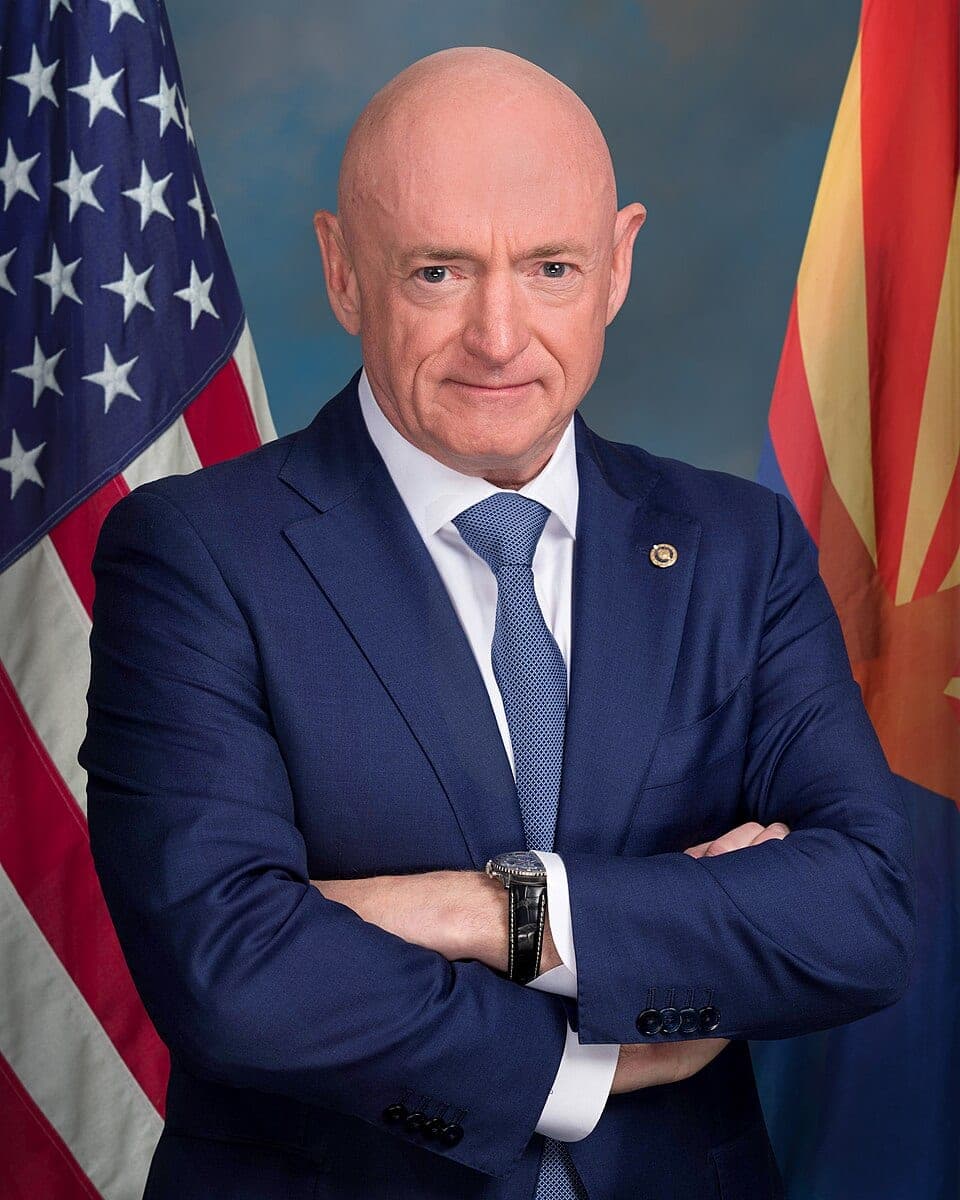 SPONSORSen. Mark KellyDEMOCRAT · AZ