7 stories credited to WyoFile
Latest story Sep 22, 2026 · on ChamberLight since Apr 2026
A story can appear as several articles (copies of the same piece), so counts of stories and of articles differ.
Scores for WyoFile
Writing quality not enough rated stories yet: 3 of 10. How it is measured
Scores last checked Sep 25, 2026.
Stories ChamberLight collected, by month
Stories credited to WyoFile, by publication date. ChamberLight collects articles that mention the officials it tracks, so this shows its own coverage of this source, not how much the source publishes.
- Stories from WyoFile
- Shaded: ChamberLight collected no stories, or almost none, from any outlet (a gap in its collection, not in the outlet’s publishing)
Show as a table
| Month | Stories | All outlets |
|---|---|---|
| March 2026 | 1 | 814 |
| April 2026 | 4 | 4,538 |
| May 2026 | 0 | none collected |
| June 2026 | 0 | none collected |
| July 2026 | 0 | none collected |
| August 2026 | 0 | 1 (collection gap) |
| September 2026 | 2 | 1,320 |
Top topics
Share of this source’s stories tagged with each topic. A story can carry several topics, so the shares do not add up to 100%.
- Budget/Spending4
57% of 7 stories · 31% across all outlets
- Voting Rights3
43% of 7 stories · 19% across all outlets
- Economy2
29% of 7 stories · 26% across all outlets
- Ethics/Corruption2
29% of 7 stories · 58% across all outlets
- Taxes2
29% of 7 stories · 5% across all outlets
- Criminal Justice1
14% of 7 stories · 19% across all outlets
- Defense/Military1
14% of 7 stories · 25% across all outlets
- Environment/Climate1
14% of 7 stories · 5% across all outlets
The thin mark on each bar is the topic’s share across all outlets.
Who they cover
Party of the officials these stories are mainly about, across all 7 officials named. A story counts once for each official it is mainly about, so the split is over 13 story–official pairs, from 7 stories.
- Party not recorded69% · 9 pairs
- Republican31% · 4 pairs
Most covered
Stories mainly about each official, and their share of the source’s 7 stories.
Article tone
ChamberLight’s article analysis assigns each story a tone toward the official it covers. It describes the coverage of that official, not WyoFile’s stance, and reader votes do not change it. 7 stories.
- Good Look
- 0 (0%)
- Mixed
- 5 (71%)
- Informational
- 0 (0%)
- Bad Look
- 2 (29%)
Challenges to these scores
No one has challenged a score on this page yet. Anyone can; editors publish every outcome here.
Articles served from wyofile.com
13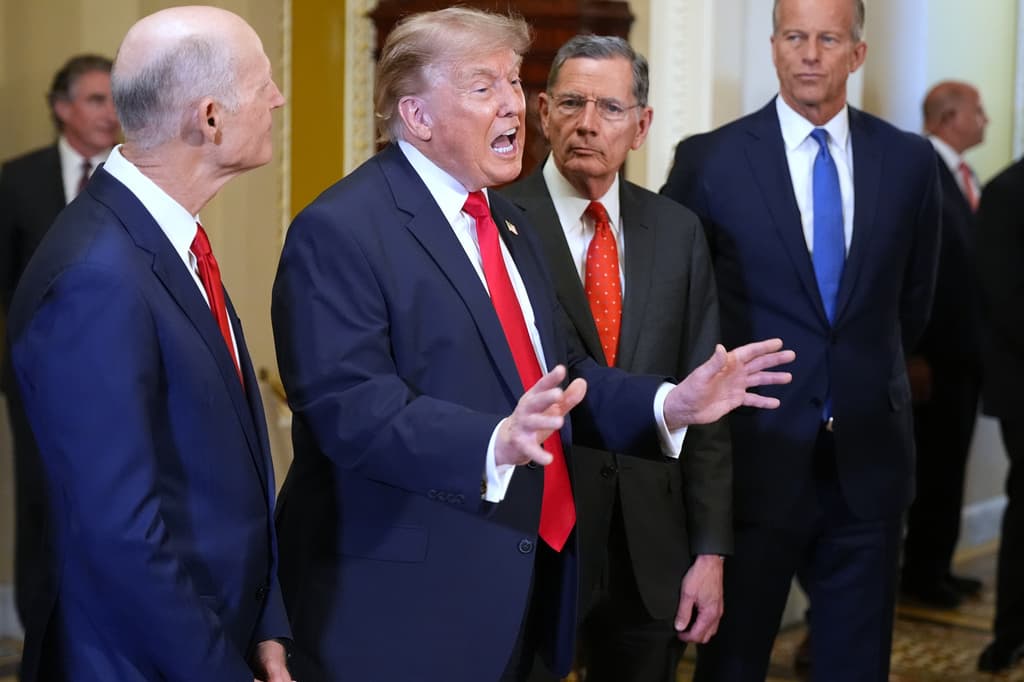
Barrasso loves attention from the media, but not protecting press freedoms
Wyoming’s U.S. senator backs President Trump’s ban on news outlets that say negative things about administration, columnist Kerry Drake writes. The post Barrasso loves attention from the media, but not protecting press freedoms appeared first on WyoFile .
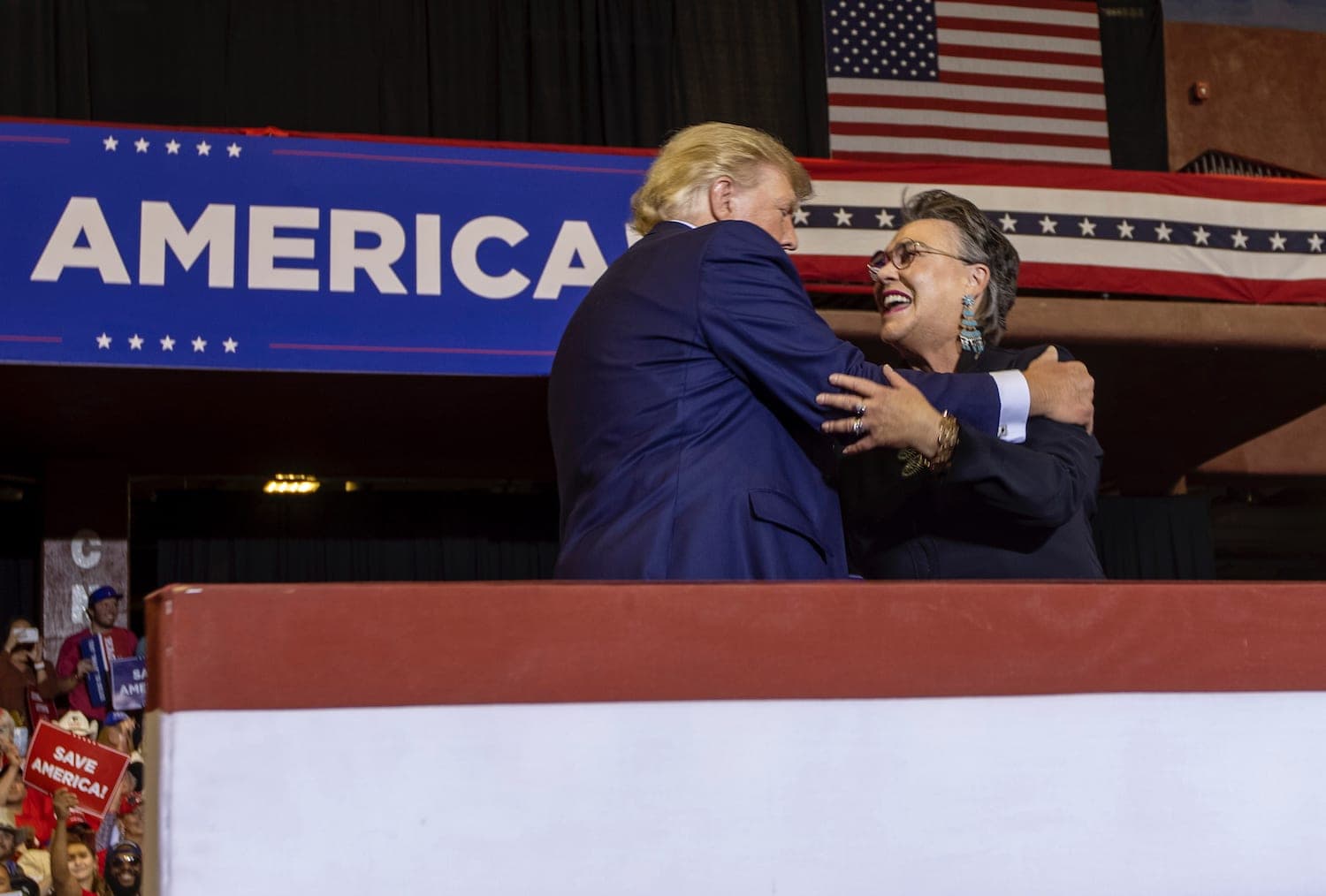
Opinion | Wyoming can still deny Trump his cronies in Congress
The president has bribed voters, pledged to 'cheat like hell' and tried to ban mail-in ballots. Why should that earn him GOP loyalty? My fellow Wyomingites, you've seen President Donald Trump try to buy your votes for $5,000, pledge to cheat to win in the midterms, and fortunately lose a battle in
Opinion | Wyoming can still deny Trump his cronies in Congress
The president has bribed voters, pledged to 'cheat like hell' and tried to ban mail-in ballots. Why should that earn him GOP loyalty? My fellow Wyomingites, you've seen President Donald Trump try to buy your votes for $5,000, pledge to cheat to win in the midterms, and fortunately lose a battle in

Wyoming Gov. Mark Gordon won’t seek a third term. He won’t rule out running for other offices, either.
Wyoming Gov. Mark Gordon will not seek a third term, his office announced Thursday. However, the two-term Republican governor has not ruled out running for another office. “He’s still kind of exploring his options,” Amy Edmonds, Gordon’s spokesperson, told WyoFile. As candidates across Wyoming have announced bids for various statewide offices in recent months, Gordon has been tight-lipped about his own plans, leading to speculation that he would put the state’s gubernatorial term limits to the test. In two opinions about a decade apart, the Wyoming Supreme Court ruled that term limits on legislators as well as on most top elected positions in the state were unconstitutional. While the high court has not addressed the qualifications for governor, it’s been widely suggested that a court challenge would be successful. Such was the discussion in 2010, when Democratic Gov. Dave Freudenthal ultimately chose not to seek a third term. There’s also been speculation that Gordon may run for Congress, which he’s done in the past. In 2008, Gordon ran for the U.S. House of Representatives. He was ultimately defeated by Cynthia Lummis in the primary election. If Gordon seeks the seat in 2026, he’ll join a crowded field that has already attracted at least 10 Republicans. It’s possible he could also be eyeing a run for Wyoming’s soon-to-be open U.S. Senate seat — a choice that would pit him against Rep. Harriet Hageman, whom he defeated in the governor’s race in 2018. Wyoming’s candidate filing period opens for two weeks at the end of May. As for the rest of Gordon’s final term in the governor’s office, his “focus remains on essential pillars like supporting core industries, growing Wyoming’s economy, strengthening local communities and families, and safeguarding Wyoming’s vital natural resources,” according to the Thursday press release. Starting in June, Gordon will set out on a series of community visits to “engage directly with citizens,” the release states, and is particularly interested in having discussions about “protecting our resilient property tax base that funds local services like education, fire protection, police services and others, as well as honoring local control, investing in our future through smart saving and continued stewardship of our wildlife, land, and water.” The governor also pointed to the Aug. 18 primary election. “You don’t have to be Governor to make a difference in Wyoming,” Gordon wrote. “Participating in elections is something all of us can do to make a real difference, and these conversations are important to have to ensure everyone makes informed decisions about the future of Wyoming.” Whether Gordon will run for office is one lingering question — to what degree he will support other candidates is another. In 2024, Gordon personally spent more than $160,000 on statehouse races, backing non-Wyoming Freedom Caucus Republicans who generally aligned with his positions on energy, economic diversification, mental health services and education. While many of those races did not go Gordon’s way — the Freedom Caucus won control of the House — the governor is coming off a legislative budget session where lawmakers largely approved his proposed budget. More specifically, the Legislature’s final budget came in about $53 million shy of the governor’s $11 billion recommendations after significant cuts were floated by the Freedom Caucus lawmakers ahead of the session. Many of those notable cuts — including to the University of Wyoming and the Wyoming Business Council — were ultimately rejected. While Gordon applauded the final budget, he also said in March he was “saddened by some of the reductions,” including the Legislature’s decision to nix SUN Bucks, the summer food program that fills the gap for kids when there are no school lunches. Wednesday, however, the governor signed an executive order that will start delivering food benefits to Wyoming families as early as June. Details for Gordon’s upcoming community visits will be posted to the governor’s website, according to the press release. The post Wyoming Gov. Mark Gordon won’t seek a third term. He won’t rule out running for other offices, either. appeared first on WyoFile .

Local Lookout: Supercomputer retaliation alleged | Hageman’s whirlwind stop | Sprucing up Hell’s Half Acre
Lawsuit ties forced Cheyenne supercomputer transfer to alleged Trump retaliation Wyoming Tribune Eagle The University Corporation for Atmospheric Research is asking a federal court to block what it calls an unlawful effort by the Trump administration to take away its control over a national supercomputing center in Cheyenne. UCAR argues in a lawsuit that the move is part of a broader pattern of political retaliation against Colorado, doesn’t follow the law and would cause irreparable harm if allowed to proceed, the Wyoming Tribune Eagle reports. Read the full story. Laramie County sets $170M sixth-penny ballot for Aug. 18 election Cap City News Laramie County commissioners unanimously approved a resolution and ballot language for a 1% specific-purpose sales and use tax, commonly known as the Sixth Penny, setting the stage for voters to decide on a roughly $170 million list of municipal projects in the Aug. 18 election. The approved ballot includes 13 propositions funding projects for Laramie County, the city of Cheyenne, and the towns of Albin, Burns and Pine Bluffs, alongside organizations such as Cheyenne LEADS, the local recreation board and the Laramie County Library, Cap City news reports. Read the full story. Hageman stops by Sweetwater County Green River Star U.S. Rep. Harriet Hageman made a whirlwind tour stop in Sweetwater County with an early morning town hall and meeting with local leaders. Hageman spoke during the federal partners update portion of the county commissioners’ meeting before commissioners took a break to have lunch with Wyoming’s lone House representative. Hageman later shared on Facebook that she also met with the Sweetwater County Sheriff’s Office and Wyoming Trucking Association. Some lamented the short notice and timing of the town hall as limiting public attendance, the Green River Star reports. Read the full story. Beautification efforts aim to attract visitors to Hell’s Half Acre Oil City News After roughly three years of work, Hell’s Half Acre in Natrona County now boasts several improvements, which local officials will commemorate with a May 8 ribbon cutting ceremony. Encompassing roughly 320 acres, Hell’s Half Acre is a geologic oddity composed of deep ravines, caves, rock formations and hard-packed eroded earth. The landform was famously used as the location for the fictional planet of Klendathu in the 1997 Paul Verhoeven–directed movie “Starship Troopers.” Native American tribes also used the ravines to hunt bison, Oil City News reports. Read the full story. Texas man receives jail time for walking off designated boardwalk in Yellowstone County 17 The U.S. Attorney’s Office recently announced that a Texas man was sentenced after pleading guilty to walking off the designated boardwalk in a thermal area in Yellowstone National Park. Eric Bedient, 50, of Frisco, Texas, was sentenced to five days’ incarceration by U.S. Magistrate Judge Stephanie Hambrick. According to court documents, Bedient left the boardwalk and walked directly on several fragile and dangerous hydrothermal features in the Mammoth Hot Springs area, County 17 reports. Read the full story. The post Local Lookout: Supercomputer retaliation alleged | Hageman’s whirlwind stop | Sprucing up Hell’s Half Acre appeared first on WyoFile .
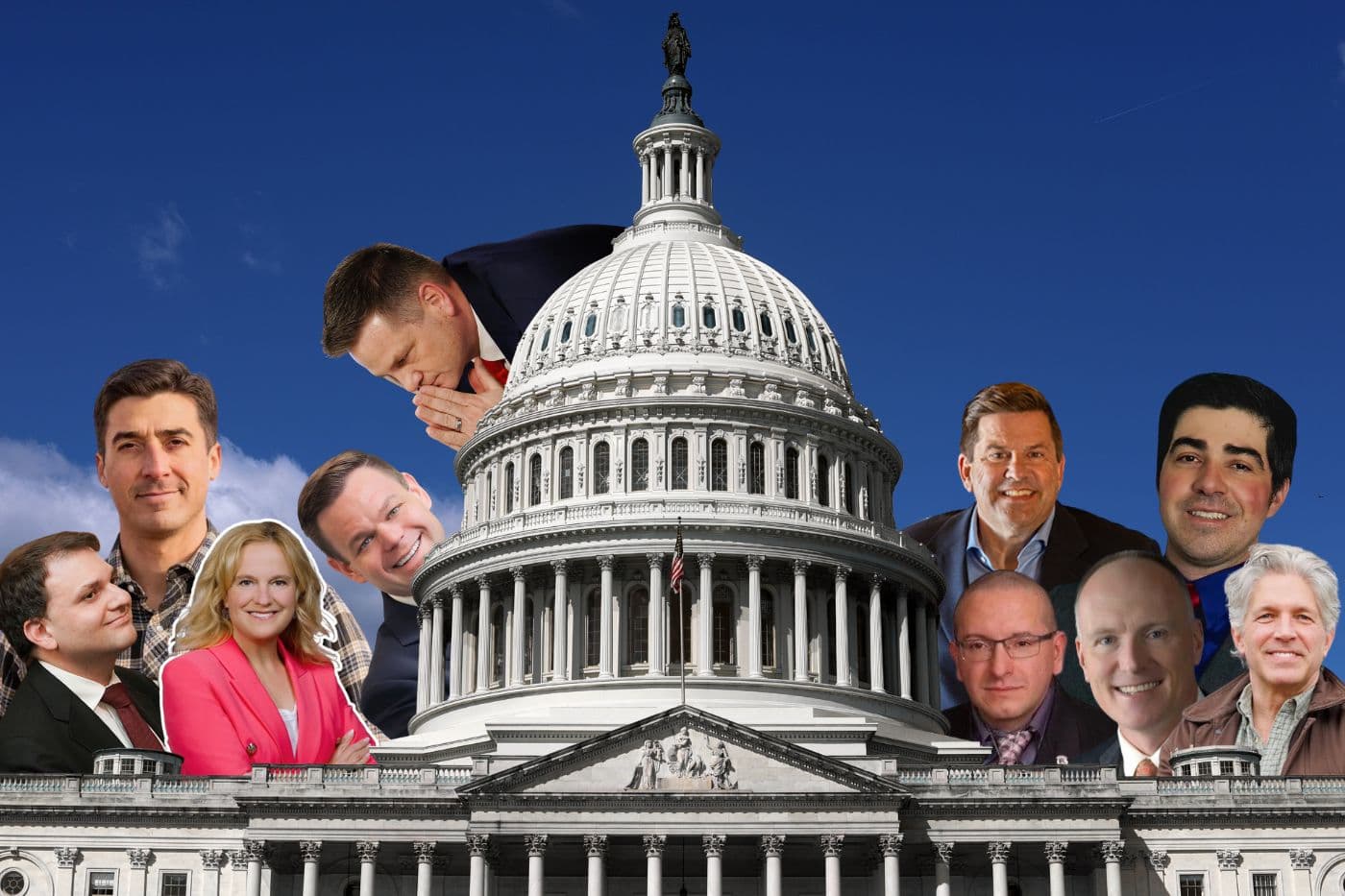
Wyoming’s crowded U.S. House primary race could produce a winner without a majority
When Wyoming Republicans show up to vote in August’s primary election, they may face a long list of choices in the race for the state’s lone U.S. House seat. The official candidate filing period is still a month away, but 10 Republicans have announced they plan to run for Congress. U.S. Rep Harriet Hageman, who now holds the seat, announced last year she will run for U.S. Senate — a decision partly responsible for the crowded field of candidates who see an opportunity in pursuing a rarely open seat. The candidates so far include current office holders, such as Wyoming Senate President Bo Biteman and Secretary of State Chuck Gray, as well as former officials, like Jillian Balow, who previously served as superintendent of public instruction, and one-time Cheyenne lawmaker John B. Romero-Martinez. Former U.S. Senate candidate Reid Rasner is also running alongside five other Republicans who would be new to public office: Frank Chapman of Moran, Kevin Christensen of Casper, Steve Friess of Jackson, David Giralt of Casper and Matt McGinnis of Pinedale. “You’ve got an open seat, and they don’t come along very often,” Jim King, University of Wyoming emeritus professor of political science, told WyoFile. Still, King said he’d be surprised to see as many as 10 candidates actually run. The candidate filing period opens May 14 and closes May 29, leaving plenty of time for candidates to drop out. “I wouldn’t bet on this being the final number,” King said, adding that he expects candidates with name recognition to stay in the race, but only time will tell. Federal campaign records could serve as an indicator of who will ultimately run, King said. Eight candidates have filed their statements of candidacy, Federal Election Commission records show. However, only three — Chapman, Gray and Rasner — have reported campaign receipts, almost all of which are in the form of personal loans to their campaigns. Chapman has lent his campaign $560,000, while Gray has lent $500,000 and Rasner $208,500. However, King said he still expects to see a large field where no single candidate receives more than 50% of the vote. Crowded Republican primaries for higher office aren’t completely unusual for Wyoming. Eight Republicans ran for U.S. House in 2016, for example, while 10 sought a seat in the U.S. Senate in 2020. When six Republicans vied for governor in 2018, Mark Gordon ultimately won the primary with 33.4% of the vote. “Which you can’t really say that’s the preferred candidate of most people in the state, because it’s not,” Matthew Harris, a political science professor at Park University in Missouri, told WyoFile. (Conversely, when Gordon ran for reelection against three other Republicans in the 2022 primary, he secured 61.5% of the vote before winning the general election with 74% of the vote.) Harris has written about crowded primaries across the country, and the way they lower the number of votes needed to secure a candidate’s nomination. “We do continue to see this, especially in places where there’s not really multi-party competition,” Harris said. “And the concern there is that, you know, when you lower the bar as in terms of, ‘OK, what’s the percent of the vote I’m going to need to win?’ then that means that somebody who’s maybe fringe or extreme or not very qualified can, if they can hold that 25%, that can be enough [to win.]” On one hand, Harris said, having a lot of candidates “can be a sign of a robust democracy, and people want to get involved and they want to throw their hat into the ring.” But that doesn’t necessarily sync up, Harris said, when a candidate can win a nomination with less than a majority of the vote. “There’s always this question in democracy of: ‘How do you translate the will of the people into the representative that they get?’” he said. A crowded primary can also create a confusing choice for voters, Harris said, especially when there may be little daylight between candidates. “In a lot of these GOP races, it’s sort of who can demonstrate that loyalty to President Trump,” Harris said. For voters, he said, the decision may come down to “‘How do I decide between these five or six people who all are like, Make America Great Again?’ And that’s where, you know, it probably comes down to name recognition and money and endorsements, things like that.” Trump has not weighed in on Wyoming’s U.S. House race as he did in 2022, when he backed Hageman to oust one of his biggest political rivals at the time, then-Rep. Liz Cheney. Trump’s endorsement caused several candidates to drop out of the race that year. It remains unclear if the president will back someone this time around, but several candidates have said they are seeking his endorsement. Runoff elections and ranked-choice voting can help in requiring candidates to meet a certain threshold of support, Harris said, but neither have been widely adopted across the country. In 2025, Speaker of the House Chip Neiman, R-Hulett, brought legislation to create a runoff election for Wyoming’s top five elected offices. At the time, he cited the 2026 governor’s race as his inspiration. “I’ve already heard where there could be potentially eight candidates in this upcoming governor’s race, and that field consistently seems to grow,” Neiman told lawmakers. The bill died in the Senate when it failed to meet a deadline. Meanwhile, lawmakers voted that same year to prohibit ranked-choice voting in any election in Wyoming. Wyoming’s crowded primaries did produce one major voting change. When Gordon won the 2018 Republican nomination with less than 50% of the vote, his opponents alleged he only won due to the support of Democrats changing their party affiliation to Republican. Those claims were shown to be statistically unfounded, but endured nonetheless. In 2023, the Legislature voted to prohibit voters from changing their political party affiliation once the candidate-filing period opens, or during the 96 days leading up to the primary election. As such, Wyoming voters have until May 13 to make any changes to their party affiliation. The post Wyoming’s crowded U.S. House primary race could produce a winner without a majority appeared first on WyoFile .
Wyoming’s crowded U.S. House primary race could produce a winner without a majority
When Wyoming Republicans show up to vote in August’s primary election, they may face a long list of choices in the race for the state’s lone U.S. House seat. The official candidate filing period is still a month away, but 10 Republicans have announced they plan to run for Congress. U.S. Rep Harriet Hageman, who now holds the seat, announced last year she will run for U.S. Senate — a decision partly responsible for the crowded field of candidates who see an opportunity in pursuing a rarely open seat. The candidates so far include current office holders, such as Wyoming Senate President Bo Biteman and Secretary of State Chuck Gray, as well as former officials, like Jillian Balow, who previously served as superintendent of public instruction, and one-time Cheyenne lawmaker John B. Romero-Martinez. Former U.S. Senate candidate Reid Rasner is also running alongside five other Republicans who would be new to public office: Frank Chapman of Moran, Kevin Christensen of Casper, Steve Friess of Jackson, David Giralt of Casper and Matt McGinnis of Pinedale. “You’ve got an open seat, and they don’t come along very often,” Jim King, University of Wyoming emeritus professor of political science, told WyoFile. Still, King said he’d be surprised to see as many as 10 candidates actually run. The candidate filing period opens May 14 and closes May 29, leaving plenty of time for candidates to drop out. “I wouldn’t bet on this being the final number,” King said, adding that he expects candidates with name recognition to stay in the race, but only time will tell. Federal campaign records could serve as an indicator of who will ultimately run, King said. Eight candidates have filed their statements of candidacy, Federal Election Commission records show. However, only three — Chapman, Gray and Rasner — have reported campaign receipts, almost all of which are in the form of personal loans to their campaigns. Chapman has lent his campaign $560,000, while Gray has lent $500,000 and Rasner $208,500. However, King said he still expects to see a large field where no single candidate receives more than 50% of the vote. Crowded Republican primaries for higher office aren’t completely unusual for Wyoming. Eight Republicans ran for U.S. House in 2016, for example, while 10 sought a seat in the U.S. Senate in 2020. When six Republicans vied for governor in 2018, Mark Gordon ultimately won the primary with 33.4% of the vote. “Which you can’t really say that’s the preferred candidate of most people in the state, because it’s not,” Matthew Harris, a political science professor at Park University in Missouri, told WyoFile. (Conversely, when Gordon ran for reelection against three other Republicans in the 2022 primary, he secured 61.5% of the vote before winning the general election with 74% of the vote.) Harris has written about crowded primaries across the country, and the way they lower the number of votes needed to secure a candidate’s nomination. “We do continue to see this, especially in places where there’s not really multi-party competition,” Harris said. “And the concern there is that, you know, when you lower the bar as in terms of, ‘OK, what’s the percent of the vote I’m going to need to win?’ then that means that somebody who’s maybe fringe or extreme or not very qualified can, if they can hold that 25%, that can be enough [to win.]” On one hand, Harris said, having a lot of candidates “can be a sign of a robust democracy, and people want to get involved and they want to throw their hat into the ring.” But that doesn’t necessarily sync up, Harris said, when a candidate can win a nomination with less than a majority of the vote. “There’s always this question in democracy of: ‘How do you translate the will of the people into the representative that they get?’” he said. A crowded primary can also create a confusing choice for voters, Harris said, especially when there may be little daylight between candidates. “In a lot of these GOP races, it’s sort of who can demonstrate that loyalty to President Trump,” Harris said. For voters, he said, the decision may come down to “‘How do I decide between these five or six people who all are like, Make America Great Again?’ And that’s where, you know, it probably comes down to name recognition and money and endorsements, things like that.” Trump has not weighed in on Wyoming’s U.S. House race as he did in 2022, when he backed Hageman to oust one of his biggest political rivals at the time, then-Rep. Liz Cheney. Trump’s endorsement caused several candidates to drop out of the race that year. It remains unclear if the president will back someone this time around, but several candidates have said they are seeking his endorsement. Runoff elections and ranked-choice voting can help in requiring candidates to meet a certain threshold of support, Harris said, but neither have been widely adopted across the country. In 2025, Speaker of the House Chip Neiman, R-Hulett, brought legislation to create a runoff election for Wyoming’s top five elected offices. At the time, he cited the 2026 governor’s race as his inspiration. “I’ve already heard where there could be potentially eight candidates in this upcoming governor’s race, and that field consistently seems to grow,” Neiman told lawmakers. The bill died in the Senate when it failed to meet a deadline. Meanwhile, lawmakers voted that same year to prohibit ranked-choice voting in any election in Wyoming. Wyoming’s crowded primaries did produce one major voting change. When Gordon won the 2018 Republican nomination with less than 50% of the vote, his opponents alleged he only won due to the support of Democrats changing their party affiliation to Republican. Those claims were shown to be statistically unfounded, but endured nonetheless. In 2023, the Legislature voted to prohibit voters from changing their political party affiliation once the candidate-filing period opens, or during the 96 days leading up to the primary election. As such, Wyoming voters have until May 13 to make any changes to their party affiliation. The post Wyoming’s crowded U.S. House primary race could produce a winner without a majority appeared first on WyoFile .
Wyoming’s crowded U.S. House primary race could produce a winner without a majority
When Wyoming Republicans show up to vote in August’s primary election, they may face a long list of choices in the race for the state’s lone U.S. House seat. The official candidate filing period is still a month away, but 10 Republicans have announced they plan to run for Congress. U.S. Rep Harriet Hageman, who now holds the seat, announced last year she will run for U.S. Senate — a decision partly responsible for the crowded field of candidates who see an opportunity in pursuing a rarely open seat. The candidates so far include current office holders, such as Wyoming Senate President Bo Biteman and Secretary of State Chuck Gray, as well as former officials, like Jillian Balow, who previously served as superintendent of public instruction, and one-time Cheyenne lawmaker John B. Romero-Martinez. Former U.S. Senate candidate Reid Rasner is also running alongside five other Republicans who would be new to public office: Frank Chapman of Moran, Kevin Christensen of Casper, Steve Friess of Jackson, David Giralt of Casper and Matt McGinnis of Pinedale. “You’ve got an open seat, and they don’t come along very often,” Jim King, University of Wyoming emeritus professor of political science, told WyoFile. Still, King said he’d be surprised to see as many as 10 candidates actually run. The candidate filing period opens May 14 and closes May 29, leaving plenty of time for candidates to drop out. “I wouldn’t bet on this being the final number,” King said, adding that he expects candidates with name recognition to stay in the race, but only time will tell. Federal campaign records could serve as an indicator of who will ultimately run, King said. Eight candidates have filed their statements of candidacy, Federal Election Commission records show. However, only three — Chapman, Gray and Rasner — have reported campaign receipts, almost all of which are in the form of personal loans to their campaigns. Chapman has lent his campaign $560,000, while Gray has lent $500,000 and Rasner $208,500. However, King said he still expects to see a large field where no single candidate receives more than 50% of the vote. Crowded Republican primaries for higher office aren’t completely unusual for Wyoming. Eight Republicans ran for U.S. House in 2016, for example, while 10 sought a seat in the U.S. Senate in 2020. When six Republicans vied for governor in 2018, Mark Gordon ultimately won the primary with 33.4% of the vote. “Which you can’t really say that’s the preferred candidate of most people in the state, because it’s not,” Matthew Harris, a political science professor at Park University in Missouri, told WyoFile. (Conversely, when Gordon ran for reelection against three other Republicans in the 2022 primary, he secured 61.5% of the vote before winning the general election with 74% of the vote.) Harris has written about crowded primaries across the country, and the way they lower the number of votes needed to secure a candidate’s nomination. “We do continue to see this, especially in places where there’s not really multi-party competition,” Harris said. “And the concern there is that, you know, when you lower the bar as in terms of, ‘OK, what’s the percent of the vote I’m going to need to win?’ then that means that somebody who’s maybe fringe or extreme or not very qualified can, if they can hold that 25%, that can be enough [to win.]” On one hand, Harris said, having a lot of candidates “can be a sign of a robust democracy, and people want to get involved and they want to throw their hat into the ring.” But that doesn’t necessarily sync up, Harris said, when a candidate can win a nomination with less than a majority of the vote. “There’s always this question in democracy of: ‘How do you translate the will of the people into the representative that they get?’” he said. A crowded primary can also create a confusing choice for voters, Harris said, especially when there may be little daylight between candidates. “In a lot of these GOP races, it’s sort of who can demonstrate that loyalty to President Trump,” Harris said. For voters, he said, the decision may come down to “‘How do I decide between these five or six people who all are like, Make America Great Again?’ And that’s where, you know, it probably comes down to name recognition and money and endorsements, things like that.” Trump has not weighed in on Wyoming’s U.S. House race as he did in 2022, when he backed Hageman to oust one of his biggest political rivals at the time, then-Rep. Liz Cheney. Trump’s endorsement caused several candidates to drop out of the race that year. It remains unclear if the president will back someone this time around, but several candidates have said they are seeking his endorsement. Runoff elections and ranked-choice voting can help in requiring candidates to meet a certain threshold of support, Harris said, but neither have been widely adopted across the country. In 2025, Speaker of the House Chip Neiman, R-Hulett, brought legislation to create a runoff election for Wyoming’s top five elected offices. At the time, he cited the 2026 governor’s race as his inspiration. “I’ve already heard where there could be potentially eight candidates in this upcoming governor’s race, and that field consistently seems to grow,” Neiman told lawmakers. The bill died in the Senate when it failed to meet a deadline. Meanwhile, lawmakers voted that same year to prohibit ranked-choice voting in any election in Wyoming. Wyoming’s crowded primaries did produce one major voting change. When Gordon won the 2018 Republican nomination with less than 50% of the vote, his opponents alleged he only won due to the support of Democrats changing their party affiliation to Republican. Those claims were shown to be statistically unfounded, but endured nonetheless. In 2023, the Legislature voted to prohibit voters from changing their political party affiliation once the candidate-filing period opens, or during the 96 days leading up to the primary election. As such, Wyoming voters have until May 13 to make any changes to their party affiliation. The post Wyoming’s crowded U.S. House primary race could produce a winner without a majority appeared first on WyoFile .
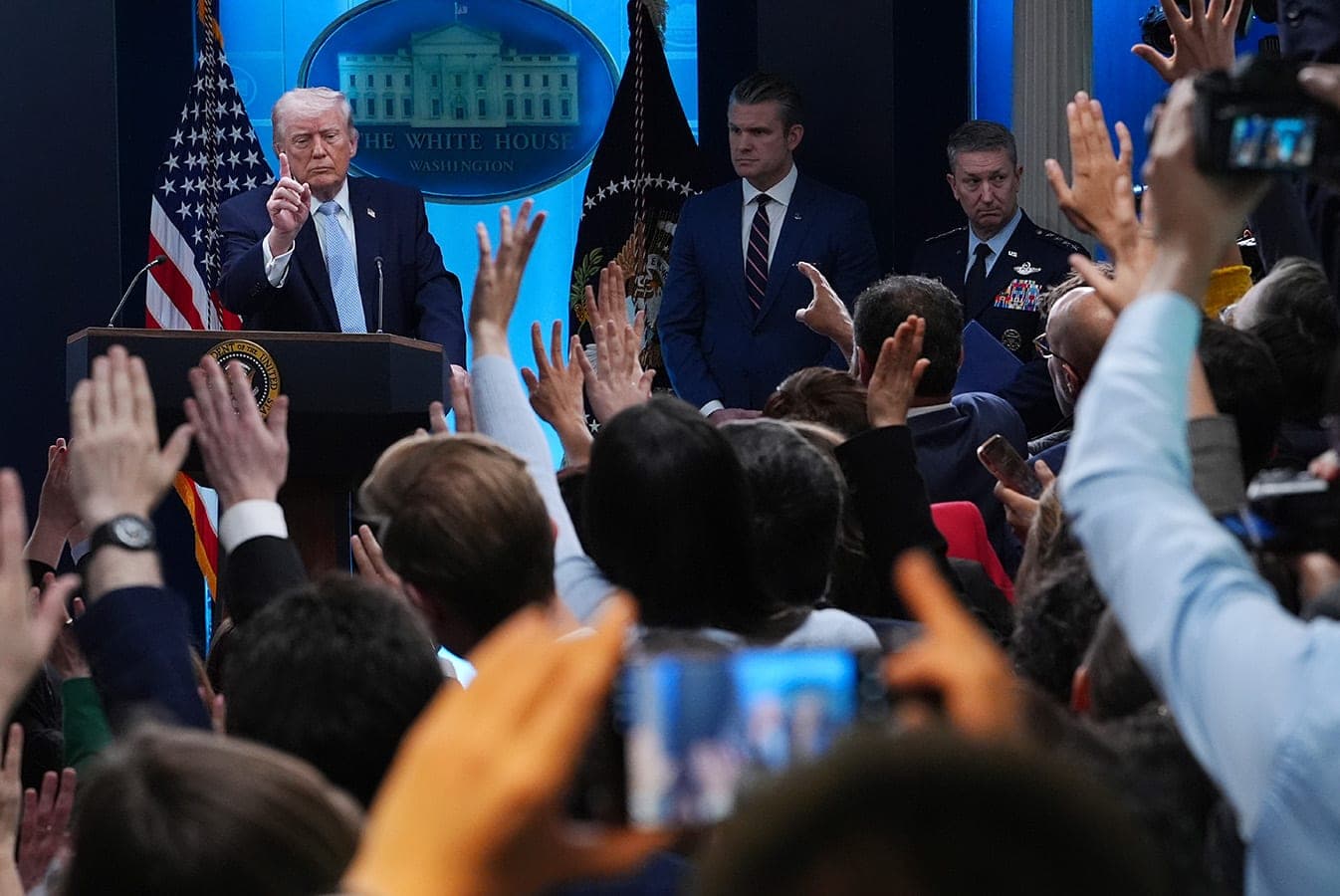
Wyoming’s Barrasso, Lummis and Hageman silent on Trump’s threat that a ‘whole civilization will die’ if Iran deal isn’t reached
Wyoming’s federal delegation kept silent Tuesday on President Donald Trump’s threat that a “whole civilization will die tonight” if Iran fails to meet his latest deadline to strike a deal that includes reopening the Strait of Hormuz. Trump said late Tuesday he’s pulling back on his threats to launch devastating strikes on Iran, swerving to de-escalate the war less than two hours before the deadline he set for Tehran. Republican Sens. John Barrasso and Cynthia Lummis did not respond to WyoFile’s request for comment, which was made before Trump’s announcement that he was holding off on his threats to attack Iranian bridges, power plants and other civilian targets. Nor did Rep. Harriet Hageman. Additionally, social media accounts for the three lawmakers have not posted any remarks on Trump’s threat that an entire country could be wiped off the map. A review of the Facebook pages of all three members of Wyoming’s delegation shows they haven’t posted on the war this month, as Trump’s threats escalated. Wyoming’s congressional delegation has expressed past support for Trump’s decision to attack Iran. Both Barrasso and Lummis voted against an attempt to curb Trump’s war powers. Critics of the war have said the president needed to receive congressional approval before launching operations against Iran. Wyoming Sens. Cynthia Lummis and John Barrasso, and Rep. Harriet Hageman, pose with President Donald Trump at the White House on Dec. 12, 2025 for the signing of the Congressional Review Act resolution nullifying the Buffalo Resource Management Plan Amendment. (Wyoming Congressional Delegation) After the war began, Barrasso lauded the president for “one of the boldest military operations in history.” “President Trump has the courage to do what is right and what needs to be done,” Barrasso said March 3 on the Senate floor. “Something previous administrations refused to do.” Hageman also opposed an effort in the House to rein in Trump’s war powers. “Tehran’s jihadist government is finally faced with the reckoning for hundreds of American casualties killed at the hands of Iran’s savage leadership,” Hageman said in a March 2 statement. “Iran’s history of killing American troops, supporting terrorist networks, and refusal to cooperate in good-faith diplomacy made their nuclear-arms campaign a crusade that must be stopped.” Iran effectively blocked shipping through the Strait of Hormuz after Israel and the U.S. attacked in February. That, and Iran’s attacks on energy infrastructure of its Gulf Arab neighbors, have sent oil prices skyrocketing, raising the price of gasoline, food and other basics far beyond the Middle East. Since then, Trump has repeatedly imposed deadlines linked to threats, only to extend them. Trump said he was holding off on his threatened attacks on Iranian bridges, power plants and other civilian targets, subject to Tehran agreeing to a two-week ceasefire and reopening of the Strait of Hormuz, the pivotal waterway through which a fifth of the world’s oil is transported during peacetime. He also said Iran has proposed a “workable” 10-point peace plan that could help end the war the U.S. and Israel launched on Feb. 28. Trump has made reopening the strait part of avoiding wider attacks and suggested that the waterway is not as vital to U.S. oil interests as it is to other countries. He has also said he would be willing to deploy ground troops to seize Iranian oil, while maintaining that major combat operations in that country could soon conclude. A newly constructed bridge struck by U.S. airstrikes Thursday is seen in Karaj, west of Tehran, Iran, Friday, April 3, 2026. (AP Photo/Vahid Salemi) Ahead of Tuesday’s deadline, airstrikes hit two bridges and a train station, and the U.S. hit military infrastructure on Kharg Island. It was the second time American forces struck the island, a key hub for Iranian oil production. It was not clear if the latest airstrikes were linked to Trump’s threats to widen the civilian target list. At least two of the targets were connected to Iran’s rail network, and Israeli Prime Minister Benjamin Netanyahu said Israeli warplanes struck bridges and railways in Iran. Iran’s president said 14 million people, including himself, have volunteered to fight. That’s despite Trump threatening that U.S. forces could wipe out all bridges in Iran in a matter of hours and reduce all power plants to smoking rubble in roughly the same time frame. He also suggested the entire country could be wiped off the map. Trump has shrugged off concerns about war crime accusations. “A whole civilization will die tonight, never to be brought back again,” if a deal isn’t reached, Trump said in an online post Tuesday morning. But he also seemed to keep open the possibility of an off-ramp, saying that “maybe something revolutionarily wonderful can happen.” Earlier, Iranian official Alireza Rahimi issued a video message calling on “all young people, athletes, artists, students and university students and their professors” to form human chains around power plants. Iranians have formed human chains in the past around nuclear sites at times of heightened tensions with the West. Some images of people surrounding power plants were posted Tuesday by local Iranian media, though how widespread the practice was is unknown. People gathered around power plants in Iran on Tuesday as they answered the government’s call to form human chains to protect the country’s infrastructure. (FARS NEWS,TASNIM via AP) In Tehran, the mood was bleak. A young teacher said that many opponents of Iran’s Islamic system had hoped Trump’s attacks would quickly topple it. As the war drags on, she fears U.S. and Israeli strikes will spread chaos. “If we don’t have the internet, and if we don’t have electricity, water, and gas, we’re really going back to the Stone Age, as Trump said,” she told The Associated Press, speaking on the condition of anonymity for her safety. More than 1,900 people have been killed in Iran since the war began, but the government has not updated the toll for days. In Lebanon, where Israel is fighting Iran-backed Hezbollah militants, more than 1,500 people have been killed. and more than 1 million people have been displaced. Eleven Israeli soldiers have died there. In Gulf Arab states and the occupied West Bank, more than two dozen people have died, while 23 have been reported dead in Israel, and 13 U.S. service members have been killed. Reporting contributed by The Associated Press. Jon Gambrell reported from Dubai, United Arab Emirates. Mike Corder reported from The Hague, Netherlands, and Sam Magdy reported from Cairo. Associated Press writers David Rising in Bangkok; John Leicester in Paris; Rod McGuirk in Melbourne, Australia; Natalie Melzer in Jerusalem; and Seung Min Kim, Michelle Price and Will Weissert in Washington contributed to this report. The post Wyoming’s Barrasso, Lummis and Hageman silent on Trump’s threat that a ‘whole civilization will die’ if Iran deal isn’t reached appeared first on WyoFile .
Wyoming’s Barrasso, Lummis and Hageman silent on Trump’s threat that a ‘whole civilization will die’ if Iran deal isn’t reached
Wyoming’s federal delegation kept silent Tuesday on President Donald Trump’s threat that a “whole civilization will die tonight” if Iran fails to meet his latest deadline to strike a deal that includes reopening the Strait of Hormuz. Trump said late Tuesday he’s pulling back on his threats to launch devastating strikes on Iran, swerving to de-escalate the war less than two hours before the deadline he set for Tehran. Republican Sens. John Barrasso and Cynthia Lummis did not respond to WyoFile’s request for comment, which was made before Trump’s announcement that he was holding off on his threats to attack Iranian bridges, power plants and other civilian targets. Nor did Rep. Harriet Hageman. Additionally, social media accounts for the three lawmakers have not posted any remarks on Trump’s threat that an entire country could be wiped off the map. A review of the Facebook pages of all three members of Wyoming’s delegation shows they haven’t posted on the war this month, as Trump’s threats escalated. Wyoming’s congressional delegation has expressed past support for Trump’s decision to attack Iran. Both Barrasso and Lummis voted against an attempt to curb Trump’s war powers. Critics of the war have said the president needed to receive congressional approval before launching operations against Iran. Wyoming Sens. Cynthia Lummis and John Barrasso, and Rep. Harriet Hageman, pose with President Donald Trump at the White House on Dec. 12, 2025 for the signing of the Congressional Review Act resolution nullifying the Buffalo Resource Management Plan Amendment. (Wyoming Congressional Delegation) After the war began, Barrasso lauded the president for “one of the boldest military operations in history.” “President Trump has the courage to do what is right and what needs to be done,” Barrasso said March 3 on the Senate floor. “Something previous administrations refused to do.” Hageman also opposed an effort in the House to rein in Trump’s war powers. “Tehran’s jihadist government is finally faced with the reckoning for hundreds of American casualties killed at the hands of Iran’s savage leadership,” Hageman said in a March 2 statement. “Iran’s history of killing American troops, supporting terrorist networks, and refusal to cooperate in good-faith diplomacy made their nuclear-arms campaign a crusade that must be stopped.” Iran effectively blocked shipping through the Strait of Hormuz after Israel and the U.S. attacked in February. That, and Iran’s attacks on energy infrastructure of its Gulf Arab neighbors, have sent oil prices skyrocketing, raising the price of gasoline, food and other basics far beyond the Middle East. Since then, Trump has repeatedly imposed deadlines linked to threats, only to extend them. Trump said he was holding off on his threatened attacks on Iranian bridges, power plants and other civilian targets, subject to Tehran agreeing to a two-week ceasefire and reopening of the Strait of Hormuz, the pivotal waterway through which a fifth of the world’s oil is transported during peacetime. He also said Iran has proposed a “workable” 10-point peace plan that could help end the war the U.S. and Israel launched on Feb. 28. Trump has made reopening the strait part of avoiding wider attacks and suggested that the waterway is not as vital to U.S. oil interests as it is to other countries. He has also said he would be willing to deploy ground troops to seize Iranian oil, while maintaining that major combat operations in that country could soon conclude. A newly constructed bridge struck by U.S. airstrikes Thursday is seen in Karaj, west of Tehran, Iran, Friday, April 3, 2026. (AP Photo/Vahid Salemi) Ahead of Tuesday’s deadline, airstrikes hit two bridges and a train station, and the U.S. hit military infrastructure on Kharg Island. It was the second time American forces struck the island, a key hub for Iranian oil production. It was not clear if the latest airstrikes were linked to Trump’s threats to widen the civilian target list. At least two of the targets were connected to Iran’s rail network, and Israeli Prime Minister Benjamin Netanyahu said Israeli warplanes struck bridges and railways in Iran. Iran’s president said 14 million people, including himself, have volunteered to fight. That’s despite Trump threatening that U.S. forces could wipe out all bridges in Iran in a matter of hours and reduce all power plants to smoking rubble in roughly the same time frame. He also suggested the entire country could be wiped off the map. Trump has shrugged off concerns about war crime accusations. “A whole civilization will die tonight, never to be brought back again,” if a deal isn’t reached, Trump said in an online post Tuesday morning. But he also seemed to keep open the possibility of an off-ramp, saying that “maybe something revolutionarily wonderful can happen.” Earlier, Iranian official Alireza Rahimi issued a video message calling on “all young people, athletes, artists, students and university students and their professors” to form human chains around power plants. Iranians have formed human chains in the past around nuclear sites at times of heightened tensions with the West. Some images of people surrounding power plants were posted Tuesday by local Iranian media, though how widespread the practice was is unknown. People gathered around power plants in Iran on Tuesday as they answered the government’s call to form human chains to protect the country’s infrastructure. (FARS NEWS,TASNIM via AP) In Tehran, the mood was bleak. A young teacher said that many opponents of Iran’s Islamic system had hoped Trump’s attacks would quickly topple it. As the war drags on, she fears U.S. and Israeli strikes will spread chaos. “If we don’t have the internet, and if we don’t have electricity, water, and gas, we’re really going back to the Stone Age, as Trump said,” she told The Associated Press, speaking on the condition of anonymity for her safety. More than 1,900 people have been killed in Iran since the war began, but the government has not updated the toll for days. In Lebanon, where Israel is fighting Iran-backed Hezbollah militants, more than 1,500 people have been killed. and more than 1 million people have been displaced. Eleven Israeli soldiers have died there. In Gulf Arab states and the occupied West Bank, more than two dozen people have died, while 23 have been reported dead in Israel, and 13 U.S. service members have been killed. Reporting contributed by The Associated Press. Jon Gambrell reported from Dubai, United Arab Emirates. Mike Corder reported from The Hague, Netherlands, and Sam Magdy reported from Cairo. Associated Press writers David Rising in Bangkok; John Leicester in Paris; Rod McGuirk in Melbourne, Australia; Natalie Melzer in Jerusalem; and Seung Min Kim, Michelle Price and Will Weissert in Washington contributed to this report. The post Wyoming’s Barrasso, Lummis and Hageman silent on Trump’s threat that a ‘whole civilization will die’ if Iran deal isn’t reached appeared first on WyoFile .
Wyoming’s Barrasso, Lummis and Hageman silent on Trump’s threat that a ‘whole civilization will die’ if Iran deal isn’t reached
Wyoming’s federal delegation kept silent Tuesday on President Donald Trump’s threat that a “whole civilization will die tonight” if Iran fails to meet his latest deadline to strike a deal that includes reopening the Strait of Hormuz. Trump said late Tuesday he’s pulling back on his threats to launch devastating strikes on Iran, swerving to de-escalate the war less than two hours before the deadline he set for Tehran. Republican Sens. John Barrasso and Cynthia Lummis did not respond to WyoFile’s request for comment, which was made before Trump’s announcement that he was holding off on his threats to attack Iranian bridges, power plants and other civilian targets. Nor did Rep. Harriet Hageman. Additionally, social media accounts for the three lawmakers have not posted any remarks on Trump’s threat that an entire country could be wiped off the map. A review of the Facebook pages of all three members of Wyoming’s delegation shows they haven’t posted on the war this month, as Trump’s threats escalated. Wyoming’s congressional delegation has expressed past support for Trump’s decision to attack Iran. Both Barrasso and Lummis voted against an attempt to curb Trump’s war powers. Critics of the war have said the president needed to receive congressional approval before launching operations against Iran. Wyoming Sens. Cynthia Lummis and John Barrasso, and Rep. Harriet Hageman, pose with President Donald Trump at the White House on Dec. 12, 2025 for the signing of the Congressional Review Act resolution nullifying the Buffalo Resource Management Plan Amendment. (Wyoming Congressional Delegation) After the war began, Barrasso lauded the president for “one of the boldest military operations in history.” “President Trump has the courage to do what is right and what needs to be done,” Barrasso said March 3 on the Senate floor. “Something previous administrations refused to do.” Hageman also opposed an effort in the House to rein in Trump’s war powers. “Tehran’s jihadist government is finally faced with the reckoning for hundreds of American casualties killed at the hands of Iran’s savage leadership,” Hageman said in a March 2 statement. “Iran’s history of killing American troops, supporting terrorist networks, and refusal to cooperate in good-faith diplomacy made their nuclear-arms campaign a crusade that must be stopped.” Iran effectively blocked shipping through the Strait of Hormuz after Israel and the U.S. attacked in February. That, and Iran’s attacks on energy infrastructure of its Gulf Arab neighbors, have sent oil prices skyrocketing, raising the price of gasoline, food and other basics far beyond the Middle East. Since then, Trump has repeatedly imposed deadlines linked to threats, only to extend them. Trump said he was holding off on his threatened attacks on Iranian bridges, power plants and other civilian targets, subject to Tehran agreeing to a two-week ceasefire and reopening of the Strait of Hormuz, the pivotal waterway through which a fifth of the world’s oil is transported during peacetime. He also said Iran has proposed a “workable” 10-point peace plan that could help end the war the U.S. and Israel launched on Feb. 28. Trump has made reopening the strait part of avoiding wider attacks and suggested that the waterway is not as vital to U.S. oil interests as it is to other countries. He has also said he would be willing to deploy ground troops to seize Iranian oil, while maintaining that major combat operations in that country could soon conclude. A newly constructed bridge struck by U.S. airstrikes Thursday is seen in Karaj, west of Tehran, Iran, Friday, April 3, 2026. (AP Photo/Vahid Salemi) Ahead of Tuesday’s deadline, airstrikes hit two bridges and a train station, and the U.S. hit military infrastructure on Kharg Island. It was the second time American forces struck the island, a key hub for Iranian oil production. It was not clear if the latest airstrikes were linked to Trump’s threats to widen the civilian target list. At least two of the targets were connected to Iran’s rail network, and Israeli Prime Minister Benjamin Netanyahu said Israeli warplanes struck bridges and railways in Iran. Iran’s president said 14 million people, including himself, have volunteered to fight. That’s despite Trump threatening that U.S. forces could wipe out all bridges in Iran in a matter of hours and reduce all power plants to smoking rubble in roughly the same time frame. He also suggested the entire country could be wiped off the map. Trump has shrugged off concerns about war crime accusations. “A whole civilization will die tonight, never to be brought back again,” if a deal isn’t reached, Trump said in an online post Tuesday morning. But he also seemed to keep open the possibility of an off-ramp, saying that “maybe something revolutionarily wonderful can happen.” Earlier, Iranian official Alireza Rahimi issued a video message calling on “all young people, athletes, artists, students and university students and their professors” to form human chains around power plants. Iranians have formed human chains in the past around nuclear sites at times of heightened tensions with the West. Some images of people surrounding power plants were posted Tuesday by local Iranian media, though how widespread the practice was is unknown. People gathered around power plants in Iran on Tuesday as they answered the government’s call to form human chains to protect the country’s infrastructure. (FARS NEWS,TASNIM via AP) In Tehran, the mood was bleak. A young teacher said that many opponents of Iran’s Islamic system had hoped Trump’s attacks would quickly topple it. As the war drags on, she fears U.S. and Israeli strikes will spread chaos. “If we don’t have the internet, and if we don’t have electricity, water, and gas, we’re really going back to the Stone Age, as Trump said,” she told The Associated Press, speaking on the condition of anonymity for her safety. More than 1,900 people have been killed in Iran since the war began, but the government has not updated the toll for days. In Lebanon, where Israel is fighting Iran-backed Hezbollah militants, more than 1,500 people have been killed. and more than 1 million people have been displaced. Eleven Israeli soldiers have died there. In Gulf Arab states and the occupied West Bank, more than two dozen people have died, while 23 have been reported dead in Israel, and 13 U.S. service members have been killed. Reporting contributed by The Associated Press. Jon Gambrell reported from Dubai, United Arab Emirates. Mike Corder reported from The Hague, Netherlands, and Sam Magdy reported from Cairo. Associated Press writers David Rising in Bangkok; John Leicester in Paris; Rod McGuirk in Melbourne, Australia; Natalie Melzer in Jerusalem; and Seung Min Kim, Michelle Price and Will Weissert in Washington contributed to this report. The post Wyoming’s Barrasso, Lummis and Hageman silent on Trump’s threat that a ‘whole civilization will die’ if Iran deal isn’t reached appeared first on WyoFile .
Wyoming’s Barrasso, Lummis and Hageman silent on Trump’s threat that a ‘whole civilization will die’ if Iran deal isn’t reached
Wyoming’s federal delegation kept silent Tuesday on President Donald Trump’s threat that a “whole civilization will die tonight” if Iran fails to meet his latest deadline to strike a deal that includes reopening the Strait of Hormuz. Trump said late Tuesday he’s pulling back on his threats to launch devastating strikes on Iran, swerving to de-escalate the war less than two hours before the deadline he set for Tehran. Republican Sens. John Barrasso and Cynthia Lummis did not respond to WyoFile’s request for comment, which was made before Trump’s announcement that he was holding off on his threats to attack Iranian bridges, power plants and other civilian targets. Nor did Rep. Harriet Hageman. Additionally, social media accounts for the three lawmakers have not posted any remarks on Trump’s threat that an entire country could be wiped off the map. A review of the Facebook pages of all three members of Wyoming’s delegation shows they haven’t posted on the war this month, as Trump’s threats escalated. Wyoming’s congressional delegation has expressed past support for Trump’s decision to attack Iran. Both Barrasso and Lummis voted against an attempt to curb Trump’s war powers. Critics of the war have said the president needed to receive congressional approval before launching operations against Iran. Wyoming Sens. Cynthia Lummis and John Barrasso, and Rep. Harriet Hageman, pose with President Donald Trump at the White House on Dec. 12, 2025 for the signing of the Congressional Review Act resolution nullifying the Buffalo Resource Management Plan Amendment. (Wyoming Congressional Delegation) After the war began, Barrasso lauded the president for “one of the boldest military operations in history.” “President Trump has the courage to do what is right and what needs to be done,” Barrasso said March 3 on the Senate floor. “Something previous administrations refused to do.” Hageman also opposed an effort in the House to rein in Trump’s war powers. “Tehran’s jihadist government is finally faced with the reckoning for hundreds of American casualties killed at the hands of Iran’s savage leadership,” Hageman said in a March 2 statement. “Iran’s history of killing American troops, supporting terrorist networks, and refusal to cooperate in good-faith diplomacy made their nuclear-arms campaign a crusade that must be stopped.” Iran effectively blocked shipping through the Strait of Hormuz after Israel and the U.S. attacked in February. That, and Iran’s attacks on energy infrastructure of its Gulf Arab neighbors, have sent oil prices skyrocketing, raising the price of gasoline, food and other basics far beyond the Middle East. Since then, Trump has repeatedly imposed deadlines linked to threats, only to extend them. Trump said he was holding off on his threatened attacks on Iranian bridges, power plants and other civilian targets, subject to Tehran agreeing to a two-week ceasefire and reopening of the Strait of Hormuz, the pivotal waterway through which a fifth of the world’s oil is transported during peacetime. He also said Iran has proposed a “workable” 10-point peace plan that could help end the war the U.S. and Israel launched on Feb. 28. Trump has made reopening the strait part of avoiding wider attacks and suggested that the waterway is not as vital to U.S. oil interests as it is to other countries. He has also said he would be willing to deploy ground troops to seize Iranian oil, while maintaining that major combat operations in that country could soon conclude. A newly constructed bridge struck by U.S. airstrikes Thursday is seen in Karaj, west of Tehran, Iran, Friday, April 3, 2026. (AP Photo/Vahid Salemi) Ahead of Tuesday’s deadline, airstrikes hit two bridges and a train station, and the U.S. hit military infrastructure on Kharg Island. It was the second time American forces struck the island, a key hub for Iranian oil production. It was not clear if the latest airstrikes were linked to Trump’s threats to widen the civilian target list. At least two of the targets were connected to Iran’s rail network, and Israeli Prime Minister Benjamin Netanyahu said Israeli warplanes struck bridges and railways in Iran. Iran’s president said 14 million people, including himself, have volunteered to fight. That’s despite Trump threatening that U.S. forces could wipe out all bridges in Iran in a matter of hours and reduce all power plants to smoking rubble in roughly the same time frame. He also suggested the entire country could be wiped off the map. Trump has shrugged off concerns about war crime accusations. “A whole civilization will die tonight, never to be brought back again,” if a deal isn’t reached, Trump said in an online post Tuesday morning. But he also seemed to keep open the possibility of an off-ramp, saying that “maybe something revolutionarily wonderful can happen.” Earlier, Iranian official Alireza Rahimi issued a video message calling on “all young people, athletes, artists, students and university students and their professors” to form human chains around power plants. Iranians have formed human chains in the past around nuclear sites at times of heightened tensions with the West. Some images of people surrounding power plants were posted Tuesday by local Iranian media, though how widespread the practice was is unknown. People gathered around power plants in Iran on Tuesday as they answered the government’s call to form human chains to protect the country’s infrastructure. (FARS NEWS,TASNIM via AP) In Tehran, the mood was bleak. A young teacher said that many opponents of Iran’s Islamic system had hoped Trump’s attacks would quickly topple it. As the war drags on, she fears U.S. and Israeli strikes will spread chaos. “If we don’t have the internet, and if we don’t have electricity, water, and gas, we’re really going back to the Stone Age, as Trump said,” she told The Associated Press, speaking on the condition of anonymity for her safety. More than 1,900 people have been killed in Iran since the war began, but the government has not updated the toll for days. In Lebanon, where Israel is fighting Iran-backed Hezbollah militants, more than 1,500 people have been killed. and more than 1 million people have been displaced. Eleven Israeli soldiers have died there. In Gulf Arab states and the occupied West Bank, more than two dozen people have died, while 23 have been reported dead in Israel, and 13 U.S. service members have been killed. Reporting contributed by The Associated Press. Jon Gambrell reported from Dubai, United Arab Emirates. Mike Corder reported from The Hague, Netherlands, and Sam Magdy reported from Cairo. Associated Press writers David Rising in Bangkok; John Leicester in Paris; Rod McGuirk in Melbourne, Australia; Natalie Melzer in Jerusalem; and Seung Min Kim, Michelle Price and Will Weissert in Washington contributed to this report. The post Wyoming’s Barrasso, Lummis and Hageman silent on Trump’s threat that a ‘whole civilization will die’ if Iran deal isn’t reached appeared first on WyoFile .
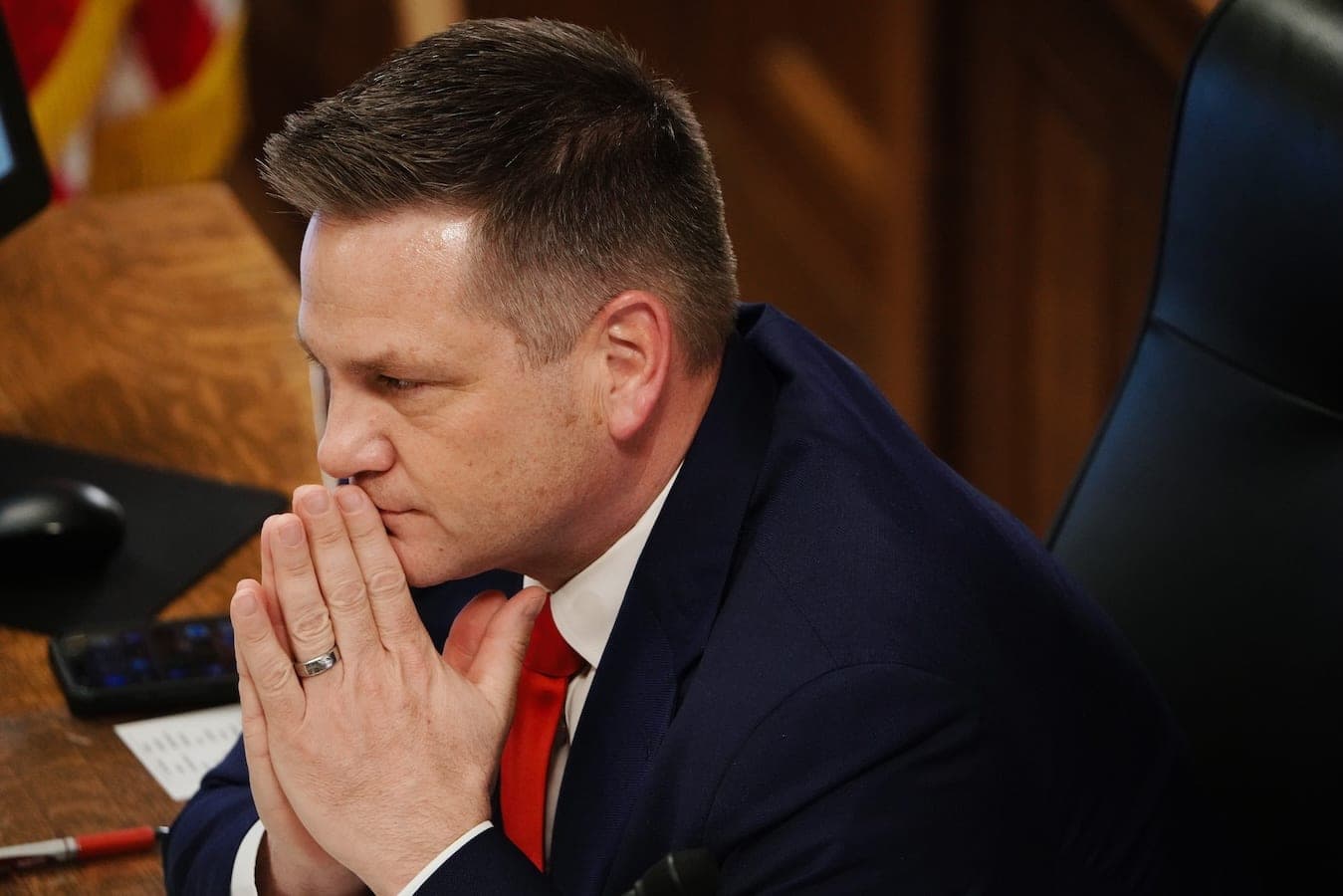
Wyoming Senate President Bo Biteman joins crowded field for U.S. House
Wyoming Senate President Bo Biteman announced Thursday he will run for U.S. House, joining an increasingly crowded field of candidates seeking the state’s sole congressional seat. “Wyoming needs a proven America First leader who will turn President Trump’s vision into real results for our state,” Biteman, R-Ranchester, said in a press release. “As a husband and father raising two daughters in Sheridan County, I want what every Wyoming family wants: for our kids to grow up here, find good jobs, build a life, and actually be able to afford it,” he said. Biteman is running for the seat now held by U.S. Rep. Harriet Hageman, who announced in December she would run for U.S. Senate. Hageman, meanwhile, is now running for the seat held by U.S. Sen. Cynthia Lummis, who is not seeking reelection. Biteman joins a field that already includes five Republicans: Casper business owner Reid Rasner; Secretary of State Chuck Gray; former Superintendent of Public Instruction Jillian Balow; U.S. Army veteran David Giralt; and Kevin Christensen, also a U.S. Army veteran. It remains to be seen whether Trump will weigh in with an endorsement, as he did in 2022 when he backed Hageman against then Rep. Liz Cheney. Such an endorsement would likely go a long way in a crowded Republican primary. Trump won Wyoming by a wider margin than any other state in the 2024 presidential election. Trump had backed Biteman in the past. In 2023, he encouraged Biteman to run for governor against Mark Gordon. Biteman moved to Wyoming after graduating from Michigan’s Grand Valley State University with a degree in business administration in 2002. He and his wife, Mercedes, have two daughters. For the last 23 years, Biteman has worked as a landman in the oil, gas and mining industries, according to his website. “He will fight every day to stand with our coal miners, oil and gas workers, and uranium producers and help President Trump deliver the affordable, reliable baseload energy that keeps our nation strong and our families’ budgets intact,” Biteman’s campaign announcement states. Other priorities Biteman highlighted in his campaign announcement include: “Protecting Wyoming’s Outdoor Heritage,” “Defending our God given Rights,” “Standing up for Wyoming Agriculture,” “Protecting the Unborn,” and “Supporting Wyoming Veterans and F.E. Warren Air Force Base.” Voters first elected Biteman in 2016 to Sheridan County’s House District 51, knocking off the second-highest ranking Republican in the House. In 2018, he successfully ran for Senate District 21, which he currently represents in the upper chamber. He chaired the Senate Revenue Committee from 2023 to 2024, and his legislative peers elected him as Senate President for the current term. House Judiciary Committee member Rep. Mark Jennings (R-Sheridan), center, consults with Rep. Tim Salazar (R-Dubois), left, during testimony from the Council of State Governments on justice reform in Laramie, Sept. 21, 2018. Rep. Bo Biteman (R-Ranchester) is on the right. (Andrew Graham/WyoFile) When Biteman first ran for the Legislature, some politicos objected to his campaign tactics, which included attack mailers. But in the final days of the 2026 session, many of Biteman’s Senate colleagues credited his presidency with restoring civility in the upper chamber after several turbulent years. “I don’t think there’s very many life experiences that allow us to see other people’s true character, like being in the confines of this Capitol — under pressure, under stress, fatigue, and all these big decisions we need to make on behalf of our constituents, that you really do get to see what people are made of,” Senate Majority Floor Leader Tara Nethercott said March 6 as several lawmakers gave closing remarks to the session. “And I have been blessed and honored from going from fighting like cats and dogs to knowing that President Biteman is a man of honor and courage and his moral compass points true north,” she said. As a lawmaker, Biteman has largely focused on gun rights, anti-abortion measures and tax reform. He also led the Wyoming Republican Party’s charge to put a stop to “crossover voting,” or registered Democrats, minor party or unaffiliated voters from changing their party affiliation to participate in the primary election as Republicans. “It’s been probably the most vetted bill this body has ever seen,” Biteman said on the Senate floor in 2025 as the body debated an anti-crossover voting bill. “It’s been shot at. It’s been nuclear-bombed. It’s been fumigated. It’s been thrown in the garbage can. It’s been beaten, dragged, you name it.” More recently, Biteman championed legislation to slash residential property taxes, and Trump gave him kudos for advancing a universal school voucher bill. In 2025, Biteman, alongside other members of Senate leadership, made the unprecedented decision not to pass a supplemental budget. “After weeks of diligent consideration, the Wyoming Senate has concluded that now is not the time to increase spending needlessly,” Senate leaders said in a joint statement Feb. 26, 2025. This year, Biteman successfully brought legislation to create the Wyoming Energy Dominance Fund, which set aside $105 million to provide grants and loans for energy-related applied research, demonstration, pilot projects and commercial development projects. He also sponsored legislation to revise Wyoming’s Second Amendment Protection Act, a law that imposes restrictions on enforcing federal gun directives within Wyoming’s borders. Law enforcement largely opposed the legislation. And after Gov. Mark Gordon vetoed the bill, the Senate failed to override the governor’s decision. More recently, Biteman has regularly squared off with the Wyoming Freedom Caucus, a group of Republicans who control the House. He also led the Senate in taking a decidedly different approach than House leadership when it came to addressing a controversy this year involving campaign checks being handed out to lawmakers at the Capitol. The official candidate filing period in Wyoming does not open until May 14. The post Wyoming Senate President Bo Biteman joins crowded field for U.S. House appeared first on WyoFile .