3 stories credited to ww2.kqed.org
Latest story Apr 16, 2026 · on ChamberLight since Apr 2026
A story can appear as several articles (copies of the same piece), so counts of stories and of articles differ.
Scores for ww2.kqed.org
Writing quality not enough rated stories yet: 3 of 10. How it is measured
Scores last checked Sep 25, 2026.
Stories ChamberLight collected, by month
Stories credited to ww2.kqed.org, by publication date. ChamberLight collects articles that mention the officials it tracks, so this shows its own coverage of this source, not how much the source publishes.
- Stories from ww2.kqed.org
- Shaded: ChamberLight collected no stories, or almost none, from any outlet (a gap in its collection, not in the outlet’s publishing)
Show as a table
| Month | Stories | All outlets |
|---|---|---|
| April 2026 | 3 | 3,898 |
| May 2026 | 0 | none collected |
| June 2026 | 0 | none collected |
| July 2026 | 0 | none collected |
| August 2026 | 0 | 1 (collection gap) |
| September 2026 | 0 | 1,320 |
Top topics
Share of this source’s stories tagged with each topic. A story can carry several topics, so the shares do not add up to 100%.
- Ethics/Corruption3
100% of 3 stories · 58% across all outlets
- Voting Rights2
67% of 3 stories · 19% across all outlets
- Budget/Spending1
33% of 3 stories · 31% across all outlets
- Criminal Justice1
33% of 3 stories · 19% across all outlets
- Economy1
33% of 3 stories · 26% across all outlets
The thin mark on each bar is the topic’s share across all outlets.
Who they cover
Party of the officials these stories are mainly about, across all 6 officials named. A story counts once for each official it is mainly about, so the split is over 6 story–official pairs, from 3 stories.
- Democrat83% · 5 pairs
- Party not recorded17% · 1 pair
Most covered
Stories mainly about each official, and their share of the source’s 3 stories.
Article tone
ChamberLight’s article analysis assigns each story a tone toward the official it covers. It describes the coverage of that official, not ww2.kqed.org’s stance, and reader votes do not change it. 3 stories.
- Good Look
- 0 (0%)
- Mixed
- 1 (33%)
- Informational
- 1 (33%)
- Bad Look
- 1 (33%)
Challenges to these scores
No one has challenged a score on this page yet. Anyone can; editors publish every outcome here.
Articles served from ww2.kqed.org
6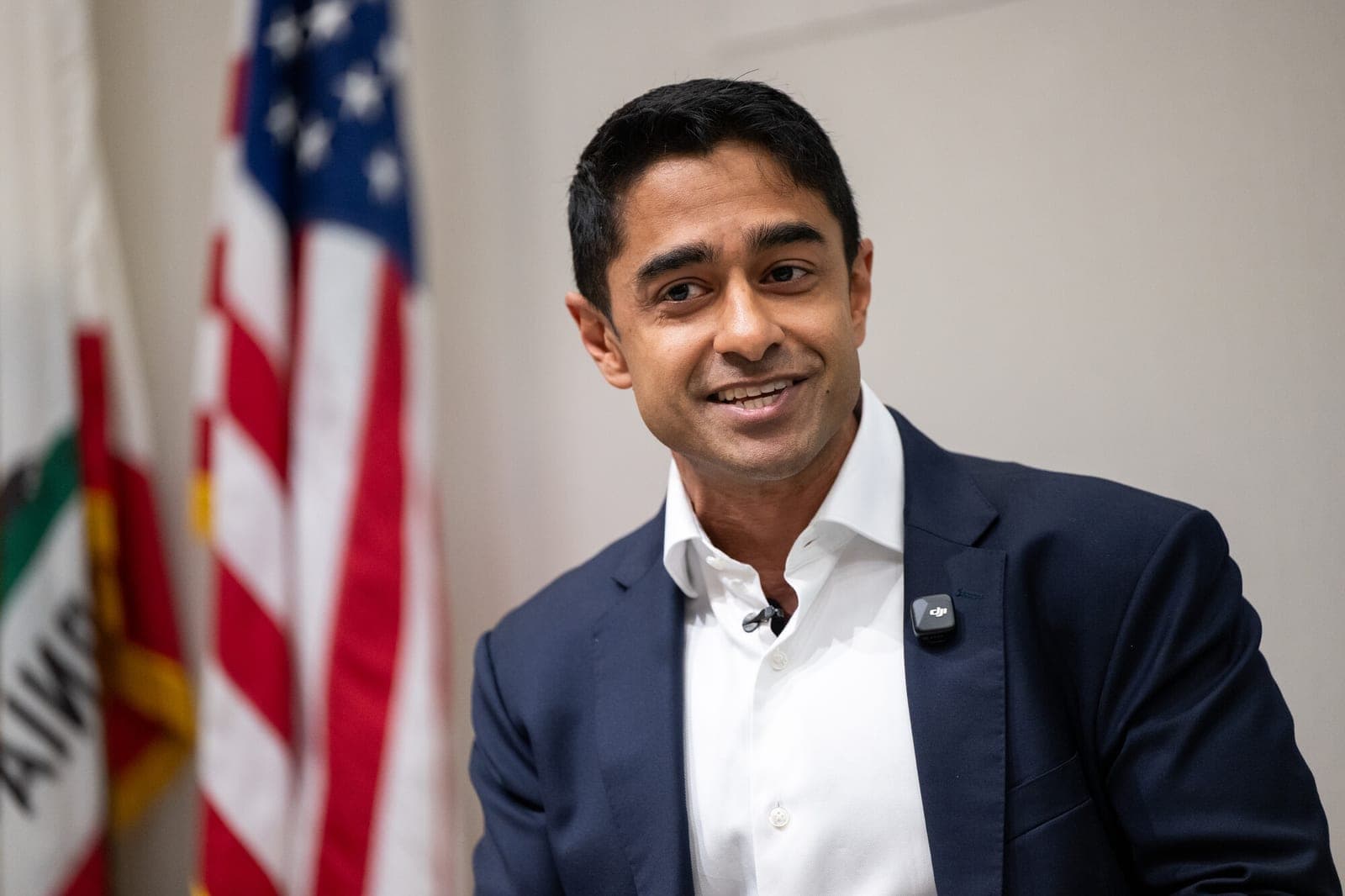
Big Money Pours Into San Francisco Race to Replace Rep. Nancy Pelosi
San Francisco’s leading congressional candidates are raking in dollars — some from their own pockets — in an effort to claim retiring Rep. Nancy Pelosi’s seat in the House of Representatives later this year. Pelosi, the former Speaker of the House who has represented San Francisco in Washington, D.C., for nearly 40 years, will retire in less than a year and already the race to replace the powerful Democrat is proving both intense and expensive. Saikat Chakrabarti, a progressive former tech engineer who worked on Vermont Sen. Bernie Sander’s presidential campaign and previously worked as chief of staff for New York Rep. Alexandria Ocasio-Cortez, has pulled in by far the most money, nearly $5.2 million, new campaign finance disclosures show. The vast majority of that, around $4.8 million, came from Chakrabarti, who is a centimillionaire, himself. Other donors contributed roughly $360,000 to the campaign. “That’s real people chipping in what they can because they believe we deserve a candidate who isn’t backed by tech billionaires and corporations representing San Francisco in D.C.,” said Tiffaney Bradley, communications director for Chakrabarti’s campaign. “We’re investing our resources in reaching more and more voters, knocking doors, showing up in communities and meeting people where they are.” Candidates running for California’s 11th Congressional District, (from left) Saikat Chakrabarti, state Sen. Scott Wiener, and San Francisco Supervisor Connie Chan, take part in a forum at UC Law San Francisco on Jan. 7, 2026. The forum was hosted by the Alice B. Toklas LGBTQ Democratic Club, the Harvey Milk LGBTQ Democratic Club, and the California Working Families Party, and was moderated by Bay Area Reporter news editor Cynthia Laird and Mission Local managing editor Joe Eskenazi. (Beth LaBerge/KQED) Chakrabarti’s opponents, who have significantly less hefty war chests, criticized him for pouring his personal wealth into the fight. “Saikat has already spent more on this race than every other candidate combined. Why? Because he is trying to cover up the skeletons in his closet from his six months in D.C. and make it look like he actually has ties to San Francisco. Newsflash: he doesn’t,” said Joe Arellano, campaign spokesperson for state Sen. Wiener, in a fiery statement. Wiener, a more moderate Democrat who is widely considered a frontrunner, has nabbed endorsements from groups like the California Democratic Party.He pulled in the second-most money, nearly $3.5 million from more than 3,300 donors since his campaign launched.He has also received support from tech donors, such as cryptocurrency billionaire Chris Larsen and Y-Combinator CEO Garry Tan. The two candidates have been using their millions in campaign dollars to boost their image in mailers, social media posts and on TV. Chakrabarti has flooded social media with edgy videos touting his plan to shake up the Democratic Party. Wiener recently used his funds to launch a TV ad campaign where the 6-foot-7 senator playfully feeds a giraffe at the San Francisco Zoo, a nod to “The Giraffe,” his nickname among some Chinese-American San Franciscans. Tension has ramped up between the pair, who exchanged tense jabs at a recent debate hosted by KQED. “Who’s funding these attack ads?” Chakrabarti said to Wiener at the debate, referring to mailers criticizing him. “They’re being funded by crypto billionaires who are Trump donors, by tech VCs.” State Sen. Scott Wiener, a candidate for California’s 11th Congressional District, participates in a forum with other candidates at UC Law San Francisco on Jan. 7, 2026. (Beth LaBerge/KQED) In response, Wiener said, “I got my little tiny violin out because let’s be clear: Mr. Chakrabarti has spent more of his tech, hedge-fund money than everyone else combined, including outside campaigns.” Also in the running is Supervisor Connie Chan, a progressive local politician who has raised around $456,000 so far, according to campaign filings. Chan, who immigrated to San Francisco’s Chinatown from Hong Kong as a child, has secured support from labor groups and politicians. But she’s struggled to keep up financially with Chakrabarti and Wiener. “Connie Chan is a longtime public servant. She is not bankrolled by billionaires. She is not a tech millionaire,” said Julie Edwards, a spokesperson for Chan’s campaign. “This is why she has the support of working people like teachers, nurses, firefighters, hotel workers, seniors, tenants and students — over 2000 individual donors — who will continue to power this campaign to victory on June 2.” Supervisor Connie Chan speaks during a debate with Saikat Chakrabarti and state Sen. Scott Wiener, fellow candidates for San Francisco’s U.S. House seat, in a co-sponsored event by KQED at the Sydney Goldstein Theater in San Francisco on March 31, 2026. (Beth LaBerge/KQED) Marie Hurabiell, a former Trump appointee to the Presidio Trust Board of Directors and Democrat whose views skew to the right of the other three Democratic candidates, quickly amassed more than $420,000 for her campaign. Filings show that around $100,000 of those funds came from Hurabiell herself. “Obviously, San Franciscans want a viable moderate candidate for Congress,” Hurabiell said in a statement to KQED. The primary election will be held June 2, and the top two contenders will advance to a general election in November.
Big Money Pours Into San Francisco Race to Replace Rep. Nancy Pelosi
San Francisco’s leading congressional candidates are raking in dollars — some from their own pockets — in an effort to claim retiring Rep. Nancy Pelosi’s seat in the House of Representatives later this year. Pelosi, the former Speaker of the House who has represented San Francisco in Washington, D.C., for nearly 40 years, will retire in less than a year and already the race to replace the powerful Democrat is proving both intense and expensive. Saikat Chakrabarti, a progressive former tech engineer who worked on Vermont Sen. Bernie Sander’s presidential campaign and previously worked as chief of staff for New York Rep. Alexandria Ocasio-Cortez, has pulled in by far the most money, nearly $5.2 million, new campaign finance disclosures show. The vast majority of that, around $4.8 million, came from Chakrabarti, who is a centimillionaire, himself. Other donors contributed roughly $360,000 to the campaign. “That’s real people chipping in what they can because they believe we deserve a candidate who isn’t backed by tech billionaires and corporations representing San Francisco in D.C.,” said Tiffaney Bradley, communications director for Chakrabarti’s campaign. “We’re investing our resources in reaching more and more voters, knocking doors, showing up in communities and meeting people where they are.” Candidates running for California’s 11th Congressional District, (from left) Saikat Chakrabarti, state Sen. Scott Wiener, and San Francisco Supervisor Connie Chan, take part in a forum at UC Law San Francisco on Jan. 7, 2026. The forum was hosted by the Alice B. Toklas LGBTQ Democratic Club, the Harvey Milk LGBTQ Democratic Club, and the California Working Families Party, and was moderated by Bay Area Reporter news editor Cynthia Laird and Mission Local managing editor Joe Eskenazi. (Beth LaBerge/KQED) Chakrabarti’s opponents, who have significantly less hefty war chests, criticized him for pouring his personal wealth into the fight. “Saikat has already spent more on this race than every other candidate combined. Why? Because he is trying to cover up the skeletons in his closet from his six months in D.C. and make it look like he actually has ties to San Francisco. Newsflash: he doesn’t,” said Joe Arellano, campaign spokesperson for state Sen. Wiener, in a fiery statement. Wiener, a more moderate Democrat who is widely considered a frontrunner, has nabbed endorsements from groups like the California Democratic Party.He pulled in the second-most money, nearly $3.5 million from more than 3,300 donors since his campaign launched.He has also received support from tech donors, such as cryptocurrency billionaire Chris Larsen and Y-Combinator CEO Garry Tan. The two candidates have been using their millions in campaign dollars to boost their image in mailers, social media posts and on TV. Chakrabarti has flooded social media with edgy videos touting his plan to shake up the Democratic Party. Wiener recently used his funds to launch a TV ad campaign where the 6-foot-7 senator playfully feeds a giraffe at the San Francisco Zoo, a nod to “The Giraffe,” his nickname among some Chinese-American San Franciscans. Tension has ramped up between the pair, who exchanged tense jabs at a recent debate hosted by KQED. “Who’s funding these attack ads?” Chakrabarti said to Wiener at the debate, referring to mailers criticizing him. “They’re being funded by crypto billionaires who are Trump donors, by tech VCs.” State Sen. Scott Wiener, a candidate for California’s 11th Congressional District, participates in a forum with other candidates at UC Law San Francisco on Jan. 7, 2026. (Beth LaBerge/KQED) In response, Wiener said, “I got my little tiny violin out because let’s be clear: Mr. Chakrabarti has spent more of his tech, hedge-fund money than everyone else combined, including outside campaigns.” Also in the running is Supervisor Connie Chan, a progressive local politician who has raised around $456,000 so far, according to campaign filings. Chan, who immigrated to San Francisco’s Chinatown from Hong Kong as a child, has secured support from labor groups and politicians. But she’s struggled to keep up financially with Chakrabarti and Wiener. “Connie Chan is a longtime public servant. She is not bankrolled by billionaires. She is not a tech millionaire,” said Julie Edwards, a spokesperson for Chan’s campaign. “This is why she has the support of working people like teachers, nurses, firefighters, hotel workers, seniors, tenants and students — over 2000 individual donors — who will continue to power this campaign to victory on June 2.” Supervisor Connie Chan speaks during a debate with Saikat Chakrabarti and state Sen. Scott Wiener, fellow candidates for San Francisco’s U.S. House seat, in a co-sponsored event by KQED at the Sydney Goldstein Theater in San Francisco on March 31, 2026. (Beth LaBerge/KQED) Marie Hurabiell, a former Trump appointee to the Presidio Trust Board of Directors and Democrat whose views skew to the right of the other three Democratic candidates, quickly amassed more than $420,000 for her campaign. Filings show that around $100,000 of those funds came from Hurabiell herself. “Obviously, San Franciscans want a viable moderate candidate for Congress,” Hurabiell said in a statement to KQED. The primary election will be held June 2, and the top two contenders will advance to a general election in November.
Voters Weigh Allegations as Ethics Inquiry, Criminal Probes Grow for Swalwell
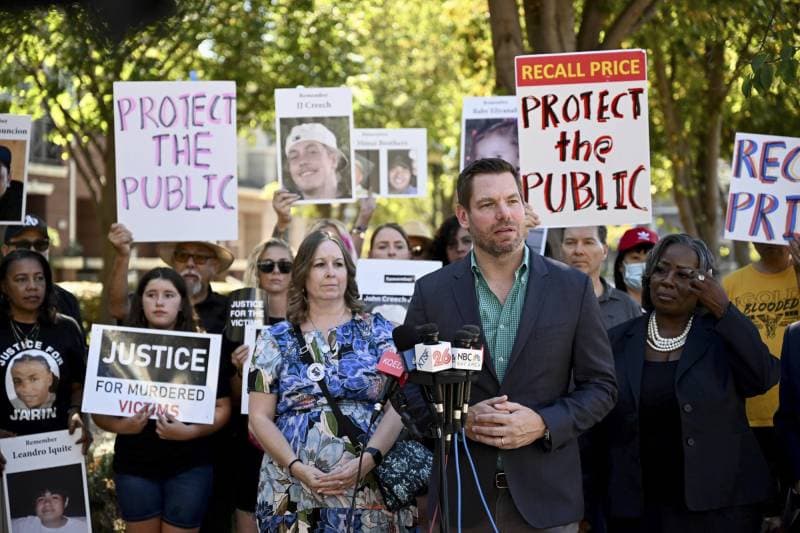
After sexual assault allegations against Rep. Eric Swalwell surfaced late last week, constituents in his East Bay district expressed a mix of skepticism and disappointment, even before the congressman moved to end his campaign for California governor. Speaking at Stoneridge Shopping Center in Pleasanton on Sunday, hours before Swalwell dropped out, Julie Valentine of Livermore questioned the timing of the allegations. “It just seems a little too opportunistic that it happens at this moment,” she said. “I think that this kind of thing destroys careers, so it’s probably over, but who knows if it’s true or not, we’ll find out.” At the same location, Melissa Estepa of Hayward said she felt let down by a candidate she had once viewed as a rising political figure. “I was really excited about him and thought he would be the prime candidate,” she said. “It’s just another man in power abusing women. So it’s not surprising, but it’s still very disappointing.” Swalwell announced Sunday that he was dropping out of the governor’s race as pressure mounted from fellow Democrats and former aides. He resigned from Congress on Monday. Rep. Eric Swalwell addresses the press in Hayward on Mar. 9, 2026. (Martin do Nascimento/KQED) The swift political downfall accelerated Friday after the San Francisco Chronicle published interviews in which an unnamed former staff member alleged that Swalwell sexually assaulted her in both 2019 and 2024 when she was too intoxicated to consent. She said the encounters followed repeated advances from the East Bay congressman, both on Snapchat and in person. Later Friday, CNN aired an interview with the same woman and reported that three additional women also made sexual misconduct allegations against the congressman, including allegations that he sent unsolicited nude photos and explicit text messages. Swalwell has denied the allegations, calling them “flat false,” and said in a video posted Friday that the encounters “did not happen.” “I will fight them with everything that I have,” he said.The Alameda County District Attorney’s Office said it is evaluating whether any alleged criminal conduct occurred within the county and described the accusations as “deeply concerning and disturbing.” The Manhattan District Attorney’s Office has also reportedly opened an investigation into the 2024 allegation, which the accuser said occurred in New York. Swalwell has not been charged with a crime. A representative for Swalwell did not immediately respond to a request for comment following his decision to end his campaign. Swalwell is under investigation by the House Committee on Ethics over allegations of sexual misconduct. “The committee has begun an investigation and will gather additional information regarding whether Rep. Eric Swalwell violated the Code of Official Conduct or any law,” the panel said Monday. The political fallout widened over the weekend. Rep. Ro Khanna, D-Santa Clara, said he supports ethics and law enforcement investigations, telling Fox News: “This shouldn’t be about politics … anyone who abuses, uh, young girls and staffers should not be in the United States Congress.” U.S. Rep. Ro Khanna, D-California, speaks during a press conference with (L-R) committee ranking member Rep. Robert Garcia, D-California, Rep. Suhas Subramanyam, D-Virginia, and Rep. Wesley Bell, D-Missouri, as former U.S. President Bill Clinton testifies in a closed-door deposition with the House Oversight Committee, at the Chappaqua Performing Arts Center on Feb. 27, 2026, in Chappaqua, New York. (David Dee Delgado/Getty Images) Rep. Sam Liccardo, D-San José, said credible claims require a full investigation and that Swalwell should resign if the allegations are substantiated. Rep. Jared Huffman, D-California, said he would support expelling Swalwell from Congress if he does not resign, saying he has seen enough to back such a vote. More than 50 former staffers of Swalwell issued a public letter calling the allegations “serious” and “credible,” urging him to resign from Congress and withdraw from the governor’s race. “We believe her,” the letter said, adding that the allegations “cannot be dismissed or deflected” and calling for a full law enforcement investigation. KQED’s Otis R. Taylor Jr. contributed to this story.
House Democrats Hold ‘Shadow Hearing’ in San Francisco to Defend Elections
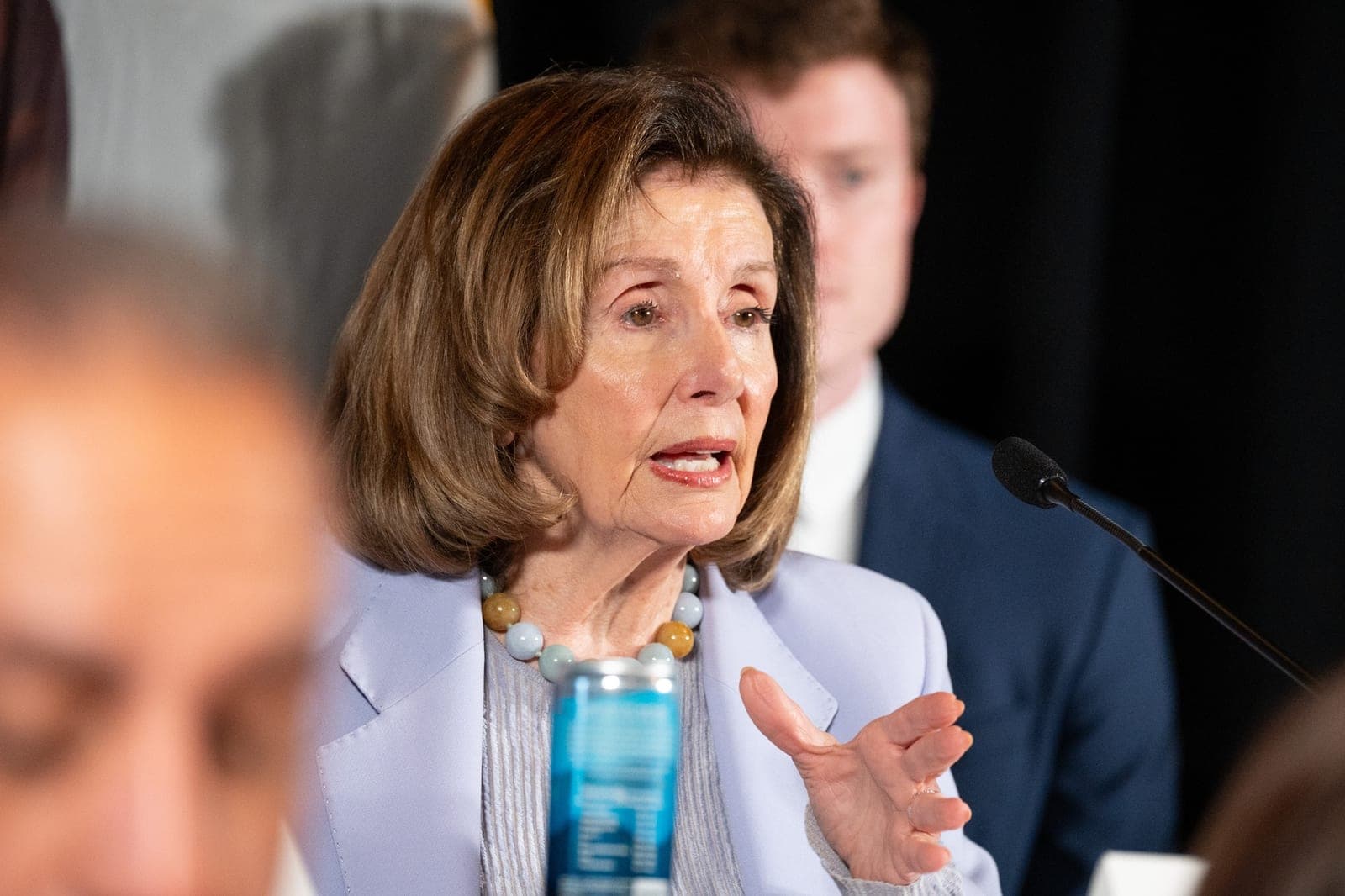
House Democrats raised alarms about what they call President Donald Trump’s attempts to undermine the November elections in San Francisco Thursday — while simultaneously reassuring voters that there will be free and fair elections this fall. Rep. Nancy Pelosi, along with four other Democratic members of Congress, held a “shadow” hearing with experts to push their message that Americans should trust local and state election officials and the electoral system in general. They also encouraged Americans to vote as early as possible this fall. “As I travel the country, what I hear the most from people, ‘Is there going to be an election?’” Pelosi said, after the 90-minute hearing. “Of course, there’s going to be an election. There’s always been an election, even during the Civil War. But we anticipate a set of challenges now.” Pelosi and New York Rep. Joe Morelle, the ranking member of the Committee on House Administration, said they are worried by both Trump’s rhetoric and his actions: His ongoing, debunked claims of widespread election fraud and his threats to send immigration and other federal law enforcement to polling locations; his recent executive orders seeking to eliminate or curb voting by mail and; his support for legislation that would make it more difficult to register to vote; and his administration’s recent attempts to interfere with state voter rolls and seize election records. Thursday’s hearing followed a similar forum Tuesday in Los Angeles. The events are considered “shadow” hearings because they are being held by the minority party on issues that Republicans won’t schedule. Congressman Joseph Morelle speaks at an election hearings held at the Japanese American National Museum on Tuesday, April 7, 2026. The hearings, one in LA and one in San Francisco, were being held to address midterm elections under a Trump administration. Democrats have accused President Trump and Republicans of attempting to “take over our elections and attack our democracy. (Photo by David Crane/MediaNews Group/Los Angeles Daily News via Getty Images) The panel said they believe most of Trump’s attempts to seize control of election administration from the states or change the rules governing voting are illegal, but still stand to confuse and intimidate voters. They noted that voter fraud is exceedingly rare, and that American elections are considered incredibly secure. “We take these threats seriously,” said Morelle. “Our job here isn’t to tip the scales for the Democrats. Our job is to make sure that the American people have their voice heard.The problem is the President is unwilling and is afraid of the verdict that’s going to be delivered. … and that’s why he’s trying to change the rules to stop so many people from casting their ballot and exercising their franchise.” The San Francisco event, held at UC Law San Francisco, included Bay Area Reps. Mark DeSaulnier, Kevin Mullen and Mike Thompson and experts including UC Law professor Rory Little, former California Secretary of State Kevin Shelley and Brian Renfroe, president of the National Association of Letter Carriers, a union representing U.S. Postal Service workers. Renfroe discussed the difficult position his members are facing after Trump’s recent executive order, which directs the service to effectively take control of voting by mail by designing new envelopes for ballots and refusing to deliver those unless voters appear on a federally created list of eligible voters. The order is currently on hold while it is challenged in court. “Operationally, we’re not even sure how this could be done,” Renfroe said. “It is very concerning — to attempt to invoke a beloved agency that has always been free of any sort of partisan political activity that the American people trust to do something such as verify voter eligibility.” U.S. Senate Majority Leader John Thune (R-SD) speaks at a press conference on March 21, 2026 in Washington, DC. The Senate is planning to debate and vote on the Safeguard American Voter Eligibility Act, called the SAVE America Act. (Tasos Katopodis/Getty Images) Little, the law professor, took aim at legislation championed by Trump and House Republicans, which would require voters to prove citizenship in person when they register and require states to submit their voter rolls to the Department of Homeland Security. He said the measure, the Safeguard American Voter Eligibility Act or SAVE Act, would do nothing to promote election security but would disenfranchise voters —particularly those without birth certificates or whose birth certificates don’t match their current name. “The current sponsors of the so-called Save America Act should be constitutionally ashamed,” he said. “There’s no demonstrated problem of non-citizen voting in this country. Another fact, there’s no demonstrated problem of mail and ballot fraud in America. And here’s another fact — women who have changed their names upon marriage, often Republican women we might know, are going to be surprised to learn that now they have to travel far to understaffed election offices to re-register in person to secure their right to vote.”
House Democrats Hold ‘Shadow Hearing’ in San Francisco to Defend Elections
House Democrats raised alarms about what they call President Donald Trump’s attempts to undermine the November elections in San Francisco Thursday — while simultaneously reassuring voters that there will be free and fair elections this fall. Rep. Nancy Pelosi, along with four other Democratic members of Congress, held a “shadow” hearing with experts to push their message that Americans should trust local and state election officials and the electoral system in general. They also encouraged Americans to vote as early as possible this fall. “As I travel the country, what I hear the most from people, ‘Is there going to be an election?’” Pelosi said, after the 90-minute hearing. “Of course, there’s going to be an election. There’s always been an election, even during the Civil War. But we anticipate a set of challenges now.” Pelosi and New York Rep. Joe Morelle, the ranking member of the Committee on House Administration, said they are worried by both Trump’s rhetoric and his actions: His ongoing, debunked claims of widespread election fraud and his threats to send immigration and other federal law enforcement to polling locations; his recent executive orders seeking to eliminate or curb voting by mail and; his support for legislation that would make it more difficult to register to vote; and his administration’s recent attempts to interfere with state voter rolls and seize election records. Thursday’s hearing followed a similar forum Tuesday in Los Angeles. The events are considered “shadow” hearings because they are being held by the minority party on issues that Republicans won’t schedule. Congressman Joseph Morelle speaks at an election hearings held at the Japanese American National Museum on Tuesday, April 7, 2026. The hearings, one in LA and one in San Francisco, were being held to address midterm elections under a Trump administration. Democrats have accused President Trump and Republicans of attempting to “take over our elections and attack our democracy. (Photo by David Crane/MediaNews Group/Los Angeles Daily News via Getty Images) The panel said they believe most of Trump’s attempts to seize control of election administration from the states or change the rules governing voting are illegal, but still stand to confuse and intimidate voters. They noted that voter fraud is exceedingly rare, and that American elections are considered incredibly secure. “We take these threats seriously,” said Morelle. “Our job here isn’t to tip the scales for the Democrats. Our job is to make sure that the American people have their voice heard.The problem is the President is unwilling and is afraid of the verdict that’s going to be delivered. … and that’s why he’s trying to change the rules to stop so many people from casting their ballot and exercising their franchise.” The San Francisco event, held at UC Law San Francisco, included Bay Area Reps. Mark DeSaulnier, Kevin Mullen and Mike Thompson and experts including UC Law professor Rory Little, former California Secretary of State Kevin Shelley and Brian Renfroe, president of the National Association of Letter Carriers, a union representing U.S. Postal Service workers. Renfroe discussed the difficult position his members are facing after Trump’s recent executive order, which directs the service to effectively take control of voting by mail by designing new envelopes for ballots and refusing to deliver those unless voters appear on a federally created list of eligible voters. The order is currently on hold while it is challenged in court. “Operationally, we’re not even sure how this could be done,” Renfroe said. “It is very concerning — to attempt to invoke a beloved agency that has always been free of any sort of partisan political activity that the American people trust to do something such as verify voter eligibility.” U.S. Senate Majority Leader John Thune (R-SD) speaks at a press conference on March 21, 2026 in Washington, DC. The Senate is planning to debate and vote on the Safeguard American Voter Eligibility Act, called the SAVE America Act. (Tasos Katopodis/Getty Images) Little, the law professor, took aim at legislation championed by Trump and House Republicans, which would require voters to prove citizenship in person when they register and require states to submit their voter rolls to the Department of Homeland Security. He said the measure, the Safeguard American Voter Eligibility Act or SAVE Act, would do nothing to promote election security but would disenfranchise voters —particularly those without birth certificates or whose birth certificates don’t match their current name. “The current sponsors of the so-called Save America Act should be constitutionally ashamed,” he said. “There’s no demonstrated problem of non-citizen voting in this country. Another fact, there’s no demonstrated problem of mail and ballot fraud in America. And here’s another fact — women who have changed their names upon marriage, often Republican women we might know, are going to be surprised to learn that now they have to travel far to understaffed election offices to re-register in person to secure their right to vote.”
House Democrats Hold ‘Shadow Hearing’ in San Francisco to Defend Elections
House Democrats raised alarms about what they call President Donald Trump’s attempts to undermine the November elections in San Francisco Thursday — while simultaneously reassuring voters that there will be free and fair elections this fall. Rep. Nancy Pelosi, along with four other Democratic members of Congress, held a “shadow” hearing with experts to push their message that Americans should trust local and state election officials and the electoral system in general. They also encouraged Americans to vote as early as possible this fall. “As I travel the country, what I hear the most from people, ‘Is there going to be an election?’” Pelosi said, after the 90-minute hearing. “Of course, there’s going to be an election. There’s always been an election, even during the Civil War. But we anticipate a set of challenges now.” Pelosi and New York Rep. Joe Morelle, the ranking member of the Committee on House Administration, said they are worried by both Trump’s rhetoric and his actions: His ongoing, debunked claims of widespread election fraud and his threats to send immigration and other federal law enforcement to polling locations; his recent executive orders seeking to eliminate or curb voting by mail and; his support for legislation that would make it more difficult to register to vote; and his administration’s recent attempts to interfere with state voter rolls and seize election records. Thursday’s hearing followed a similar forum Tuesday in Los Angeles. The events are considered “shadow” hearings because they are being held by the minority party on issues that Republicans won’t schedule. Congressman Joseph Morelle speaks at an election hearings held at the Japanese American National Museum on Tuesday, April 7, 2026. The hearings, one in LA and one in San Francisco, were being held to address midterm elections under a Trump administration. Democrats have accused President Trump and Republicans of attempting to “take over our elections and attack our democracy. (Photo by David Crane/MediaNews Group/Los Angeles Daily News via Getty Images) The panel said they believe most of Trump’s attempts to seize control of election administration from the states or change the rules governing voting are illegal, but still stand to confuse and intimidate voters. They noted that voter fraud is exceedingly rare, and that American elections are considered incredibly secure. “We take these threats seriously,” said Morelle. “Our job here isn’t to tip the scales for the Democrats. Our job is to make sure that the American people have their voice heard.The problem is the President is unwilling and is afraid of the verdict that’s going to be delivered. … and that’s why he’s trying to change the rules to stop so many people from casting their ballot and exercising their franchise.” The San Francisco event, held at UC Law San Francisco, included Bay Area Reps. Mark DeSaulnier, Kevin Mullen and Mike Thompson and experts including UC Law professor Rory Little, former California Secretary of State Kevin Shelley and Brian Renfroe, president of the National Association of Letter Carriers, a union representing U.S. Postal Service workers. Renfroe discussed the difficult position his members are facing after Trump’s recent executive order, which directs the service to effectively take control of voting by mail by designing new envelopes for ballots and refusing to deliver those unless voters appear on a federally created list of eligible voters. The order is currently on hold while it is challenged in court. “Operationally, we’re not even sure how this could be done,” Renfroe said. “It is very concerning — to attempt to invoke a beloved agency that has always been free of any sort of partisan political activity that the American people trust to do something such as verify voter eligibility.” U.S. Senate Majority Leader John Thune (R-SD) speaks at a press conference on March 21, 2026 in Washington, DC. The Senate is planning to debate and vote on the Safeguard American Voter Eligibility Act, called the SAVE America Act. (Tasos Katopodis/Getty Images) Little, the law professor, took aim at legislation championed by Trump and House Republicans, which would require voters to prove citizenship in person when they register and require states to submit their voter rolls to the Department of Homeland Security. He said the measure, the Safeguard American Voter Eligibility Act or SAVE Act, would do nothing to promote election security but would disenfranchise voters —particularly those without birth certificates or whose birth certificates don’t match their current name. “The current sponsors of the so-called Save America Act should be constitutionally ashamed,” he said. “There’s no demonstrated problem of non-citizen voting in this country. Another fact, there’s no demonstrated problem of mail and ballot fraud in America. And here’s another fact — women who have changed their names upon marriage, often Republican women we might know, are going to be surprised to learn that now they have to travel far to understaffed election offices to re-register in person to secure their right to vote.”