1 story credited to The Tech Edvocate
Latest story Apr 14, 2026 · on ChamberLight since Apr 2026
A story can appear as several articles (copies of the same piece), so counts of stories and of articles differ.
Scores for The Tech Edvocate
Writing quality not enough rated stories yet: 1 of 10. How it is measured
Scores last checked Sep 25, 2026.
Stories ChamberLight collected, by month
Stories credited to The Tech Edvocate, by publication date. ChamberLight collects articles that mention the officials it tracks, so this shows its own coverage of this source, not how much the source publishes.
- Stories from The Tech Edvocate
- Shaded: ChamberLight collected no stories, or almost none, from any outlet (a gap in its collection, not in the outlet’s publishing)
Show as a table
| Month | Stories | All outlets |
|---|---|---|
| April 2026 | 1 | 2,921 |
| May 2026 | 0 | none collected |
| June 2026 | 0 | none collected |
| July 2026 | 0 | none collected |
| August 2026 | 0 | 1 (collection gap) |
| September 2026 | 0 | 1,320 |
Top topics
Share of this source’s stories tagged with each topic. A story can carry several topics, so the shares do not add up to 100%.
- Defense/Military1
100% of 1 stories · 25% across all outlets
- Foreign Policy1
100% of 1 stories · 29% across all outlets
- Technology/Privacy1
100% of 1 stories · 10% across all outlets
The thin mark on each bar is the topic’s share across all outlets.
Who they cover
Party of the officials these stories are mainly about, across all 2 officials named. A story counts once for each official it is mainly about, so the split is over 2 story–official pairs, from 1 story.
- Democrat50% · 1 pair
- Republican50% · 1 pair
Most covered
Stories mainly about each official, and their share of the source’s 1 story.
Article tone
ChamberLight’s article analysis assigns each story a tone toward the official it covers. It describes the coverage of that official, not The Tech Edvocate’s stance, and reader votes do not change it. 1 story.
- Good Look
- 0 (0%)
- Mixed
- 1 (100%)
- Informational
- 0 (0%)
- Bad Look
- 0 (0%)
Challenges to these scores
No one has challenged a score on this page yet. Anyone can; editors publish every outcome here.
Articles served from thetechedvocate.org
2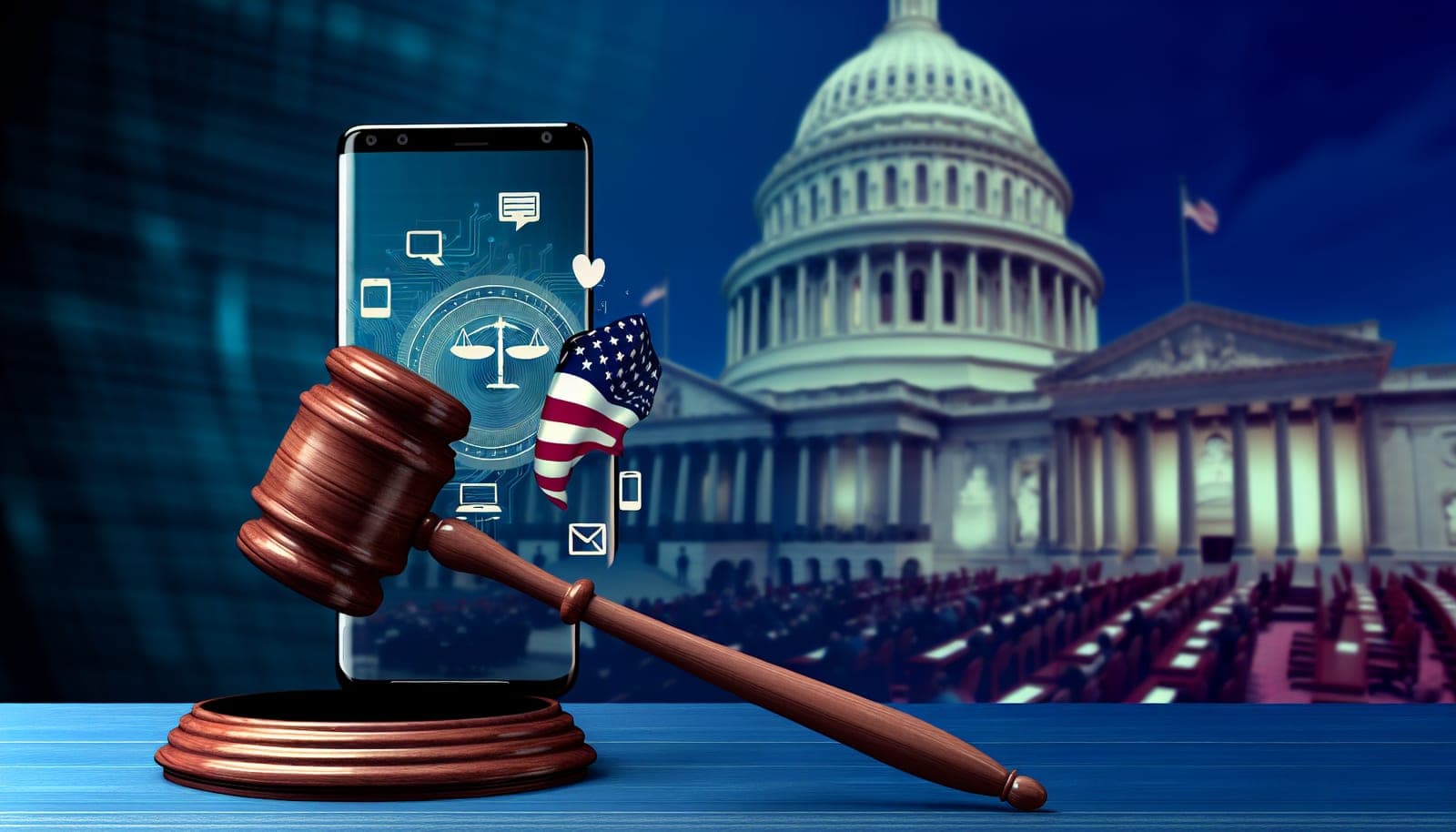
U.S. Senate Advances Legislation That Could Lead to TikTok’s Nationwide Ban
In a significant move reflecting deepening concerns over national security and data privacy, the U.S. Senate has passed a bill that could lead to a nationwide ban on TikTok unless its parent company, ByteDance, divests its ownership. The measure, which garnered broad bipartisan support, was approved with a decisive 78-22 vote on April 14, 2026. Bipartisan Support Amid Security Concerns The legislation is a product of growing apprehension regarding the Chinese government’s access to data collected from TikTok’s 170 million American users. Senate Majority Leader Chuck Schumer and Senator Marco Rubio were prominent figures behind the bill, emphasizing the necessity for robust measures to protect user data from foreign interference. “We cannot allow a foreign adversary to have access to the private information of American citizens,” said Schumer during a press conference following the vote. Rubio echoed these sentiments, stating that the bill is crucial for safeguarding U.S. national interests. The Implications of the Legislation If signed into law, the legislation would require ByteDance to sell TikTok within a specified timeframe. Failure to comply would result in a nationwide prohibition of the app, a drastic measure that could upend the social media landscape in the U.S. and have significant repercussions for the platform’s financial viability. Reports indicate that TikTok generates approximately $20 billion in advertising revenue annually within the United States, making it a key player in the digital marketing ecosystem. A ban could not only disrupt revenue streams but also impact the businesses that rely heavily on TikTok for marketing and engagement. User Backlash and Protests As news of the legislation spread, TikTok users began expressing their discontent on the platform. Many creators and influencers are mobilizing their audiences to voice opposition against the potential ban, arguing that it could infringe on their freedom of expression and economic opportunities. User Protests: TikTok users have started hashtags like #SaveTikTok, urging followers to contact their representatives. Content Creators: Many influencers are concerned about losing their primary source of income and audience engagement. Public Sentiment: A growing number of users are sharing personal stories about how TikTok has positively impacted their lives. Background on TikTok’s Challenges TikTok has faced scrutiny since its rise to popularity, especially concerning its ties to China. Lawmakers have raised alarms over the app’s data collection practices and the potential for the Chinese government to access user information. These concerns have resulted in a series of investigations and calls for regulatory action. In recent years, the platform has attempted to assuage fears by increasing transparency and implementing measures to protect user data. However, the bipartisan support for this new legislation indicates that many lawmakers believe these efforts have not gone far enough. Future of TikTok in the U.S. The bill now moves to the President’s desk for signature, where its future remains uncertain. If signed, it would mark a pivotal moment in the ongoing debate about data privacy, national security, and the role of foreign-owned technology companies in the American market. Experts predict that if the ban is implemented, it could set a precedent for similar actions against other foreign tech companies, raising questions about the implications for international digital commerce and user privacy rights. Conclusion The U.S. Senate’s decisive action against TikTok highlights the increasing urgency of addressing national security concerns in the digital age. As the legislation progresses, the impact on users, businesses, and the broader social media landscape remains to be seen. The outcome of this situation could reshape how foreign technology companies operate in the United States and may usher in a new era of scrutiny regarding data privacy. The post U.S. Senate Advances Legislation That Could Lead to TikTok’s Nationwide Ban appeared first on The Tech Edvocate.
U.S. Senate Advances Legislation That Could Lead to TikTok’s Nationwide Ban
In a significant move reflecting deepening concerns over national security and data privacy, the U.S. Senate has passed a bill that could lead to a nationwide ban on TikTok unless its parent company, ByteDance, divests its ownership. The measure, which garnered broad bipartisan support, was approved with a decisive 78-22 vote on April 14, 2026. Bipartisan Support Amid Security Concerns The legislation is a product of growing apprehension regarding the Chinese government’s access to data collected from TikTok’s 170 million American users. Senate Majority Leader Chuck Schumer and Senator Marco Rubio were prominent figures behind the bill, emphasizing the necessity for robust measures to protect user data from foreign interference. “We cannot allow a foreign adversary to have access to the private information of American citizens,” said Schumer during a press conference following the vote. Rubio echoed these sentiments, stating that the bill is crucial for safeguarding U.S. national interests. The Implications of the Legislation If signed into law, the legislation would require ByteDance to sell TikTok within a specified timeframe. Failure to comply would result in a nationwide prohibition of the app, a drastic measure that could upend the social media landscape in the U.S. and have significant repercussions for the platform’s financial viability. Reports indicate that TikTok generates approximately $20 billion in advertising revenue annually within the United States, making it a key player in the digital marketing ecosystem. A ban could not only disrupt revenue streams but also impact the businesses that rely heavily on TikTok for marketing and engagement. User Backlash and Protests As news of the legislation spread, TikTok users began expressing their discontent on the platform. Many creators and influencers are mobilizing their audiences to voice opposition against the potential ban, arguing that it could infringe on their freedom of expression and economic opportunities. User Protests: TikTok users have started hashtags like #SaveTikTok, urging followers to contact their representatives. Content Creators: Many influencers are concerned about losing their primary source of income and audience engagement. Public Sentiment: A growing number of users are sharing personal stories about how TikTok has positively impacted their lives. Background on TikTok’s Challenges TikTok has faced scrutiny since its rise to popularity, especially concerning its ties to China. Lawmakers have raised alarms over the app’s data collection practices and the potential for the Chinese government to access user information. These concerns have resulted in a series of investigations and calls for regulatory action. In recent years, the platform has attempted to assuage fears by increasing transparency and implementing measures to protect user data. However, the bipartisan support for this new legislation indicates that many lawmakers believe these efforts have not gone far enough. Future of TikTok in the U.S. The bill now moves to the President’s desk for signature, where its future remains uncertain. If signed, it would mark a pivotal moment in the ongoing debate about data privacy, national security, and the role of foreign-owned technology companies in the American market. Experts predict that if the ban is implemented, it could set a precedent for similar actions against other foreign tech companies, raising questions about the implications for international digital commerce and user privacy rights. Conclusion The U.S. Senate’s decisive action against TikTok highlights the increasing urgency of addressing national security concerns in the digital age. As the legislation progresses, the impact on users, businesses, and the broader social media landscape remains to be seen. The outcome of this situation could reshape how foreign technology companies operate in the United States and may usher in a new era of scrutiny regarding data privacy. The post U.S. Senate Advances Legislation That Could Lead to TikTok’s Nationwide Ban appeared first on The Tech Edvocate.