7 stories credited to Spotlight PA
Latest story Sep 23, 2026 · on ChamberLight since Apr 2026
A story can appear as several articles (copies of the same piece), so counts of stories and of articles differ.
Scores for Spotlight PA
Writing quality not enough rated stories yet: 7 of 10. How it is measured
Scores last checked Sep 25, 2026.
Stories ChamberLight collected, by month
Stories credited to Spotlight PA, by publication date. ChamberLight collects articles that mention the officials it tracks, so this shows its own coverage of this source, not how much the source publishes.
- Stories from Spotlight PA
- Shaded: ChamberLight collected no stories, or almost none, from any outlet (a gap in its collection, not in the outlet’s publishing)
Show as a table
| Month | Stories | All outlets |
|---|---|---|
| March 2026 | 1 | 148 |
| April 2026 | 3 | 4,538 |
| May 2026 | 0 | none collected |
| June 2026 | 0 | none collected |
| July 2026 | 0 | none collected |
| August 2026 | 0 | 1 (collection gap) |
| September 2026 | 3 | 1,320 |
Top topics
Share of this source’s stories tagged with each topic. A story can carry several topics, so the shares do not add up to 100%.
- Economy5
71% of 7 stories · 26% across all outlets
- Immigration3
43% of 7 stories · 13% across all outlets
- Taxes3
43% of 7 stories · 5% across all outlets
- Budget/Spending2
29% of 7 stories · 31% across all outlets
- Ethics/Corruption2
29% of 7 stories · 58% across all outlets
- Labor/Unions2
29% of 7 stories · 4% across all outlets
- Foreign Policy1
14% of 7 stories · 29% across all outlets
- Healthcare1
14% of 7 stories · 8% across all outlets
The thin mark on each bar is the topic’s share across all outlets.
Who they cover
Party of the officials these stories are mainly about, across all 14 officials named. A story counts once for each official it is mainly about, so the split is over 16 story–official pairs, from 7 stories.
- Republican69% · 11 pairs
- Party not recorded19% · 3 pairs
- Democrat13% · 2 pairs
Most covered
Stories mainly about each official, and their share of the source’s 7 stories.
- 1Markwayne MullinR2 stories · 29%
- 2Scott PerryR2 stories · 29%
- 3Amy KlobucharD1 story · 14%
- 4Brian FitzpatrickR1 story · 14%
- 5Darrell IssaR1 story · 14%
- 6Donald TrumpR1 story · 14%
- 7Greg LandsmanD1 story · 14%
- 8James JusticeR1 story · 14%
- 9Janelle Stelson–1 story · 14%
- 10Kristi NoemR1 story · 14%
+ 4 other officials (4 story–official pairs)
Article tone
ChamberLight’s article analysis assigns each story a tone toward the official it covers. It describes the coverage of that official, not Spotlight PA’s stance, and reader votes do not change it. 7 stories.
- Good Look
- 2 (29%)
- Mixed
- 5 (71%)
- Informational
- 0 (0%)
- Bad Look
- 0 (0%)
Challenges to these scores
No one has challenged a score on this page yet. Anyone can; editors publish every outcome here.
Articles served from spotlightpa.org
16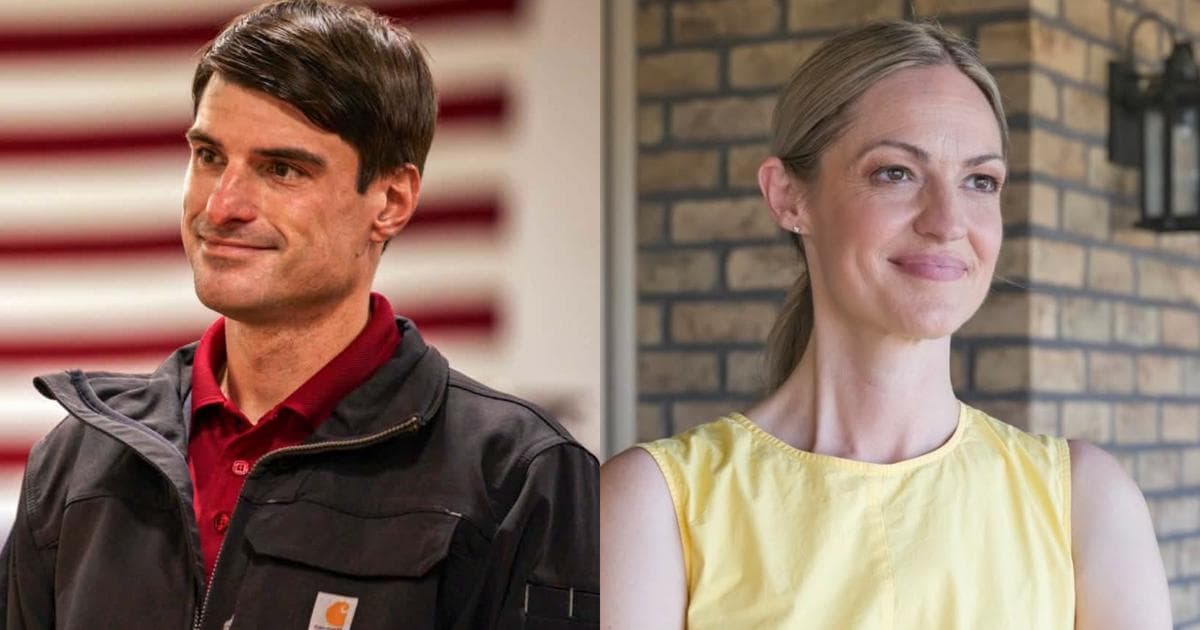
Pa. election 2026: Where Bresnahan, Cognetti stand on tax policies, affordability, and jobs
SCRANTON — Ahead of the Nov. 3 election, Pennsylvania voters have identified the economy as a top issue, driven by concerns about the cost of living, unemployment, and utility prices. It’s a key focus in the 8th Congressional District race between Republican incumbent Rob Bresnahan, who seeks a second term, and Democratic candidate Paige Cognetti, the first woman to be elected mayor of Scranton. The race is also one of three toss-up U.S. House contests in Pennsylvania identified by the nonpartisan Cook Political Report. With Bresnahan’s 2024 win, Republicans flipped the seat held by Democrat Matt Cartwright since 2013. Located in the northeast corner of the commonwealth, the purple district covers Lackawanna, Pike, and Wayne Counties, along with parts of Luzerne and Monroe Counties. Members of Congress, elected for two-year terms, vote on legislation that affects the economy, including changes to federal taxes and budgets, as well as government spending. They can also secure federal funding and advocate for the district they represent through shaping and voting for legislation. While Bresnahan and Cognettii differ on tariffs and the ongoing war in Iran, which have contributed to increases in gas and grocery prices, they both support tax breaks, healthcare reform, and reining in rising utility prices. Employment is the economic issue both candidates agree on most, supporting apprenticeships and technical training, as well as pro-union policies. Below, we break down the candidates’ positions on some of the key economic issues ahead of the Nov. 3 election: tax policies, affordability, and jobs. You can learn more about their positions during an WVIA debate scheduled for 7 p.m. Oct. 29. Tax policies Bresnahan’s campaign platform includes cutting taxes “so you can keep more of the money you earn for your family.” Bresnahan voted for President Donald Trump’s “One Big Beautiful Bill Act.” Signed into law on July 4, 2025, it made permanent most of the individual an
Pa. election 2026: Where Bresnahan, Cognetti stand on tax policies, affordability, and jobs
SCRANTON — Ahead of the Nov. 3 election, Pennsylvania voters have identified the economy as a top issue, driven by concerns about the cost of living, unemployment, and utility prices. It’s a key focus in the 8th Congressional District race between Republican incumbent Rob Bresnahan, who seeks a second term, and Democratic candidate Paige Cognetti, the first woman to be elected mayor of Scranton. The race is also one of three toss-up U.S. House contests in Pennsylvania identified by the nonpartisan Cook Political Report. With Bresnahan’s 2024 win, Republicans flipped the seat held by Democrat Matt Cartwright since 2013. Located in the northeast corner of the commonwealth, the purple district covers Lackawanna, Pike, and Wayne Counties, along with parts of Luzerne and Monroe Counties. Members of Congress, elected for two-year terms, vote on legislation that affects the economy, including changes to federal taxes and budgets, as well as government spending. They can also secure federal funding and advocate for the district they represent through shaping and voting for legislation. While Bresnahan and Cognettii differ on tariffs and the ongoing war in Iran, which have contributed to increases in gas and grocery prices, they both support tax breaks, healthcare reform, and reining in rising utility prices. Employment is the economic issue both candidates agree on most, supporting apprenticeships and technical training, as well as pro-union policies. Below, we break down the candidates’ positions on some of the key economic issues ahead of the Nov. 3 election: tax policies, affordability, and jobs. You can learn more about their positions during an WVIA debate scheduled for 7 p.m. Oct. 29. Tax policies Bresnahan’s campaign platform includes cutting taxes “so you can keep more of the money you earn for your family.” Bresnahan voted for President Donald Trump’s “One Big Beautiful Bill Act.” Signed into law on July 4, 2025, it made permanent most of the individual an
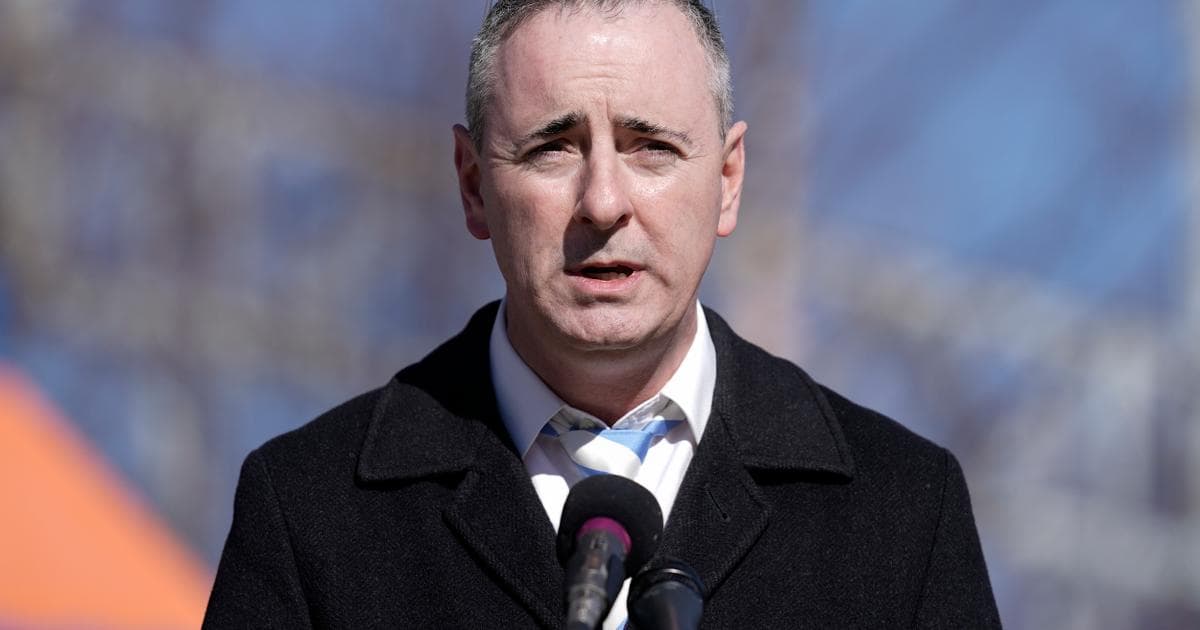
Fitzpatrick faces uphill fight in midterms despite efforts to distance himself from Trump
YARDLEY, Pa. — Mary Ryan may be a registered Republican but she has never voted for President Donald Trump, turned off by his crass style of politics and chaotic approach to governing. But the 60-year-old medical writer from the Philadelphia suburbs has consistently backed her party’s congressman, five-term Rep. Brian Fitzpatrick. Until now. This year, Ryan is so fed up with Trump and his grip on Congress that she is planning to vote in November for Fitzpatrick’s Democratic opponent in the 1st Congressional District, Bob Harvie, a twice countywide elected commissioner who is a former social studies teacher. Free Newsletter: Sign up for a free roundup of the top news from across Pennsylvania, all in one daily or weekly email from Spotlight PA. Even though Fitzpatrick has pitched himself as a voice of reason in Washington, Ryan said that “I don’t see it happening.” Defections like this one could sink Fitzpatrick’s reelection chances and cost Republicans their narrow U.S. House majority. As one of the few Republicans representing a congressional district won by Democrat Kamala Harris in the presidential race two years ago, Fitzpatrick has done as much as any House Republican to distance himself from Trump: Fitzpatrick voted against Trump’s tariffs, his signature tax legislation and his power to wage war against Iran without congressional approval. The lawmaker even skipped Trump’s recent midterm convention in Dallas. But that may not be enough to overcome the collateral damage of the president’s sagging approval rating and soaring fuel prices because of the war. Fitzpatrick, speaking briefly after a Sept. 11 memorial in his district, said he understands this year’s political challenges and always considers what is best for his constituents with every vote. “That’s the job,” he said. Representatives for Fitzpatrick did not respond to requests for a more complete interview. Democrats have tried for years to defeat Fitzpatrick Harvie describes the race and his
Fitzpatrick faces uphill fight in midterms despite efforts to distance himself from Trump
YARDLEY, Pa. — Mary Ryan may be a registered Republican but she has never voted for President Donald Trump, turned off by his crass style of politics and chaotic approach to governing. But the 60-year-old medical writer from the Philadelphia suburbs has consistently backed her party’s congressman, five-term Rep. Brian Fitzpatrick. Until now. This year, Ryan is so fed up with Trump and his grip on Congress that she is planning to vote in November for Fitzpatrick’s Democratic opponent in the 1st Congressional District, Bob Harvie, a twice countywide elected commissioner who is a former social studies teacher. Free Newsletter: Sign up for a free roundup of the top news from across Pennsylvania, all in one daily or weekly email from Spotlight PA. Even though Fitzpatrick has pitched himself as a voice of reason in Washington, Ryan said that “I don’t see it happening.” Defections like this one could sink Fitzpatrick’s reelection chances and cost Republicans their narrow U.S. House majority. As one of the few Republicans representing a congressional district won by Democrat Kamala Harris in the presidential race two years ago, Fitzpatrick has done as much as any House Republican to distance himself from Trump: Fitzpatrick voted against Trump’s tariffs, his signature tax legislation and his power to wage war against Iran without congressional approval. The lawmaker even skipped Trump’s recent midterm convention in Dallas. But that may not be enough to overcome the collateral damage of the president’s sagging approval rating and soaring fuel prices because of the war. Fitzpatrick, speaking briefly after a Sept. 11 memorial in his district, said he understands this year’s political challenges and always considers what is best for his constituents with every vote. “That’s the job,” he said. Representatives for Fitzpatrick did not respond to requests for a more complete interview. Democrats have tried for years to defeat Fitzpatrick Harvie describes the race and his
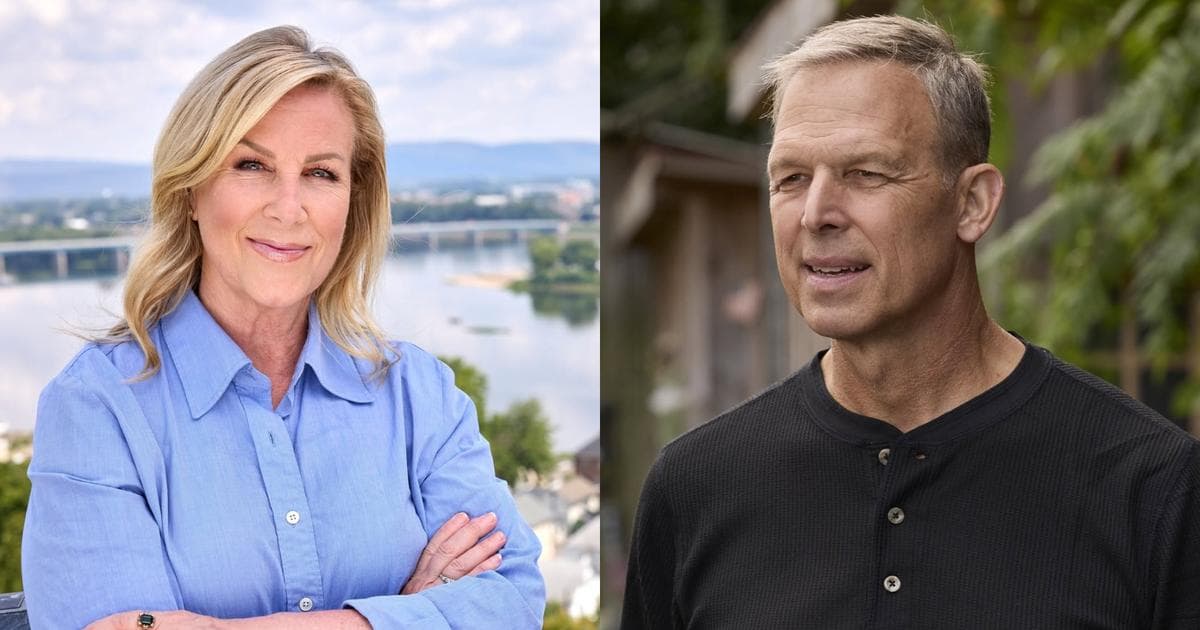
Pa. election 2026: Where Perry, Stelson stand on tax policies, affordability, and jobs
HARRISBURG — Ahead of the Nov. 3 election, Pennsylvania voters have identified the economy as a top issue, driven by concerns about the cost of living, unemployment, and utility prices. It’s a key focus in the 10th Congressional District race, a rematch between Republican incumbent Scott Perry, who’s held the seat since 2013, and Democratic candidate Janelle Stelson, a former news anchor. It’s also one of three toss-up U.S. House races in Pennsylvania identified by the nonpartisan Cook Political Report. The purple district covers the entirety of Dauphin County, including Harrisburg, in addition to portions of Cumberland and York Counties. Free Newsletter: Sign up for a free roundup of the top news from across Pennsylvania, all in one daily or weekly email from Spotlight PA. Members of Congress, elected for two-year terms, vote on legislation that affects the economy, including changes to federal taxes and budgets, as well as government spending. They can also secure federal funding and advocate for the district they represent by shaping and voting for legislation. While Perry and Stelson differ on tariffs and the ongoing war in Iran, which have contributed to increases in the price of groceries and gas, they both support tax breaks and healthcare reform. The economic issue they align on most is employment, favoring pathways for skilled and technical trades. Below, we break down the two major party candidates’ positions on some of the key economic issues ahead of the Nov. 3 election: tax policies, affordability, and jobs. You can learn more about their positions during an ABC27 debate scheduled for 8 p.m., Oct. 14. Tax policies During his tenure, Perry, a former small business owner, has supported cutting taxes. His current campaign platform includes lowering taxes on families and small businesses. He voted for 2017’s Tax Cuts and Jobs Act, which lowered most individual income tax rates, reduced the top corporate income tax rate from 35% to 21%, doubled the
Pa. election 2026: Where Perry, Stelson stand on tax policies, affordability, and jobs
HARRISBURG — Ahead of the Nov. 3 election, Pennsylvania voters have identified the economy as a top issue, driven by concerns about the cost of living, unemployment, and utility prices. It’s a key focus in the 10th Congressional District race, a rematch between Republican incumbent Scott Perry, who’s held the seat since 2013, and Democratic candidate Janelle Stelson, a former news anchor. It’s also one of three toss-up U.S. House races in Pennsylvania identified by the nonpartisan Cook Political Report. The purple district covers the entirety of Dauphin County, including Harrisburg, in addition to portions of Cumberland and York Counties. Free Newsletter: Sign up for a free roundup of the top news from across Pennsylvania, all in one daily or weekly email from Spotlight PA. Members of Congress, elected for two-year terms, vote on legislation that affects the economy, including changes to federal taxes and budgets, as well as government spending. They can also secure federal funding and advocate for the district they represent by shaping and voting for legislation. While Perry and Stelson differ on tariffs and the ongoing war in Iran, which have contributed to increases in the price of groceries and gas, they both support tax breaks and healthcare reform. The economic issue they align on most is employment, favoring pathways for skilled and technical trades. Below, we break down the two major party candidates’ positions on some of the key economic issues ahead of the Nov. 3 election: tax policies, affordability, and jobs. You can learn more about their positions during an ABC27 debate scheduled for 8 p.m., Oct. 14. Tax policies During his tenure, Perry, a former small business owner, has supported cutting taxes. His current campaign platform includes lowering taxes on families and small businesses. He voted for 2017’s Tax Cuts and Jobs Act, which lowered most individual income tax rates, reduced the top corporate income tax rate from 35% to 21%, doubled the
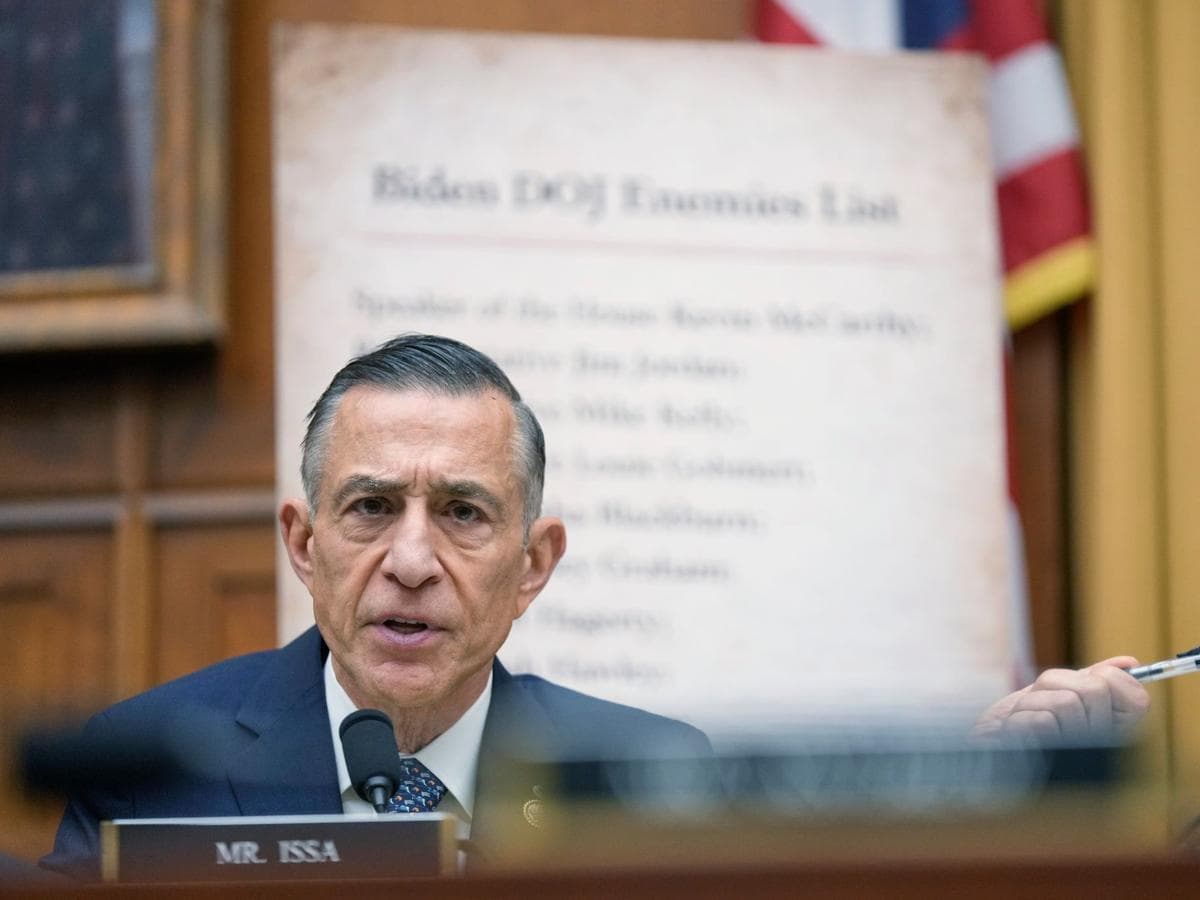
Congress’ ultrarich think they can sell an affordability agenda
This article is made possible through Spotlight PA’s partnership with NOTUS, a nonpartisan news organization that covers government and politics with the fresh eyes of early career journalists and the expertise of veteran reporters. Much of the responsibility for making the Republican Party’s case for President Donald Trump’s economy falls to members of Congress. That comes with an awkward complication: Many of the highest-profile Republican members are unimaginably rich. Members tasked with translating broad economic promises about affordability into law, while defending the results back home, are often many tax brackets removed from their constituents. The last time many of them had to skip a meal to pay the bills might have been long ago, if ever, and that can make leveling with struggling people more difficult. “How many lawyers would you hire that were penniless? How many doctors would you hire that didn’t go to medical school?” said Rep. Darrell Issa, a retiring Republican from California who has been one of the House’s wealthiest members for years. “The selection of members of Congress is made based on wanting to pick somebody from your community that, appropriately, doesn’t represent you as a failure but represents you as a success.” Issa said NOTUS should note in this story that he was “offended” by the suggestion that millionaires, who are overrepresented in Congress when compared to America’s broader population, are overrepresented in Congress. (Pennsylvania’s Republican U.S. Sen. Dave McCormick is worth an estimated $191.71 million, while Democratic U.S. Sen. John Fetterman’s net worth is $1.58 million.) “Being in touch with the voters is not insulated simply because you have some wealth,” Issa continued. “If you have to fly these shitty airlines back and forth in coach every week, getting upgraded when you’re lucky and waiting in long lines, you’re not out of touch with voters.” Issa’s argument that Americans often view a politician’s wealth as a measure of competence is not new. Trump took up a similar tactic to reach office. And this year, his administration signaled repeatedly that it would approach economic issues with laser-eyed focus, even deploying Trump on a cross-country tour to talk about his party’s affordability agenda. But his penchant for tariffs and a war that’s disrupted the global oil supply has created market volatility and raised the cost of living at a time when voters’ economic frustrations have reached a fever pitch. America’s attention toward the affordability crisis arrives at a time when Congress is in a decades-long PR crisis. Only a quarter of Americans held a favorable view of Congress as of 2023, a figure that has tumbled since the mid-2000s, when the institution saw 53% favorability, according to the Pew Research Center. Those negative perceptions are largely driven by the idea that politicians are bought and paid for and only look out for their own, Navigator Research, a progressive research firm, found in a poll conducted early this year. Working-class voters in battleground states largely echoed these sentiments in focus groups the firm ran late last year. A whopping 80% of Americans, according to Navigator’s polling, said they believe their elected officials are unable to get anything done because they’re too focused on enriching themselves and their donors. And 77% said elected officials are too out of touch with, and don’t understand, the struggles of average people. “Americans don’t feel like any politicians really ‘get it.’ Americans are living paycheck to paycheck and can no longer afford basic necessities like gas and groceries — and they can tell that politicians as a whole aren’t experiencing the same day-to-day struggles they are,” said Maryann Cousens, Navigator’s senior manager of polling and analytics, in an email. “If someone can show they have an understanding of the daily struggles of normal people, then they’ll have significantly more credibility when promoting an affordability agenda,” Cousens continued. Free Newsletter: Sign up for a free roundup of the top news from across Pennsylvania, all in one daily or weekly email from Spotlight PA. Anat Shenker-Osorio, a progressive consultant who attends panels with disaffected voters, said Americans are becoming more conscious of the class differences between them and their representation in Congress: “If we’re not at pitchforks, we’re kind of close to that,” Shenker-Osorio said. “We see over and over again, this desire among politicians and electeds to present themselves as ‘the dude you can have a beer with,’ and when they live in a gated mansion and belong to a country club and so on, it’s a little hard to pull that off,” Shenker-Osorio said. “The other piece of it is that [voters] don’t like the idea — and they increasingly are very aware — that money buys influence and buys decision-making that goes against working people.” The counterargument is that a politician’s wealth can work in their favor on the campaign trail — depending on how they got it. One Republican campaign operative told NOTUS that many wealthy politicians with business backgrounds have found success connecting with working-class voters and unions by leaning into that while campaigning, arguing that they created jobs in their districts or states. Still, as the midterms inch closer and gas prices reach higher, messaging about the economy in a way that doesn’t further anger America’s already peeved consumers might get even harder for wealthy politicians. Pain at the pump, which Trump has said may not let up or even get worse this year, usually spells panic for elected officials because it hands the out-of-power party an opportunity for political attacks. Many Democrats have already taken to holding press conferences at gas stations to highlight gas prices hitting $4 a gallon due to the Iran war’s oil-market disruptions. While Democrats can point to the numbers and note that they’re not the ones running the ship, Republicans have to message around the disruptions and offer solutions. Americans’ frustrations have forced the wealthiest Republican senator to admit that many view the institution his party leads as out of touch. “This place is starving, and I don’t mean this egotistically, but it is starving for somebody that will talk to the people like I talk to the people,” said Sen. Jim Justice, the Republican. “What this place needs, so badly, are people with just a lot of everyday people that are grounded in what they do, common sense, logic and reason. We need that really bad.” Justice said, despite his wealth, there’s “nothing hoity-toity” about his lifestyle. He does still fly his private jet home nearly every day — because finding a place in the District of Columbia, he said, was “really, really, really expensive.” He added that he “downgraded” the jet to save some money. For other wealthy politicians, addressing people’s economic concerns has led to some faux pas this year. Sen. Jon Husted of Ohio said that impoverished people are “not very experienced at navigating the real world,” and that “you literally have to teach people how to budget.” Sen. Cindy Hyde-Smith drew fire for suggesting that Americans who can’t afford beef “have so many proteins to choose from.” The Democratic Senatorial Campaign Committee is ready to use comments like those to portray Republicans as “out of touch” ahead of the midterms, spokesperson Maeve Coyle told NOTUS in an email. “Republican Senate candidates are mocking voters over their concerns about rising costs,” Coyle said. “In November, voters will hold them accountable.” Meanwhile, the National Republican Senatorial Committee blamed Democrats and touted Republicans’ reconciliation package as an improvement to the status quo. “The Democrat Party drove costs of living up across every sector of the economy under Joe Biden and poured fuel on the fire time and again,” spokesperson Joanna Rodriguez said in a statement. “Republicans gave American working families the largest tax cut in history and has gone after the waste, fraud and abuse of taxpayer dollars that happened on Democrats’ watch.” Some of the lawmakers leading the Republicans’ charge to focus on working families inhabit an entirely different financial reality: Rep. Kevin Hern of Oklahoma entered the House in 2018 with a median net worth of $61 million, and that figure has ballooned since he took office. He announced his candidacy for Senate in March — and if successful, he would be one of the chamber’s many millionaires. He didn’t think that wealthy lawmakers are at odds with Americans’ economic frustrations. “There are very wealthy Democrats up here, too. And so I’m not critical of them either. I think that if they had done something illegal, they’d be in jail. They worked hard. There are some who have inherited it, obviously, but that’s very few as well,” Hern told NOTUS. “People want to see everyday Americans up here. They don’t want to see über-wealthy people up here. We all get elected. Nobody puts themselves here.” “I think people need to respect the idea that it’s the greatest nation that’s ever existed for people to take advantage of the opportunity — the guaranteed opportunity, not the guaranteed outcomes,” Hern added. Some rich Democrats on the campaign trail have found ways to neutralize wealth-related criticism by setting themselves apart from their economic class. Take Tom Steyer, a billionaire largely bankrolling his own campaign to be California’s next governor. He’s positioned himself as “the billionaire who will take on the billionaires.” While You’re Here: If you learned something from this report, pay it forward and become a member of Spotlight PA so someone else can in the future. And Illinois Gov. JB Pritzker, a billionaire, often repeats that “people like me should pay more and people like you should pay less.” Both frame their wealth as a tool for political independence because they don’t have to rely on money from corporate PACs or wealthy donors. Some wealthy Democrats in Congress said they work to navigate the optics of their affluence, like Rep. April McClain Delaney of Maryland, who is personally wealthy but represents impoverished communities in the outstretch of Appalachia that reaches into her district. “The hardest part is that people feel like the system is rigged against them. Unless you have access to capital, it’s rigged against them. And so, I say, listen, we can refashion and remake America fit for purpose,” McClain Delaney said. “I don’t say ‘fit for purpose’ to them, but I say we can make it work for people.”
Congress’ ultrarich think they can sell an affordability agenda
This article is made possible through Spotlight PA’s partnership with NOTUS, a nonpartisan news organization that covers government and politics with the fresh eyes of early career journalists and the expertise of veteran reporters. Much of the responsibility for making the Republican Party’s case for President Donald Trump’s economy falls to members of Congress. That comes with an awkward complication: Many of the highest-profile Republican members are unimaginably rich. Members tasked with translating broad economic promises about affordability into law, while defending the results back home, are often many tax brackets removed from their constituents. The last time many of them had to skip a meal to pay the bills might have been long ago, if ever, and that can make leveling with struggling people more difficult. “How many lawyers would you hire that were penniless? How many doctors would you hire that didn’t go to medical school?” said Rep. Darrell Issa, a retiring Republican from California who has been one of the House’s wealthiest members for years. “The selection of members of Congress is made based on wanting to pick somebody from your community that, appropriately, doesn’t represent you as a failure but represents you as a success.” Issa said NOTUS should note in this story that he was “offended” by the suggestion that millionaires, who are overrepresented in Congress when compared to America’s broader population, are overrepresented in Congress. (Pennsylvania’s Republican U.S. Sen. Dave McCormick is worth an estimated $191.71 million, while Democratic U.S. Sen. John Fetterman’s net worth is $1.58 million.) “Being in touch with the voters is not insulated simply because you have some wealth,” Issa continued. “If you have to fly these shitty airlines back and forth in coach every week, getting upgraded when you’re lucky and waiting in long lines, you’re not out of touch with voters.” Issa’s argument that Americans often view a politician’s wealth as a measure of competence is not new. Trump took up a similar tactic to reach office. And this year, his administration signaled repeatedly that it would approach economic issues with laser-eyed focus, even deploying Trump on a cross-country tour to talk about his party’s affordability agenda. But his penchant for tariffs and a war that’s disrupted the global oil supply has created market volatility and raised the cost of living at a time when voters’ economic frustrations have reached a fever pitch. America’s attention toward the affordability crisis arrives at a time when Congress is in a decades-long PR crisis. Only a quarter of Americans held a favorable view of Congress as of 2023, a figure that has tumbled since the mid-2000s, when the institution saw 53% favorability, according to the Pew Research Center. Those negative perceptions are largely driven by the idea that politicians are bought and paid for and only look out for their own, Navigator Research, a progressive research firm, found in a poll conducted early this year. Working-class voters in battleground states largely echoed these sentiments in focus groups the firm ran late last year. A whopping 80% of Americans, according to Navigator’s polling, said they believe their elected officials are unable to get anything done because they’re too focused on enriching themselves and their donors. And 77% said elected officials are too out of touch with, and don’t understand, the struggles of average people. “Americans don’t feel like any politicians really ‘get it.’ Americans are living paycheck to paycheck and can no longer afford basic necessities like gas and groceries — and they can tell that politicians as a whole aren’t experiencing the same day-to-day struggles they are,” said Maryann Cousens, Navigator’s senior manager of polling and analytics, in an email. “If someone can show they have an understanding of the daily struggles of normal people, then they’ll have significantly more credibility when promoting an affordability agenda,” Cousens continued. Free Newsletter: Sign up for a free roundup of the top news from across Pennsylvania, all in one daily or weekly email from Spotlight PA. Anat Shenker-Osorio, a progressive consultant who attends panels with disaffected voters, said Americans are becoming more conscious of the class differences between them and their representation in Congress: “If we’re not at pitchforks, we’re kind of close to that,” Shenker-Osorio said. “We see over and over again, this desire among politicians and electeds to present themselves as ‘the dude you can have a beer with,’ and when they live in a gated mansion and belong to a country club and so on, it’s a little hard to pull that off,” Shenker-Osorio said. “The other piece of it is that [voters] don’t like the idea — and they increasingly are very aware — that money buys influence and buys decision-making that goes against working people.” The counterargument is that a politician’s wealth can work in their favor on the campaign trail — depending on how they got it. One Republican campaign operative told NOTUS that many wealthy politicians with business backgrounds have found success connecting with working-class voters and unions by leaning into that while campaigning, arguing that they created jobs in their districts or states. Still, as the midterms inch closer and gas prices reach higher, messaging about the economy in a way that doesn’t further anger America’s already peeved consumers might get even harder for wealthy politicians. Pain at the pump, which Trump has said may not let up or even get worse this year, usually spells panic for elected officials because it hands the out-of-power party an opportunity for political attacks. Many Democrats have already taken to holding press conferences at gas stations to highlight gas prices hitting $4 a gallon due to the Iran war’s oil-market disruptions. While Democrats can point to the numbers and note that they’re not the ones running the ship, Republicans have to message around the disruptions and offer solutions. Americans’ frustrations have forced the wealthiest Republican senator to admit that many view the institution his party leads as out of touch. “This place is starving, and I don’t mean this egotistically, but it is starving for somebody that will talk to the people like I talk to the people,” said Sen. Jim Justice, the Republican. “What this place needs, so badly, are people with just a lot of everyday people that are grounded in what they do, common sense, logic and reason. We need that really bad.” Justice said, despite his wealth, there’s “nothing hoity-toity” about his lifestyle. He does still fly his private jet home nearly every day — because finding a place in the District of Columbia, he said, was “really, really, really expensive.” He added that he “downgraded” the jet to save some money. For other wealthy politicians, addressing people’s economic concerns has led to some faux pas this year. Sen. Jon Husted of Ohio said that impoverished people are “not very experienced at navigating the real world,” and that “you literally have to teach people how to budget.” Sen. Cindy Hyde-Smith drew fire for suggesting that Americans who can’t afford beef “have so many proteins to choose from.” The Democratic Senatorial Campaign Committee is ready to use comments like those to portray Republicans as “out of touch” ahead of the midterms, spokesperson Maeve Coyle told NOTUS in an email. “Republican Senate candidates are mocking voters over their concerns about rising costs,” Coyle said. “In November, voters will hold them accountable.” Meanwhile, the National Republican Senatorial Committee blamed Democrats and touted Republicans’ reconciliation package as an improvement to the status quo. “The Democrat Party drove costs of living up across every sector of the economy under Joe Biden and poured fuel on the fire time and again,” spokesperson Joanna Rodriguez said in a statement. “Republicans gave American working families the largest tax cut in history and has gone after the waste, fraud and abuse of taxpayer dollars that happened on Democrats’ watch.” Some of the lawmakers leading the Republicans’ charge to focus on working families inhabit an entirely different financial reality: Rep. Kevin Hern of Oklahoma entered the House in 2018 with a median net worth of $61 million, and that figure has ballooned since he took office. He announced his candidacy for Senate in March — and if successful, he would be one of the chamber’s many millionaires. He didn’t think that wealthy lawmakers are at odds with Americans’ economic frustrations. “There are very wealthy Democrats up here, too. And so I’m not critical of them either. I think that if they had done something illegal, they’d be in jail. They worked hard. There are some who have inherited it, obviously, but that’s very few as well,” Hern told NOTUS. “People want to see everyday Americans up here. They don’t want to see über-wealthy people up here. We all get elected. Nobody puts themselves here.” “I think people need to respect the idea that it’s the greatest nation that’s ever existed for people to take advantage of the opportunity — the guaranteed opportunity, not the guaranteed outcomes,” Hern added. Some rich Democrats on the campaign trail have found ways to neutralize wealth-related criticism by setting themselves apart from their economic class. Take Tom Steyer, a billionaire largely bankrolling his own campaign to be California’s next governor. He’s positioned himself as “the billionaire who will take on the billionaires.” While You’re Here: If you learned something from this report, pay it forward and become a member of Spotlight PA so someone else can in the future. And Illinois Gov. JB Pritzker, a billionaire, often repeats that “people like me should pay more and people like you should pay less.” Both frame their wealth as a tool for political independence because they don’t have to rely on money from corporate PACs or wealthy donors. Some wealthy Democrats in Congress said they work to navigate the optics of their affluence, like Rep. April McClain Delaney of Maryland, who is personally wealthy but represents impoverished communities in the outstretch of Appalachia that reaches into her district. “The hardest part is that people feel like the system is rigged against them. Unless you have access to capital, it’s rigged against them. And so, I say, listen, we can refashion and remake America fit for purpose,” McClain Delaney said. “I don’t say ‘fit for purpose’ to them, but I say we can make it work for people.”
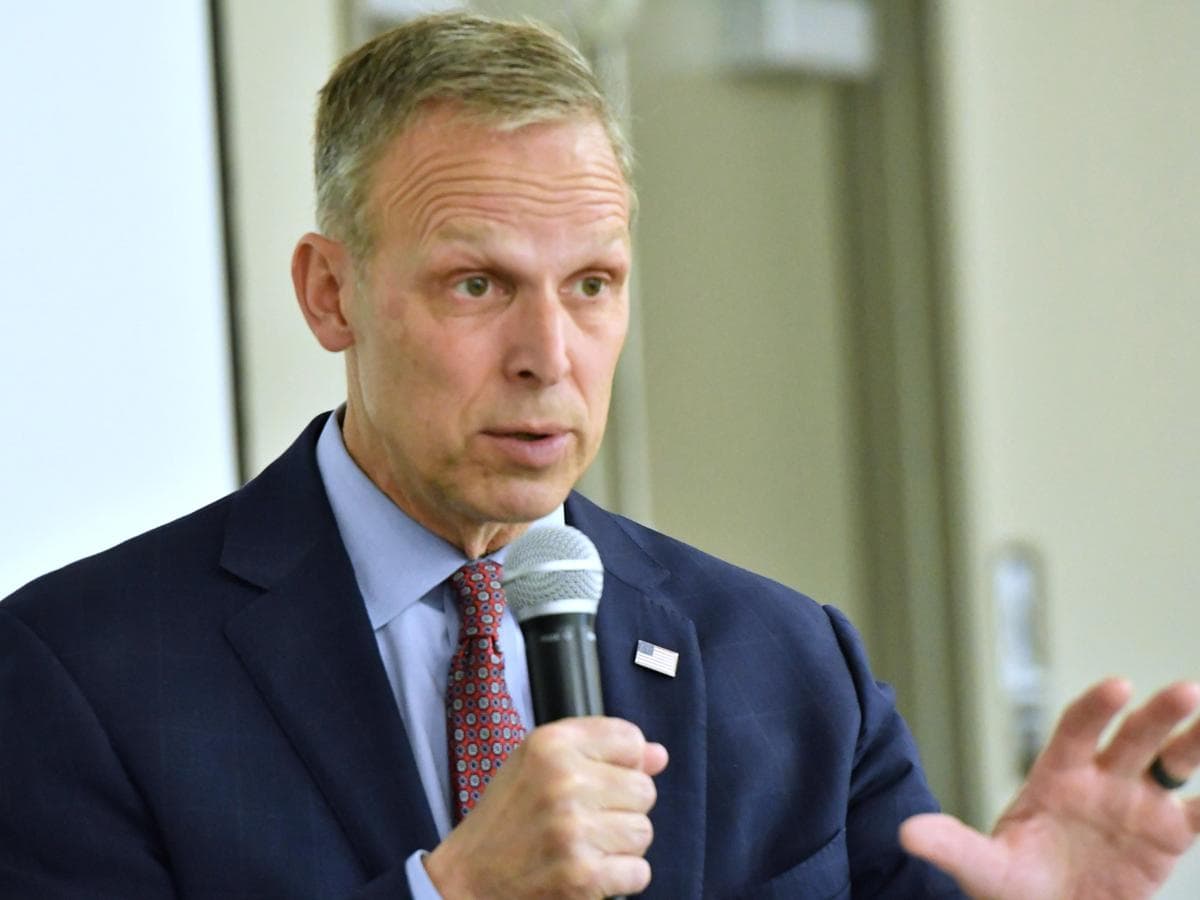
Vulnerable midterm Republicans focus on tax cuts as opponents spotlight rising gas prices
This article is made possible through Spotlight PA’s partnership with NOTUS, a nonpartisan news organization that covers government and politics with the fresh eyes of early career journalists and the expertise of veteran reporters. As gas prices rose steadily, the Department of Homeland Security shutdown surpassed 50 days, and President Donald Trump threatened significant escalation in the war against Iran, members of Congress, by and large, remained in their states over the spring recess. But in districts throughout the country, Republicans and Democrats were talking to their constituents differently about the agenda in Washington. During the two-week district work period, most lawmakers locked in competitive midterm races did not host public town halls, opting instead for smaller business roundtables and constituent events. There, Republicans largely touted the benefits of their sweeping tax bill enacted last summer, while Democrats spotlighted the cost of living, blaming Trump for rising prices and attacking Republicans for backing his policies on the war in Iran and tariffs. The break from Washington came as the Trump administration predicted that gas prices would continue to climb, amid uncertainty over the U.S.’s war with Iran. Even as the two countries began a rocky two-week ceasefire, the spiking cost of oil continued to impact the price of groceries and other essential items. Free Newsletter: Sign up for a free roundup of the top news from across Pennsylvania, all in one daily or weekly email from Spotlight PA. Republican Rep. Scott Perry, whose race in his Pennsylvania district is widely expected to be close, spoke at a rare public event Tuesday where he weighed in on increasing energy prices. “Energy, just like everything else, the price goes up. But it’s gone up very much faster than everything else. And of course it affects everything,” Perry told reporters. “That’s what I wanted to talk to these folks about. Because who you elect is going to make a policy choice that is going to affect your affordability.” Perry mostly focused on his opposition to clean energy subsidies during the event, which was hosted by Americans for Prosperity. His comments came after his main Democratic opponent, local news anchor Janelle Stelson, hosted a campaign event Tuesday outside a local gas station to spotlight the rise in fuel prices. Stelson hammered Perry for his support of Trump and the war in Iran. (Stelson will face Dauphin County Commissioner Justin Douglas on the May 19 primary ballot.) “The cost of living is crushing central Pennsylvania families, and our congressman, Scott Perry, is making it worse,” Stelson said. “When you’re paying $4 or more to fill up your tank, you feel it. You feel it on the drive to work, you feel it when the school bus routes get cut and you have to drive the kids yourself.” It wasn’t just Democratic challengers hammering Republicans over the cost of living. Democratic incumbents also attacked their opponents over their support for Trump, linking the president to rising costs. Rep. Greg Landsman, another Democrat who is facing a tight reelection race in Ohio, also spent the break emphasizing the rising cost of living. Landsman touted money he helped secure for an affordable housing project and promoted a recent bill he co-sponsored to tackle the costs of data centers in his district. “The Congressman packs his schedule when he is home with constituent meetings and campaign events,” Reggie Harris, Landsman’s chief of staff, told NOTUS. “He has around 25 events and meetings, including reading to elementary school children, tours of businesses in the district, small roundtables with constituents, and visits to affordable housing projects that were awarded community project funding grants.” An aide to one Midwestern Democrat who is facing a serious Republican challenger, who declined to be named because they weren’t authorized to share details on the record, told NOTUS that the campaign planned to use the district work period to take the temperature on the cost of living for farmers. April is the beginning of planting season, a crucial time to measure voters’ struggles with the cost of fertilizer and diesel. “If we had to boil it down to one thing — it is, life is becoming unaffordable,” the aide said of the campaign’s main message. “A lot of people felt like President Trump and Republicans campaigned on affordability and then have done nothing to address it.” But most Republicans, including those in difficult races, focused on promoting the GOP’s hallmark achievement, the Working Families Tax Cuts bill. Sen. Jon Husted, who is locked in a tight reelection campaign with former Democratic Sen. Sherrod Brown, traversed his home state of Ohio, also speaking to constituents about the sweeping tax bill. Husted met with small businesses alongside the state’s hospitality alliance to discuss popular provisions like “no tax on tips” and “no tax on overtime.” “Senator Husted has many stops across the state planned, meeting with Ohioans, farmers, manufacturers, and small business owners. He is specifically working to highlight some of the benefits of the Working Families Tax Cuts Act as we close out tax season,” Joshua Eck, Husted’s deputy chief of staff, told NOTUS in a statement. Republican House members in vulnerable districts spent the recess using the same playbook. Rep. Mariannette Miller-Meeks – whose race the Cook Political Report, a nonpartisan campaign analysis group, has deemed a “toss-up” – hosted a roundtable in her Iowa district alongside the U.S. Chamber of Commerce to talk about the bill’s permanent estate tax cut and cuts for small businesses. Miller-Meeks, who is a physician, also promoted a provision she helped secure in the reconciliation bill that helped finance Iowa’s rural hospitals, meeting with several facilities and hosting a health care roundtable. Issues like the cost of living are likely to come to a head when Congress returns to Washington on Monday. Lawmakers are expected to consider rising gas prices and the Iran war while tackling must-pass legislation on national intelligence and ending the DHS shutdown.
Vulnerable midterm Republicans focus on tax cuts as opponents spotlight rising gas prices
This article is made possible through Spotlight PA’s partnership with NOTUS, a nonpartisan news organization that covers government and politics with the fresh eyes of early career journalists and the expertise of veteran reporters. As gas prices rose steadily, the Department of Homeland Security shutdown surpassed 50 days, and President Donald Trump threatened significant escalation in the war against Iran, members of Congress, by and large, remained in their states over the spring recess. But in districts throughout the country, Republicans and Democrats were talking to their constituents differently about the agenda in Washington. During the two-week district work period, most lawmakers locked in competitive midterm races did not host public town halls, opting instead for smaller business roundtables and constituent events. There, Republicans largely touted the benefits of their sweeping tax bill enacted last summer, while Democrats spotlighted the cost of living, blaming Trump for rising prices and attacking Republicans for backing his policies on the war in Iran and tariffs. The break from Washington came as the Trump administration predicted that gas prices would continue to climb, amid uncertainty over the U.S.’s war with Iran. Even as the two countries began a rocky two-week ceasefire, the spiking cost of oil continued to impact the price of groceries and other essential items. Free Newsletter: Sign up for a free roundup of the top news from across Pennsylvania, all in one daily or weekly email from Spotlight PA. Republican Rep. Scott Perry, whose race in his Pennsylvania district is widely expected to be close, spoke at a rare public event Tuesday where he weighed in on increasing energy prices. “Energy, just like everything else, the price goes up. But it’s gone up very much faster than everything else. And of course it affects everything,” Perry told reporters. “That’s what I wanted to talk to these folks about. Because who you elect is going to make a policy choice that is going to affect your affordability.” Perry mostly focused on his opposition to clean energy subsidies during the event, which was hosted by Americans for Prosperity. His comments came after his main Democratic opponent, local news anchor Janelle Stelson, hosted a campaign event Tuesday outside a local gas station to spotlight the rise in fuel prices. Stelson hammered Perry for his support of Trump and the war in Iran. (Stelson will face Dauphin County Commissioner Justin Douglas on the May 19 primary ballot.) “The cost of living is crushing central Pennsylvania families, and our congressman, Scott Perry, is making it worse,” Stelson said. “When you’re paying $4 or more to fill up your tank, you feel it. You feel it on the drive to work, you feel it when the school bus routes get cut and you have to drive the kids yourself.” It wasn’t just Democratic challengers hammering Republicans over the cost of living. Democratic incumbents also attacked their opponents over their support for Trump, linking the president to rising costs. Rep. Greg Landsman, another Democrat who is facing a tight reelection race in Ohio, also spent the break emphasizing the rising cost of living. Landsman touted money he helped secure for an affordable housing project and promoted a recent bill he co-sponsored to tackle the costs of data centers in his district. “The Congressman packs his schedule when he is home with constituent meetings and campaign events,” Reggie Harris, Landsman’s chief of staff, told NOTUS. “He has around 25 events and meetings, including reading to elementary school children, tours of businesses in the district, small roundtables with constituents, and visits to affordable housing projects that were awarded community project funding grants.” An aide to one Midwestern Democrat who is facing a serious Republican challenger, who declined to be named because they weren’t authorized to share details on the record, told NOTUS that the campaign planned to use the district work period to take the temperature on the cost of living for farmers. April is the beginning of planting season, a crucial time to measure voters’ struggles with the cost of fertilizer and diesel. “If we had to boil it down to one thing — it is, life is becoming unaffordable,” the aide said of the campaign’s main message. “A lot of people felt like President Trump and Republicans campaigned on affordability and then have done nothing to address it.” But most Republicans, including those in difficult races, focused on promoting the GOP’s hallmark achievement, the Working Families Tax Cuts bill. Sen. Jon Husted, who is locked in a tight reelection campaign with former Democratic Sen. Sherrod Brown, traversed his home state of Ohio, also speaking to constituents about the sweeping tax bill. Husted met with small businesses alongside the state’s hospitality alliance to discuss popular provisions like “no tax on tips” and “no tax on overtime.” “Senator Husted has many stops across the state planned, meeting with Ohioans, farmers, manufacturers, and small business owners. He is specifically working to highlight some of the benefits of the Working Families Tax Cuts Act as we close out tax season,” Joshua Eck, Husted’s deputy chief of staff, told NOTUS in a statement. Republican House members in vulnerable districts spent the recess using the same playbook. Rep. Mariannette Miller-Meeks – whose race the Cook Political Report, a nonpartisan campaign analysis group, has deemed a “toss-up” – hosted a roundtable in her Iowa district alongside the U.S. Chamber of Commerce to talk about the bill’s permanent estate tax cut and cuts for small businesses. Miller-Meeks, who is a physician, also promoted a provision she helped secure in the reconciliation bill that helped finance Iowa’s rural hospitals, meeting with several facilities and hosting a health care roundtable. Issues like the cost of living are likely to come to a head when Congress returns to Washington on Monday. Lawmakers are expected to consider rising gas prices and the Iran war while tackling must-pass legislation on national intelligence and ending the DHS shutdown.
Vulnerable midterm Republicans focus on tax cuts as opponents spotlight rising gas prices
This article is made possible through Spotlight PA’s partnership with NOTUS, a nonpartisan news organization that covers government and politics with the fresh eyes of early career journalists and the expertise of veteran reporters. As gas prices rose steadily, the Department of Homeland Security shutdown surpassed 50 days, and President Donald Trump threatened significant escalation in the war against Iran, members of Congress, by and large, remained in their states over the spring recess. But in districts throughout the country, Republicans and Democrats were talking to their constituents differently about the agenda in Washington. During the two-week district work period, most lawmakers locked in competitive midterm races did not host public town halls, opting instead for smaller business roundtables and constituent events. There, Republicans largely touted the benefits of their sweeping tax bill enacted last summer, while Democrats spotlighted the cost of living, blaming Trump for rising prices and attacking Republicans for backing his policies on the war in Iran and tariffs. The break from Washington came as the Trump administration predicted that gas prices would continue to climb, amid uncertainty over the U.S.’s war with Iran. Even as the two countries began a rocky two-week ceasefire, the spiking cost of oil continued to impact the price of groceries and other essential items. Free Newsletter: Sign up for a free roundup of the top news from across Pennsylvania, all in one daily or weekly email from Spotlight PA. Republican Rep. Scott Perry, whose race in his Pennsylvania district is widely expected to be close, spoke at a rare public event Tuesday where he weighed in on increasing energy prices. “Energy, just like everything else, the price goes up. But it’s gone up very much faster than everything else. And of course it affects everything,” Perry told reporters. “That’s what I wanted to talk to these folks about. Because who you elect is going to make a policy choice that is going to affect your affordability.” Perry mostly focused on his opposition to clean energy subsidies during the event, which was hosted by Americans for Prosperity. His comments came after his main Democratic opponent, local news anchor Janelle Stelson, hosted a campaign event Tuesday outside a local gas station to spotlight the rise in fuel prices. Stelson hammered Perry for his support of Trump and the war in Iran. (Stelson will face Dauphin County Commissioner Justin Douglas on the May 19 primary ballot.) “The cost of living is crushing central Pennsylvania families, and our congressman, Scott Perry, is making it worse,” Stelson said. “When you’re paying $4 or more to fill up your tank, you feel it. You feel it on the drive to work, you feel it when the school bus routes get cut and you have to drive the kids yourself.” It wasn’t just Democratic challengers hammering Republicans over the cost of living. Democratic incumbents also attacked their opponents over their support for Trump, linking the president to rising costs. Rep. Greg Landsman, another Democrat who is facing a tight reelection race in Ohio, also spent the break emphasizing the rising cost of living. Landsman touted money he helped secure for an affordable housing project and promoted a recent bill he co-sponsored to tackle the costs of data centers in his district. “The Congressman packs his schedule when he is home with constituent meetings and campaign events,” Reggie Harris, Landsman’s chief of staff, told NOTUS. “He has around 25 events and meetings, including reading to elementary school children, tours of businesses in the district, small roundtables with constituents, and visits to affordable housing projects that were awarded community project funding grants.” An aide to one Midwestern Democrat who is facing a serious Republican challenger, who declined to be named because they weren’t authorized to share details on the record, told NOTUS that the campaign planned to use the district work period to take the temperature on the cost of living for farmers. April is the beginning of planting season, a crucial time to measure voters’ struggles with the cost of fertilizer and diesel. “If we had to boil it down to one thing — it is, life is becoming unaffordable,” the aide said of the campaign’s main message. “A lot of people felt like President Trump and Republicans campaigned on affordability and then have done nothing to address it.” But most Republicans, including those in difficult races, focused on promoting the GOP’s hallmark achievement, the Working Families Tax Cuts bill. Sen. Jon Husted, who is locked in a tight reelection campaign with former Democratic Sen. Sherrod Brown, traversed his home state of Ohio, also speaking to constituents about the sweeping tax bill. Husted met with small businesses alongside the state’s hospitality alliance to discuss popular provisions like “no tax on tips” and “no tax on overtime.” “Senator Husted has many stops across the state planned, meeting with Ohioans, farmers, manufacturers, and small business owners. He is specifically working to highlight some of the benefits of the Working Families Tax Cuts Act as we close out tax season,” Joshua Eck, Husted’s deputy chief of staff, told NOTUS in a statement. Republican House members in vulnerable districts spent the recess using the same playbook. Rep. Mariannette Miller-Meeks – whose race the Cook Political Report, a nonpartisan campaign analysis group, has deemed a “toss-up” – hosted a roundtable in her Iowa district alongside the U.S. Chamber of Commerce to talk about the bill’s permanent estate tax cut and cuts for small businesses. Miller-Meeks, who is a physician, also promoted a provision she helped secure in the reconciliation bill that helped finance Iowa’s rural hospitals, meeting with several facilities and hosting a health care roundtable. Issues like the cost of living are likely to come to a head when Congress returns to Washington on Monday. Lawmakers are expected to consider rising gas prices and the Iran war while tackling must-pass legislation on national intelligence and ending the DHS shutdown.
Trump administration halts $1 billion immigration warehouse expansion amid backlash
WASHINGTON — The Department of Homeland Security is pausing the purchase of new warehouses intended to house immigrants as it scrutinizes all contracts signed under former Homeland Security Secretary Kristi Noem, according to a senior Homeland Security official. The development comes just days after the new Homeland Security Secretary, Markwayne Mullin, was sworn in last week to lead a department that was steeped in controversy during Noem's tenure but also central to President Trump's mass deportation agenda. The official spoke on condition of anonymity because they were not authorized to speak publicly on the matter. News of the pause was first reported by NBC News. The official also said that warehouse purchases that were already made are also being scrutinized. Free Newsletter: Sign up for a free roundup of the top news from across Pennsylvania, all in one daily or weekly email from Spotlight PA. When asked about reports of the pause, the Department of Homeland Security said in a statement that “as with any transition, we are reviewing agency policies and proposals.” The Department also noted that Mullin said during his confirmation hearing that he wanted to “work with community leaders" and “be good partners.” Mullin inherited a $38.3 billion plan to boost detention capacity to 92,000 beds by acquiring eight large-scale detention centers, capable of housing 7,000 to 10,000 detainees each, and 16 smaller regional processing centers. The plan was hatched during Noem's tenure but immediately ran into intense opposition around the country by residents and communities opposed to such large Immigration and Customs Enforcement facilities in their neighborhoods. Many objected on moral grounds to ICE's presence in their neighborhoods, while others questioned whether the facilities would be a drain on local resources, such as sewer and water systems. So far, 11 warehouses have been purchased in Arizona, Georgia, Maryland, Michigan, New Jersey, Pennsylvania, Texas, and Utah, with the federal government spending a combined $1.074 billion. But lawsuits are pending in three of the states. Meanwhile, the capacity of at least one warehouse has been scaled back. Plans initially called for a warehouse in the Phoenix suburb of Surprise to be used as a 1,500-bed processing site, but Homeland Security now plans to cap occupied beds at 542, Surprise Mayor Kevin Sartor said during a news conference on Monday. In many cases, mayors, county commissioners, governors, and members of Congress learned about ICE’s ambitions only after the agency bought or leased space for detainees, leading to shock and frustration even in areas that have backed Trump. The warehouse plan ran into challenges from the start. Eight deals were scuttled in places like Kansas City, Missouri, when owners decided not to sell. Pressed on the lack of information during his confirmation hearing, Mullin acknowledged there had been issues. “We’ve got to protect the homeland and we’re going to do that,” Mullin said. “But obviously we want to work with community leaders.” Mullin, who took over and expanded his family’s plumbing business before representing Oklahoma in the U.S House and Senate, said that “one thing I do know is construction.” He noted that most municipalities don’t have the capacity in their infrastructure for waste and water. “So, it’s important that we’re talking to the communities and if we’re having additional needs, we can work with the cities," he said at his confirmation hearing earlier this month.
Trump administration halts $1 billion immigration warehouse expansion amid backlash
WASHINGTON — The Department of Homeland Security is pausing the purchase of new warehouses intended to house immigrants as it scrutinizes all contracts signed under former Homeland Security Secretary Kristi Noem, according to a senior Homeland Security official. The development comes just days after the new Homeland Security Secretary, Markwayne Mullin, was sworn in last week to lead a department that was steeped in controversy during Noem's tenure but also central to President Trump's mass deportation agenda. The official spoke on condition of anonymity because they were not authorized to speak publicly on the matter. News of the pause was first reported by NBC News. The official also said that warehouse purchases that were already made are also being scrutinized. Free Newsletter: Sign up for a free roundup of the top news from across Pennsylvania, all in one daily or weekly email from Spotlight PA. When asked about reports of the pause, the Department of Homeland Security said in a statement that “as with any transition, we are reviewing agency policies and proposals.” The Department also noted that Mullin said during his confirmation hearing that he wanted to “work with community leaders" and “be good partners.” Mullin inherited a $38.3 billion plan to boost detention capacity to 92,000 beds by acquiring eight large-scale detention centers, capable of housing 7,000 to 10,000 detainees each, and 16 smaller regional processing centers. The plan was hatched during Noem's tenure but immediately ran into intense opposition around the country by residents and communities opposed to such large Immigration and Customs Enforcement facilities in their neighborhoods. Many objected on moral grounds to ICE's presence in their neighborhoods, while others questioned whether the facilities would be a drain on local resources, such as sewer and water systems. So far, 11 warehouses have been purchased in Arizona, Georgia, Maryland, Michigan, New Jersey, Pennsylvania, Texas, and Utah, with the federal government spending a combined $1.074 billion. But lawsuits are pending in three of the states. Meanwhile, the capacity of at least one warehouse has been scaled back. Plans initially called for a warehouse in the Phoenix suburb of Surprise to be used as a 1,500-bed processing site, but Homeland Security now plans to cap occupied beds at 542, Surprise Mayor Kevin Sartor said during a news conference on Monday. In many cases, mayors, county commissioners, governors, and members of Congress learned about ICE’s ambitions only after the agency bought or leased space for detainees, leading to shock and frustration even in areas that have backed Trump. The warehouse plan ran into challenges from the start. Eight deals were scuttled in places like Kansas City, Missouri, when owners decided not to sell. Pressed on the lack of information during his confirmation hearing, Mullin acknowledged there had been issues. “We’ve got to protect the homeland and we’re going to do that,” Mullin said. “But obviously we want to work with community leaders.” Mullin, who took over and expanded his family’s plumbing business before representing Oklahoma in the U.S House and Senate, said that “one thing I do know is construction.” He noted that most municipalities don’t have the capacity in their infrastructure for waste and water. “So, it’s important that we’re talking to the communities and if we’re having additional needs, we can work with the cities," he said at his confirmation hearing earlier this month.
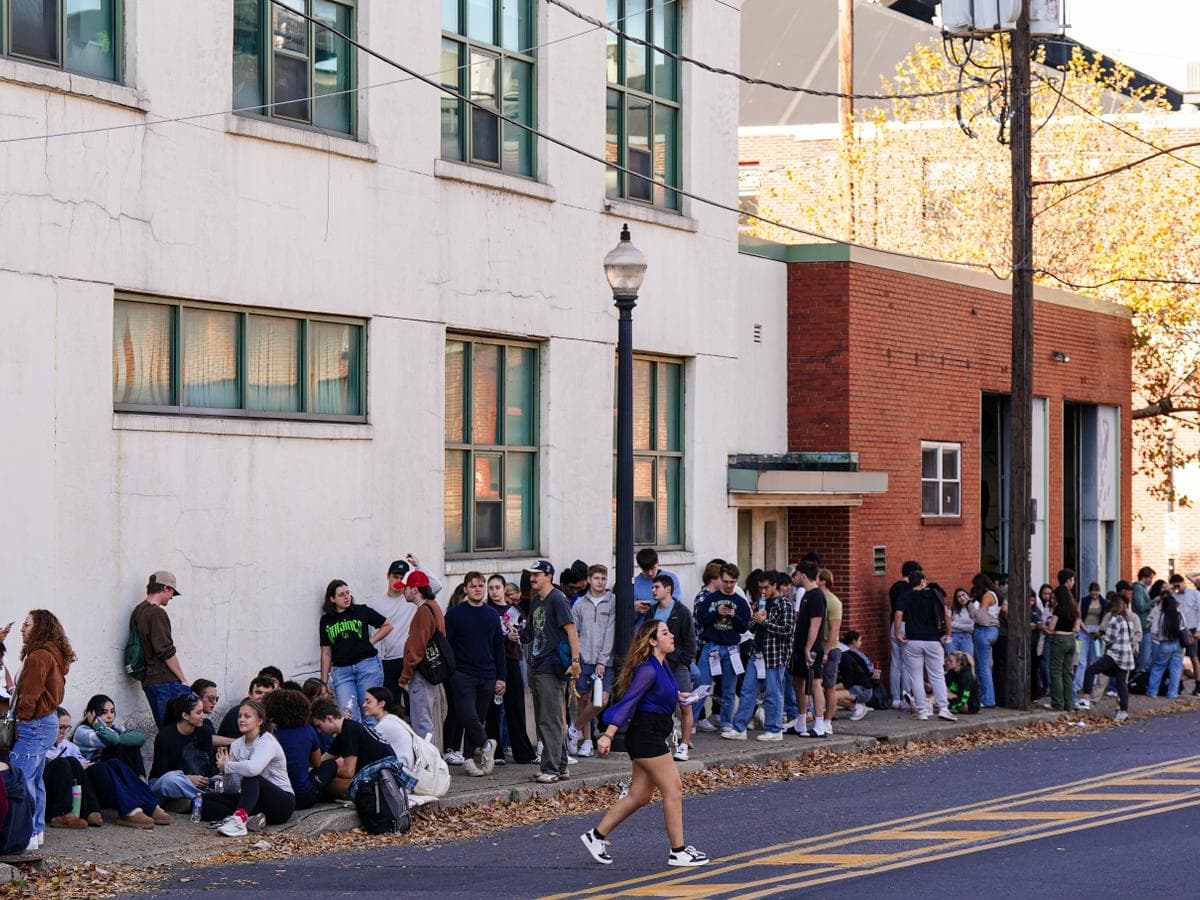
Trump administration remains open to placing federal agents at polls during midterms
This article is made possible through Spotlight PA’s partnership with NOTUS, a nonpartisan news organization that covers government and politics with the fresh eyes of early career journalists and the expertise of veteran reporters. Election officials and lawmakers are alarmed that the administration hasn’t been clear about the circumstances under which it would send federal agents to the polls in November. Elections have been a clear target for the second Trump administration as the president seeks more federal control over how states run their elections — President Donald Trump has made passage of the SAVE America Act, a voter ID bill that would make it more difficult for many Americans to register to vote and cast their ballots, a priority for Congress. And for months, the Department of Homeland Security has also refused to rule out the possibility of sending agents to polls. “I am very concerned about this and they need to make commitments that they’re going to have free and fair voting places,” Sen. Amy Klobuchar told NOTUS. “I think there’s going to be a lot of litigation because to me, that’s where it feels like they’re headed. They’re trying to scare people so they don’t want to vote.” Free Newsletter: Sign up for a free roundup of the top news from across Pennsylvania, all in one daily or weekly email from Spotlight PA. In his confirmation hearing, Secretary of Homeland Security Markwayne Mullin said that he couldn’t “guarantee hypothetically what threat would be” at a polling place that would warrant sending agents to the polls. “The only reason why my officers would be there is if there was a specific threat for them to be there, not for intimidation,” Mullin said at his committee confirmation hearing in response to a question from Michigan Sen. Elissa Slotkin about whether he felt he had the authority to place uniformed officers at polling places. That answer was similar to the one given by his predecessor, Kristi Noem, who had also refused to rule out the possibility while also saying the agency had “no plans” to have ICE officers at polling locations. Nine secretaries of state wrote a letter to Mullin during his confirmation process asking for a definitive response on whether federal agents could be expected at the polls this November. “Every time there’s sort of a new either outrageous or unusual use of ICE being in places where they would not normally need to be, it gives people concern. And of course, one of the biggest concerns folks have is that people who are otherwise eligible to vote, citizens, will just stay home,” New Mexico Secretary of State Maggie Toulouse Oliver, one of the election officials who signed the letter, told NOTUS. For example, she said that tribal members in her state have been mistaken as immigrants by DHS agents in immigration enforcement operations. David Becker, the executive director of the Center for Election Innovation and Research, said that the “law is extremely clear” around deploying armed forces around polling locations. Federal law bars armed “troops or armed men” from being deployed near a polling location, unless to repel “armed enemies of the United States.” “If there’s any attempt to deploy troops or armed men at voting locations, I’m 100% confident that courts are going to strike this down immediately,” Becker said. “Those who are scared of the American voter and act out of fear of the American voter rarely find a way to stop the American voter from making their voice heard,” Becker said. Federal immigration agents could, however, try and intercept people “outside of the electioneering zone,” said Patrick Eddington, a senior fellow at the libertarian think tank the Cato Institute. That type of chilling effect, he argued, could have an outsize influence on which party will control the House of Representatives. “I think it’s a perfectly plausible activity if [White House officials] pick in advance 10 to 20 districts to be outside where that kind of activity could materially suppress the vote enough to actually have a determinative effect in favor of the Republicans,” Eddington said. White House Deputy Press Secretary Abigail Jackson referred NOTUS to a video of Press Secretary Karoline Leavitt at a briefing in early February. “That’s not something I’ve ever heard the president consider, no,” Leavitt said when asked if Trump was considering sending ICE agents to polling locations. “I can’t guarantee that an ICE agent won’t be around a polling location in November,” Leavitt said when the reporter followed up. “That’s frankly a very silly hypothetical question. But what I can tell you is I haven’t heard the president discuss any formal plans to put ICE outside of polling locations. It’s a disingenuous question.” In a call with state election officials in February, the DHS senior election integrity official Heather Honey, a vocal denier of Trump’s 2020 election loss, reportedly also said that ICE would not be at the polls this November. While You’re Here: If you learned something from this report, pay it forward and become a member of Spotlight PA so someone else can in the future. But the comments made by Mullin and Noem have put Democrats and election officials on edge. And outside voices are weighing in to encourage the administration. Last week, Trump ally Steve Bannon said on his podcast that the administration should be looking at ICE’s deployment to airports as a “test case” to “perfect ICE’s involvement in the 2026 midterm election.” In the past two months, as a response to the administration’s hedging, at least eight states have introduced or passed legislation that would, in various manners, limit federal agents’ access to the polls. In Virginia, legislation that would compel federal agents to stay at least 40 feet away from a polling place passed the state general assembly. While the administration has not said it would deploy agents to the polls, lawmakers at the state level are preparing themselves for the possibility. “That makes me more concerned,” said Katrina Callsen, a Virginia state delegate who introduced the legislation, when asked about Mullin’s comments at his confirmation hearing. “That is not shutting the door, that is leaving it open with this kind of ambiguous, undefined way why there might need to be federal agents at our polling places. So if he cannot clearly define and illustrate and point out what he is anticipating, no, I don’t feel comfortable.” Republican lawmakers on Capitol Hill, meanwhile, were not alarmed by the remarks. “The Democrats have said they don’t want ICE agents at polling places,” Sen. James Lankford, a Republican member of the Homeland Security Committee, told NOTUS. “The obvious question is, people that are not legally present shouldn’t be at a polling place. What is the issue here?” The Republican Party has made election security and immigration enforcement cornerstones of their messaging in recent years and have often tied the two together. “If it’s necessary from a law enforcement perspective, I hope it wouldn’t be. I can’t imagine the rationale for it other than if they thought there was mass illegal voting,” Sen. Josh Hawley, another Republican committee member, told NOTUS.
Trump administration remains open to placing federal agents at polls during midterms
This article is made possible through Spotlight PA’s partnership with NOTUS, a nonpartisan news organization that covers government and politics with the fresh eyes of early career journalists and the expertise of veteran reporters. Election officials and lawmakers are alarmed that the administration hasn’t been clear about the circumstances under which it would send federal agents to the polls in November. Elections have been a clear target for the second Trump administration as the president seeks more federal control over how states run their elections — President Donald Trump has made passage of the SAVE America Act, a voter ID bill that would make it more difficult for many Americans to register to vote and cast their ballots, a priority for Congress. And for months, the Department of Homeland Security has also refused to rule out the possibility of sending agents to polls. “I am very concerned about this and they need to make commitments that they’re going to have free and fair voting places,” Sen. Amy Klobuchar told NOTUS. “I think there’s going to be a lot of litigation because to me, that’s where it feels like they’re headed. They’re trying to scare people so they don’t want to vote.” Free Newsletter: Sign up for a free roundup of the top news from across Pennsylvania, all in one daily or weekly email from Spotlight PA. In his confirmation hearing, Secretary of Homeland Security Markwayne Mullin said that he couldn’t “guarantee hypothetically what threat would be” at a polling place that would warrant sending agents to the polls. “The only reason why my officers would be there is if there was a specific threat for them to be there, not for intimidation,” Mullin said at his committee confirmation hearing in response to a question from Michigan Sen. Elissa Slotkin about whether he felt he had the authority to place uniformed officers at polling places. That answer was similar to the one given by his predecessor, Kristi Noem, who had also refused to rule out the possibility while also saying the agency had “no plans” to have ICE officers at polling locations. Nine secretaries of state wrote a letter to Mullin during his confirmation process asking for a definitive response on whether federal agents could be expected at the polls this November. “Every time there’s sort of a new either outrageous or unusual use of ICE being in places where they would not normally need to be, it gives people concern. And of course, one of the biggest concerns folks have is that people who are otherwise eligible to vote, citizens, will just stay home,” New Mexico Secretary of State Maggie Toulouse Oliver, one of the election officials who signed the letter, told NOTUS. For example, she said that tribal members in her state have been mistaken as immigrants by DHS agents in immigration enforcement operations. David Becker, the executive director of the Center for Election Innovation and Research, said that the “law is extremely clear” around deploying armed forces around polling locations. Federal law bars armed “troops or armed men” from being deployed near a polling location, unless to repel “armed enemies of the United States.” “If there’s any attempt to deploy troops or armed men at voting locations, I’m 100% confident that courts are going to strike this down immediately,” Becker said. “Those who are scared of the American voter and act out of fear of the American voter rarely find a way to stop the American voter from making their voice heard,” Becker said. Federal immigration agents could, however, try and intercept people “outside of the electioneering zone,” said Patrick Eddington, a senior fellow at the libertarian think tank the Cato Institute. That type of chilling effect, he argued, could have an outsize influence on which party will control the House of Representatives. “I think it’s a perfectly plausible activity if [White House officials] pick in advance 10 to 20 districts to be outside where that kind of activity could materially suppress the vote enough to actually have a determinative effect in favor of the Republicans,” Eddington said. White House Deputy Press Secretary Abigail Jackson referred NOTUS to a video of Press Secretary Karoline Leavitt at a briefing in early February. “That’s not something I’ve ever heard the president consider, no,” Leavitt said when asked if Trump was considering sending ICE agents to polling locations. “I can’t guarantee that an ICE agent won’t be around a polling location in November,” Leavitt said when the reporter followed up. “That’s frankly a very silly hypothetical question. But what I can tell you is I haven’t heard the president discuss any formal plans to put ICE outside of polling locations. It’s a disingenuous question.” In a call with state election officials in February, the DHS senior election integrity official Heather Honey, a vocal denier of Trump’s 2020 election loss, reportedly also said that ICE would not be at the polls this November. While You’re Here: If you learned something from this report, pay it forward and become a member of Spotlight PA so someone else can in the future. But the comments made by Mullin and Noem have put Democrats and election officials on edge. And outside voices are weighing in to encourage the administration. Last week, Trump ally Steve Bannon said on his podcast that the administration should be looking at ICE’s deployment to airports as a “test case” to “perfect ICE’s involvement in the 2026 midterm election.” In the past two months, as a response to the administration’s hedging, at least eight states have introduced or passed legislation that would, in various manners, limit federal agents’ access to the polls. In Virginia, legislation that would compel federal agents to stay at least 40 feet away from a polling place passed the state general assembly. While the administration has not said it would deploy agents to the polls, lawmakers at the state level are preparing themselves for the possibility. “That makes me more concerned,” said Katrina Callsen, a Virginia state delegate who introduced the legislation, when asked about Mullin’s comments at his confirmation hearing. “That is not shutting the door, that is leaving it open with this kind of ambiguous, undefined way why there might need to be federal agents at our polling places. So if he cannot clearly define and illustrate and point out what he is anticipating, no, I don’t feel comfortable.” Republican lawmakers on Capitol Hill, meanwhile, were not alarmed by the remarks. “The Democrats have said they don’t want ICE agents at polling places,” Sen. James Lankford, a Republican member of the Homeland Security Committee, told NOTUS. “The obvious question is, people that are not legally present shouldn’t be at a polling place. What is the issue here?” The Republican Party has made election security and immigration enforcement cornerstones of their messaging in recent years and have often tied the two together. “If it’s necessary from a law enforcement perspective, I hope it wouldn’t be. I can’t imagine the rationale for it other than if they thought there was mass illegal voting,” Sen. Josh Hawley, another Republican committee member, told NOTUS.
Trump administration remains open to placing federal agents at polls during midterms
This article is made possible through Spotlight PA’s partnership with NOTUS, a nonpartisan news organization that covers government and politics with the fresh eyes of early career journalists and the expertise of veteran reporters. Election officials and lawmakers are alarmed that the administration hasn’t been clear about the circumstances under which it would send federal agents to the polls in November. Elections have been a clear target for the second Trump administration as the president seeks more federal control over how states run their elections — President Donald Trump has made passage of the SAVE America Act, a voter ID bill that would make it more difficult for many Americans to register to vote and cast their ballots, a priority for Congress. And for months, the Department of Homeland Security has also refused to rule out the possibility of sending agents to polls. “I am very concerned about this and they need to make commitments that they’re going to have free and fair voting places,” Sen. Amy Klobuchar told NOTUS. “I think there’s going to be a lot of litigation because to me, that’s where it feels like they’re headed. They’re trying to scare people so they don’t want to vote.” Free Newsletter: Sign up for a free roundup of the top news from across Pennsylvania, all in one daily or weekly email from Spotlight PA. In his confirmation hearing, Secretary of Homeland Security Markwayne Mullin said that he couldn’t “guarantee hypothetically what threat would be” at a polling place that would warrant sending agents to the polls. “The only reason why my officers would be there is if there was a specific threat for them to be there, not for intimidation,” Mullin said at his committee confirmation hearing in response to a question from Michigan Sen. Elissa Slotkin about whether he felt he had the authority to place uniformed officers at polling places. That answer was similar to the one given by his predecessor, Kristi Noem, who had also refused to rule out the possibility while also saying the agency had “no plans” to have ICE officers at polling locations. Nine secretaries of state wrote a letter to Mullin during his confirmation process asking for a definitive response on whether federal agents could be expected at the polls this November. “Every time there’s sort of a new either outrageous or unusual use of ICE being in places where they would not normally need to be, it gives people concern. And of course, one of the biggest concerns folks have is that people who are otherwise eligible to vote, citizens, will just stay home,” New Mexico Secretary of State Maggie Toulouse Oliver, one of the election officials who signed the letter, told NOTUS. For example, she said that tribal members in her state have been mistaken as immigrants by DHS agents in immigration enforcement operations. David Becker, the executive director of the Center for Election Innovation and Research, said that the “law is extremely clear” around deploying armed forces around polling locations. Federal law bars armed “troops or armed men” from being deployed near a polling location, unless to repel “armed enemies of the United States.” “If there’s any attempt to deploy troops or armed men at voting locations, I’m 100% confident that courts are going to strike this down immediately,” Becker said. “Those who are scared of the American voter and act out of fear of the American voter rarely find a way to stop the American voter from making their voice heard,” Becker said. Federal immigration agents could, however, try and intercept people “outside of the electioneering zone,” said Patrick Eddington, a senior fellow at the libertarian think tank the Cato Institute. That type of chilling effect, he argued, could have an outsize influence on which party will control the House of Representatives. “I think it’s a perfectly plausible activity if [White House officials] pick in advance 10 to 20 districts to be outside where that kind of activity could materially suppress the vote enough to actually have a determinative effect in favor of the Republicans,” Eddington said. White House Deputy Press Secretary Abigail Jackson referred NOTUS to a video of Press Secretary Karoline Leavitt at a briefing in early February. “That’s not something I’ve ever heard the president consider, no,” Leavitt said when asked if Trump was considering sending ICE agents to polling locations. “I can’t guarantee that an ICE agent won’t be around a polling location in November,” Leavitt said when the reporter followed up. “That’s frankly a very silly hypothetical question. But what I can tell you is I haven’t heard the president discuss any formal plans to put ICE outside of polling locations. It’s a disingenuous question.” In a call with state election officials in February, the DHS senior election integrity official Heather Honey, a vocal denier of Trump’s 2020 election loss, reportedly also said that ICE would not be at the polls this November. While You’re Here: If you learned something from this report, pay it forward and become a member of Spotlight PA so someone else can in the future. But the comments made by Mullin and Noem have put Democrats and election officials on edge. And outside voices are weighing in to encourage the administration. Last week, Trump ally Steve Bannon said on his podcast that the administration should be looking at ICE’s deployment to airports as a “test case” to “perfect ICE’s involvement in the 2026 midterm election.” In the past two months, as a response to the administration’s hedging, at least eight states have introduced or passed legislation that would, in various manners, limit federal agents’ access to the polls. In Virginia, legislation that would compel federal agents to stay at least 40 feet away from a polling place passed the state general assembly. While the administration has not said it would deploy agents to the polls, lawmakers at the state level are preparing themselves for the possibility. “That makes me more concerned,” said Katrina Callsen, a Virginia state delegate who introduced the legislation, when asked about Mullin’s comments at his confirmation hearing. “That is not shutting the door, that is leaving it open with this kind of ambiguous, undefined way why there might need to be federal agents at our polling places. So if he cannot clearly define and illustrate and point out what he is anticipating, no, I don’t feel comfortable.” Republican lawmakers on Capitol Hill, meanwhile, were not alarmed by the remarks. “The Democrats have said they don’t want ICE agents at polling places,” Sen. James Lankford, a Republican member of the Homeland Security Committee, told NOTUS. “The obvious question is, people that are not legally present shouldn’t be at a polling place. What is the issue here?” The Republican Party has made election security and immigration enforcement cornerstones of their messaging in recent years and have often tied the two together. “If it’s necessary from a law enforcement perspective, I hope it wouldn’t be. I can’t imagine the rationale for it other than if they thought there was mass illegal voting,” Sen. Josh Hawley, another Republican committee member, told NOTUS.