19 stories credited to opb
Latest story Sep 21, 2026 · on ChamberLight since Apr 2026
A story can appear as several articles (copies of the same piece), so counts of stories and of articles differ.
Scores for opb
Political lean
17 stories · 95% range 38–45 · updated Sep 24, 2026
Originality
9 of those 19 carry an unconfirmed copying flag, which is not evidence either way.
19 stories · updated Sep 24, 2026
Writing quality 89 of 100: the average rating of 17 stories, each rated on its own (separate from credibility). How it is measured
Scores last checked Sep 25, 2026.
Stories ChamberLight collected, by month
Stories credited to opb, by publication date. ChamberLight collects articles that mention the officials it tracks, so this shows its own coverage of this source, not how much the source publishes.
- Stories from opb
- Shaded: ChamberLight collected no stories, or almost none, from any outlet (a gap in its collection, not in the outlet’s publishing)
Show as a table
| Month | Stories | All outlets |
|---|---|---|
| March 2026 | 5 | 721 |
| April 2026 | 12 | 4,538 |
| May 2026 | 0 | none collected |
| June 2026 | 0 | none collected |
| July 2026 | 0 | none collected |
| August 2026 | 0 | 1 (collection gap) |
| September 2026 | 2 | 1,320 |
Top topics
Share of this source’s stories tagged with each topic. A story can carry several topics, so the shares do not add up to 100%.
- Ethics/Corruption13
68% of 19 stories · 58% across all outlets
- Budget/Spending7
37% of 19 stories · 31% across all outlets
- Immigration6
32% of 19 stories · 13% across all outlets
- Economy5
26% of 19 stories · 26% across all outlets
- Criminal Justice4
21% of 19 stories · 19% across all outlets
- Defense/Military3
16% of 19 stories · 25% across all outlets
- Foreign Policy3
16% of 19 stories · 29% across all outlets
- Abortion/Reproductive Rights2
11% of 19 stories · 1% across all outlets
The thin mark on each bar is the topic’s share across all outlets.
Who they cover
Party of the officials these stories are mainly about, across all 20 officials named. A story counts once for each official it is mainly about, so the split is over 43 story–official pairs, from 19 stories.
- Democrat56% · 24 pairs
- Republican28% · 12 pairs
- Party not recorded16% · 7 pairs
Most covered
Stories mainly about each official, and their share of the source’s 19 stories.
- 1Ron WydenD10 stories · 53%
- 2Donald TrumpR6 stories · 32%
- 3Jeff MerkleyD6 stories · 32%
- 4Andrea SalinasD2 stories · 11%
- 5Marie Gluesenkamp Perez–2 stories · 11%
- 6Robert F. Kennedy Jr.R2 stories · 11%
- 7Val HoyleD2 stories · 11%
- 8Ayanna PressleyD1 story · 5%
- 9Bobby Lyons–1 story · 5%
- 10Brooke RollinsR1 story · 5%
+ 10 other officials (10 story–official pairs)
Article tone
ChamberLight’s article analysis assigns each story a tone toward the official it covers. It describes the coverage of that official, not opb’s stance, and reader votes do not change it. 19 stories.
- Good Look
- 8 (42%)
- Mixed
- 7 (37%)
- Informational
- 0 (0%)
- Bad Look
- 4 (21%)
Related sources
Lean 95% range 36–48 · updated Sep 25, 2026
Similar lean · 1 shared topic
Lean 95% range 37–46 · updated Sep 25, 2026
Similar lean · 2 shared topics
Lean 95% range 41–45 · updated Sep 25, 2026
Similar lean · 1 shared topic
Lean 95% range 42.1–44.7 · updated Sep 25, 2026
Similar lean · 2 shared topics
Lean 95% range 37–50 · updated Sep 25, 2026
Similar lean · 2 shared topics
Lean 95% range 39–49 · updated Sep 25, 2026
Similar lean · 1 shared topic
Challenges to these scores
No one has challenged a score on this page yet. Anyone can; editors publish every outcome here.
Articles served from opb.org
43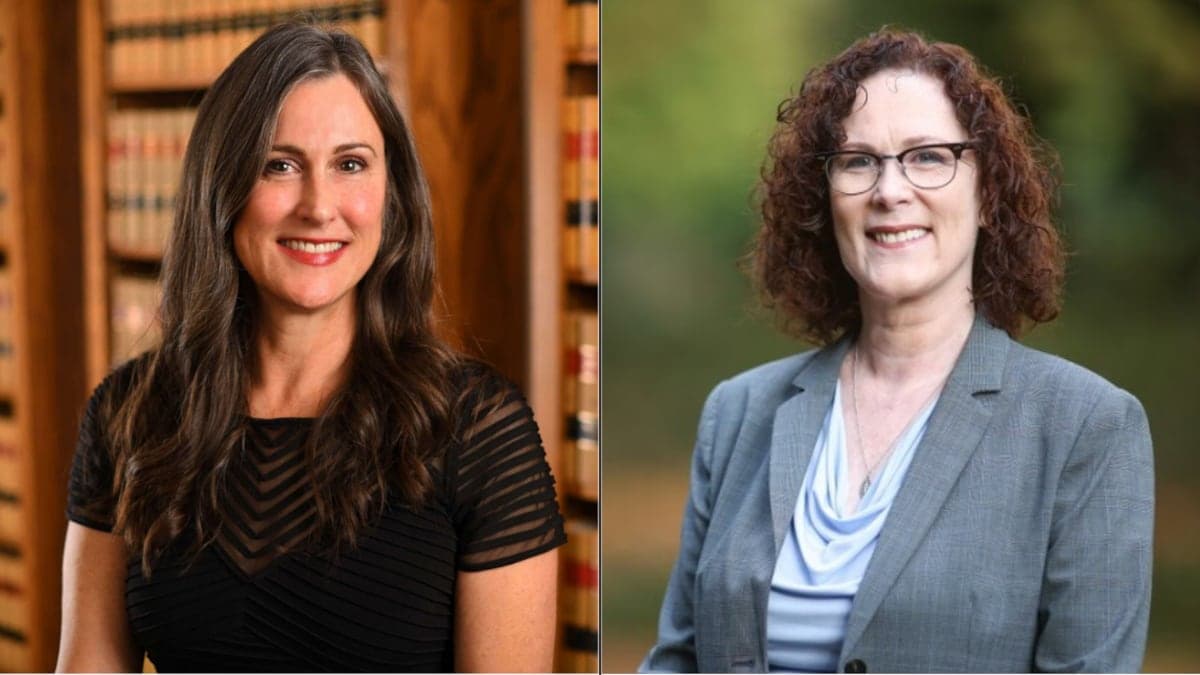
AI, data centers take center stage in rematch for Oregon's 4th Congressional District
Voters in Oregon's 4th Congressional District, which stretches from the Roseburg area and the coast to Eugene, may feel like they're experiencing deja vu. Democratic incumbent Rep. Val Hoyle is once again facing off with Republican retired Air Force Col. Monique DeSpain, whom she beat in 2024. Paci
AI, data centers take center stage in rematch for Oregon's 4th Congressional District
Voters in Oregon's 4th Congressional District, which stretches from the Roseburg area and the coast to Eugene, may feel like they're experiencing deja vu. Democratic incumbent Rep. Val Hoyle is once again facing off with Republican retired Air Force Col. Monique DeSpain, whom she beat in 2024. Paci
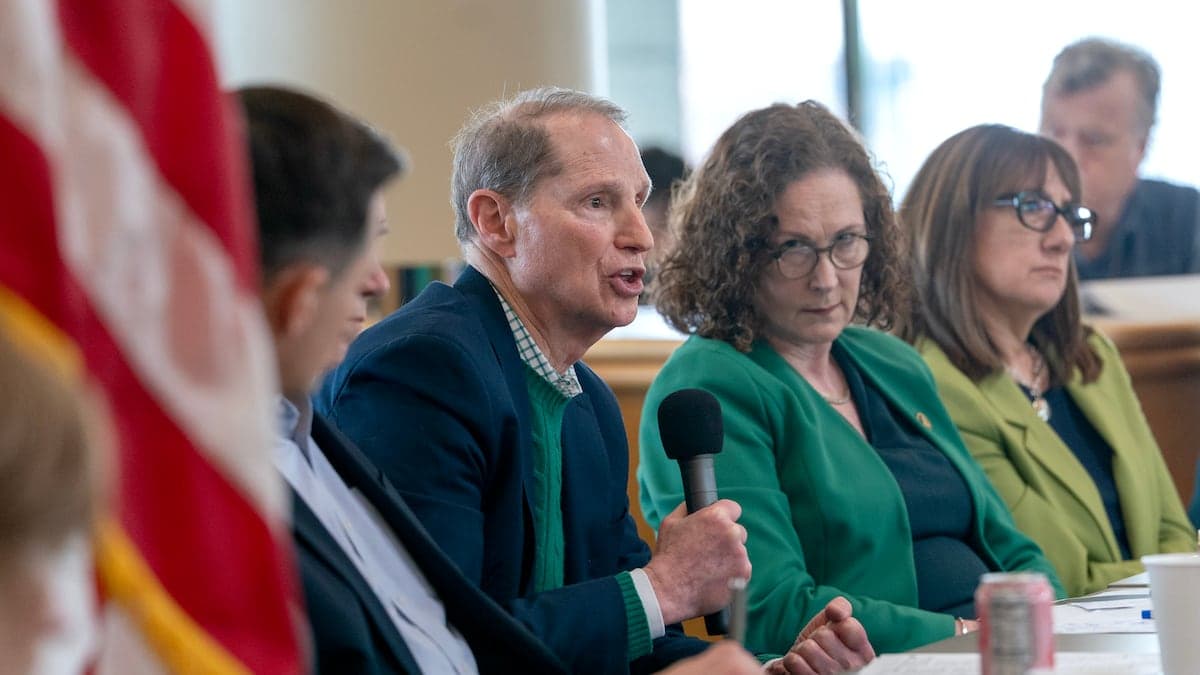
Oregon lawmakers introduce federal bill to end 'corporate America's chokehold' on health care
Oregon's fight against corporate control of medicine moved onto the national stage on Wednesday as U.S. Rep. Val Hoyle and Sens. Jeff Merkley and Ron Wyden-all Democrats-were among a group of lawmakers to introduce a federal version of Oregon's landmark ban on the corporate practice of medicine. Th
Oregon lawmakers introduce federal bill to end 'corporate America's chokehold' on health care
Oregon's fight against corporate control of medicine moved onto the national stage on Wednesday as U.S. Rep. Val Hoyle and Sens. Jeff Merkley and Ron Wyden-all Democrats-were among a group of lawmakers to introduce a federal version of Oregon's landmark ban on the corporate practice of medicine. Th
Oregon lawmakers introduce federal bill to end 'corporate America's chokehold' on health care
Oregon's fight against corporate control of medicine moved onto the national stage on Wednesday as U.S. Rep. Val Hoyle and Sens. Jeff Merkley and Ron Wyden-all Democrats-were among a group of lawmakers to introduce a federal version of Oregon's landmark ban on the corporate practice of medicine. Th

After almost 2-year lapse, Oregon counties get nearly $100 million from Secure Rural Schools
Most Oregon counties are set to receive nearly $100 million from the federal Secure Rural Schools Act after Congress let funding for the 25-year-old program lapse for almost two years. The U.S. Forest Service and Oregon’s U.S. Sens. Ron Wyden and Jeff Merkley, both Democrats, announced the state would get $48.6 million in the current fiscal year to distribute to 30 rural counties and their schools, and an additional almost $49 million in retroactive 2024 funding. The program provides tens of millions each year for rural schools and communities that previously benefited from revenue generated by natural resource industries on public lands. Since 2000, it has provided $7 billion in payments to more than 700 counties and 4,400 school districts across 40 states and Puerto Rico that have large swaths of federal land within their borders. Oregon, where more than half of the state consists of federal land, has experienced the biggest loss of any state since the funding lapsed in 2024: nearly $48.7 million in money for rural roads, public services and schools, according to a September report from the D.C.-based Center for American Progress, a liberal public policy and think tank. Wyden, who co-authored the original Secure Rural Schools Act and who led a year-long bipartisan campaign to renew it, said in a statement it’s a relief that schools and communities that have relied on the fund for a quarter century will be made whole. He also said they need the funding to be untied from the whims of Congress. “Young Oregonians who deserve quality schools, and all Oregonians counting on safe roads as well as dependable public safety will all benefit from these investments in communities throughout our state,” Wyden said. “I’m glad these funds are heading to Oregon, and I am focused on a permanent solution that takes rural communities off this year-to-year financial rollercoaster.” Twice since December 2024, the Senate voted to renew the act in an effort led by Wyden and Idaho’s senior U.S. Sen. Mike Crapo, a Republican. But each time the Senate approved it, the House failed to take a vote. The bill lapsed in 2023, and counties haven’t gotten payments since early 2024. After House Republicans failed to reauthorize the act in the tax and spending cut megalaw they passed in July, the campaign to get something done by year’s end ramped up, and in December, House Republicans at last voted to reup the fund through September 2026. Oregon Capital Chronicle is part of States Newsroom, a network of news bureaus supported by grants and a coalition of donors as a 501(c)(3) public charity. Oregon Capital Chronicle maintains editorial independence. Contact Editor Julia Shumway for questions: info@oregoncapitalchronicle.com. Follow Oregon Capital Chronicle on Facebook and Bluesky. This republished story is part of OPB’s broader effort to ensure that everyone in our region has access to quality journalism that informs, entertains and enriches their lives. To learn more, visit opb.org/partnerships.
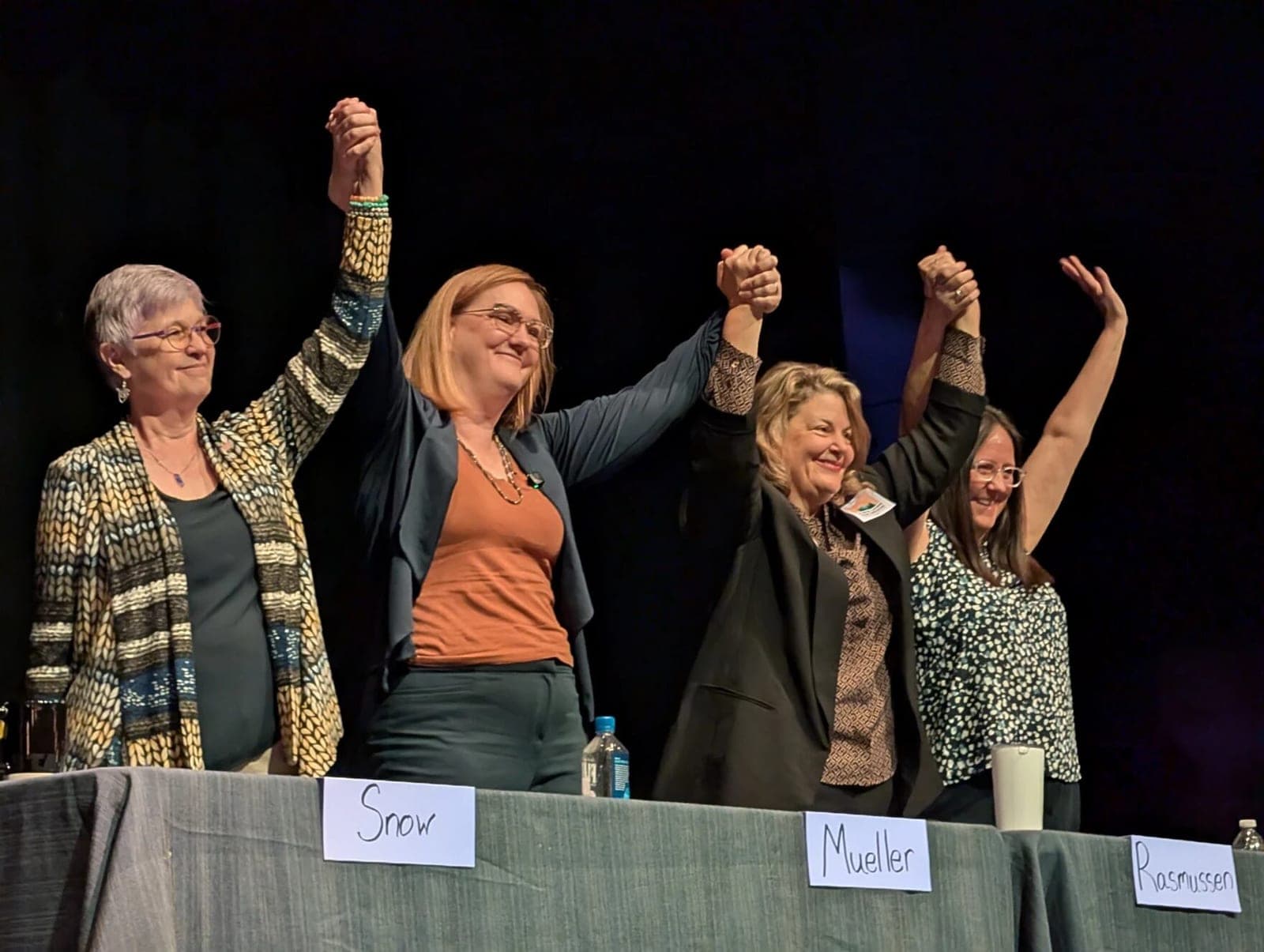
6 Democrats compete to unseat Bentz in Oregon’s 2nd Congressional District
Oregon’s 2nd Congressional District is the largest in the state, covering 20 counties across Central and Eastern Oregon. Cliff Bentz, the only Republican representing the state in Congress, has held that seat since 2021. Six Democratic Party primary contenders want to flip the district. But to do so, they’ll need to reach conservative and independent voters. Dawn Rasmussen, a small business owner and former school board member, said the first step is to listen to what constituents have to say. “I’m actually going to those places that are, you know, scary for me because I’m the only one that’s blue and everybody else is red,” Rasmussen said. “It’s not about me telling my story as much as it is about listening to what their stories are.” Rebecca Mueller, a pediatrician who grew up a Christian conservative only to eventually drop the conservative tag, said she’s heard plenty of voters’ stories while working in a rural clinic. “You get an inside scoop to what it looks like to not be able to pay your bills, to not have reliable housing, to have mold growing in your house, to have landlords accusing you of doing things and breaking the bank,” Mueller said. Peter Quince, another small business owner, calls himself a policy wonk. He said he wants to remind voters of a less partisan time in our country, when policies mattered most. “The difference between then and now is we all cared for and about each other,” Quince said. “There were no hard partisan lines. It was a marketplace of ideas and let the best idea win.” While candidates spoke of unity and working together, they also want to set themselves apart from the Republican Party. Recent polling shows more than half of Americans disapprove of President Trump’s performance, with concerns ranging from tariffs to immigration enforcement to the Iran war. Mary Doyle, an educator, doesn’t think Bentz has stood up to this administration. “It’s going to be paramount to highlight the corporate capture of Cliff Bentz,” Doyle said. ”It’s also important to highlight with voters the lies that are being told and to bring the receipts.” Chris Beck is the only former politician running. He was a state house representative before working at the U.S. Department of Agriculture under the Obama administration. He also linked Bentz to Trump. “Most people in the district are pretty troubled by some of the venomous, war-crimes intended, profanity-laden speeches that have come out from the president,” he said. “And we still haven’t heard anything from Cliff Bentz about it.” In 2024, Bentz won his seat with 64% of the vote. But Patty Snow, who has worked in business and written a novel, said things have shifted over the past two years.. “This is a different world than it was in 2024,” she said. “We now are at war from a president who said he would stop wars.” The Democratic winner will face an uphill battle to wrest Republican control over the district, said Portland State University political science professor Chris Shortell. “It’s just a very heavily Republican district,” Shortell said. “That’s the way that it’s drawn, that’s the way that it has historically voted.” Bentz has about $1.3 million in his campaign fund, and while Trump and the Republican Party aren’t polling high, neither is the Democratic Party. But Shortell said flipping the seat isn’t impossible. This election season can upend expectations, he explained, depending on the president’s actions. “The only thing that would make this race competitive is low levels of public support for President Trump,” he said. Bentz will be facing two challengers in the Republican primary on May 19. Justin Higginbottom is a reporter with Jefferson Public Radio. This story comes to you from the Northwest News Network, a collaboration between public media organizations in Oregon and Washington. It is part of OPB’s broader effort to ensure that everyone in our region has access to quality journalism that informs, entertains and enriches their lives. To learn more, visit our journalism partnerships page.

House passes bill extending protections for Haitian migrants in the U.S.
The U.S. House voted on Thursday to extend temporary protected status for Haitian migrants through 2029, with several Republicans supporting the Democratic-endorsed measure to curb President Trump’s immigration crackdown. The vote was split 224-204, with 10 Republicans joining the Democrats in approving the resolution. Rep. Ayanna Pressley (D-Mass.), who led the effort, used a congressional procedure called a discharge petition to force a vote to the floor. “This is a monumental victory in a long-fought battle to protect the safety, dignity, and humanity of our Haitian neighbors,” Pressley said in a statement after the bill’s passage. “Democrats and Republicans alike have come together to support our Haitian neighbors not just because this is good, commonsense policy, but because it is the right, humane thing to do.” Many of the Republicans who voted for the measure are from districts considered competitive in the upcoming midterm election, including in New York. The Republicans who voted in favor of the measure include Florida Reps. María Elvira Salazar, Carlos Gimenez and Mario Diaz-Balart, and Ohio Reps. Mike Carey and Mike Turner. The bill now heads to the Senate, where it faces an uphill battle against a Republican majority. If it does pass the Senate, the White House has said that Trump would veto the bill. “The Administration understands members have to vote their districts at times,” the White House said in a statement to NPR. “This terrible bill is going nowhere and there has been a veto threat issued. The administration is focused on enforcing federal immigration law and putting American citizens first.” Haiti is one of more than a dozen countries Trump has targeted to strip temporary protected status (TPS) for its citizens. TPS is intended to provide a safe haven for foreign nationals whose home countries are experiencing armed conflict, fallout from natural disasters, and other temporarily unsafe conditions. Haitians were granted protections in 2010 under then-President Obama following the devastating earthquake that rocked the already beleaguered nation and left an estimated 220,000 dead and 1.5 million people displaced. The Biden and first Trump administrations both extended TPS for Haitian refugees. Proponents of the extensions say the country remains wracked by gang violence and crumbling medical infrastructure. Despite what the U.N. describes as a humanitarian crisis in the country, the Department of Homeland Security said that there are no longer “extraordinary and temporary conditions” to prevent refugees from returning to the Caribbean nation and that it was “contrary to the national interest of the United States” to allow them to remain. Trump has described Haitian migrants as a threat to the American way of life, including spreading a racist and unfounded lie that Haitians were eating household pets in Springfield, Ohio. Trump previously announced that the protected status for the more than 330,000 Haitians as well as some 6,000 Syrians who live in the U.S. would end in February, but a federal judge blocked the administration from issuing those deportation orders. Their status remains protected pending a decision from the Supreme Court. The high court is set to hear arguments on that case this month with a decision likely by June.
House passes bill extending protections for Haitian migrants in the U.S.
The U.S. House voted on Thursday to extend temporary protected status for Haitian migrants through 2029, with several Republicans supporting the Democratic-endorsed measure to curb President Trump’s immigration crackdown. The vote was split 224-204, with 10 Republicans joining the Democrats in approving the resolution. Rep. Ayanna Pressley (D-Mass.), who led the effort, used a congressional procedure called a discharge petition to force a vote to the floor. “This is a monumental victory in a long-fought battle to protect the safety, dignity, and humanity of our Haitian neighbors,” Pressley said in a statement after the bill’s passage. “Democrats and Republicans alike have come together to support our Haitian neighbors not just because this is good, commonsense policy, but because it is the right, humane thing to do.” Many of the Republicans who voted for the measure are from districts considered competitive in the upcoming midterm election, including in New York. The Republicans who voted in favor of the measure include Florida Reps. María Elvira Salazar, Carlos Gimenez and Mario Diaz-Balart, and Ohio Reps. Mike Carey and Mike Turner. The bill now heads to the Senate, where it faces an uphill battle against a Republican majority. If it does pass the Senate, the White House has said that Trump would veto the bill. “The Administration understands members have to vote their districts at times,” the White House said in a statement to NPR. “This terrible bill is going nowhere and there has been a veto threat issued. The administration is focused on enforcing federal immigration law and putting American citizens first.” Haiti is one of more than a dozen countries Trump has targeted to strip temporary protected status (TPS) for its citizens. TPS is intended to provide a safe haven for foreign nationals whose home countries are experiencing armed conflict, fallout from natural disasters, and other temporarily unsafe conditions. Haitians were granted protections in 2010 under then-President Obama following the devastating earthquake that rocked the already beleaguered nation and left an estimated 220,000 dead and 1.5 million people displaced. The Biden and first Trump administrations both extended TPS for Haitian refugees. Proponents of the extensions say the country remains wracked by gang violence and crumbling medical infrastructure. Despite what the U.N. describes as a humanitarian crisis in the country, the Department of Homeland Security said that there are no longer “extraordinary and temporary conditions” to prevent refugees from returning to the Caribbean nation and that it was “contrary to the national interest of the United States” to allow them to remain. Trump has described Haitian migrants as a threat to the American way of life, including spreading a racist and unfounded lie that Haitians were eating household pets in Springfield, Ohio. Trump previously announced that the protected status for the more than 330,000 Haitians as well as some 6,000 Syrians who live in the U.S. would end in February, but a federal judge blocked the administration from issuing those deportation orders. Their status remains protected pending a decision from the Supreme Court. The high court is set to hear arguments on that case this month with a decision likely by June.
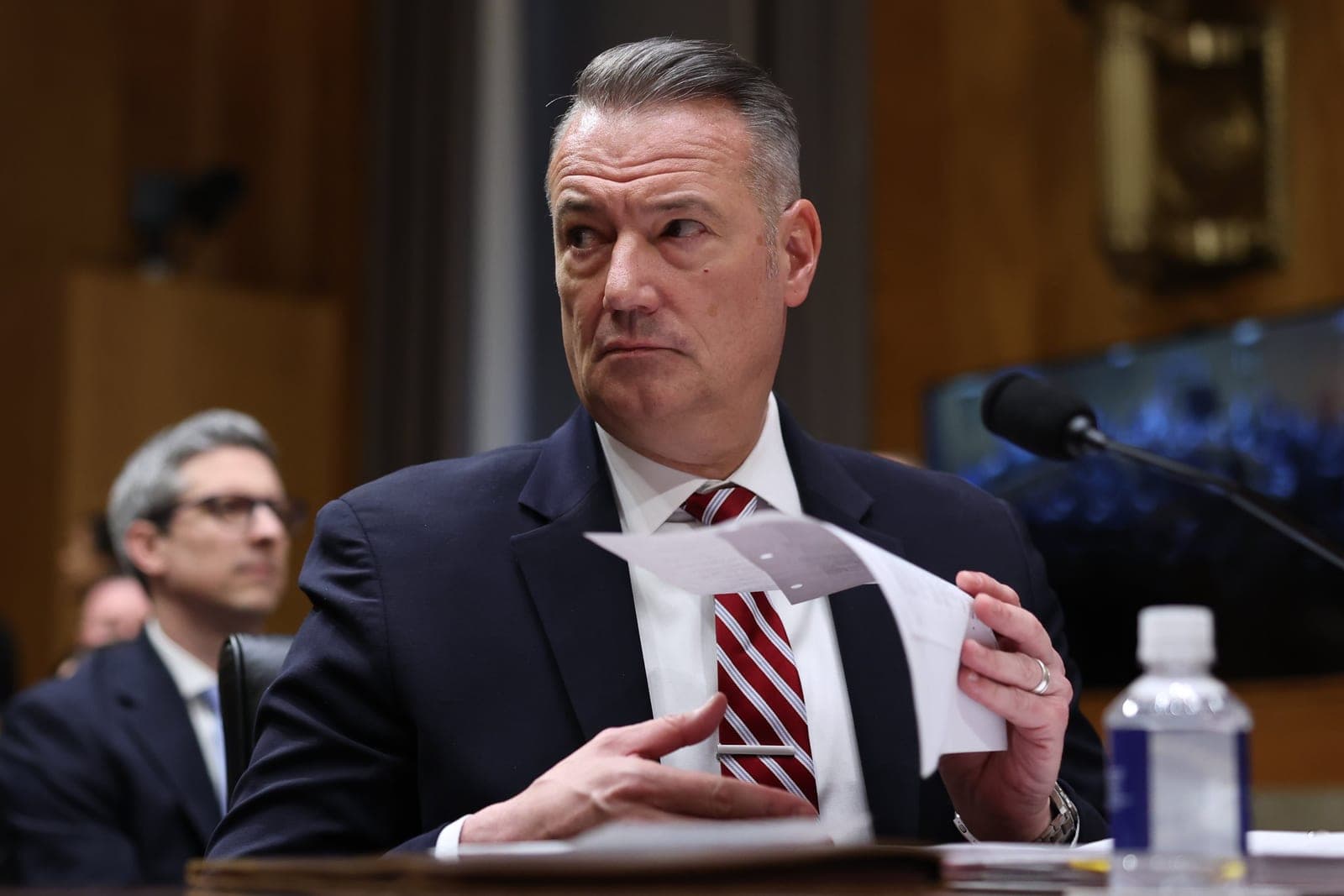
Portland immigration operation spanned months, included 100 ICE agents
The Trump administration released new details Wednesday about “Operation Black Rose,” a months-long federal immigration enforcement campaign in the Portland area, resulting in more than 1,100 arrests across Oregon. The immigration operation began the same day President Donald Trump announced he would federalize and deploy hundreds of Oregon National Guard members to the city, over the objections of the governor, according to Todd Lyons, acting leader of U.S. Immigration and Customs Enforcement. It also included more than 100 federal officers, Lyons said, and ran between Sept. 27 until March 1. He said the operation was necessary because of Oregon’s decades-old sanctuary law, which prohibits local and state resources from being used in immigration enforcement. “Such large-scale operations would be less necessary if sanctuary jurisdictions, like Portland, Oregon, cooperated with ICE and other federal law enforcement agencies in the execution of their statutory responsibilities,” Lyons wrote in a letter dated Wednesday and sent to U.S. Sen. Ron Wyden, D-Ore. The senior immigration official was responding to a letter Democrats from Oregon’s Congressional delegation sent former Homeland Security Secretary Kristi Noem prior to her firing. “We write to express serious concern about the Department of Homeland Security’s excessive use of force and agents performing crowd control in Portland,” several of Oregon’s elected representatives wrote in an Oct. 16, 2025 letter to Noem. “Your federal agents weren’t invited, they aren’t needed, and their presence has fomented the very violence you claim they are there to prevent.” Protests outside the Portland ICE building have been frequent throughout the past year, often resulting in federal officers using crowd control weapons, such as tear gas, on protesters — both peaceful and those suspected or charged with crimes. Six months later, Lyons’ response addressed concerns about federal officers’ use of force as well as how they identify themselves. “While some ICE personnel may choose to wear masks for their own safety, they are required to identify themselves as immigration officers as soon as it is practical and safe,” Lyons wrote. “When operationally feasible, ICE coordinates with local officials when deploying chemical irritants.” In addition to the 100 ICE agents, Lyons wrote “Operation Black Rose” was also aided by federal agents from the Drug Enforcement Administration, Customs and Border Protection as well as the Bureau of Alcohol, Tobacco, Firearms and Explosives. This story may be updated.
Portland immigration operation spanned months, included 100 ICE agents
The Trump administration released new details Wednesday about “Operation Black Rose,” a months-long federal immigration enforcement campaign in the Portland area, resulting in more than 1,100 arrests across Oregon. The immigration operation began the same day President Donald Trump announced he would federalize and deploy hundreds of Oregon National Guard members to the city, over the objections of the governor, according to Todd Lyons, acting leader of U.S. Immigration and Customs Enforcement. It also included more than 100 federal officers, Lyons said, and ran between Sept. 27 until March 1. He said the operation was necessary because of Oregon’s decades-old sanctuary law, which prohibits local and state resources from being used in immigration enforcement. “Such large-scale operations would be less necessary if sanctuary jurisdictions, like Portland, Oregon, cooperated with ICE and other federal law enforcement agencies in the execution of their statutory responsibilities,” Lyons wrote in a letter dated Wednesday and sent to U.S. Sen. Ron Wyden, D-Ore. The senior immigration official was responding to a letter Democrats from Oregon’s Congressional delegation sent former Homeland Security Secretary Kristi Noem prior to her firing. “We write to express serious concern about the Department of Homeland Security’s excessive use of force and agents performing crowd control in Portland,” several of Oregon’s elected representatives wrote in an Oct. 16, 2025 letter to Noem. “Your federal agents weren’t invited, they aren’t needed, and their presence has fomented the very violence you claim they are there to prevent.” Protests outside the Portland ICE building have been frequent throughout the past year, often resulting in federal officers using crowd control weapons, such as tear gas, on protesters — both peaceful and those suspected or charged with crimes. Six months later, Lyons’ response addressed concerns about federal officers’ use of force as well as how they identify themselves. “While some ICE personnel may choose to wear masks for their own safety, they are required to identify themselves as immigration officers as soon as it is practical and safe,” Lyons wrote. “When operationally feasible, ICE coordinates with local officials when deploying chemical irritants.” In addition to the 100 ICE agents, Lyons wrote “Operation Black Rose” was also aided by federal agents from the Drug Enforcement Administration, Customs and Border Protection as well as the Bureau of Alcohol, Tobacco, Firearms and Explosives. This story may be updated.
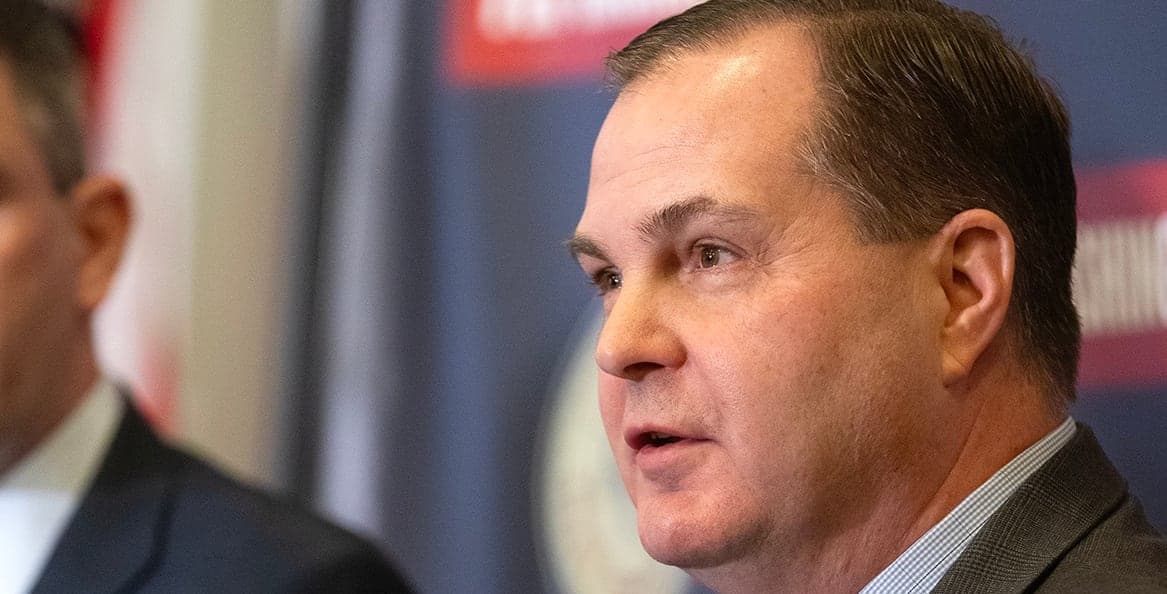
Trump backs Braun to unseat Washington’s Gluesenkamp Perez in US House race
Republican John Braun on Tuesday snagged President Donald Trump’s endorsement in his bid to unseat Democratic U.S. Rep. Marie Gluesenkamp Perez in southwest Washington, a race that could help decide which party controls the U.S. House. Trump, in a midday Truth Social post, lauded Braun’s advocacy for lower taxes and border security and blasted Gluesenkamp Perez as “a true Radical Left Extremist with a Track Record that REEKS.” “John Braun has my Complete and Total Endorsement,” the president wrote. “HE WILL NEVER LET YOU DOWN!” Braun, who is state Senate minority leader, also hauled in endorsements from U.S. House Speaker Mike Johnson and House Majority Leader Steve Scalise on Tuesday, cementing himself as the GOP torchbearer in the high-stakes contest. It is the backing of the president that may do most to shore up Braun’s standing among conservatives in the 3rd Congressional District, some of whom consider him too moderate. They were particularly angry in 2024 when the Senate Republican Campaign Committee, under Braun’s guidance, recruited and backed candidates in legislative races that were not on board with the MAGA agenda. Braun seemed to pivot rightward last July — around the time of his entry into the congressional race — with an energetic defense of Trump’s signature policy for tax cuts and spending reforms. He thanked the president on Tuesday. “I’m excited to work with you and our Republican majority in Congress to keep our border secure and our communities safe, and to make life affordable for all,” he said in a statement. Gluesenkamp Perez, who has shown a willingness to cross up her party leaders and crossover to vote with the GOP majority on some matters, said Braun will be “beholden” to the president. “Donald Trump’s endorsement post is full of lies about my record. Anyone who knows this district knows I’ve fought to represent this community’s independent voice in DC,” she said in a statement. “John Braun needed this endorsement. And he’ll be beholden to it. But voters in Southwest Washington deserve a representative who answers to them and won’t just do what they’re told by a national political machine,” she said. Another close battle The 3rd Congressional District encompasses Clark, Cowlitz, Lewis, Pacific, Wahkiakum, and Skamania counties and a small part of Thurston County. Trump has won the district in all three of his presidential runs. But Republicans, who held the House seat there throughout his first term, lost it in 2022. That’s when Gluesenkamp Perez, co-owner of an auto repair and machine shop, edged out right-wing Republican Joe Kent, a former Army Special Forces soldier who Trump backed. Kent lost a rematch with the congresswoman in 2024 but landed in the Trump administration as the president’s top counterterrorism official. Kent quit last month, citing opposition to the war in Iran. Now, as Braun, a Centralia resident in his fourth term as a state senator, looks to mend fences with conservatives, he’s hoping his legislative experience and electoral know-how will win back independent and moderate GOP voters who shunned Kent. Braun, 58, was elected to the state Senate in 2012 in the 20th Legislative District that covers most of Lewis and Cowlitz counties, the northern tip of Clark County and a southern section of Thurston County. He ran unopposed in 2024 and does not need to give up his seat in the Legislature to run for Congress. Outside politics, he is president of Braun Northwest, a family-owned company specializing in building emergency vehicles at a facility in Chehalis. The Braun family lives on a small farm in rural Lewis County, outside Centralia. This contest will be expensive. Gluesenkamp Perez raised just over $3.2 million and had $2.4 million on hand at the end of 2025, according to filings with the Federal Election Commission. Braun, meanwhile, raised just under $840,000 and had $703,747 on hand as of Dec. 31. Antony Barran, a Republican running on the Cascade Party ticket, and Democrat Brent Hennrich, each reported less than $10,000 in cash on hand to start 2026. Fundraising totals for the first quarter of this year will be posted Wednesday on the Federal Election Commission website. Washington State Standard is part of States Newsroom, a network of news bureaus supported by grants and a coalition of donors as a 501(c)(3) public charity. This republished story is part of OPB’s broader effort to ensure that everyone in our region has access to quality journalism that informs, entertains and enriches their lives. To learn more, visit opb.org/partnerships.
Trump backs Braun to unseat Washington’s Gluesenkamp Perez in US House race
Republican John Braun on Tuesday snagged President Donald Trump’s endorsement in his bid to unseat Democratic U.S. Rep. Marie Gluesenkamp Perez in southwest Washington, a race that could help decide which party controls the U.S. House. Trump, in a midday Truth Social post, lauded Braun’s advocacy for lower taxes and border security and blasted Gluesenkamp Perez as “a true Radical Left Extremist with a Track Record that REEKS.” “John Braun has my Complete and Total Endorsement,” the president wrote. “HE WILL NEVER LET YOU DOWN!” Braun, who is state Senate minority leader, also hauled in endorsements from U.S. House Speaker Mike Johnson and House Majority Leader Steve Scalise on Tuesday, cementing himself as the GOP torchbearer in the high-stakes contest. It is the backing of the president that may do most to shore up Braun’s standing among conservatives in the 3rd Congressional District, some of whom consider him too moderate. They were particularly angry in 2024 when the Senate Republican Campaign Committee, under Braun’s guidance, recruited and backed candidates in legislative races that were not on board with the MAGA agenda. Braun seemed to pivot rightward last July — around the time of his entry into the congressional race — with an energetic defense of Trump’s signature policy for tax cuts and spending reforms. He thanked the president on Tuesday. “I’m excited to work with you and our Republican majority in Congress to keep our border secure and our communities safe, and to make life affordable for all,” he said in a statement. Gluesenkamp Perez, who has shown a willingness to cross up her party leaders and crossover to vote with the GOP majority on some matters, said Braun will be “beholden” to the president. “Donald Trump’s endorsement post is full of lies about my record. Anyone who knows this district knows I’ve fought to represent this community’s independent voice in DC,” she said in a statement. “John Braun needed this endorsement. And he’ll be beholden to it. But voters in Southwest Washington deserve a representative who answers to them and won’t just do what they’re told by a national political machine,” she said. Another close battle The 3rd Congressional District encompasses Clark, Cowlitz, Lewis, Pacific, Wahkiakum, and Skamania counties and a small part of Thurston County. Trump has won the district in all three of his presidential runs. But Republicans, who held the House seat there throughout his first term, lost it in 2022. That’s when Gluesenkamp Perez, co-owner of an auto repair and machine shop, edged out right-wing Republican Joe Kent, a former Army Special Forces soldier who Trump backed. Kent lost a rematch with the congresswoman in 2024 but landed in the Trump administration as the president’s top counterterrorism official. Kent quit last month, citing opposition to the war in Iran. Now, as Braun, a Centralia resident in his fourth term as a state senator, looks to mend fences with conservatives, he’s hoping his legislative experience and electoral know-how will win back independent and moderate GOP voters who shunned Kent. Braun, 58, was elected to the state Senate in 2012 in the 20th Legislative District that covers most of Lewis and Cowlitz counties, the northern tip of Clark County and a southern section of Thurston County. He ran unopposed in 2024 and does not need to give up his seat in the Legislature to run for Congress. Outside politics, he is president of Braun Northwest, a family-owned company specializing in building emergency vehicles at a facility in Chehalis. The Braun family lives on a small farm in rural Lewis County, outside Centralia. This contest will be expensive. Gluesenkamp Perez raised just over $3.2 million and had $2.4 million on hand at the end of 2025, according to filings with the Federal Election Commission. Braun, meanwhile, raised just under $840,000 and had $703,747 on hand as of Dec. 31. Antony Barran, a Republican running on the Cascade Party ticket, and Democrat Brent Hennrich, each reported less than $10,000 in cash on hand to start 2026. Fundraising totals for the first quarter of this year will be posted Wednesday on the Federal Election Commission website. Washington State Standard is part of States Newsroom, a network of news bureaus supported by grants and a coalition of donors as a 501(c)(3) public charity. This republished story is part of OPB’s broader effort to ensure that everyone in our region has access to quality journalism that informs, entertains and enriches their lives. To learn more, visit opb.org/partnerships.
Trump backs Braun to unseat Washington’s Gluesenkamp Perez in US House race
Republican John Braun on Tuesday snagged President Donald Trump’s endorsement in his bid to unseat Democratic U.S. Rep. Marie Gluesenkamp Perez in southwest Washington, a race that could help decide which party controls the U.S. House. Trump, in a midday Truth Social post, lauded Braun’s advocacy for lower taxes and border security and blasted Gluesenkamp Perez as “a true Radical Left Extremist with a Track Record that REEKS.” “John Braun has my Complete and Total Endorsement,” the president wrote. “HE WILL NEVER LET YOU DOWN!” Braun, who is state Senate minority leader, also hauled in endorsements from U.S. House Speaker Mike Johnson and House Majority Leader Steve Scalise on Tuesday, cementing himself as the GOP torchbearer in the high-stakes contest. It is the backing of the president that may do most to shore up Braun’s standing among conservatives in the 3rd Congressional District, some of whom consider him too moderate. They were particularly angry in 2024 when the Senate Republican Campaign Committee, under Braun’s guidance, recruited and backed candidates in legislative races that were not on board with the MAGA agenda. Braun seemed to pivot rightward last July — around the time of his entry into the congressional race — with an energetic defense of Trump’s signature policy for tax cuts and spending reforms. He thanked the president on Tuesday. “I’m excited to work with you and our Republican majority in Congress to keep our border secure and our communities safe, and to make life affordable for all,” he said in a statement. Gluesenkamp Perez, who has shown a willingness to cross up her party leaders and crossover to vote with the GOP majority on some matters, said Braun will be “beholden” to the president. “Donald Trump’s endorsement post is full of lies about my record. Anyone who knows this district knows I’ve fought to represent this community’s independent voice in DC,” she said in a statement. “John Braun needed this endorsement. And he’ll be beholden to it. But voters in Southwest Washington deserve a representative who answers to them and won’t just do what they’re told by a national political machine,” she said. Another close battle The 3rd Congressional District encompasses Clark, Cowlitz, Lewis, Pacific, Wahkiakum, and Skamania counties and a small part of Thurston County. Trump has won the district in all three of his presidential runs. But Republicans, who held the House seat there throughout his first term, lost it in 2022. That’s when Gluesenkamp Perez, co-owner of an auto repair and machine shop, edged out right-wing Republican Joe Kent, a former Army Special Forces soldier who Trump backed. Kent lost a rematch with the congresswoman in 2024 but landed in the Trump administration as the president’s top counterterrorism official. Kent quit last month, citing opposition to the war in Iran. Now, as Braun, a Centralia resident in his fourth term as a state senator, looks to mend fences with conservatives, he’s hoping his legislative experience and electoral know-how will win back independent and moderate GOP voters who shunned Kent. Braun, 58, was elected to the state Senate in 2012 in the 20th Legislative District that covers most of Lewis and Cowlitz counties, the northern tip of Clark County and a southern section of Thurston County. He ran unopposed in 2024 and does not need to give up his seat in the Legislature to run for Congress. Outside politics, he is president of Braun Northwest, a family-owned company specializing in building emergency vehicles at a facility in Chehalis. The Braun family lives on a small farm in rural Lewis County, outside Centralia. This contest will be expensive. Gluesenkamp Perez raised just over $3.2 million and had $2.4 million on hand at the end of 2025, according to filings with the Federal Election Commission. Braun, meanwhile, raised just under $840,000 and had $703,747 on hand as of Dec. 31. Antony Barran, a Republican running on the Cascade Party ticket, and Democrat Brent Hennrich, each reported less than $10,000 in cash on hand to start 2026. Fundraising totals for the first quarter of this year will be posted Wednesday on the Federal Election Commission website. Washington State Standard is part of States Newsroom, a network of news bureaus supported by grants and a coalition of donors as a 501(c)(3) public charity. This republished story is part of OPB’s broader effort to ensure that everyone in our region has access to quality journalism that informs, entertains and enriches their lives. To learn more, visit opb.org/partnerships.

Once again Trump threatens to fire Fed Chair Jerome Powell
President Trump has once again threatened to fire Federal Reserve Chairman Jerome Powell, whose term is set to expire in a month. Trump also vowed to continue a criminal investigation of the central bank, which could complicate the path of installing Trump’s nominee to replace Powell. The president’s threat came in an interview with Fox Business that aired on Wednesday. “He’s doing a bad job,” Trump said of Powell. “He should be lowering interest rates.” Trump has repeatedly threatened to remove the Fed chairman, although it’s not clear he has the authority to do so, absent a showing of serious wrongdoing. The Supreme Court is currently weighing a related case after Trump tried to fire a member of the Fed’s governing board, Lisa Cook. The high court has allowed Cook to remain on the job while that case is pending. Powell’s term as Fed chairman is set to expire in mid-May, but he’s promised to stay on the job until a successor is confirmed. “That is what the law calls for,” Powell told reporters last month. “And that’s what we’re going to do in this situation.” Powell could opt to stay on the Fed’s board Powell also has the option to remain on the Fed’s governing board until 2028, and he’s said he will not step down until the Justice Department resolves its probe of cost overruns at the Fed’s headquarters renovation project. Last month, a federal judge ruled that those cost overruns are a mere pretext and concluded that the real purpose of the Justice Department’s probe is to intimidate the central bank. “The Government has offered no evidence whatsoever that Powell committed any crime other than displeasing the President,” Judge James Boasberg wrote in a decision quashing subpoenas. “There is abundant evidence that the subpoenas’ dominant (if not sole) purpose is to harass and pressure Powell either to yield to the President or to resign and make way for a Fed Chair who will.” So far, prosecutors have not backed down. The Wall Street Journal and The New York Times reported that two prosecutors made a surprise visit to the Fed’s headquarters construction site on Tuesday. NPR has not independently confirmed the visit. That could backfire on the president, delaying the confirmation of Kevin Warsh to serve as the next Fed chair and leaving Powell in the position longer. A key member of the Senate Banking Committee, Republican Thom Tillis of North Carolina, has said he will not vote to confirm Trump’s nominee until the Justice Department’s probe is resolved. The committee is scheduled to hold a hearing on Warsh’s nomination next week. Trump told Fox Business he would not instruct prosecutors to drop their probe of the Federal Reserve. “Don’t you think we have to find out what happened there?” the president said.
Once again Trump threatens to fire Fed Chair Jerome Powell
President Trump has once again threatened to fire Federal Reserve Chairman Jerome Powell, whose term is set to expire in a month. Trump also vowed to continue a criminal investigation of the central bank, which could complicate the path of installing Trump’s nominee to replace Powell. The president’s threat came in an interview with Fox Business that aired on Wednesday. “He’s doing a bad job,” Trump said of Powell. “He should be lowering interest rates.” Trump has repeatedly threatened to remove the Fed chairman, although it’s not clear he has the authority to do so, absent a showing of serious wrongdoing. The Supreme Court is currently weighing a related case after Trump tried to fire a member of the Fed’s governing board, Lisa Cook. The high court has allowed Cook to remain on the job while that case is pending. Powell’s term as Fed chairman is set to expire in mid-May, but he’s promised to stay on the job until a successor is confirmed. “That is what the law calls for,” Powell told reporters last month. “And that’s what we’re going to do in this situation.” Powell could opt to stay on the Fed’s board Powell also has the option to remain on the Fed’s governing board until 2028, and he’s said he will not step down until the Justice Department resolves its probe of cost overruns at the Fed’s headquarters renovation project. Last month, a federal judge ruled that those cost overruns are a mere pretext and concluded that the real purpose of the Justice Department’s probe is to intimidate the central bank. “The Government has offered no evidence whatsoever that Powell committed any crime other than displeasing the President,” Judge James Boasberg wrote in a decision quashing subpoenas. “There is abundant evidence that the subpoenas’ dominant (if not sole) purpose is to harass and pressure Powell either to yield to the President or to resign and make way for a Fed Chair who will.” So far, prosecutors have not backed down. The Wall Street Journal and The New York Times reported that two prosecutors made a surprise visit to the Fed’s headquarters construction site on Tuesday. NPR has not independently confirmed the visit. That could backfire on the president, delaying the confirmation of Kevin Warsh to serve as the next Fed chair and leaving Powell in the position longer. A key member of the Senate Banking Committee, Republican Thom Tillis of North Carolina, has said he will not vote to confirm Trump’s nominee until the Justice Department’s probe is resolved. The committee is scheduled to hold a hearing on Warsh’s nomination next week. Trump told Fox Business he would not instruct prosecutors to drop their probe of the Federal Reserve. “Don’t you think we have to find out what happened there?” the president said.
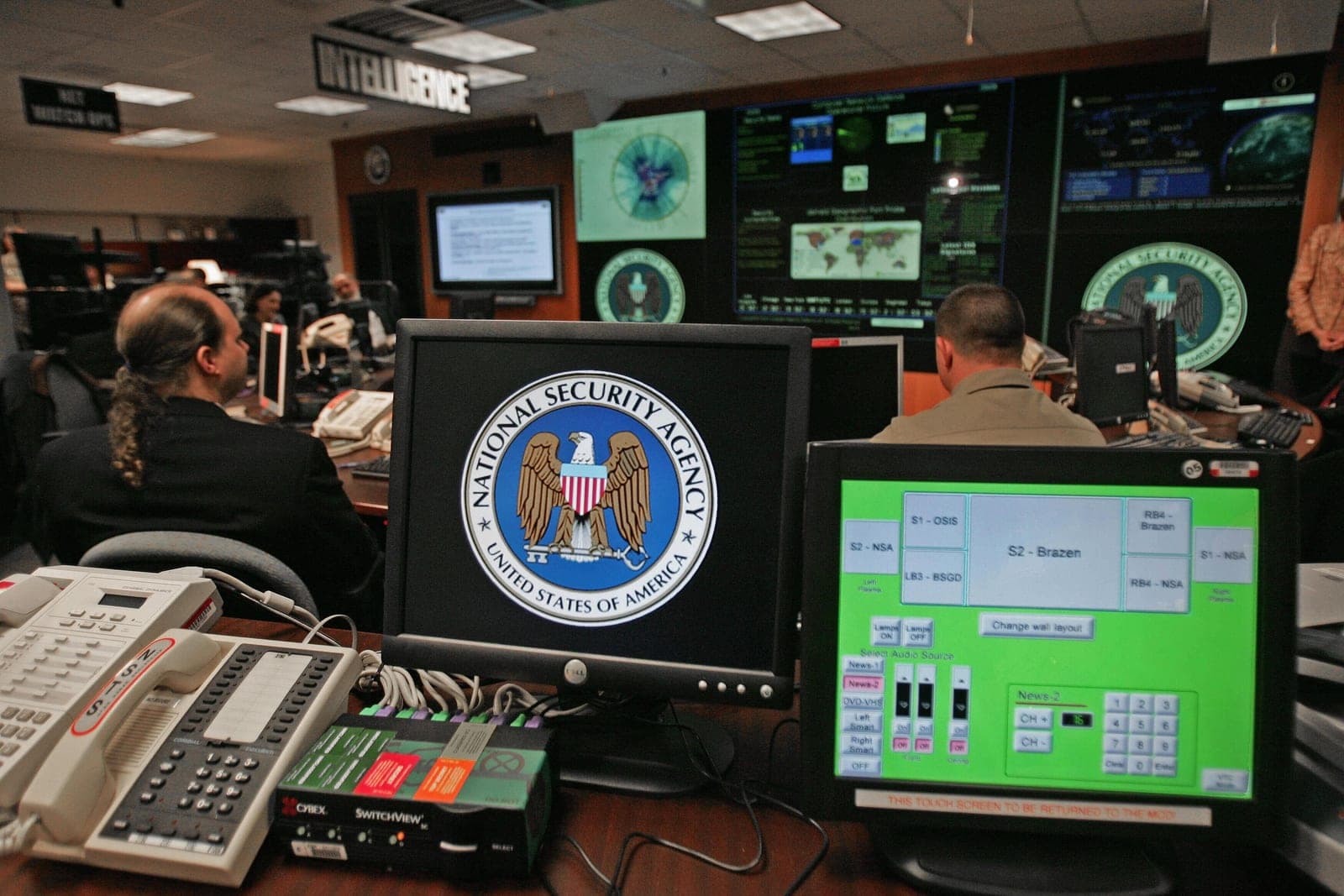
Why Congress is fighting over a central tool of American surveillance
Stay up to date with our Politics newsletter, sent weekly. A key tool of the U.S. spy community will expire this month without action from Congress. The government says the intel gathered through the provision — Section 702 of the Foreign Intelligence Surveillance Act, or FISA 702 — underpins a majority of the articles in the president’s daily intelligence briefing and is a key asset in international counterterrorism and the fight against trafficking. But a number of lawmakers, both Republicans and Democrats, are concerned that FISA 702 allows for the federal government to spy on the communications of American citizens without a warrant, violating their constitutional right to privacy. The looming fight to bolster the law’s civil liberties protections is likely to be bruising — and the provision’s advocates claim it could jeopardize national security. What is Section 702 of the Foreign Intelligence Surveillance Act? Section 702 of FISA empowers U.S. intelligence agencies to collect and review the electronic communications of foreign nationals located outside the United States without obtaining individual court orders. Sometimes, foreign nationals communicate with people in the United States, leading to incidental collection of Americans’ communications. The Office of the Director of National Intelligence says the government uses the information collected through the program to protect the U.S. and its allies from foreign adversaries — including terrorists and spies — as well as to inform cybersecurity efforts. “No one denies the immense intelligence value of Section 702,” Stewart Baker, former National Security Agency general counsel, told Congress in January. “The U.S. government recently credited the program with helping to disrupt several terrorist attacks here and abroad, identify the Chinese origins of imported fentanyl precursors, respond to ransomware attacks on U.S. companies, identify Chinese hackers’ intrusions into a network used by a key U.S. transportation hub, and disrupt foreign government efforts to carry out kidnappings, assassinations, and espionage on U.S. soil. Those examples just scratch the surface,” Baker said. Why is Congress debating this now? The program’s 2024 authorization is set to expire on April 20 — unless Congress votes to renew it. Congress has always attached an expiration date to Section 702, which makes its renewal a recurring fight on Capitol Hill. Civil liberties-minded legislators of both parties have long been concerned that Section 702 enables illegal, warrantless surveillance of American citizens by the federal government. And unlike most issues in contemporary politics, the issue doesn’t break cleanly along party lines. Prominent critics include Sen. Mike Lee, R-Utah, Sen. Ron Wyden, D-Ore., and Rep. Warren Davidson, R-Ohio. But, with a change in administration since the last renewal battle, some lawmakers have switched sides. Rep. Darrell Issa, R-Calif., who previously voted against the renewal because of its lack of a warrant requirement to query information about Americans, told The Hill he thought reforms to the program were working. Rep. Jamie Raskin, D-Md., is working to rally his colleagues against a renewal — after voting for it in 2024. President Trump supports an extension with no changes to the program. “When used properly, FISA is an effective tool to keep Americans safe. For these reasons, I have called for a clean 18-month extension,” Trump wrote in a March post on Truth Social. “With the ongoing successful Military activities against the Terrorist Iranian Regime, it is more important than ever that we remain vigilant, PROTECT our Homeland, Troops, and Diplomats stationed abroad, and maintain our ability to quickly stop bad actors seeking to cause harm to our People and our Country.” That position is a major shift for Trump, who railed against the program in the past. Ahead of the last renewal vote in April 2024, during the Biden administration, Trump posted “KILL FISA, IT WAS ILLEGALLY USED AGAINST ME, AND MANY OTHERS.” How is the information actually collected? A special court, the Foreign Intelligence Surveillance Court (FISC), issues a blanket authorization each year that allows the government to collect information about any targets who fall within certain categories proposed by the attorney general and director of national intelligence. The National Security Agency, National Counterterrorism Center, Central Intelligence Agency and FBI obtain that information directly from the U.S. companies that facilitate electronic communication such as email, social media or cellphone service. The National Security Agency also collects communications “as they cross the backbone of the internet with the compelled assistance of companies that maintain those networks.” What role does Section 702 play in the landscape of American intelligence gathering? A massive amount of information is collected under Section 702 authority: There were 349,823 surveillance targets in 2025, up from about 246,000 in 2022. Targets could each have many records collected — think about the number of emails that hit your inbox each day — leading to a giant database of information. In 2023, 60% of the president’s daily brief items — a daily summary of pressing national security issues prepared for the most senior administration officials — contained Section 702 information, according to a government release. It is also used extensively to combat weapons and drug trafficking — 70% of the CIA’s illicit synthetic drug disruptions in 2023 stemmed from FISA 702 data, the document said. Can the government search for Americans’ information inside the trove of information it has collected under Section 702? Yes, under certain parameters that have been gradually narrowed over the nearly two-decade lifespan of the legislation. Here are some of the reasons the government says it might search for Americans, as included in a public report from the Office of the Director of National Intelligence (ODNI): “Using the name of a U.S. person hostage to cull through communications of the terrorist network that kidnapped her to pinpoint her location and condition; Using the email address of a U.S. victim of a cyber-attack to quickly identify the scope of malicious cyber activities and to warn the U.S. person of the actual or pending intrusion; Using the name of a government employee that has been approached by foreign spies to detect foreign espionage networks and identify other potential victims; and Using the name of a government official who will be traveling to identify any threats to the official by terrorists or other foreign adversaries." Does the government need specific permission from a court to search for an American’s information? No, the government does not need — and has resisted reforms that would require — a targeted court order to search for an American’s information in corpus of material gathered under Section 702 authority. Intelligence community and FBI advocates argue that a requirement to obtain a court order to query an American’s information would be overly burdensome. “I am especially concerned about one frequently discussed proposal, which would require the government to obtain a warrant or court order from a judge before personnel could conduct a ‘U.S. person query’ of information previously obtained through use of Section 702,” then-FBI Director Christopher Wray told Congress in 2023, amid the last reauthorization fight. “A warrant requirement would amount to a de facto ban, because query applications either would not meet the legal standard to win court approval; or because, when the standard could be met, it would be so only after the expenditure of scarce resources, the submission and review of a lengthy legal filing, and the passage of significant time — which, in the world of rapidly evolving threats, the government often does not have. That would be a significant blow to the FBI,” Wray said. What do civil liberties and privacy advocates say about the legislation? Privacy advocates say that, as written, the FISA statute allows the government to spy on the communications of Americans and others in the U.S. without the permission of a court, in contravention of the privacy guarantees in the Fourth Amendment. “The FBI — and every other agency that receives Section 702 data — routinely goes searching through that data for the express purpose of finding and using Americans’ communications,” according to Elizabeth Goitein, senior director of the Brennan Center’s Liberty and National Security Program. “The government conducts literally thousands of these backdoor searches every year.” Lawmakers in support of reforming Section 702 share her concern. “The Foreign Intelligence Surveillance Act is supposed to be about surveilling foreigners overseas. That way the government doesn’t need a warrant,” Sen. Wyden told The Lever. “But because so many of these targets are going to be talking to Americans, Americans get swept up in these searches, and that’s what I want to have some checks and balances on.” Rep. Tim Burchett, a Tennessee Republican, said in a video that his concerns stem from past privacy violations from the government: “The system was abused and they spied on thousands of Americans, violated the Fourth Amendment of the Constitution — and, well, it was a horrible situation.” Has Section 702 information been improperly used to surveil American citizens? Yes, the Foreign Intelligence Surveillance Court characterized the FBI’s violations as “persistent and widespread” in a 2022 court document that recertified the 702 program. Documented abuses, detailed in congressionally mandated transparency reports from the Office of the Director of National Intelligence, include warrantless searches for a U.S. senator, journalists and political commentators, 6,800 Social Security numbers, 19,000 donors to a congressional campaign and an FBI employee’s family member, who the employee’s mother suspected of having an extramarital affair. Anti-surveillance advocacy group Demand Progress put together a detailed timeline of major violations by the FBI and intelligence agencies, as identified by the FISC. What are the current restrictions on queries for Americans’ information by federal law enforcement? FBI agents must receive annual training on FISA and are generally prohibited from searching for information about people in the U.S. if the sole goal of the search is to investigate general criminal activity, rather than find foreign intelligence information, and those searches need approval from a supervisor or an attorney. More senior approval is required when searching for information connected to U.S. political or media figures. Moreover, information from queries cannot be used without court authorization to conduct criminal investigations of people in the U.S., unless the charges pertain to national security, death, kidnapping, serious bodily injury, or a handful of other serious crimes. According to disclosures from the bureau, the number of searches for Americans has declined dramatically in recent years — from 119,383 queries from December 2021 to November 2022 to 7,413 queries in the same 2024-2025 window. Civil liberties advocates note that the full scale of searches can’t be known — an October 2025 Justice Department watchdog report noted that a now-shuttered tool allowed untracked searches.
Why Congress is fighting over a central tool of American surveillance
Stay up to date with our Politics newsletter, sent weekly. A key tool of the U.S. spy community will expire this month without action from Congress. The government says the intel gathered through the provision — Section 702 of the Foreign Intelligence Surveillance Act, or FISA 702 — underpins a majority of the articles in the president’s daily intelligence briefing and is a key asset in international counterterrorism and the fight against trafficking. But a number of lawmakers, both Republicans and Democrats, are concerned that FISA 702 allows for the federal government to spy on the communications of American citizens without a warrant, violating their constitutional right to privacy. The looming fight to bolster the law’s civil liberties protections is likely to be bruising — and the provision’s advocates claim it could jeopardize national security. What is Section 702 of the Foreign Intelligence Surveillance Act? Section 702 of FISA empowers U.S. intelligence agencies to collect and review the electronic communications of foreign nationals located outside the United States without obtaining individual court orders. Sometimes, foreign nationals communicate with people in the United States, leading to incidental collection of Americans’ communications. The Office of the Director of National Intelligence says the government uses the information collected through the program to protect the U.S. and its allies from foreign adversaries — including terrorists and spies — as well as to inform cybersecurity efforts. “No one denies the immense intelligence value of Section 702,” Stewart Baker, former National Security Agency general counsel, told Congress in January. “The U.S. government recently credited the program with helping to disrupt several terrorist attacks here and abroad, identify the Chinese origins of imported fentanyl precursors, respond to ransomware attacks on U.S. companies, identify Chinese hackers’ intrusions into a network used by a key U.S. transportation hub, and disrupt foreign government efforts to carry out kidnappings, assassinations, and espionage on U.S. soil. Those examples just scratch the surface,” Baker said. Why is Congress debating this now? The program’s 2024 authorization is set to expire on April 20 — unless Congress votes to renew it. Congress has always attached an expiration date to Section 702, which makes its renewal a recurring fight on Capitol Hill. Civil liberties-minded legislators of both parties have long been concerned that Section 702 enables illegal, warrantless surveillance of American citizens by the federal government. And unlike most issues in contemporary politics, the issue doesn’t break cleanly along party lines. Prominent critics include Sen. Mike Lee, R-Utah, Sen. Ron Wyden, D-Ore., and Rep. Warren Davidson, R-Ohio. But, with a change in administration since the last renewal battle, some lawmakers have switched sides. Rep. Darrell Issa, R-Calif., who previously voted against the renewal because of its lack of a warrant requirement to query information about Americans, told The Hill he thought reforms to the program were working. Rep. Jamie Raskin, D-Md., is working to rally his colleagues against a renewal — after voting for it in 2024. President Trump supports an extension with no changes to the program. “When used properly, FISA is an effective tool to keep Americans safe. For these reasons, I have called for a clean 18-month extension,” Trump wrote in a March post on Truth Social. “With the ongoing successful Military activities against the Terrorist Iranian Regime, it is more important than ever that we remain vigilant, PROTECT our Homeland, Troops, and Diplomats stationed abroad, and maintain our ability to quickly stop bad actors seeking to cause harm to our People and our Country.” That position is a major shift for Trump, who railed against the program in the past. Ahead of the last renewal vote in April 2024, during the Biden administration, Trump posted “KILL FISA, IT WAS ILLEGALLY USED AGAINST ME, AND MANY OTHERS.” How is the information actually collected? A special court, the Foreign Intelligence Surveillance Court (FISC), issues a blanket authorization each year that allows the government to collect information about any targets who fall within certain categories proposed by the attorney general and director of national intelligence. The National Security Agency, National Counterterrorism Center, Central Intelligence Agency and FBI obtain that information directly from the U.S. companies that facilitate electronic communication such as email, social media or cellphone service. The National Security Agency also collects communications “as they cross the backbone of the internet with the compelled assistance of companies that maintain those networks.” What role does Section 702 play in the landscape of American intelligence gathering? A massive amount of information is collected under Section 702 authority: There were 349,823 surveillance targets in 2025, up from about 246,000 in 2022. Targets could each have many records collected — think about the number of emails that hit your inbox each day — leading to a giant database of information. In 2023, 60% of the president’s daily brief items — a daily summary of pressing national security issues prepared for the most senior administration officials — contained Section 702 information, according to a government release. It is also used extensively to combat weapons and drug trafficking — 70% of the CIA’s illicit synthetic drug disruptions in 2023 stemmed from FISA 702 data, the document said. Can the government search for Americans’ information inside the trove of information it has collected under Section 702? Yes, under certain parameters that have been gradually narrowed over the nearly two-decade lifespan of the legislation. Here are some of the reasons the government says it might search for Americans, as included in a public report from the Office of the Director of National Intelligence (ODNI): “Using the name of a U.S. person hostage to cull through communications of the terrorist network that kidnapped her to pinpoint her location and condition; Using the email address of a U.S. victim of a cyber-attack to quickly identify the scope of malicious cyber activities and to warn the U.S. person of the actual or pending intrusion; Using the name of a government employee that has been approached by foreign spies to detect foreign espionage networks and identify other potential victims; and Using the name of a government official who will be traveling to identify any threats to the official by terrorists or other foreign adversaries." Does the government need specific permission from a court to search for an American’s information? No, the government does not need — and has resisted reforms that would require — a targeted court order to search for an American’s information in corpus of material gathered under Section 702 authority. Intelligence community and FBI advocates argue that a requirement to obtain a court order to query an American’s information would be overly burdensome. “I am especially concerned about one frequently discussed proposal, which would require the government to obtain a warrant or court order from a judge before personnel could conduct a ‘U.S. person query’ of information previously obtained through use of Section 702,” then-FBI Director Christopher Wray told Congress in 2023, amid the last reauthorization fight. “A warrant requirement would amount to a de facto ban, because query applications either would not meet the legal standard to win court approval; or because, when the standard could be met, it would be so only after the expenditure of scarce resources, the submission and review of a lengthy legal filing, and the passage of significant time — which, in the world of rapidly evolving threats, the government often does not have. That would be a significant blow to the FBI,” Wray said. What do civil liberties and privacy advocates say about the legislation? Privacy advocates say that, as written, the FISA statute allows the government to spy on the communications of Americans and others in the U.S. without the permission of a court, in contravention of the privacy guarantees in the Fourth Amendment. “The FBI — and every other agency that receives Section 702 data — routinely goes searching through that data for the express purpose of finding and using Americans’ communications,” according to Elizabeth Goitein, senior director of the Brennan Center’s Liberty and National Security Program. “The government conducts literally thousands of these backdoor searches every year.” Lawmakers in support of reforming Section 702 share her concern. “The Foreign Intelligence Surveillance Act is supposed to be about surveilling foreigners overseas. That way the government doesn’t need a warrant,” Sen. Wyden told The Lever. “But because so many of these targets are going to be talking to Americans, Americans get swept up in these searches, and that’s what I want to have some checks and balances on.” Rep. Tim Burchett, a Tennessee Republican, said in a video that his concerns stem from past privacy violations from the government: “The system was abused and they spied on thousands of Americans, violated the Fourth Amendment of the Constitution — and, well, it was a horrible situation.” Has Section 702 information been improperly used to surveil American citizens? Yes, the Foreign Intelligence Surveillance Court characterized the FBI’s violations as “persistent and widespread” in a 2022 court document that recertified the 702 program. Documented abuses, detailed in congressionally mandated transparency reports from the Office of the Director of National Intelligence, include warrantless searches for a U.S. senator, journalists and political commentators, 6,800 Social Security numbers, 19,000 donors to a congressional campaign and an FBI employee’s family member, who the employee’s mother suspected of having an extramarital affair. Anti-surveillance advocacy group Demand Progress put together a detailed timeline of major violations by the FBI and intelligence agencies, as identified by the FISC. What are the current restrictions on queries for Americans’ information by federal law enforcement? FBI agents must receive annual training on FISA and are generally prohibited from searching for information about people in the U.S. if the sole goal of the search is to investigate general criminal activity, rather than find foreign intelligence information, and those searches need approval from a supervisor or an attorney. More senior approval is required when searching for information connected to U.S. political or media figures. Moreover, information from queries cannot be used without court authorization to conduct criminal investigations of people in the U.S., unless the charges pertain to national security, death, kidnapping, serious bodily injury, or a handful of other serious crimes. According to disclosures from the bureau, the number of searches for Americans has declined dramatically in recent years — from 119,383 queries from December 2021 to November 2022 to 7,413 queries in the same 2024-2025 window. Civil liberties advocates note that the full scale of searches can’t be known — an October 2025 Justice Department watchdog report noted that a now-shuttered tool allowed untracked searches.
Why Congress is fighting over a central tool of American surveillance
Stay up to date with our Politics newsletter, sent weekly. A key tool of the U.S. spy community will expire this month without action from Congress. The government says the intel gathered through the provision — Section 702 of the Foreign Intelligence Surveillance Act, or FISA 702 — underpins a majority of the articles in the president’s daily intelligence briefing and is a key asset in international counterterrorism and the fight against trafficking. But a number of lawmakers, both Republicans and Democrats, are concerned that FISA 702 allows for the federal government to spy on the communications of American citizens without a warrant, violating their constitutional right to privacy. The looming fight to bolster the law’s civil liberties protections is likely to be bruising — and the provision’s advocates claim it could jeopardize national security. What is Section 702 of the Foreign Intelligence Surveillance Act? Section 702 of FISA empowers U.S. intelligence agencies to collect and review the electronic communications of foreign nationals located outside the United States without obtaining individual court orders. Sometimes, foreign nationals communicate with people in the United States, leading to incidental collection of Americans’ communications. The Office of the Director of National Intelligence says the government uses the information collected through the program to protect the U.S. and its allies from foreign adversaries — including terrorists and spies — as well as to inform cybersecurity efforts. “No one denies the immense intelligence value of Section 702,” Stewart Baker, former National Security Agency general counsel, told Congress in January. “The U.S. government recently credited the program with helping to disrupt several terrorist attacks here and abroad, identify the Chinese origins of imported fentanyl precursors, respond to ransomware attacks on U.S. companies, identify Chinese hackers’ intrusions into a network used by a key U.S. transportation hub, and disrupt foreign government efforts to carry out kidnappings, assassinations, and espionage on U.S. soil. Those examples just scratch the surface,” Baker said. Why is Congress debating this now? The program’s 2024 authorization is set to expire on April 20 — unless Congress votes to renew it. Congress has always attached an expiration date to Section 702, which makes its renewal a recurring fight on Capitol Hill. Civil liberties-minded legislators of both parties have long been concerned that Section 702 enables illegal, warrantless surveillance of American citizens by the federal government. And unlike most issues in contemporary politics, the issue doesn’t break cleanly along party lines. Prominent critics include Sen. Mike Lee, R-Utah, Sen. Ron Wyden, D-Ore., and Rep. Warren Davidson, R-Ohio. But, with a change in administration since the last renewal battle, some lawmakers have switched sides. Rep. Darrell Issa, R-Calif., who previously voted against the renewal because of its lack of a warrant requirement to query information about Americans, told The Hill he thought reforms to the program were working. Rep. Jamie Raskin, D-Md., is working to rally his colleagues against a renewal — after voting for it in 2024. President Trump supports an extension with no changes to the program. “When used properly, FISA is an effective tool to keep Americans safe. For these reasons, I have called for a clean 18-month extension,” Trump wrote in a March post on Truth Social. “With the ongoing successful Military activities against the Terrorist Iranian Regime, it is more important than ever that we remain vigilant, PROTECT our Homeland, Troops, and Diplomats stationed abroad, and maintain our ability to quickly stop bad actors seeking to cause harm to our People and our Country.” That position is a major shift for Trump, who railed against the program in the past. Ahead of the last renewal vote in April 2024, during the Biden administration, Trump posted “KILL FISA, IT WAS ILLEGALLY USED AGAINST ME, AND MANY OTHERS.” How is the information actually collected? A special court, the Foreign Intelligence Surveillance Court (FISC), issues a blanket authorization each year that allows the government to collect information about any targets who fall within certain categories proposed by the attorney general and director of national intelligence. The National Security Agency, National Counterterrorism Center, Central Intelligence Agency and FBI obtain that information directly from the U.S. companies that facilitate electronic communication such as email, social media or cellphone service. The National Security Agency also collects communications “as they cross the backbone of the internet with the compelled assistance of companies that maintain those networks.” What role does Section 702 play in the landscape of American intelligence gathering? A massive amount of information is collected under Section 702 authority: There were 349,823 surveillance targets in 2025, up from about 246,000 in 2022. Targets could each have many records collected — think about the number of emails that hit your inbox each day — leading to a giant database of information. In 2023, 60% of the president’s daily brief items — a daily summary of pressing national security issues prepared for the most senior administration officials — contained Section 702 information, according to a government release. It is also used extensively to combat weapons and drug trafficking — 70% of the CIA’s illicit synthetic drug disruptions in 2023 stemmed from FISA 702 data, the document said. Can the government search for Americans’ information inside the trove of information it has collected under Section 702? Yes, under certain parameters that have been gradually narrowed over the nearly two-decade lifespan of the legislation. Here are some of the reasons the government says it might search for Americans, as included in a public report from the Office of the Director of National Intelligence (ODNI): “Using the name of a U.S. person hostage to cull through communications of the terrorist network that kidnapped her to pinpoint her location and condition; Using the email address of a U.S. victim of a cyber-attack to quickly identify the scope of malicious cyber activities and to warn the U.S. person of the actual or pending intrusion; Using the name of a government employee that has been approached by foreign spies to detect foreign espionage networks and identify other potential victims; and Using the name of a government official who will be traveling to identify any threats to the official by terrorists or other foreign adversaries." Does the government need specific permission from a court to search for an American’s information? No, the government does not need — and has resisted reforms that would require — a targeted court order to search for an American’s information in corpus of material gathered under Section 702 authority. Intelligence community and FBI advocates argue that a requirement to obtain a court order to query an American’s information would be overly burdensome. “I am especially concerned about one frequently discussed proposal, which would require the government to obtain a warrant or court order from a judge before personnel could conduct a ‘U.S. person query’ of information previously obtained through use of Section 702,” then-FBI Director Christopher Wray told Congress in 2023, amid the last reauthorization fight. “A warrant requirement would amount to a de facto ban, because query applications either would not meet the legal standard to win court approval; or because, when the standard could be met, it would be so only after the expenditure of scarce resources, the submission and review of a lengthy legal filing, and the passage of significant time — which, in the world of rapidly evolving threats, the government often does not have. That would be a significant blow to the FBI,” Wray said. What do civil liberties and privacy advocates say about the legislation? Privacy advocates say that, as written, the FISA statute allows the government to spy on the communications of Americans and others in the U.S. without the permission of a court, in contravention of the privacy guarantees in the Fourth Amendment. “The FBI — and every other agency that receives Section 702 data — routinely goes searching through that data for the express purpose of finding and using Americans’ communications,” according to Elizabeth Goitein, senior director of the Brennan Center’s Liberty and National Security Program. “The government conducts literally thousands of these backdoor searches every year.” Lawmakers in support of reforming Section 702 share her concern. “The Foreign Intelligence Surveillance Act is supposed to be about surveilling foreigners overseas. That way the government doesn’t need a warrant,” Sen. Wyden told The Lever. “But because so many of these targets are going to be talking to Americans, Americans get swept up in these searches, and that’s what I want to have some checks and balances on.” Rep. Tim Burchett, a Tennessee Republican, said in a video that his concerns stem from past privacy violations from the government: “The system was abused and they spied on thousands of Americans, violated the Fourth Amendment of the Constitution — and, well, it was a horrible situation.” Has Section 702 information been improperly used to surveil American citizens? Yes, the Foreign Intelligence Surveillance Court characterized the FBI’s violations as “persistent and widespread” in a 2022 court document that recertified the 702 program. Documented abuses, detailed in congressionally mandated transparency reports from the Office of the Director of National Intelligence, include warrantless searches for a U.S. senator, journalists and political commentators, 6,800 Social Security numbers, 19,000 donors to a congressional campaign and an FBI employee’s family member, who the employee’s mother suspected of having an extramarital affair. Anti-surveillance advocacy group Demand Progress put together a detailed timeline of major violations by the FBI and intelligence agencies, as identified by the FISC. What are the current restrictions on queries for Americans’ information by federal law enforcement? FBI agents must receive annual training on FISA and are generally prohibited from searching for information about people in the U.S. if the sole goal of the search is to investigate general criminal activity, rather than find foreign intelligence information, and those searches need approval from a supervisor or an attorney. More senior approval is required when searching for information connected to U.S. political or media figures. Moreover, information from queries cannot be used without court authorization to conduct criminal investigations of people in the U.S., unless the charges pertain to national security, death, kidnapping, serious bodily injury, or a handful of other serious crimes. According to disclosures from the bureau, the number of searches for Americans has declined dramatically in recent years — from 119,383 queries from December 2021 to November 2022 to 7,413 queries in the same 2024-2025 window. Civil liberties advocates note that the full scale of searches can’t be known — an October 2025 Justice Department watchdog report noted that a now-shuttered tool allowed untracked searches.
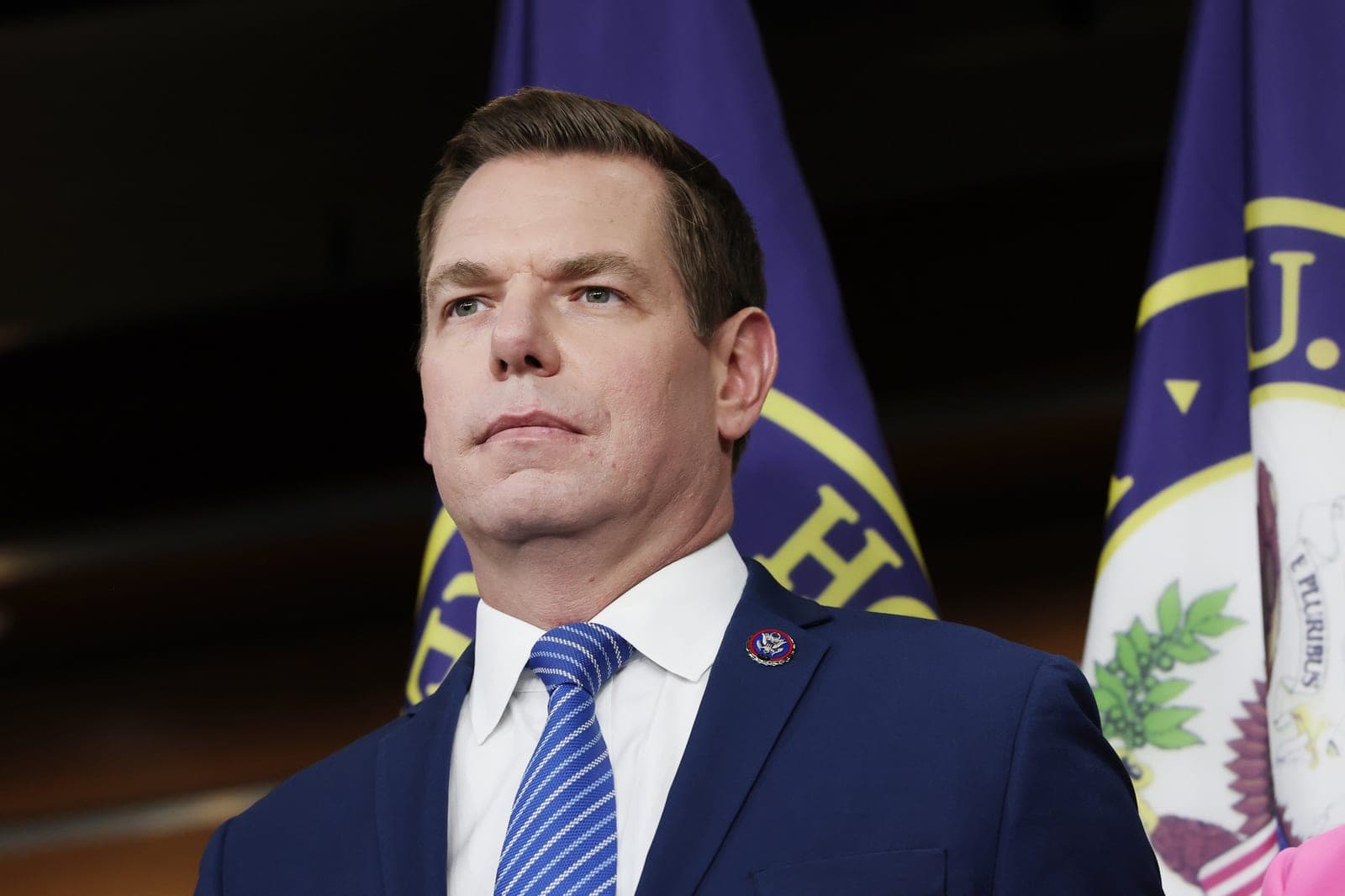
Eric Swalwell will resign from Congress as he faces backlash over assault allegations
Rep. Eric Swalwell, D-Calif., is resigning from his seat in Congress as he faces growing backlash to allegations of sexual assault and misconduct. In a statement posted to social media Monday, Swalwell acknowledged growing calls among lawmakers to expel him from the House of Representatives. “Expelling anyone in Congress without due process, within days of an allegation being made, is wrong. But it’s also wrong for my constituents to have me distracted from my duties. Therefore, I plan to resign my seat in Congress,” Swalwell said. Swalwell’s decision comes just one day after he announced he was suspending his campaign for governor of California. It marks a fall from political grace for the seven-term Democrat, who had widely been seen as a frontrunner in the gubernatorial race. Swalwell, 45, has been embattled in controversy since Friday, after at least four women spoke with the San Francisco Chronicle and CNN, detailing their experiences, which range from unwanted sexual advances by Swalwell to allegations of rape. NPR has not independently verified the allegations against Swalwell, but he has adamantly denied them and vowed to fight back. “To my family, staff, friends, and supporters, I am deeply sorry for mistakes in judgment I’ve made in my past,” he said in a post announcing he would suspend his bid for governor. “I will fight the serious, false allegations that have been made — but that’s my fight, not a campaign’s.” Democratic leaders moved to quickly condemned Swalwell after the allegations began to surface, with top campaign supporters renouncing their support — including Minority Leader Hakeem Jeffries, D-N.Y., and former House Speaker Nancy Pelosi, D-Calif. More than 50 former Swalwell staffers called for him to resign, as top Democrats in the House issued a statement calling for a “swift investigation.” On Monday, the House Ethics Committee announced it was launching an investigation into whether Swalwell “may have engaged in sexual misconduct, including towards an employee working under his supervision.” Swalwell’s resignation effectively ends that investigation. The scandal has fueled an ongoing debate within the halls of Congress over how to handle allegations of wrongdoing by lawmakers. Even before the Swalwell allegations came to light, a handful of Republican and Democratic House members were demanding that Rep. Tony Gonzales, R-Texas, step down over allegations of a past affair with a staff member who later died by suicide. Gonzales admitted to the affair in March and later dropped his bid for reelection — though he did not resign his seat. Rep. Anna Paulina Luna, R-Fla. has led a push to expel both members. She has also sought the ouster of Rep. Sheila Cherfilus-McCormick, who was indicted last year on charges of stealing $5 million in federal disaster funds. The Florida Democrat has denied the allegations. “I don’t care what the party affiliation is, if they are corrupt and engaging in illegal activity in Congress I’m going to vote to expel them.” Luna wrote. “It is time Congress has a good house cleaning.”