1 story credited to New Straits Times
2 stories on nst.com.my credited to other publishers
Latest story Apr 17, 2026 · on ChamberLight since Apr 2026
A story can appear as several articles (copies of the same piece), so counts of stories and of articles differ.
Scores for New Straits Times
Writing quality not enough rated stories yet: 1 of 10. How it is measured
Scores last checked Sep 25, 2026.
Articles this site reproduces
How provenance is decidedOriginal publishers of articles on nst.com.my
Counted from articles on nst.com.my whose original publisher is verified from the page itself or confirmed by an independent signal.
Stories ChamberLight collected, by month
Stories credited to New Straits Times, by publication date. ChamberLight collects articles that mention the officials it tracks, so this shows its own coverage of this source, not how much the source publishes.
- Stories from New Straits Times
- Shaded: ChamberLight collected no stories, or almost none, from any outlet (a gap in its collection, not in the outlet’s publishing)
Show as a table
| Month | Stories | All outlets |
|---|---|---|
| April 2026 | 1 | 3,220 |
| May 2026 | 0 | none collected |
| June 2026 | 0 | none collected |
| July 2026 | 0 | none collected |
| August 2026 | 0 | 1 (collection gap) |
| September 2026 | 0 | 1,320 |
Top topics
Share of this source’s stories tagged with each topic. A story can carry several topics, so the shares do not add up to 100%.
- Defense/Military1
100% of 1 stories · 25% across all outlets
- Economy1
100% of 1 stories · 26% across all outlets
- Foreign Policy1
100% of 1 stories · 29% across all outlets
The thin mark on each bar is the topic’s share across all outlets.
Who they cover
Party of the officials these stories are mainly about, across all 2 officials named. A story counts once for each official it is mainly about, so the split is over 2 story–official pairs, from 1 story.
- Democrat50% · 1 pair
- Republican50% · 1 pair
Most covered
Stories mainly about each official, and their share of the source’s 1 story.
Article tone
ChamberLight’s article analysis assigns each story a tone toward the official it covers. It describes the coverage of that official, not New Straits Times’s stance, and reader votes do not change it. 1 story.
- Good Look
- 0 (0%)
- Mixed
- 1 (100%)
- Informational
- 0 (0%)
- Bad Look
- 0 (0%)
Challenges to these scores
No one has challenged a score on this page yet. Anyone can; editors publish every outcome here.
Articles served from nst.com.my
7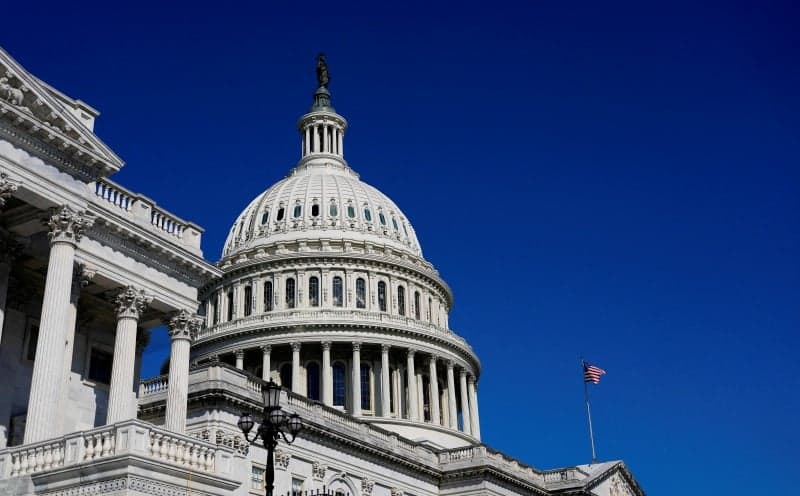
Latest bid to rein in Trump's Iran war powers fails in US House
WASHINGTON: The US House of Representatives backed President Donald Trump's military campaign against Iran on Thursday, narrowly blocking a Democratic-led resolution aiming to stop the war until hostilities are authorised by Congress. The war powers resolution was rejected by 214 to 213 in the Republican-majority chamber, a day after a similar measure was blocked in the Senate. The narrow vote was almost exclusively along party lines, with every Republican except Representative Thomas Massie of Kentucky opposing the resolution, and one, Warren Davidson of Ohio, voting present. One Democrat, Representative Jared Golden of Maine, voted against it. The vote underscored the continuing support among Trump's fellow Republicans for the president's war policy, more than six weeks after the US and Israel launched strikes on Iran on February 28. It was the second time since the conflict began that the House has rejected legislation to constrain Trump's authority to wage war. The Senate's failed attempt to pass a resolution on Wednesday was the fourth in that chamber. Democrats have called on the president to come to Congress for authorisation to use military force, noting that the US Constitution says that Congress, not the president, can declare war. They warned that Trump may have pulled the country into a long conflict by failing to spell out a clear strategy. "We are standing at the edge of a cliff, and Congress must act before this president pushes us off. Every day we delay, we inch closer to a conflict with no exit ramp," Representative Gregory Meeks of New York, the top Democrat on the House Foreign Affairs Committee, said, urging support for the resolution. Presidents from both parties have long held that the Constitution's restriction on presidential war powers does not apply for short-term operations or if the country is under immediate threat. The White House and almost all of Trump's fellow Republicans in Congress say Trump's actions are legal and within his rights as commander-in-chief to protect the US by ordering limited military operations. Representative Brian Mast of Florida, an Army veteran who lost both legs while serving in Afghanistan and who is now the Republican chairman of the House Foreign Affairs Committee, said it would be "crazy" to remove troops from Iran during the current two-week ceasefire. He said Democrats backed the resolution only because of their opposition to Trump. "It's all pure politics for my colleagues," Mast said. Trump agreed to a two-week ceasefire with Iran on Apr 7. © New Straits Times Press (M) Bhd
Latest bid to rein in Trump's Iran war powers fails in US House
WASHINGTON: The US House of Representatives backed President Donald Trump's military campaign against Iran on Thursday, narrowly blocking a Democratic-led resolution aiming to stop the war until hostilities are authorised by Congress. The war powers resolution was rejected by 214 to 213 in the Republican-majority chamber, a day after a similar measure was blocked in the Senate. The narrow vote was almost exclusively along party lines, with every Republican except Representative Thomas Massie of Kentucky opposing the resolution, and one, Warren Davidson of Ohio, voting present. One Democrat, Representative Jared Golden of Maine, voted against it. The vote underscored the continuing support among Trump's fellow Republicans for the president's war policy, more than six weeks after the US and Israel launched strikes on Iran on February 28. It was the second time since the conflict began that the House has rejected legislation to constrain Trump's authority to wage war. The Senate's failed attempt to pass a resolution on Wednesday was the fourth in that chamber. Democrats have called on the president to come to Congress for authorisation to use military force, noting that the US Constitution says that Congress, not the president, can declare war. They warned that Trump may have pulled the country into a long conflict by failing to spell out a clear strategy. "We are standing at the edge of a cliff, and Congress must act before this president pushes us off. Every day we delay, we inch closer to a conflict with no exit ramp," Representative Gregory Meeks of New York, the top Democrat on the House Foreign Affairs Committee, said, urging support for the resolution. Presidents from both parties have long held that the Constitution's restriction on presidential war powers does not apply for short-term operations or if the country is under immediate threat. The White House and almost all of Trump's fellow Republicans in Congress say Trump's actions are legal and within his rights as commander-in-chief to protect the US by ordering limited military operations. Representative Brian Mast of Florida, an Army veteran who lost both legs while serving in Afghanistan and who is now the Republican chairman of the House Foreign Affairs Committee, said it would be "crazy" to remove troops from Iran during the current two-week ceasefire. He said Democrats backed the resolution only because of their opposition to Trump. "It's all pure politics for my colleagues," Mast said. Trump agreed to a two-week ceasefire with Iran on Apr 7. © New Straits Times Press (M) Bhd
Latest bid to rein in Trump's Iran war powers fails in US House
WASHINGTON: The US House of Representatives backed President Donald Trump's military campaign against Iran on Thursday, narrowly blocking a Democratic-led resolution aiming to stop the war until hostilities are authorised by Congress. The war powers resolution was rejected by 214 to 213 in the Republican-majority chamber, a day after a similar measure was blocked in the Senate. The narrow vote was almost exclusively along party lines, with every Republican except Representative Thomas Massie of Kentucky opposing the resolution, and one, Warren Davidson of Ohio, voting present. One Democrat, Representative Jared Golden of Maine, voted against it. The vote underscored the continuing support among Trump's fellow Republicans for the president's war policy, more than six weeks after the US and Israel launched strikes on Iran on February 28. It was the second time since the conflict began that the House has rejected legislation to constrain Trump's authority to wage war. The Senate's failed attempt to pass a resolution on Wednesday was the fourth in that chamber. Democrats have called on the president to come to Congress for authorisation to use military force, noting that the US Constitution says that Congress, not the president, can declare war. They warned that Trump may have pulled the country into a long conflict by failing to spell out a clear strategy. "We are standing at the edge of a cliff, and Congress must act before this president pushes us off. Every day we delay, we inch closer to a conflict with no exit ramp," Representative Gregory Meeks of New York, the top Democrat on the House Foreign Affairs Committee, said, urging support for the resolution. Presidents from both parties have long held that the Constitution's restriction on presidential war powers does not apply for short-term operations or if the country is under immediate threat. The White House and almost all of Trump's fellow Republicans in Congress say Trump's actions are legal and within his rights as commander-in-chief to protect the US by ordering limited military operations. Representative Brian Mast of Florida, an Army veteran who lost both legs while serving in Afghanistan and who is now the Republican chairman of the House Foreign Affairs Committee, said it would be "crazy" to remove troops from Iran during the current two-week ceasefire. He said Democrats backed the resolution only because of their opposition to Trump. "It's all pure politics for my colleagues," Mast said. Trump agreed to a two-week ceasefire with Iran on Apr 7. © New Straits Times Press (M) Bhd

US blockade of Iran will be major military endeavour, experts say
A US naval blockade of Iran is a major, open-ended military endeavour that could trigger fresh retaliation from Teheran and put tremendous strain on an already fragile ceasefire, experts say. President Donald Trump, in a social media post after no deal emerged from peace talks this weekend in Islamabad, said the US Navy "will begin the process of BLOCKADING any and all Ships trying to enter, or leave, the Strait of Hormuz." The US military's Central Command later said the blockade will only apply to ships going to or from Iran, including all Iranian ports on the Arabian Gulf and Gulf of Oman. It will take effect on Monday at 10am in Washington (1400 GMT), CENTCOM said. Trump also said US forces would interdict vessels that have paid tolls to Iran, even if those ships are now in international waters. "No one who pays an illegal toll will have safe passage on the high seas," Trump wrote on Truth Social. The ultimate goal, Trump said, would be to pressure Iran to end its effective closure of the strait, a choke point for about 20 per cent of the world's oil, to all but the countries that secure safe passage from Teheran. If Trump's strategy succeeds, he would eliminate Iran's greatest point of leverage in negotiations with the United States and clear the strait again for global trade, potentially lowering oil prices. But a blockade, experts say, is an act of war that requires an open-ended commitment of a significant number of warships. "Trump wants a quick fix. The reality is, this mission is difficult to execute alone and likely unsustainable over the medium to long-term," said Dana Stroul, a former senior Pentagon official during the Biden administration now at The Washington Institute for Near East Policy. The US military has not offered basic details yet about the blockade, including how many US warships will enforce it, whether warplanes will be used and whether any Gulf allies will assist in the effort. Central Command declined to respond to requests for comment. With enough warships, the US Navy could set up a blockade that intimidates many commercial tankers from trying to power through with Iranian oil, experts say. [[nid:1416486]] But would the United States be prepared to board and seize — or even damage or sink — ships that try to break the blockade? What if they carry oil for China, a major power, or US partners such as India or South Korea? And what would Iran do? Retired Admiral Gary Roughead, a former chief of US naval operations, cautioned that Iran could fire on ships in the Gulf or attack infrastructure of the Gulf states that host US forces. "I honestly believe that if we begin to do it, that Iran will have some kind of a reaction," Roughead said. Iran's threats to shipping have caused global oil prices to skyrocket about 50 per cent since the US and Israel launched the war on Feb 28. Trump said on Sunday that the price of oil and gasoline may remain high in the United States through November's US midterm elections, which could see Trump's Republicans lose control of the US Congress if there is a public backlash. The war has already been unpopular. Frustrated by Iran's refusal to end the war on his terms, Trump on Sunday also floated the possibility of a resumption of US strikes inside Iran, citing missile factories as one possibility. US Senator Mark Warner of Virginia, the ranking Democrat on the Senate Intelligence Committee, questioned the strategy, noting Iran could send speedboats to mine the strait or put bombs against tankers. "How is that going to ever bring down gas prices?" Warner asked on CBS's "Face the Nation." Thousands of US military strikes have severely weakened Iran's military. But analysts say Teheran has emerged from the conflict as a vexing problem for Washington, with a more hardline leadership and a buried stockpile of highly enriched uranium. Trump threatened on Sunday that "any Iranian who fires at us, or at peaceful vessels, will be BLOWN TO HELL!" Iran's Revolutionary Guards responded with a statement warning that military vessels approaching the strait will be considered a ceasefire breach and dealt with harshly and decisively, underlining the risk of a dangerous escalation. Stroul said the crisis will require a long-term, international effort to resolve. "Over the long run, this will need to be resolved through diplomacy and international political will," she said. * The writer is from Reuters © New Straits Times Press (M) Bhd
US blockade of Iran will be major military endeavour, experts say
A US naval blockade of Iran is a major, open-ended military endeavour that could trigger fresh retaliation from Teheran and put tremendous strain on an already fragile ceasefire, experts say. President Donald Trump, in a social media post after no deal emerged from peace talks this weekend in Islamabad, said the US Navy "will begin the process of BLOCKADING any and all Ships trying to enter, or leave, the Strait of Hormuz." The US military's Central Command later said the blockade will only apply to ships going to or from Iran, including all Iranian ports on the Arabian Gulf and Gulf of Oman. It will take effect on Monday at 10am in Washington (1400 GMT), CENTCOM said. Trump also said US forces would interdict vessels that have paid tolls to Iran, even if those ships are now in international waters. "No one who pays an illegal toll will have safe passage on the high seas," Trump wrote on Truth Social. The ultimate goal, Trump said, would be to pressure Iran to end its effective closure of the strait, a choke point for about 20 per cent of the world's oil, to all but the countries that secure safe passage from Teheran. If Trump's strategy succeeds, he would eliminate Iran's greatest point of leverage in negotiations with the United States and clear the strait again for global trade, potentially lowering oil prices. But a blockade, experts say, is an act of war that requires an open-ended commitment of a significant number of warships. "Trump wants a quick fix. The reality is, this mission is difficult to execute alone and likely unsustainable over the medium to long-term," said Dana Stroul, a former senior Pentagon official during the Biden administration now at The Washington Institute for Near East Policy. The US military has not offered basic details yet about the blockade, including how many US warships will enforce it, whether warplanes will be used and whether any Gulf allies will assist in the effort. Central Command declined to respond to requests for comment. With enough warships, the US Navy could set up a blockade that intimidates many commercial tankers from trying to power through with Iranian oil, experts say. [[nid:1416486]] But would the United States be prepared to board and seize — or even damage or sink — ships that try to break the blockade? What if they carry oil for China, a major power, or US partners such as India or South Korea? And what would Iran do? Retired Admiral Gary Roughead, a former chief of US naval operations, cautioned that Iran could fire on ships in the Gulf or attack infrastructure of the Gulf states that host US forces. "I honestly believe that if we begin to do it, that Iran will have some kind of a reaction," Roughead said. Iran's threats to shipping have caused global oil prices to skyrocket about 50 per cent since the US and Israel launched the war on Feb 28. Trump said on Sunday that the price of oil and gasoline may remain high in the United States through November's US midterm elections, which could see Trump's Republicans lose control of the US Congress if there is a public backlash. The war has already been unpopular. Frustrated by Iran's refusal to end the war on his terms, Trump on Sunday also floated the possibility of a resumption of US strikes inside Iran, citing missile factories as one possibility. US Senator Mark Warner of Virginia, the ranking Democrat on the Senate Intelligence Committee, questioned the strategy, noting Iran could send speedboats to mine the strait or put bombs against tankers. "How is that going to ever bring down gas prices?" Warner asked on CBS's "Face the Nation." Thousands of US military strikes have severely weakened Iran's military. But analysts say Teheran has emerged from the conflict as a vexing problem for Washington, with a more hardline leadership and a buried stockpile of highly enriched uranium. Trump threatened on Sunday that "any Iranian who fires at us, or at peaceful vessels, will be BLOWN TO HELL!" Iran's Revolutionary Guards responded with a statement warning that military vessels approaching the strait will be considered a ceasefire breach and dealt with harshly and decisively, underlining the risk of a dangerous escalation. Stroul said the crisis will require a long-term, international effort to resolve. "Over the long run, this will need to be resolved through diplomacy and international political will," she said. * The writer is from Reuters © New Straits Times Press (M) Bhd
Trump unveils historic US$500bil defence boost, targets 10pct cuts to other federal programmes
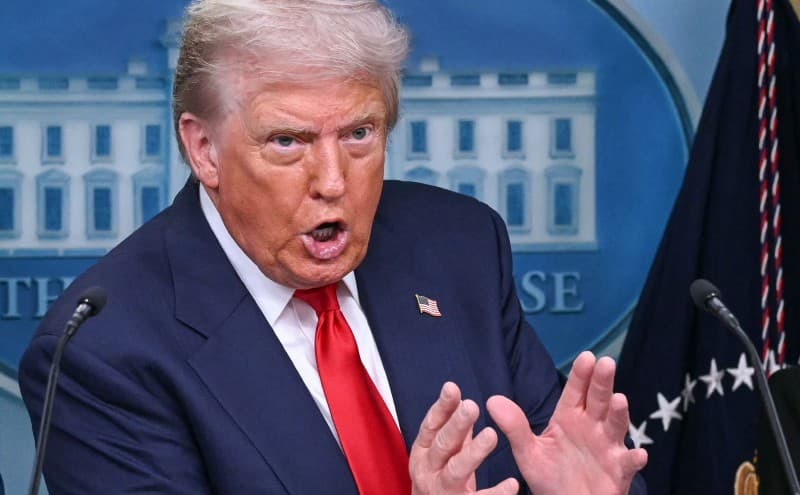
WASHINGTON: President Donald Trump on Friday requested a 10 per cent cut in non-defence spending for the 2027 fiscal year and a massive US$500 billion increase in the military budget, as the US continues its war against Iran. The 2027 budget request comes as the president faces risky choices abroad, with the administration sending US service members to the Middle East, and a weary public at home feeling the economic crunch of skyrocketing gas prices due to the conflict. The request ultimately requires approval by Congress, where disagreement over Trump's spending decisions recently led to the longest government shutdown in US history. The huge proposed surge in defence spending to US$1.5 trillion, up from about US$1 trillion in 2026, includes a 5 per cent to 7 per cent pay raise for military personnel at a time when thousands of servicemembers are actively deployed. The White House boasted that this defence funding approaches the "historic increases just prior to World War II." The hefty ask contrasts with the more skeptical view Trump took toward military spending in his first term, when he even once called the level of funding "crazy." Trump came into office vowing to cut federal spending and rein in the nation's growing budget deficit, bringing in the world's richest person, Elon Musk, to lead an effort that pushed about 300,000 people off the federal payroll. Despite that, the nation's deficit, the gap between the amount of money the federal government takes in and how much it spends, has continued to widen, with the nonpartisan Congressional Budget Office forecasting a US$1.853 trillion shortfall in the fiscal year that ends on Sept 30, deeper than last year's US$1.775 trillion. The nation's US$39.016 trillion debt has continued to grow under Republican and Democratic governments in part because most of the political battles around spending revolve around the amount Congress directly controls, the roughly one quarter of the budget known as "discretionary spending." The 2027 budget request did not grapple with the most expensive part of mandatory federal spending - Social Security retirement and Medicare health spending for senior citizens - where suggesting cuts is considered politically perilous. If enacted, total federal spending would reach US$2.2 trillion in 2027, compared with the roughly US$1.8 trillion spent for the current fiscal year. defence COSTS The military request will please defence hawks on Capitol Hill, but also highlights how Trump is trying to pay for doubling down on military pursuits, even after Republicans boosted defence spending last year in party-line legislation. The Pentagon already requested US$200 billion in extra funding to pay for the Iran war, but the White House has not yet officially made that request to Congress, where it is also likely to face scrutiny from lawmakers in both parties. Other specific funding increases proposed by Trump include his controversial Golden Dome missile defence shield, money to build up critical mineral supplies for the defence industry and US$65.8 billion to build 34 new combat and support ships. Funds for shipbuilding, a priority for Trump since his first term, include initial funding for the so-called Trump-class battleship as well as submarines. "Fiscal futility is ending," White House budget director Russell Vought said in a letter to Congress, adding, "Our fiscal ship has turned to face in the right direction." MESSAGING IN A MIDTERM YEAR The president's budget also reflects the administration's political priorities ahead of the 2026 midterm elections in November, when Trump's Republicans hope to maintain their small majorities in both the US Senate and House of Representatives. Lawmakers on Capitol Hill often treat White House budget requests as suggestive, as appropriators try to negotiate behind the scenes to maintain their own legislative priorities. Top congressional Democrats said Trump's defence-heavy proposal was "dead on arrival." "It's just an out-of-touch plea for more money for guns and bombs, and less for the things people need, like housing, healthcare, education, roads, scientific research, and environmental protection," Oregon Senator Jeff Merkley, the top Democrat on the budget committee, said in a statement. It was unclear how this new spending would affect the US budget deficit because the projections were not included by the White House. The budget is "light on details and heavy on borrowing," Maya MacGuineas, president of the Committee for a Responsible Federal Budget, said in a statement. "It relies on an entire decade of rosy economic assumptions for the vast majority of its improvements in the nation's finances." In a Friday social media post, Trump asserted that his administration's pursuit against fraud could "balance our American Budget," a claim met with skepticism from budget experts. However, the president and his team relish more funding fights with Democratic lawmakers, arguing in the documents that savings will be found "by reducing or eliminating woke, weaponised, and wasteful programmes, and by returning state and local responsibilities to their respective governments." Some proposed cuts follow the Trump administration's pursuit against "green energy" spending, as well as eliminating nearly 30 Justice Department programmes they deem "weaponised" against the American people, along with other initiatives, like cutting the US$315 million National Endowment for Democracy. NASA CUTS AFTER ARTEMIS LAUNCH There are also big cuts proposed to many major federal departments, including a 19 per cent decrease for the US agriculture department, a 12.5 per cent cut for the US health department and a 52 per cent cut for the Environmental Protection Agency. Elsewhere, Trump's budget requests a 13 per cent increase to "maximise" the Justice Department's "capacity to bring violent criminals to justice," as well as maintaining high spending for homeland security and immigration enforcement at US$2.2 billion, which the administration said will pay for US Immigration and Customs Enforcement operations, 41,500 detention beds, and 30,000 "family unit beds." Two days after NASA launched its most ambitious mission in decades, sending four astronauts on a mission around the moon under its Artemis program, the White House asked for a 23 per cent decrease for that agency, including a US$3.6 billion cut to the agency's science unit that would cancel roughly 40 programmes. Trump's budget included US$152 million for his idea to return the former Alcatraz prison island to active duty, and US$481 million to increase hiring of air traffic controllers to bulk up staffing in airport towers across the country amid rising concerns about understaffing and air safety. Pet projects for Trump are also funded, like a US$10 billion mandatory fund to establish the "Presidential Capital Stewardship Programme" within the National Park Service "to coordinate, plan, and execute targeted, priority construction and beautification projects in and around Washington, D.C."--REUTERS © New Straits Times Press (M) Bhd
Trump unveils historic US$500bil defence boost, targets 10pct cuts to other federal programmes
WASHINGTON: President Donald Trump on Friday requested a 10 per cent cut in non-defence spending for the 2027 fiscal year and a massive US$500 billion increase in the military budget, as the US continues its war against Iran. The 2027 budget request comes as the president faces risky choices abroad, with the administration sending US service members to the Middle East, and a weary public at home feeling the economic crunch of skyrocketing gas prices due to the conflict. The request ultimately requires approval by Congress, where disagreement over Trump's spending decisions recently led to the longest government shutdown in US history. The huge proposed surge in defence spending to US$1.5 trillion, up from about US$1 trillion in 2026, includes a 5 per cent to 7 per cent pay raise for military personnel at a time when thousands of servicemembers are actively deployed. The White House boasted that this defence funding approaches the "historic increases just prior to World War II." The hefty ask contrasts with the more skeptical view Trump took toward military spending in his first term, when he even once called the level of funding "crazy." Trump came into office vowing to cut federal spending and rein in the nation's growing budget deficit, bringing in the world's richest person, Elon Musk, to lead an effort that pushed about 300,000 people off the federal payroll. Despite that, the nation's deficit, the gap between the amount of money the federal government takes in and how much it spends, has continued to widen, with the nonpartisan Congressional Budget Office forecasting a US$1.853 trillion shortfall in the fiscal year that ends on Sept 30, deeper than last year's US$1.775 trillion. The nation's US$39.016 trillion debt has continued to grow under Republican and Democratic governments in part because most of the political battles around spending revolve around the amount Congress directly controls, the roughly one quarter of the budget known as "discretionary spending." The 2027 budget request did not grapple with the most expensive part of mandatory federal spending - Social Security retirement and Medicare health spending for senior citizens - where suggesting cuts is considered politically perilous. If enacted, total federal spending would reach US$2.2 trillion in 2027, compared with the roughly US$1.8 trillion spent for the current fiscal year. defence COSTS The military request will please defence hawks on Capitol Hill, but also highlights how Trump is trying to pay for doubling down on military pursuits, even after Republicans boosted defence spending last year in party-line legislation. The Pentagon already requested US$200 billion in extra funding to pay for the Iran war, but the White House has not yet officially made that request to Congress, where it is also likely to face scrutiny from lawmakers in both parties. Other specific funding increases proposed by Trump include his controversial Golden Dome missile defence shield, money to build up critical mineral supplies for the defence industry and US$65.8 billion to build 34 new combat and support ships. Funds for shipbuilding, a priority for Trump since his first term, include initial funding for the so-called Trump-class battleship as well as submarines. "Fiscal futility is ending," White House budget director Russell Vought said in a letter to Congress, adding, "Our fiscal ship has turned to face in the right direction." MESSAGING IN A MIDTERM YEAR The president's budget also reflects the administration's political priorities ahead of the 2026 midterm elections in November, when Trump's Republicans hope to maintain their small majorities in both the US Senate and House of Representatives. Lawmakers on Capitol Hill often treat White House budget requests as suggestive, as appropriators try to negotiate behind the scenes to maintain their own legislative priorities. Top congressional Democrats said Trump's defence-heavy proposal was "dead on arrival." "It's just an out-of-touch plea for more money for guns and bombs, and less for the things people need, like housing, healthcare, education, roads, scientific research, and environmental protection," Oregon Senator Jeff Merkley, the top Democrat on the budget committee, said in a statement. It was unclear how this new spending would affect the US budget deficit because the projections were not included by the White House. The budget is "light on details and heavy on borrowing," Maya MacGuineas, president of the Committee for a Responsible Federal Budget, said in a statement. "It relies on an entire decade of rosy economic assumptions for the vast majority of its improvements in the nation's finances." In a Friday social media post, Trump asserted that his administration's pursuit against fraud could "balance our American Budget," a claim met with skepticism from budget experts. However, the president and his team relish more funding fights with Democratic lawmakers, arguing in the documents that savings will be found "by reducing or eliminating woke, weaponised, and wasteful programmes, and by returning state and local responsibilities to their respective governments." Some proposed cuts follow the Trump administration's pursuit against "green energy" spending, as well as eliminating nearly 30 Justice Department programmes they deem "weaponised" against the American people, along with other initiatives, like cutting the US$315 million National Endowment for Democracy. NASA CUTS AFTER ARTEMIS LAUNCH There are also big cuts proposed to many major federal departments, including a 19 per cent decrease for the US agriculture department, a 12.5 per cent cut for the US health department and a 52 per cent cut for the Environmental Protection Agency. Elsewhere, Trump's budget requests a 13 per cent increase to "maximise" the Justice Department's "capacity to bring violent criminals to justice," as well as maintaining high spending for homeland security and immigration enforcement at US$2.2 billion, which the administration said will pay for US Immigration and Customs Enforcement operations, 41,500 detention beds, and 30,000 "family unit beds." Two days after NASA launched its most ambitious mission in decades, sending four astronauts on a mission around the moon under its Artemis program, the White House asked for a 23 per cent decrease for that agency, including a US$3.6 billion cut to the agency's science unit that would cancel roughly 40 programmes. Trump's budget included US$152 million for his idea to return the former Alcatraz prison island to active duty, and US$481 million to increase hiring of air traffic controllers to bulk up staffing in airport towers across the country amid rising concerns about understaffing and air safety. Pet projects for Trump are also funded, like a US$10 billion mandatory fund to establish the "Presidential Capital Stewardship Programme" within the National Park Service "to coordinate, plan, and execute targeted, priority construction and beautification projects in and around Washington, D.C."--REUTERS © New Straits Times Press (M) Bhd