5 stories credited to NBC10 Philadelphia
Latest story Apr 16, 2026 · on ChamberLight since Apr 2026
A story can appear as several articles (copies of the same piece), so counts of stories and of articles differ.
Scores for NBC10 Philadelphia
Writing quality not enough rated stories yet: 4 of 10. How it is measured
Scores last checked Sep 25, 2026.
Stories ChamberLight collected, by month
Stories credited to NBC10 Philadelphia, by publication date. ChamberLight collects articles that mention the officials it tracks, so this shows its own coverage of this source, not how much the source publishes.
- Stories from NBC10 Philadelphia
- Shaded: ChamberLight collected no stories, or almost none, from any outlet (a gap in its collection, not in the outlet’s publishing)
Show as a table
| Month | Stories | All outlets |
|---|---|---|
| April 2026 | 5 | 3,898 |
| May 2026 | 0 | none collected |
| June 2026 | 0 | none collected |
| July 2026 | 0 | none collected |
| August 2026 | 0 | 1 (collection gap) |
| September 2026 | 0 | 1,320 |
Top topics
Share of this source’s stories tagged with each topic. A story can carry several topics, so the shares do not add up to 100%.
- Budget/Spending2
40% of 5 stories · 31% across all outlets
- Economy2
40% of 5 stories · 26% across all outlets
- Ethics/Corruption2
40% of 5 stories · 58% across all outlets
- Immigration2
40% of 5 stories · 13% across all outlets
- Infrastructure2
40% of 5 stories · 8% across all outlets
- Criminal Justice1
20% of 5 stories · 19% across all outlets
- Education1
20% of 5 stories · 3% across all outlets
- Foreign Policy1
20% of 5 stories · 29% across all outlets
The thin mark on each bar is the topic’s share across all outlets.
Who they cover
Party of the officials these stories are mainly about, across all 6 officials named. A story counts once for each official it is mainly about, so the split is over 9 story–official pairs, from 5 stories.
- Party not recorded44% · 4 pairs
- Republican33% · 3 pairs
- Democrat22% · 2 pairs
Most covered
Stories mainly about each official, and their share of the source’s 5 stories.
Article tone
ChamberLight’s article analysis assigns each story a tone toward the official it covers. It describes the coverage of that official, not NBC10 Philadelphia’s stance, and reader votes do not change it. 5 stories.
- Good Look
- 2 (40%)
- Mixed
- 3 (60%)
- Informational
- 0 (0%)
- Bad Look
- 0 (0%)
Challenges to these scores
No one has challenged a score on this page yet. Anyone can; editors publish every outcome here.
Articles served from nbcphiladelphia.com
9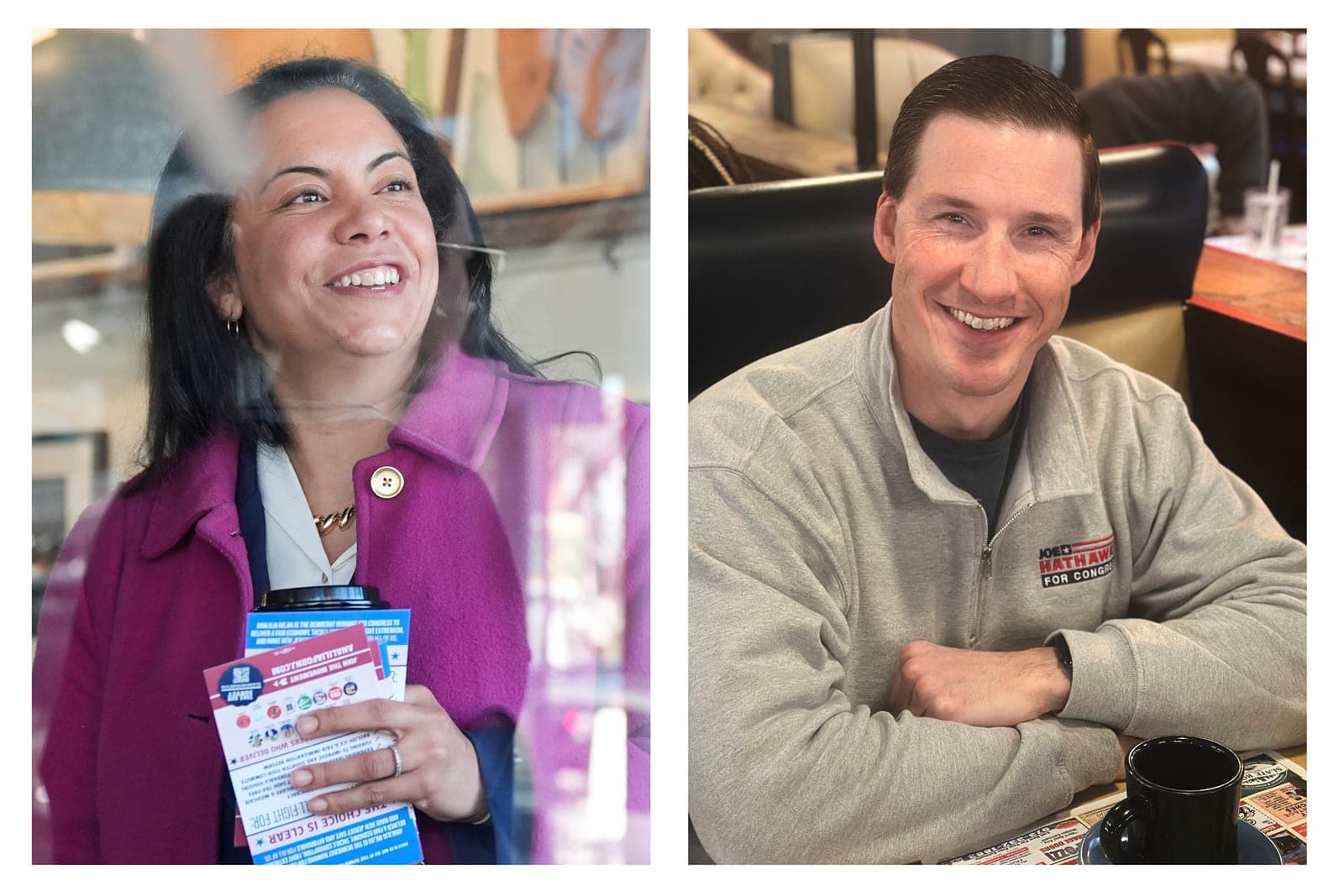
Democrat Analilia Mejia and Republican Joe Hathaway compete for NJ House seat
Analilia Mejia will try to expand Democratic momentum in New Jersey as she and Republican Joe Hathaway compete in a special election for the U.S. House. The prize in Thursday's contest is the seat vacated by Mikie Sherrill when she was elected governor last year. Mejia is a former head of the Working Families Alliance who is endorsed by Vermont U.S. Sen. Bernie Sanders. She emerged from a crowded Democratic primary in February. Hathaway is a council member in suburban Randolph. He was unchallenged in the GOP contest. Mejia has been critical of President Donald Trump. Hathaway has seized on Mejia’s progressive credentials, and national Republicans cast her as a socialist.
Democrat Analilia Mejia and Republican Joe Hathaway compete for NJ House seat
Analilia Mejia will try to expand Democratic momentum in New Jersey as she and Republican Joe Hathaway compete in a special election for the U.S. House. The prize in Thursday's contest is the seat vacated by Mikie Sherrill when she was elected governor last year. Mejia is a former head of the Working Families Alliance who is endorsed by Vermont U.S. Sen. Bernie Sanders. She emerged from a crowded Democratic primary in February. Hathaway is a council member in suburban Randolph. He was unchallenged in the GOP contest. Mejia has been critical of President Donald Trump. Hathaway has seized on Mejia’s progressive credentials, and national Republicans cast her as a socialist.
What to expect in New Jersey's special congressional election
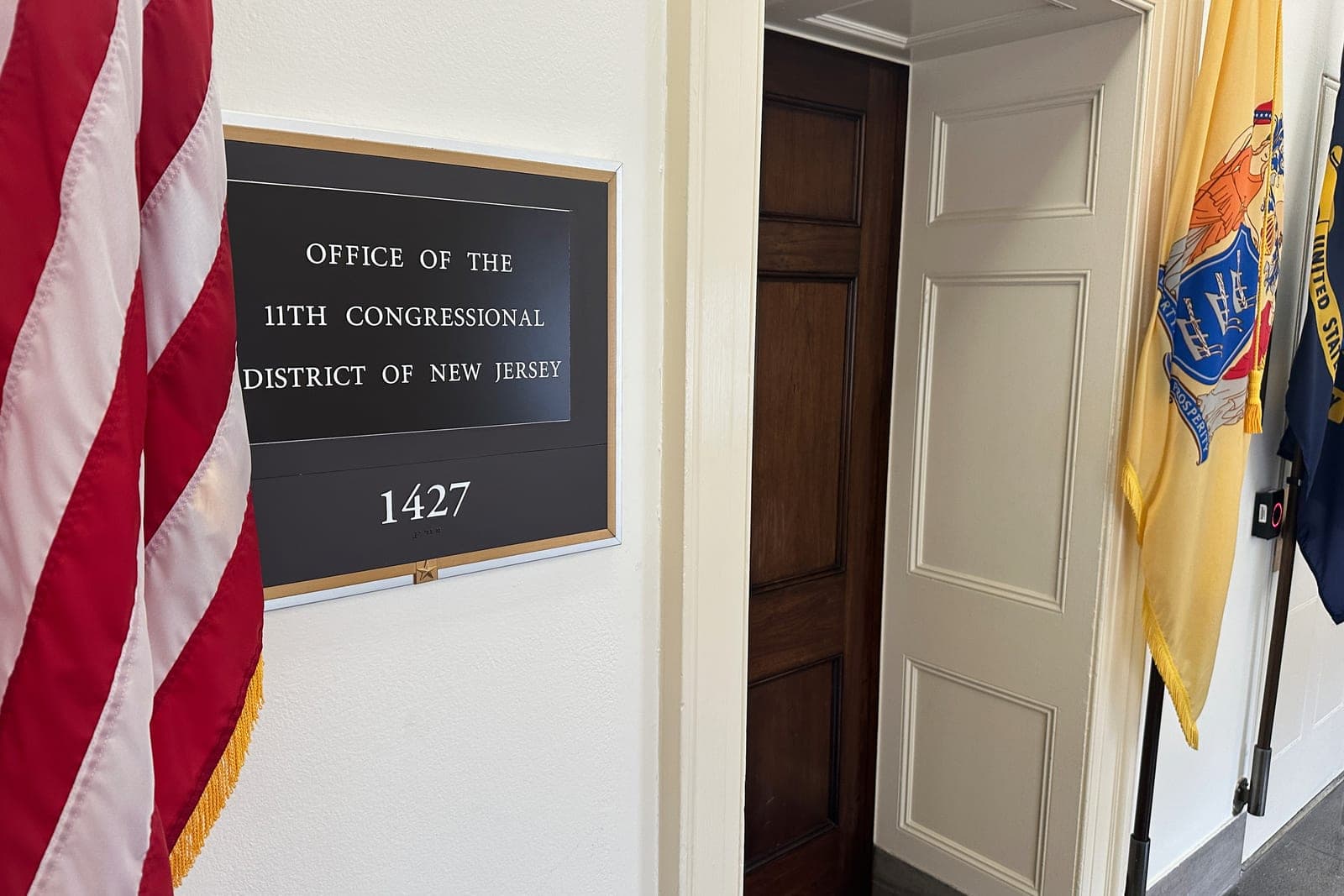
Residents of New Jersey’s 11th Congressional District will have a representative in Congress for the first time this year after a special election on Thursday to fill the U.S. House seat most recently held by Democratic Gov. Mikie Sherrill. A Democratic victory in the Democratic-leaning district would further narrow the slim majority Republicans hold in the chamber. The major party nominees to replace Sherrill are Democrat Analilia Mejia, a longtime progressive organizer and former Labor Department official, and Republican Joe Hathaway, a member of the Randolph Township Council. Mejia, who had the early backing of progressive stalwarts U.S. Sens. Bernie Sanders and Elizabeth Warren and U.S. Rep. Alexandria Ocasio-Cortez, narrowly won the Feb. 5 Democratic special primary against a crowded field that included former U.S. Rep. Tom Malinowski and former Lt. Gov. Tahesha Way. Malinowski was attempting a comeback after losing a neighboring House seat in 2022. Hathaway ran unopposed for the Republican nomination. The ongoing Israel-Hamas War and support for Israel has been a major issue in the campaign. A super PAC affiliated with the American Israel Public Affairs Committee spent more than $2.3 million to defeat Malinowski, who had questioned providing unconditional aid to the Israeli government. During a primary campaign forum, Mejia was the only candidate to indicate she believes Israel committed genocide in Gaza. She has also called Israeli Prime Minister Benjamin Netanyahu a war criminal. Hathaway has said the U.S. should stand “ in lockstep ” with Israel and opposes putting conditions on aid to an ally. Mejia had raised about $1.1 million for the special primary and special election and had about $374,000 in her campaign account as of March 27. Hathaway had raised about $525,000 for his campaign and had about $109,000 in the bank. Democrats have held an advantage in general elections in the district. Sherrill won reelection in 2024 with about 57% of the vote, while Democratic presidential nominee Kamala Harris carried the district with 53% at the top of the ballot. More than half of the district’s 588 precincts are in Morris County, with about 39% in Essex County and 9% in Passaic County. The district’s portion of Essex County is heavily Democratic: Harris carried the area with 64% in 2024. President Donald Trump narrowly won the district’s share of Morris County by about one percentage point. He carried the district’s small portion of Passaic County with about 57% of its vote. The Associated Press does not make projections and will declare a winner only when it’s determined there is no scenario that would allow the trailing candidates to close the gap. If a race has not been called, the AP will continue to cover any newsworthy developments, such as candidate concessions or declarations of victory. In doing so, the AP will make clear that it has not yet declared a winner and explain why. New Jersey does not have automatic recounts, but candidates and voters may request and pay for them, with the cost refunded if the outcome changes. The AP may declare a winner in a race that is subject to a recount if it can determine the lead is too large for a recount or legal challenge to change the outcome. Here are some of the key facts about the election and data points the AP Decision Team will monitor as the votes are tallied: When do polls close? Polls close at 8 p.m. What’s on the ballot? The AP will provide vote results and declare a winner in the special congressional election in the 11th District. In addition to the candidates named on the ballot, voters also have a write-in option. Who gets to vote? Any voter registered in the 11th District may participate in the special election. What do turnout and advance vote look like? As of April 1, there were about 603,000 registered voters in the 11th Congressional District. Of those, about 230,000 were Democrats, about 165,000 were Republicans and about 204,000 were not affiliated with any party. The remainder were registered with various minor parties. More than 68,000 ballots were cast in the Feb. 5 Democratic special primary and about 16,000 in the Republican contest. About 394,000 votes were cast in the 2024 general election, with nearly half cast before Election Day. As of Monday, about 54,000 votes had already been cast, including about 34,000 from Democrats, about 13,000 from Republicans and more than 7,000 from unaffiliated voters. How long does vote-counting usually take? In the Feb. 5 special primary, the AP first reported results at 8:04 p.m., or four minutes after polls closed. The last update of the night was at 10:30 p.m. with about 91% of total votes counted. The AP called the race at 5:34 p.m. on Feb. 12. When are early and absentee voting results released? All counties in New Jersey release most or all the results from early and absentee voting in the first vote update of the night, before any in-person Election Day results are released. Are we there yet? As of Thursday, there will be 201 days until this seat is up again in the 2026 midterm elections. ___ Follow the AP’s coverage of the 2026 election here.
What to expect in New Jersey's special congressional election
Residents of New Jersey’s 11th Congressional District will have a representative in Congress for the first time this year after a special election on Thursday to fill the U.S. House seat most recently held by Democratic Gov. Mikie Sherrill. A Democratic victory in the Democratic-leaning district would further narrow the slim majority Republicans hold in the chamber. The major party nominees to replace Sherrill are Democrat Analilia Mejia, a longtime progressive organizer and former Labor Department official, and Republican Joe Hathaway, a member of the Randolph Township Council. Mejia, who had the early backing of progressive stalwarts U.S. Sens. Bernie Sanders and Elizabeth Warren and U.S. Rep. Alexandria Ocasio-Cortez, narrowly won the Feb. 5 Democratic special primary against a crowded field that included former U.S. Rep. Tom Malinowski and former Lt. Gov. Tahesha Way. Malinowski was attempting a comeback after losing a neighboring House seat in 2022. Hathaway ran unopposed for the Republican nomination. The ongoing Israel-Hamas War and support for Israel has been a major issue in the campaign. A super PAC affiliated with the American Israel Public Affairs Committee spent more than $2.3 million to defeat Malinowski, who had questioned providing unconditional aid to the Israeli government. During a primary campaign forum, Mejia was the only candidate to indicate she believes Israel committed genocide in Gaza. She has also called Israeli Prime Minister Benjamin Netanyahu a war criminal. Hathaway has said the U.S. should stand “ in lockstep ” with Israel and opposes putting conditions on aid to an ally. Mejia had raised about $1.1 million for the special primary and special election and had about $374,000 in her campaign account as of March 27. Hathaway had raised about $525,000 for his campaign and had about $109,000 in the bank. Democrats have held an advantage in general elections in the district. Sherrill won reelection in 2024 with about 57% of the vote, while Democratic presidential nominee Kamala Harris carried the district with 53% at the top of the ballot. More than half of the district’s 588 precincts are in Morris County, with about 39% in Essex County and 9% in Passaic County. The district’s portion of Essex County is heavily Democratic: Harris carried the area with 64% in 2024. President Donald Trump narrowly won the district’s share of Morris County by about one percentage point. He carried the district’s small portion of Passaic County with about 57% of its vote. The Associated Press does not make projections and will declare a winner only when it’s determined there is no scenario that would allow the trailing candidates to close the gap. If a race has not been called, the AP will continue to cover any newsworthy developments, such as candidate concessions or declarations of victory. In doing so, the AP will make clear that it has not yet declared a winner and explain why. New Jersey does not have automatic recounts, but candidates and voters may request and pay for them, with the cost refunded if the outcome changes. The AP may declare a winner in a race that is subject to a recount if it can determine the lead is too large for a recount or legal challenge to change the outcome. Here are some of the key facts about the election and data points the AP Decision Team will monitor as the votes are tallied: When do polls close? Polls close at 8 p.m. What’s on the ballot? The AP will provide vote results and declare a winner in the special congressional election in the 11th District. In addition to the candidates named on the ballot, voters also have a write-in option. Who gets to vote? Any voter registered in the 11th District may participate in the special election. What do turnout and advance vote look like? As of April 1, there were about 603,000 registered voters in the 11th Congressional District. Of those, about 230,000 were Democrats, about 165,000 were Republicans and about 204,000 were not affiliated with any party. The remainder were registered with various minor parties. More than 68,000 ballots were cast in the Feb. 5 Democratic special primary and about 16,000 in the Republican contest. About 394,000 votes were cast in the 2024 general election, with nearly half cast before Election Day. As of Monday, about 54,000 votes had already been cast, including about 34,000 from Democrats, about 13,000 from Republicans and more than 7,000 from unaffiliated voters. How long does vote-counting usually take? In the Feb. 5 special primary, the AP first reported results at 8:04 p.m., or four minutes after polls closed. The last update of the night was at 10:30 p.m. with about 91% of total votes counted. The AP called the race at 5:34 p.m. on Feb. 12. When are early and absentee voting results released? All counties in New Jersey release most or all the results from early and absentee voting in the first vote update of the night, before any in-person Election Day results are released. Are we there yet? As of Thursday, there will be 201 days until this seat is up again in the 2026 midterm elections. ___ Follow the AP’s coverage of the 2026 election here.
Philly congressman proposes bill to pause federal gas tax amid Iran war
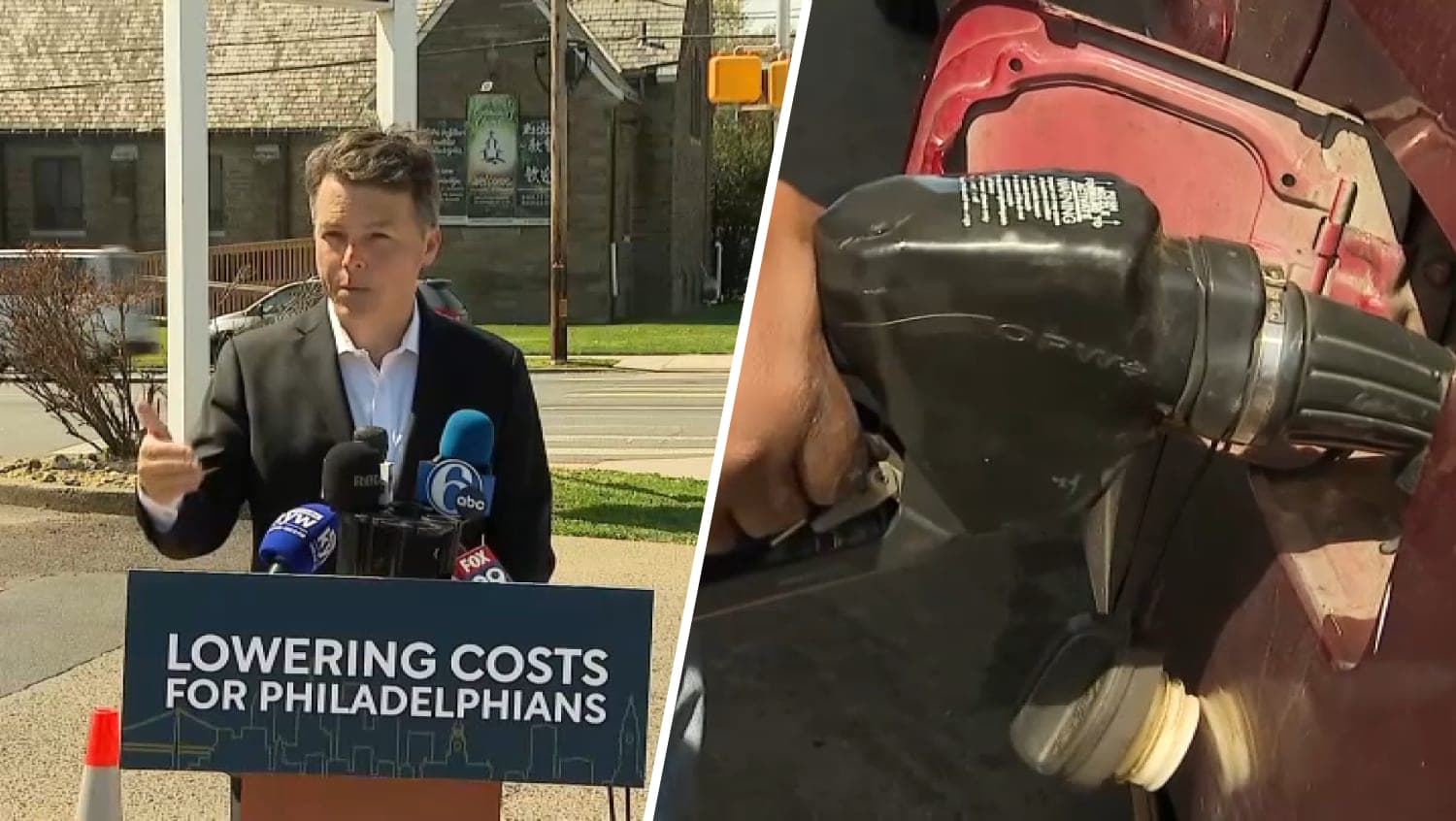
Rep. Brendan Boyle (Pa.-02), announced the Gas Price Relief Act in Philadelphia on Tuesday, which would pause the federal gas tax amid rising prices at the pump. Boyle, speaking in front of a Philly gas station, said that the bill would automatically pause the 18.4 cents per gallon tax anytime national gas prices rise above $4 per gallon. To prevent a funding gap in the Highway Trust Fund, which the federal gas tax raises money for, the bill would redirect funds from federal subsidies for oil and gas companies into the fund. “So, what this legislation would do is redirect the funds from the subsidies that the oil and gas companies get, and instead put those funds directly into our Highway Trust Fund,” Boyle said. “That way, we could deliver some relief to those here in Philadelphia and nationally. We’re suffering as a result of this dramatic increase in gas prices.” On Tuesday, the average gas price in Pennsylvania was $4.14 per gallon, according to AAA. The average price in New Jersey was $4.017 and in Delaware it was $3.996. The national average gas price on Tuesday was $4.118, according to AAA. And, according to NBC News, surging gas prices pushed inflation to its highest level in two years last month as the war with Iran sent gas prices spiraling. Ronald Dieudonne, a Philadelphia resident, told NBC10 that he is feeling the pinch. “It’s outrageous, that’s what I can tell you,” he said. “This car used to cost me $22 to fill, and now its $30 to $40. You know what I mean?” In order for Boyle’s bill to become law, it will still have to passed by Congress and signed by the president. As for the war with Iran, a second round of peace talks between the U.S. and Iran “could be” happening before the two-week ceasefire ends. Live updates are here.
New ruling says no changes can be made to slavery exhibit at President's House
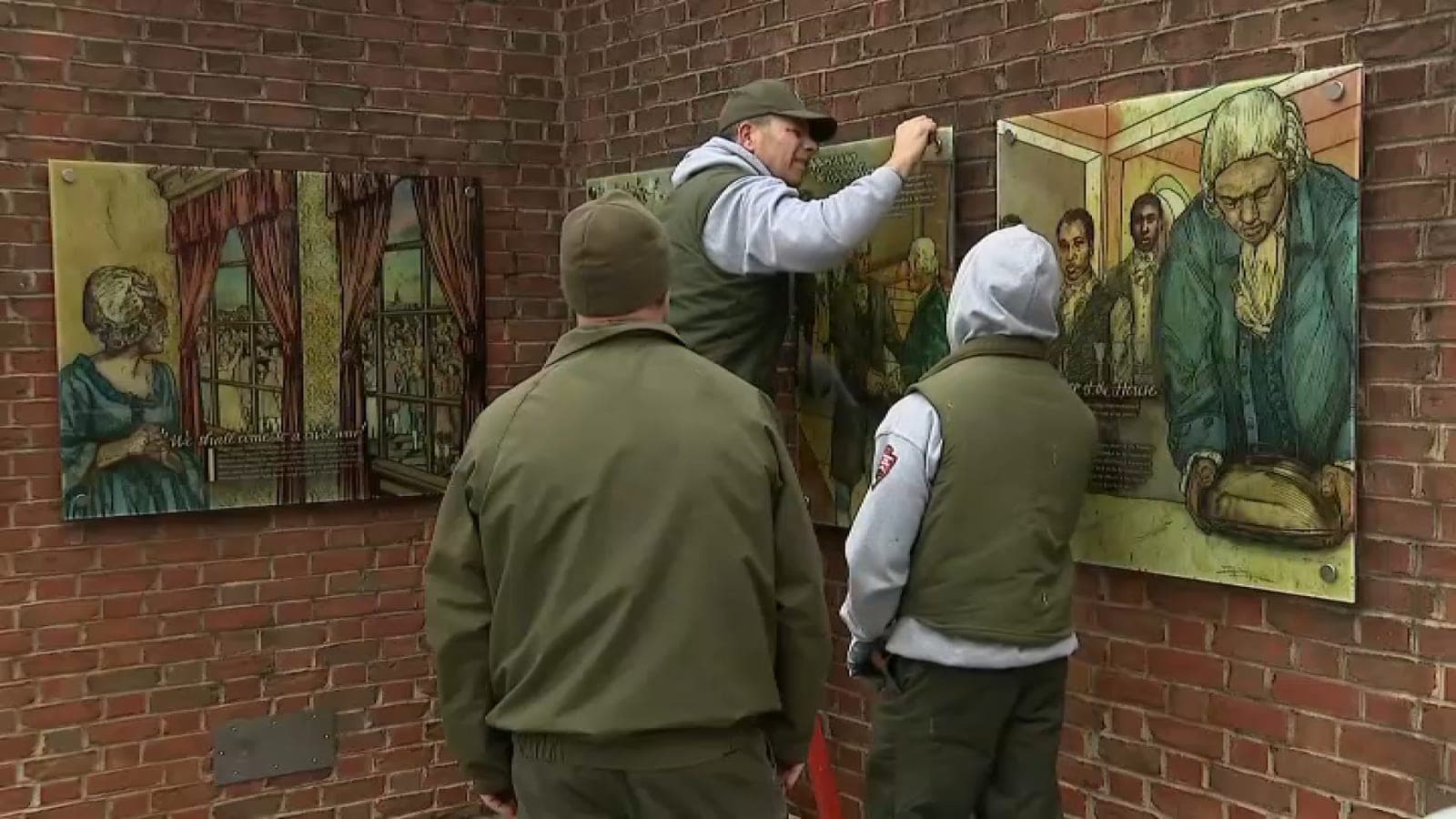
A new federal ruling was issued on Thursday ordering that the government must keep the slavery exhibit at the President’s House as is. The ruling was issued on April 9, 2026, and says that the Trump administration cannot remove any of the panels of the exhibit as the case makes it way through the court system. This ruling comes several weeks after a court order required the Trump administration to restore the exhibit in Philadelphia’s Old City. The exhibit was originally removed at the end of January at Independence Hall on 6th and Market streets. NBC10 crews were on the scene on Jan. 22 and found that the plaques had been taken down. According to the city’s visitor center, the exhibit shows the names of nine people who were enslaved by George Washington, America’s first president. The exhibit was housed on the same land where the homes of Presidents Washington and Adams once stood. The removal came after President Donald Trump signed an executive order in March of 2025 that read in part, “take action, as appropriate and consistent with applicable law, to ensure that all public monuments, memorials, statues, markers or similar properties within the Department’s jurisdiction do not contain descriptions, depictions or other content that inappropriately disparage Americans past or living.” During a press conference on Friday, Feb. 27, 2026, Congressman Brendan Boyle introduced the Protecting American History Act to prevent the censorship of U.S. history, following the exhibit’s restoration. “We need to tell all of our history, the things in which we are rightfully proud and the things that shame us,” said Boyle. “It’s only dictatorships and communist countries that whitewash their history and give an official version, rather than an accurate version.” Philadelphia Feb 27 Efforts to preserve history after slavery exhibit reinstalled at President's House Old City Feb 19 Some of slavery exhibit reinstalled at President's House in Old City Pennsylvania Feb 16 Judge orders slavery exhibit to be restored at the President's House Trump administration Feb 17 Trump administration is erasing history and science at national parks, lawsuit argues Philadelphia Jan 30 ‘Can't go back': Court hearing begins over removal of slavery exhibit in Philly Independence Mall Jan 27 Shapiro takes legal action over removal of slavery exhibit at President's House Philadelphia Jan 22 Philly sues federal government after Independence Mall slavery exhibit removed
New ruling says no changes can be made to slavery exhibit at President's House
A new federal ruling was issued on Thursday ordering that the government must keep the slavery exhibit at the President’s House as is. The ruling was issued on April 9, 2026, and says that the Trump administration cannot remove any of the panels of the exhibit as the case makes it way through the court system. This ruling comes several weeks after a court order required the Trump administration to restore the exhibit in Philadelphia’s Old City. The exhibit was originally removed at the end of January at Independence Hall on 6th and Market streets. NBC10 crews were on the scene on Jan. 22 and found that the plaques had been taken down. According to the city’s visitor center, the exhibit shows the names of nine people who were enslaved by George Washington, America’s first president. The exhibit was housed on the same land where the homes of Presidents Washington and Adams once stood. The removal came after President Donald Trump signed an executive order in March of 2025 that read in part, “take action, as appropriate and consistent with applicable law, to ensure that all public monuments, memorials, statues, markers or similar properties within the Department’s jurisdiction do not contain descriptions, depictions or other content that inappropriately disparage Americans past or living.” During a press conference on Friday, Feb. 27, 2026, Congressman Brendan Boyle introduced the Protecting American History Act to prevent the censorship of U.S. history, following the exhibit’s restoration. “We need to tell all of our history, the things in which we are rightfully proud and the things that shame us,” said Boyle. “It’s only dictatorships and communist countries that whitewash their history and give an official version, rather than an accurate version.” Philadelphia Feb 27 Efforts to preserve history after slavery exhibit reinstalled at President's House Old City Feb 19 Some of slavery exhibit reinstalled at President's House in Old City Pennsylvania Feb 16 Judge orders slavery exhibit to be restored at the President's House Trump administration Feb 17 Trump administration is erasing history and science at national parks, lawsuit argues Philadelphia Jan 30 ‘Can't go back': Court hearing begins over removal of slavery exhibit in Philly Independence Mall Jan 27 Shapiro takes legal action over removal of slavery exhibit at President's House Philadelphia Jan 22 Philly sues federal government after Independence Mall slavery exhibit removed
Communities react to plans to turn warehouses into immigration detention centers
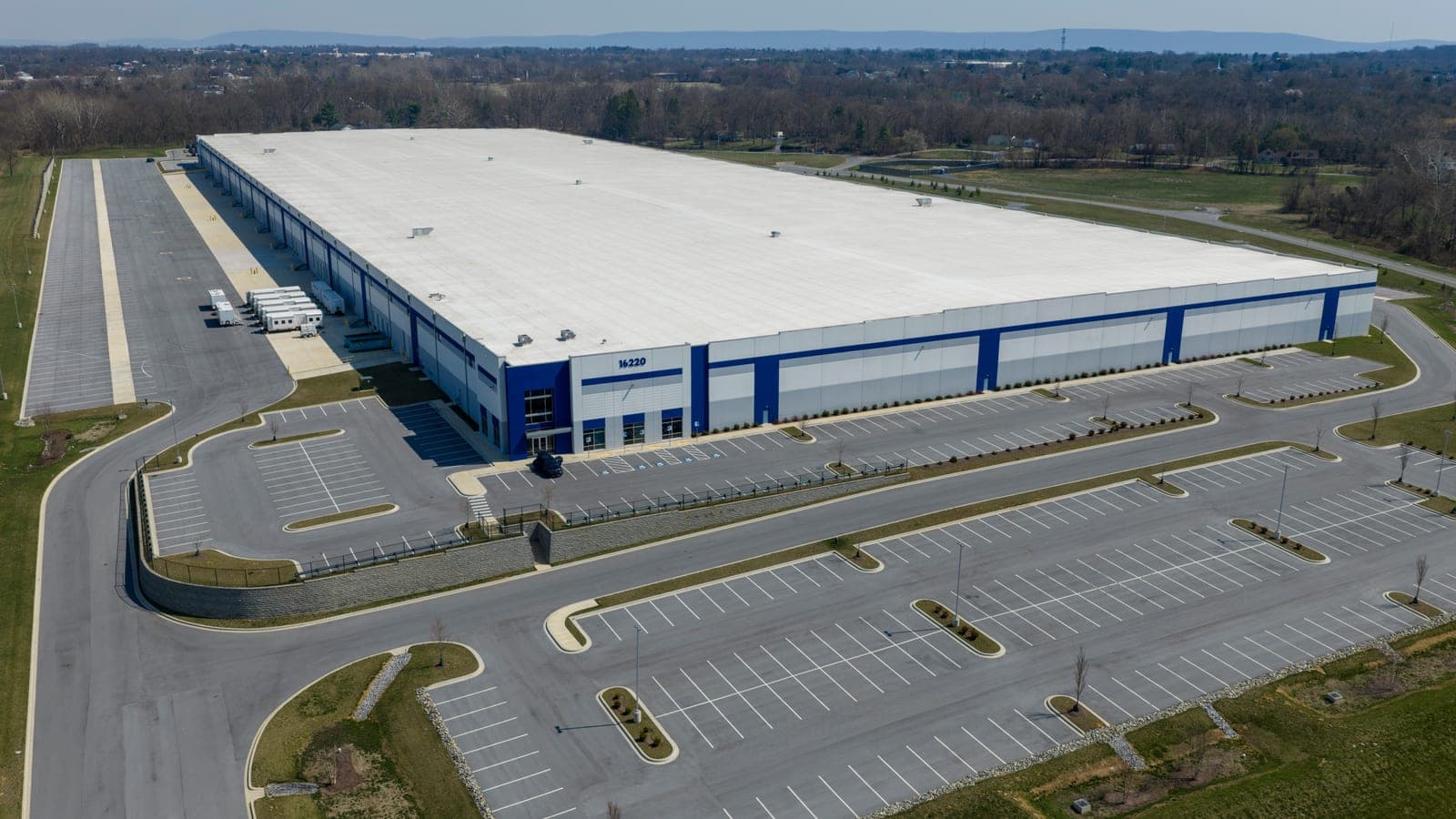
Homeland Security Secretary Markwayne Mullin is reviewing a plan to transform warehouses across the U.S. into detention facilities for tens of thousands of immigrants. So far immigration officials have spent a total of $1.074 billion for 11 warehouses. They’ve mostly faced fierce opposition. And days after Mullin was sworn in, the Department of Homeland Security paused the purchase of new warehouses intended to house immigrants. The department is scrutinizing all contracts signed under his predecessor, Kristi Noem. A look at some of the locations: Arizona Local officials were told nothing before ICE purchased a 418,000-square-foot (38,833-square-meter) warehouse in the Phoenix suburb of Surprise for $70 million, the state’s top prosecutor, Kris Mayes, said in a letter to former Homeland Security Secretary Kristi Noem. Documents later provided by ICE said the Department of Homeland Security plans a processing site with an average daily capacity of 1,000 to 1,500, and a contract worth at least $313.4 million was awarded to transform it. DHS is now planning something more modest, starting out with 250 people per week and capping occupied beds at 542, according to Surprise Mayor Kevin Sartor. Florida A TV reporter in Orlando spotted private contractors and federal officials in January touring a 439,945-square-foot (40,872-square-meter) industrial warehouse. ICE senior adviser David Venturella told a WFTV reporter the tour was “exploratory.” As of April, the city still hadn’t heard anything, a spokesperson said in an email. Georgia ICE bought a massive warehouse in Social Circle for $128.6 million. The city said the federal government informed it that the facility is expected to house from 7,500 to 10,000 detainees. The city is so concerned about the strain on its water supply that it put a lock on the warehouse’s water meter. DHS has suggested trucking in drinking water and trucking out waste, according to a letter from Georgia Democratic Sens. Raphael Warnock and Jon Ossoff, who said the plan was unworkable. DHS also bought a 540,408-square-foot (50,205-square-meter) warehouse in Oakwood for $68.2 million, a deed shows. City Manager B.R. White said his first inkling that a deal was imminent came when a warehouse supervisor told a city inspector he’d been instructed to clear the job site to make way for the new owners — the federal government. Indiana After the town of Merrillville raised concerns about ICE touring a new 275,000-square-foot (25,548-square-meter) warehouse, owner Opus Holding LLC sent a letter stating it isn’t negotiating with federal officials for the property. The letter said Opus was limited in what it could share because of legal issues. Maryland ICE purchased a warehouse about 60 miles (96 kilometers) northwest of Baltimore in Washington County for $102.4 million and signed a contract worth at least $113 million to renovate it. But work is on hold after Maryland’s attorney general sued. The warehouse has divided the community. County commissioners passed a resolution in support of ICE during a contentious meeting. Michigan After DHS paid $34.7 million for a 250,000-square-foot (23,225-square-meter) warehouse in Romulus, the state and city sued. The suit said the warehouse is in a flood plain, and that the sewage system couldn’t keep up if 500 people are detained inside. It also faults DHS for not considering any of the state’s empty prison facilities and for not talking to state or city officials. Minnesota The owners of warehouses in the Minneapolis suburbs of Woodbury and Shakopee pulled out of possible ICE deals after public outcry, according to local officials. Mississippi Republican U.S. Sen. Roger Wicker posted that Noem agreed to look elsewhere after local elected and zoning officials opposed a possible detention center in the town of Byhalia. Missouri After weeks of public pressure, development company Platform Ventures announced it would not move forward with the sale of a massive warehouse in Kansas City. New Hampshire New Hampshire Gov. Kelly Ayotte said in March that DHS would not move forward with a proposed ICE facility in the town of Merrimack. Ayotte, a Republican, had sparred with federal officials after ICE disclosed plans to spend $158 million to convert a warehouse in the town into a 500-bed processing center. The issue came to a head after an ICE official testified that DHS “has worked with Gov. Ayotte” and provided her with an economic impact summary. Ayotte said the summary was not sent until hours after that testimony. The document erroneously refers to the “ripple effects to the Oklahoma economy” and revenue generated by state sales and income taxes, neither of which exist in New Hampshire. New Jersey After DHS bought a 470,044-square-foot (43,669-square-meter) warehouse in Roxbury for $129.3 million, the township and state sued, alleging that federal officials kept them in the dark. “State and local officials might not have a veto over DHS’s decisions, but this utter lack of communication and consultation flies in the face of federal law,” the suit said. New York ICE said it made a mistake when it announced the purchase of a vacant warehouse in Chester. New York state Assemblyman Brian Maher later said ICE was no longer considering the facility. Oklahoma Oklahoma City Mayor David Holt announced in January that property owners had informed him they are no longer engaged with DHS about a potential acquisition or lease of a warehouse. Pennsylvania DHS purchased a warehouse in Tremont Township for $119.5 million and one in Upper Bern Township for $87.4 million. Democratic Gov. Josh Shapiro has said his administration will fight DHS’ plans. The state’s Department of Environmental Protection has barred water and sewage from being supplied to them for now. Tennessee ICE mistakenly announced it had completed the purchase of a warehouse in Lebanon, Tennessee. The sheriff, Robert Bryan, wrote that a facility of the size and scope being discussed — 14,000 to 16,000 detainees — would “significantly impact local law enforcement resources.” And the mayor, Rick Bell, wrote that as a conservative Republican, he supports a secure border but that his town “is not the place.” Republican U.S. Sen. Marsha Blackburn later announced that the deal was dead. Texas In the El Paso suburb of Socorro, ICE paid $122.8 million for a trio of warehouses that span 826,780 square feet (76,810 square meters). ICE also paid $66.1 million for a 639,595-square-foot (59,420-square-meter) warehouse in San Antonio. The mayors of both cities are opposed. Socorro officials — like others — have questioned water supplies. As of April, San Antonio still had heard nothing from DHS. However, another deal in the state was scuttled following community backlash. In the Dallas suburb of Hutchins, a real estate company confirmed that it was contacted about one of its properties but wouldn’t sell or lease any buildings to DHS for use as a detention facility. California-based Majestic Realty Co. provided no explanation in its statement. Utah DHS bought an 833,280-square-foot (77,414-square-meter) warehouse in Salt Lake City for $145.4 million without notifying the city’s Democratic leaders or the state’s Republican governor or congressional delegation. Mayor Erin Mendenhall said in a statement released in March that ICE officials later told her that the facility will house 7,500 to 10,000 people. The city has moved to cap water use at just a fraction of what would be needed to operate the warehouse as a detention site. The sale of the warehouse came two months after the owner of another Salt Lake City warehouse announced plans not to sell or lease to the federal government amid protests. Virginia Following boycott threats, Jim Pattison Developments announced in January that it would not proceed with a planned sale of a warehouse in the suburbs of Richmond, Virginia. It said it was not aware of the intended use until after it agreed to the sale. ___ Associated Press reporters Holly Ramer, Isabella Volmert and Marc Levy contributed to this report.
Communities react to plans to turn warehouses into immigration detention centers
Homeland Security Secretary Markwayne Mullin is reviewing a plan to transform warehouses across the U.S. into detention facilities for tens of thousands of immigrants. So far immigration officials have spent a total of $1.074 billion for 11 warehouses. They’ve mostly faced fierce opposition. And days after Mullin was sworn in, the Department of Homeland Security paused the purchase of new warehouses intended to house immigrants. The department is scrutinizing all contracts signed under his predecessor, Kristi Noem. A look at some of the locations: Arizona Local officials were told nothing before ICE purchased a 418,000-square-foot (38,833-square-meter) warehouse in the Phoenix suburb of Surprise for $70 million, the state’s top prosecutor, Kris Mayes, said in a letter to former Homeland Security Secretary Kristi Noem. Documents later provided by ICE said the Department of Homeland Security plans a processing site with an average daily capacity of 1,000 to 1,500, and a contract worth at least $313.4 million was awarded to transform it. DHS is now planning something more modest, starting out with 250 people per week and capping occupied beds at 542, according to Surprise Mayor Kevin Sartor. Florida A TV reporter in Orlando spotted private contractors and federal officials in January touring a 439,945-square-foot (40,872-square-meter) industrial warehouse. ICE senior adviser David Venturella told a WFTV reporter the tour was “exploratory.” As of April, the city still hadn’t heard anything, a spokesperson said in an email. Georgia ICE bought a massive warehouse in Social Circle for $128.6 million. The city said the federal government informed it that the facility is expected to house from 7,500 to 10,000 detainees. The city is so concerned about the strain on its water supply that it put a lock on the warehouse’s water meter. DHS has suggested trucking in drinking water and trucking out waste, according to a letter from Georgia Democratic Sens. Raphael Warnock and Jon Ossoff, who said the plan was unworkable. DHS also bought a 540,408-square-foot (50,205-square-meter) warehouse in Oakwood for $68.2 million, a deed shows. City Manager B.R. White said his first inkling that a deal was imminent came when a warehouse supervisor told a city inspector he’d been instructed to clear the job site to make way for the new owners — the federal government. Indiana After the town of Merrillville raised concerns about ICE touring a new 275,000-square-foot (25,548-square-meter) warehouse, owner Opus Holding LLC sent a letter stating it isn’t negotiating with federal officials for the property. The letter said Opus was limited in what it could share because of legal issues. Maryland ICE purchased a warehouse about 60 miles (96 kilometers) northwest of Baltimore in Washington County for $102.4 million and signed a contract worth at least $113 million to renovate it. But work is on hold after Maryland’s attorney general sued. The warehouse has divided the community. County commissioners passed a resolution in support of ICE during a contentious meeting. Michigan After DHS paid $34.7 million for a 250,000-square-foot (23,225-square-meter) warehouse in Romulus, the state and city sued. The suit said the warehouse is in a flood plain, and that the sewage system couldn’t keep up if 500 people are detained inside. It also faults DHS for not considering any of the state’s empty prison facilities and for not talking to state or city officials. Minnesota The owners of warehouses in the Minneapolis suburbs of Woodbury and Shakopee pulled out of possible ICE deals after public outcry, according to local officials. Mississippi Republican U.S. Sen. Roger Wicker posted that Noem agreed to look elsewhere after local elected and zoning officials opposed a possible detention center in the town of Byhalia. Missouri After weeks of public pressure, development company Platform Ventures announced it would not move forward with the sale of a massive warehouse in Kansas City. New Hampshire New Hampshire Gov. Kelly Ayotte said in March that DHS would not move forward with a proposed ICE facility in the town of Merrimack. Ayotte, a Republican, had sparred with federal officials after ICE disclosed plans to spend $158 million to convert a warehouse in the town into a 500-bed processing center. The issue came to a head after an ICE official testified that DHS “has worked with Gov. Ayotte” and provided her with an economic impact summary. Ayotte said the summary was not sent until hours after that testimony. The document erroneously refers to the “ripple effects to the Oklahoma economy” and revenue generated by state sales and income taxes, neither of which exist in New Hampshire. New Jersey After DHS bought a 470,044-square-foot (43,669-square-meter) warehouse in Roxbury for $129.3 million, the township and state sued, alleging that federal officials kept them in the dark. “State and local officials might not have a veto over DHS’s decisions, but this utter lack of communication and consultation flies in the face of federal law,” the suit said. New York ICE said it made a mistake when it announced the purchase of a vacant warehouse in Chester. New York state Assemblyman Brian Maher later said ICE was no longer considering the facility. Oklahoma Oklahoma City Mayor David Holt announced in January that property owners had informed him they are no longer engaged with DHS about a potential acquisition or lease of a warehouse. Pennsylvania DHS purchased a warehouse in Tremont Township for $119.5 million and one in Upper Bern Township for $87.4 million. Democratic Gov. Josh Shapiro has said his administration will fight DHS’ plans. The state’s Department of Environmental Protection has barred water and sewage from being supplied to them for now. Tennessee ICE mistakenly announced it had completed the purchase of a warehouse in Lebanon, Tennessee. The sheriff, Robert Bryan, wrote that a facility of the size and scope being discussed — 14,000 to 16,000 detainees — would “significantly impact local law enforcement resources.” And the mayor, Rick Bell, wrote that as a conservative Republican, he supports a secure border but that his town “is not the place.” Republican U.S. Sen. Marsha Blackburn later announced that the deal was dead. Texas In the El Paso suburb of Socorro, ICE paid $122.8 million for a trio of warehouses that span 826,780 square feet (76,810 square meters). ICE also paid $66.1 million for a 639,595-square-foot (59,420-square-meter) warehouse in San Antonio. The mayors of both cities are opposed. Socorro officials — like others — have questioned water supplies. As of April, San Antonio still had heard nothing from DHS. However, another deal in the state was scuttled following community backlash. In the Dallas suburb of Hutchins, a real estate company confirmed that it was contacted about one of its properties but wouldn’t sell or lease any buildings to DHS for use as a detention facility. California-based Majestic Realty Co. provided no explanation in its statement. Utah DHS bought an 833,280-square-foot (77,414-square-meter) warehouse in Salt Lake City for $145.4 million without notifying the city’s Democratic leaders or the state’s Republican governor or congressional delegation. Mayor Erin Mendenhall said in a statement released in March that ICE officials later told her that the facility will house 7,500 to 10,000 people. The city has moved to cap water use at just a fraction of what would be needed to operate the warehouse as a detention site. The sale of the warehouse came two months after the owner of another Salt Lake City warehouse announced plans not to sell or lease to the federal government amid protests. Virginia Following boycott threats, Jim Pattison Developments announced in January that it would not proceed with a planned sale of a warehouse in the suburbs of Richmond, Virginia. It said it was not aware of the intended use until after it agreed to the sale. ___ Associated Press reporters Holly Ramer, Isabella Volmert and Marc Levy contributed to this report.