2 stories credited to MyJoyOnline
Latest story Apr 13, 2026 · on ChamberLight since Apr 2026
A story can appear as several articles (copies of the same piece), so counts of stories and of articles differ.
Scores for MyJoyOnline
Writing quality not enough rated stories yet: 2 of 10. How it is measured
Scores last checked Sep 25, 2026.
Stories ChamberLight collected, by month
Stories credited to MyJoyOnline, by publication date. ChamberLight collects articles that mention the officials it tracks, so this shows its own coverage of this source, not how much the source publishes.
- Stories from MyJoyOnline
- Shaded: ChamberLight collected no stories, or almost none, from any outlet (a gap in its collection, not in the outlet’s publishing)
Show as a table
| Month | Stories | All outlets |
|---|---|---|
| April 2026 | 2 | 3,361 |
| May 2026 | 0 | none collected |
| June 2026 | 0 | none collected |
| July 2026 | 0 | none collected |
| August 2026 | 0 | 1 (collection gap) |
| September 2026 | 0 | 1,320 |
Top topics
Share of this source’s stories tagged with each topic. A story can carry several topics, so the shares do not add up to 100%.
- Defense/Military2
100% of 2 stories · 25% across all outlets
- Economy2
100% of 2 stories · 26% across all outlets
- Foreign Policy2
100% of 2 stories · 29% across all outlets
The thin mark on each bar is the topic’s share across all outlets.
Who they cover
Party of the officials these stories are mainly about, across all 2 officials named. A story counts once for each official it is mainly about, so the split is over 4 story–official pairs, from 2 stories.
- Republican100% · 4 pairs
Most covered
Stories mainly about each official, and their share of the source’s 2 stories.
Article tone
ChamberLight’s article analysis assigns each story a tone toward the official it covers. It describes the coverage of that official, not MyJoyOnline’s stance, and reader votes do not change it. 2 stories.
- Good Look
- 0 (0%)
- Mixed
- 2 (100%)
- Informational
- 0 (0%)
- Bad Look
- 0 (0%)
Challenges to these scores
No one has challenged a score on this page yet. Anyone can; editors publish every outcome here.
Articles served from myjoyonline.com
4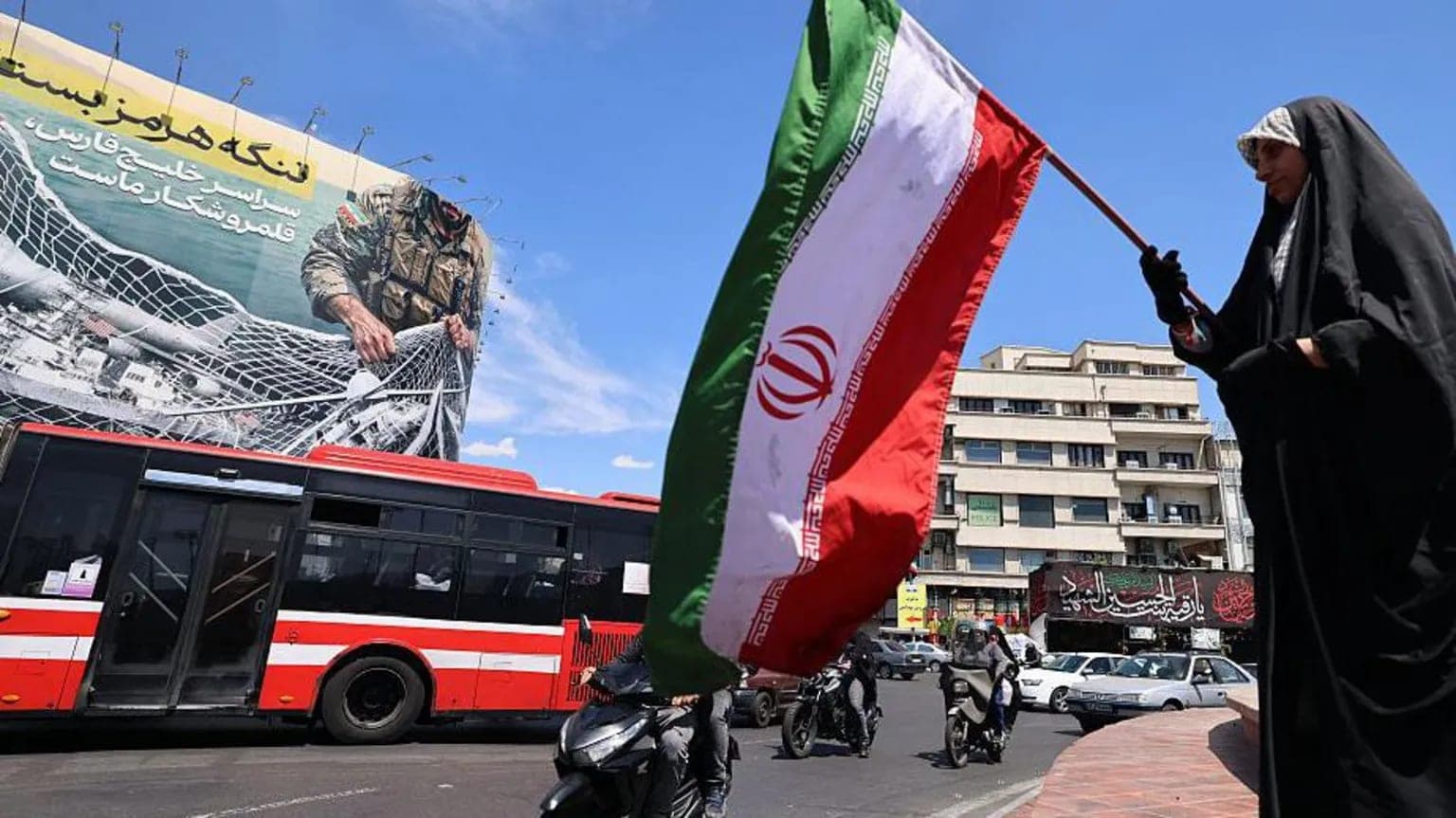
Trump’s blockade threat raises risks and leaves predicaments unchanged
After a diplomatic team led by Vice-President JD Vance tried, and failed, to reach a negotiated agreement to end the US war with Iran on Saturday, President Donald Trump had to decide his next move. That came on Sunday morning, in a series of Truth Social posts. The US will impose a naval blockade of Iran, he wrote. “No one who pays an illegal toll will have safe passage on the high seas,” he wrote. He also said that the US would continue clearing mines in the Strait of Hormuz to ensure safe passage for allied shipping. The US military, he added, was “locked and loaded” and prepared to resume attacks against Iran at an “appropriate moment”. He went on to say that while progress had been made in the 20-hour negotiations in Islamabad, Iran would not meet the US demand that it abandon its nuclear ambitions. That view was contradicted somewhat by a US official familiar with Vance’s negotiations, who spelled out a much longer list of disagreements – including on Iran’s control of Hormuz and its support for regional proxies, like Houthi rebels in Yemen and Hezbollah in Lebanon. While Trump’s latest posts didn’t have the apocalyptic bluster of last week’s threat to end Iranian civilisation, they pose a number of new challenges – and risks – for the American side. Will mine-clearing activities place American naval vessels at greater risk of Iranian attacks? How would the US determine who paid Iran a toll? Will the US use force on foreign-flagged ships that ignore the blockade? How will nations that depend on Iranian oil, like China, respond? Will the move, intended to choke off Iran’s primary income stream, drive up the price of oil to even higher levels? There are no clear answers. Later on Sunday, the US military Central Command announced that the naval blockade would stop all ships traveling to or from Iranian ports – a different set of conditions than in Trump’s earlier proposed action. “I don’t understand how blockading the strait is going to somehow push the Iranians into opening it,” Senator Mark Warner of Virginia, the ranking Democrat on the Senate Intelligence Committee, told CNN on Sunday. On CBS’ Face the Nation programme, Republican congressman Mike Turner of Ohio, who until last year chaired the House Intelligence Committee, said the blockade is a means to force a resolution to the situation in Hormuz. “The president, by saying we’re not just going to let them decide who gets through, is certainly calling all of our allies and everyone to the table,” he said. “This needs to be addressed.” Last week, before Iran and the US agreed to a two-week ceasefire and face-to-face negotiations, Trump had found himself in a difficult situation. He could continue to ratchet up the US attacks on Iran, possibly doing long-term damage to the nation’s civilian infrastructure, adding to a humanitarian crisis and further destablising the global economy. Or, he could back away from a war that has always been unpopular among the American public and is beginning to frustrate even some of Trump’s supporters, who believed his promises to avoid extended foreign conflicts and Middle East entanglements. A new CBS poll suggests that most Americans (59%) feel the war is going somewhat or very badly for the US. Many believe the key US objectives – such as keeping open the Strait of Hormuz, securing greater freedom for the Iranian people, and permanently ending Iran’s nuclear programme – remain unmet. Overwhelming bipartisan majorities feel it’s important for the US to achieve these goals. Nearly a week has passed, and despite American claims of victory, the president’s predicaments have not changed. Talking to Fox News on Sunday morning, Trump said that Iran would ultimately give the US “everything” it wants. He added that while oil prices might be the same or higher in the months ahead, he believed the US economy would hold up. That, to say the least, is a gamble. And with November’s midterm elections looming, the president’s Republican Party could pay dearly at the polls if he is wrong. On Saturday night, as his vice-president was negotiating with the Iranians in Pakistan, Trump travelled to Miami, where he watched prize fighters batter each other in UFC cage matches. It was, according to members of the press pool in attendance, a bizarre spectacle. The president of the United States observed violent contests in a blood-spattered ring, chatted with celebrities and, at times, engaged in intense discussions with his Secretary of State, Marco Rubio, and other advisers, in full view of the thousands of attendees. Ultimate fighting cage matches, despite their ferocity, have set rules and time limits, and end with a clear winner and a loser. It’s the kind of clarity that the Iran war may never provide, as it stretches into its second month and the current two-week ceasefire appears on the verge of collapse. The conflict has become a test of wills – of Iran’s ability to endure continued US and Israel attacks versus Trump’s tolerance for the economic and political pain the war has produced. In the end, all the participants in this fight might be diminished.
Trump’s blockade threat raises risks and leaves predicaments unchanged
After a diplomatic team led by Vice-President JD Vance tried, and failed, to reach a negotiated agreement to end the US war with Iran on Saturday, President Donald Trump had to decide his next move. That came on Sunday morning, in a series of Truth Social posts. The US will impose a naval blockade of Iran, he wrote. “No one who pays an illegal toll will have safe passage on the high seas,” he wrote. He also said that the US would continue clearing mines in the Strait of Hormuz to ensure safe passage for allied shipping. The US military, he added, was “locked and loaded” and prepared to resume attacks against Iran at an “appropriate moment”. He went on to say that while progress had been made in the 20-hour negotiations in Islamabad, Iran would not meet the US demand that it abandon its nuclear ambitions. That view was contradicted somewhat by a US official familiar with Vance’s negotiations, who spelled out a much longer list of disagreements – including on Iran’s control of Hormuz and its support for regional proxies, like Houthi rebels in Yemen and Hezbollah in Lebanon. While Trump’s latest posts didn’t have the apocalyptic bluster of last week’s threat to end Iranian civilisation, they pose a number of new challenges – and risks – for the American side. Will mine-clearing activities place American naval vessels at greater risk of Iranian attacks? How would the US determine who paid Iran a toll? Will the US use force on foreign-flagged ships that ignore the blockade? How will nations that depend on Iranian oil, like China, respond? Will the move, intended to choke off Iran’s primary income stream, drive up the price of oil to even higher levels? There are no clear answers. Later on Sunday, the US military Central Command announced that the naval blockade would stop all ships traveling to or from Iranian ports – a different set of conditions than in Trump’s earlier proposed action. “I don’t understand how blockading the strait is going to somehow push the Iranians into opening it,” Senator Mark Warner of Virginia, the ranking Democrat on the Senate Intelligence Committee, told CNN on Sunday. On CBS’ Face the Nation programme, Republican congressman Mike Turner of Ohio, who until last year chaired the House Intelligence Committee, said the blockade is a means to force a resolution to the situation in Hormuz. “The president, by saying we’re not just going to let them decide who gets through, is certainly calling all of our allies and everyone to the table,” he said. “This needs to be addressed.” Last week, before Iran and the US agreed to a two-week ceasefire and face-to-face negotiations, Trump had found himself in a difficult situation. He could continue to ratchet up the US attacks on Iran, possibly doing long-term damage to the nation’s civilian infrastructure, adding to a humanitarian crisis and further destablising the global economy. Or, he could back away from a war that has always been unpopular among the American public and is beginning to frustrate even some of Trump’s supporters, who believed his promises to avoid extended foreign conflicts and Middle East entanglements. A new CBS poll suggests that most Americans (59%) feel the war is going somewhat or very badly for the US. Many believe the key US objectives – such as keeping open the Strait of Hormuz, securing greater freedom for the Iranian people, and permanently ending Iran’s nuclear programme – remain unmet. Overwhelming bipartisan majorities feel it’s important for the US to achieve these goals. Nearly a week has passed, and despite American claims of victory, the president’s predicaments have not changed. Talking to Fox News on Sunday morning, Trump said that Iran would ultimately give the US “everything” it wants. He added that while oil prices might be the same or higher in the months ahead, he believed the US economy would hold up. That, to say the least, is a gamble. And with November’s midterm elections looming, the president’s Republican Party could pay dearly at the polls if he is wrong. On Saturday night, as his vice-president was negotiating with the Iranians in Pakistan, Trump travelled to Miami, where he watched prize fighters batter each other in UFC cage matches. It was, according to members of the press pool in attendance, a bizarre spectacle. The president of the United States observed violent contests in a blood-spattered ring, chatted with celebrities and, at times, engaged in intense discussions with his Secretary of State, Marco Rubio, and other advisers, in full view of the thousands of attendees. Ultimate fighting cage matches, despite their ferocity, have set rules and time limits, and end with a clear winner and a loser. It’s the kind of clarity that the Iran war may never provide, as it stretches into its second month and the current two-week ceasefire appears on the verge of collapse. The conflict has become a test of wills – of Iran’s ability to endure continued US and Israel attacks versus Trump’s tolerance for the economic and political pain the war has produced. In the end, all the participants in this fight might be diminished.
Trump’s Strait of Hormuz blockade threat raises risks and leaves predicaments unchanged
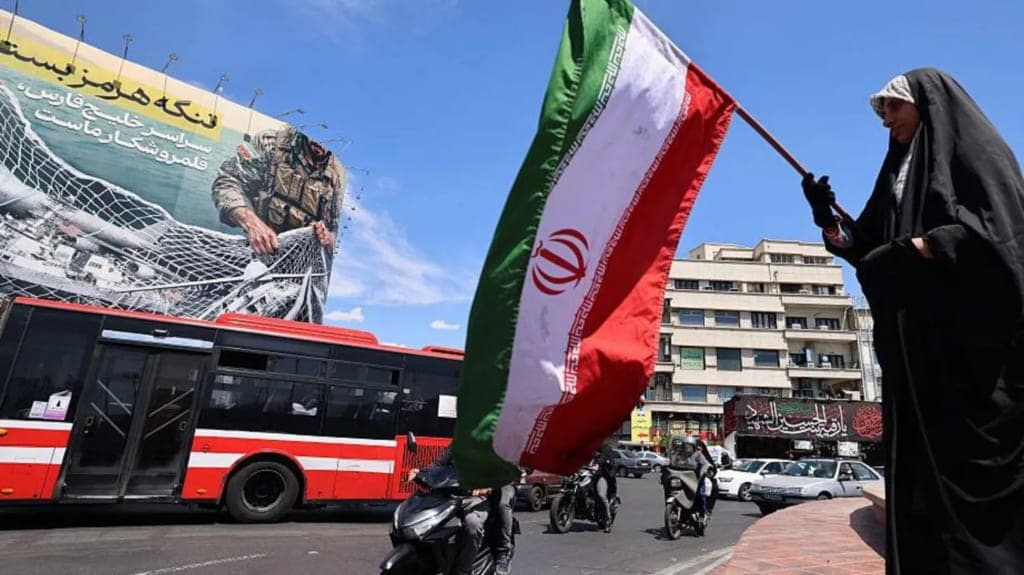
After a diplomatic team led by Vice-President JD Vance tried, and failed, to reach a negotiated agreement to end the US war with Iran on Saturday, President Donald Trump had to decide his next move. That came on Sunday morning, in a series of Truth Social posts. The US will impose a naval blockade of Iran, he wrote. “No one who pays an illegal toll will have safe passage on the high seas,” he wrote. He also said that the US would continue clearing mines from the Strait of Hormuz in order to ensure a safe passage for allied shipping. The US military, he added, was “locked and loaded” and prepared to resume attacks against Iran at an “appropriate moment”. He went on to say that while progress had been made in the 20-hour negotiations in Islamabad, Iran would not meet the US demand that it abandon its nuclear ambitions. That view was contradicted somewhat by a US official familiar with Vance’s negotiations, who spelled out a much longer list of disagreements – including on Iran’s control of Hormuz and its support for regional proxies, like Houthi rebels in Yemen and Hezbollah in Lebanon. While Trump’s latest posts didn’t have the apocalyptic bluster of last week’s threat to end Iranian civilisation, they pose a number of new challenges – and risks – for the American side. Will mine-clearing activities place American naval vessels at greater risk of Iranian attacks? How would the US determine who paid Iran a toll? Will the US use force on foreign-flagged ships that ignore the blockade? How will nations that depend on Iranian oil, like China, respond? Will the move, intended to choke off Iran’s primary income stream, drive up the price of oil to even higher levels? There are no clear answers. “I don’t understand how blockading the strait is going to somehow push the Iranians into opening it,” Senator Mark Warner of Virginia, the ranking Democrat on the Senate Intelligence Committee, told CNN on Sunday. On CBS’ Face the Nation programme, Republican congressman Mike Turner of Ohio, who until last year chaired the House Intelligence Committee, said the blockade is a means to force a resolution to the situation in Hormuz. “The president, by saying we’re not just going to let them decide who gets through, is certainly calling all of our allies and everyone to the table,” he said. “This needs to be addressed.” Last week, before Iran and the US agreed to a two-week ceasefire and face-to-face negotiations, Trump had found himself in a difficult situation. He could continue to ratchet up the US attacks on Iran, possibly doing long-term damage to the nation’s civilian infrastructure, adding to a humanitarian crisis and further destablising the global economy. Or, he could back away from a war that has always been unpopular among the American public and is beginning to frustrate even some of Trump’s supporters, who believed his promises to avoid extended foreign conflicts and Middle East entanglements. A new CBS poll suggests that most Americans (59%) feel the war is going somewhat or very badly for the US. Many believe the key US objectives – such as keeping open the Strait of Hormuz, securing greater freedom for the Iranian people, and permanently ending Iran’s nuclear programme – remain unmet. Overwhelming bipartisan majorities feel it’s important for the US to achieve these goals. Nearly a week has passed and, despite American claims of victory, the predicaments facing the president have not changed. Talking to Fox News on Sunday morning, Trump said that Iran would ultimately give the US “everything” it wants. He added that while oil prices might be the same or higher in the months ahead, he believed the US economy would hold up. That, to say the least, is a gamble. And with November’s midterm elections looming, the president’s Republican Party could pay dearly at the polls if he is wrong. On Saturday night, as his vice-president was negotiating with the Iranians in Pakistan, Trump travelled to Miami, where he watched prize fighters batter each other in UFC cage matches. It was, according to members of the press pool in attendance, a bizarre spectacle. The president of the United States observed violent contests in a blood-spattered ring, chatted with celebrities and, at times, engaged in intense discussions with his Secretary of State, Marco Rubio, and other advisers, in full view of the thousands of attendees. Ultimate fighting cage matches, despite their ferocity, have set rules and time limits, and end with a clear winner and a loser. It’s the kind of clarity that the Iran war may never provide, as it stretches into its second month and the current two-week ceasefire appears on the verge of collapse. The conflict has become a test of wills – of Iran’s ability to endure continued US and Israel attacks versus Trump’s tolerance for the economic and political pain the war has produced. In the end, all the participants in this fight might be diminished.It was, according to members of the press pool in attendance, a bizarre spectacle. The president of the United States observed violent contests in a blood-spattered ring, chatted with celebrities and, at times, engaged in intense discussions with his Secretary of State, Marco Rubio, and other advisers, in full view of the thousands of attendees. Ultimate fighting cage matches, despite their ferocity, have set rules and time limits, and end with a clear winner and a loser. It’s the kind of clarity that the Iran war may never provide, as it stretches into its second month and the current two-week ceasefire appears on the verge of collapse. The conflict has become a test of wills – of Iran’s ability to endure continued US and Israel attacks versus Trump’s tolerance for the economic and political pain the war has produced. In the end, all the participants in this fight might be diminished.It was, according to members of the press pool in attendance, a bizarre spectacle. The president of the United States observed violent contests in a blood-spattered ring, chatted with celebrities and, at times, engaged in intense discussions with his Secretary of State, Marco Rubio, and other advisers, in full view of the thousands of attendees. Ultimate fighting cage matches, despite their ferocity, have set rules and time limits, and end with a clear winner and a loser. It’s the kind of clarity that the Iran war may never provide, as it stretches into its second month and the current two-week ceasefire appears on the verge of collapse. The conflict has become a test of wills – of Iran’s ability to endure continued US and Israel attacks versus Trump’s tolerance for the economic and political pain the war has produced. In the end, all the participants in this fight might be diminished.It was, according to members of the press pool in attendance, a bizarre spectacle. The president of the United States observed violent contests in a blood-spattered ring, chatted with celebrities and, at times, engaged in intense discussions with his Secretary of State, Marco Rubio, and other advisers, in full view of the thousands of attendees. Ultimate fighting cage matches, despite their ferocity, have set rules and time limits, and end with a clear winner and a loser. It’s the kind of clarity that the Iran war may never provide, as it stretches into its second month and the current two-week ceasefire appears on the verge of collapse. The conflict has become a test of wills – of Iran’s ability to endure continued US and Israel attacks versus Trump’s tolerance for the economic and political pain the war has produced. In the end, all the participants in this fight might be diminished.It was, according to members of the press pool in attendance, a bizarre spectacle. The president of the United States observed violent contests in a blood-spattered ring, chatted with celebrities and, at times, engaged in intense discussions with his Secretary of State, Marco Rubio, and other advisers, in full view of the thousands of attendees. Ultimate fighting cage matches, despite their ferocity, have set rules and time limits, and end with a clear winner and a loser. It’s the kind of clarity that the Iran war may never provide, as it stretches into its second month and the current two-week ceasefire appears on the verge of collapse. The conflict has become a test of wills – of Iran’s ability to endure continued US and Israel attacks versus Trump’s tolerance for the economic and political pain the war has produced. In the end, all the participants in this fight might be diminished.It was, according to members of the press pool in attendance, a bizarre spectacle. The president of the United States observed violent contests in a blood-spattered ring, chatted with celebrities and, at times, engaged in intense discussions with his Secretary of State, Marco Rubio, and other advisers, in full view of the thousands of attendees. Ultimate fighting cage matches, despite their ferocity, have set rules and time limits, and end with a clear winner and a loser. It’s the kind of clarity that the Iran war may never provide, as it stretches into its second month and the current two-week ceasefire appears on the verge of collapse. The conflict has become a test of wills – of Iran’s ability to endure continued US and Israel attacks versus Trump’s tolerance for the economic and political pain the war has produced. In the end, all the participants in this fight might be diminished.It was, according to members of the press pool in attendance, a bizarre spectacle. The president of the United States observed violent contests in a blood-spattered ring, chatted with celebrities and, at times, engaged in intense discussions with his Secretary of State, Marco Rubio, and other advisers, in full view of the thousands of attendees. Ultimate fighting cage matches, despite their ferocity, have set rules and time limits, and end with a clear winner and a loser. It’s the kind of clarity that the Iran war may never provide, as it stretches into its second month and the current two-week ceasefire appears on the verge of collapse. The conflict has become a test of wills – of Iran’s ability to endure continued US and Israel attacks versus Trump’s tolerance for the economic and political pain the war has produced. In the end, all the participants in this fight might be diminished.It was, according to members of the press pool in attendance, a bizarre spectacle. The president of the United States observed violent contests in a blood-spattered ring, chatted with celebrities and, at times, engaged in intense discussions with his Secretary of State, Marco Rubio, and other advisers, in full view of the thousands of attendees. Ultimate fighting cage matches, despite their ferocity, have set rules and time limits, and end with a clear winner and a loser. It’s the kind of clarity that the Iran war may never provide, as it stretches into its second month and the current two-week ceasefire appears on the verge of collapse. The conflict has become a test of wills – of Iran’s ability to endure continued US and Israel attacks versus Trump’s tolerance for the economic and political pain the war has produced. In the end, all the participants in this fight might be diminished.
Trump’s Strait of Hormuz blockade threat raises risks and leaves predicaments unchanged
After a diplomatic team led by Vice-President JD Vance tried, and failed, to reach a negotiated agreement to end the US war with Iran on Saturday, President Donald Trump had to decide his next move. That came on Sunday morning, in a series of Truth Social posts. The US will impose a naval blockade of Iran, he wrote. “No one who pays an illegal toll will have safe passage on the high seas,” he wrote. He also said that the US would continue clearing mines from the Strait of Hormuz in order to ensure a safe passage for allied shipping. The US military, he added, was “locked and loaded” and prepared to resume attacks against Iran at an “appropriate moment”. He went on to say that while progress had been made in the 20-hour negotiations in Islamabad, Iran would not meet the US demand that it abandon its nuclear ambitions. That view was contradicted somewhat by a US official familiar with Vance’s negotiations, who spelled out a much longer list of disagreements – including on Iran’s control of Hormuz and its support for regional proxies, like Houthi rebels in Yemen and Hezbollah in Lebanon. While Trump’s latest posts didn’t have the apocalyptic bluster of last week’s threat to end Iranian civilisation, they pose a number of new challenges – and risks – for the American side. Will mine-clearing activities place American naval vessels at greater risk of Iranian attacks? How would the US determine who paid Iran a toll? Will the US use force on foreign-flagged ships that ignore the blockade? How will nations that depend on Iranian oil, like China, respond? Will the move, intended to choke off Iran’s primary income stream, drive up the price of oil to even higher levels? There are no clear answers. “I don’t understand how blockading the strait is going to somehow push the Iranians into opening it,” Senator Mark Warner of Virginia, the ranking Democrat on the Senate Intelligence Committee, told CNN on Sunday. On CBS’ Face the Nation programme, Republican congressman Mike Turner of Ohio, who until last year chaired the House Intelligence Committee, said the blockade is a means to force a resolution to the situation in Hormuz. “The president, by saying we’re not just going to let them decide who gets through, is certainly calling all of our allies and everyone to the table,” he said. “This needs to be addressed.” Last week, before Iran and the US agreed to a two-week ceasefire and face-to-face negotiations, Trump had found himself in a difficult situation. He could continue to ratchet up the US attacks on Iran, possibly doing long-term damage to the nation’s civilian infrastructure, adding to a humanitarian crisis and further destablising the global economy. Or, he could back away from a war that has always been unpopular among the American public and is beginning to frustrate even some of Trump’s supporters, who believed his promises to avoid extended foreign conflicts and Middle East entanglements. A new CBS poll suggests that most Americans (59%) feel the war is going somewhat or very badly for the US. Many believe the key US objectives – such as keeping open the Strait of Hormuz, securing greater freedom for the Iranian people, and permanently ending Iran’s nuclear programme – remain unmet. Overwhelming bipartisan majorities feel it’s important for the US to achieve these goals. Nearly a week has passed and, despite American claims of victory, the predicaments facing the president have not changed. Talking to Fox News on Sunday morning, Trump said that Iran would ultimately give the US “everything” it wants. He added that while oil prices might be the same or higher in the months ahead, he believed the US economy would hold up. That, to say the least, is a gamble. And with November’s midterm elections looming, the president’s Republican Party could pay dearly at the polls if he is wrong. On Saturday night, as his vice-president was negotiating with the Iranians in Pakistan, Trump travelled to Miami, where he watched prize fighters batter each other in UFC cage matches. It was, according to members of the press pool in attendance, a bizarre spectacle. The president of the United States observed violent contests in a blood-spattered ring, chatted with celebrities and, at times, engaged in intense discussions with his Secretary of State, Marco Rubio, and other advisers, in full view of the thousands of attendees. Ultimate fighting cage matches, despite their ferocity, have set rules and time limits, and end with a clear winner and a loser. It’s the kind of clarity that the Iran war may never provide, as it stretches into its second month and the current two-week ceasefire appears on the verge of collapse. The conflict has become a test of wills – of Iran’s ability to endure continued US and Israel attacks versus Trump’s tolerance for the economic and political pain the war has produced. In the end, all the participants in this fight might be diminished.It was, according to members of the press pool in attendance, a bizarre spectacle. The president of the United States observed violent contests in a blood-spattered ring, chatted with celebrities and, at times, engaged in intense discussions with his Secretary of State, Marco Rubio, and other advisers, in full view of the thousands of attendees. Ultimate fighting cage matches, despite their ferocity, have set rules and time limits, and end with a clear winner and a loser. It’s the kind of clarity that the Iran war may never provide, as it stretches into its second month and the current two-week ceasefire appears on the verge of collapse. The conflict has become a test of wills – of Iran’s ability to endure continued US and Israel attacks versus Trump’s tolerance for the economic and political pain the war has produced. In the end, all the participants in this fight might be diminished.It was, according to members of the press pool in attendance, a bizarre spectacle. The president of the United States observed violent contests in a blood-spattered ring, chatted with celebrities and, at times, engaged in intense discussions with his Secretary of State, Marco Rubio, and other advisers, in full view of the thousands of attendees. Ultimate fighting cage matches, despite their ferocity, have set rules and time limits, and end with a clear winner and a loser. It’s the kind of clarity that the Iran war may never provide, as it stretches into its second month and the current two-week ceasefire appears on the verge of collapse. The conflict has become a test of wills – of Iran’s ability to endure continued US and Israel attacks versus Trump’s tolerance for the economic and political pain the war has produced. In the end, all the participants in this fight might be diminished.It was, according to members of the press pool in attendance, a bizarre spectacle. The president of the United States observed violent contests in a blood-spattered ring, chatted with celebrities and, at times, engaged in intense discussions with his Secretary of State, Marco Rubio, and other advisers, in full view of the thousands of attendees. Ultimate fighting cage matches, despite their ferocity, have set rules and time limits, and end with a clear winner and a loser. It’s the kind of clarity that the Iran war may never provide, as it stretches into its second month and the current two-week ceasefire appears on the verge of collapse. The conflict has become a test of wills – of Iran’s ability to endure continued US and Israel attacks versus Trump’s tolerance for the economic and political pain the war has produced. In the end, all the participants in this fight might be diminished.It was, according to members of the press pool in attendance, a bizarre spectacle. The president of the United States observed violent contests in a blood-spattered ring, chatted with celebrities and, at times, engaged in intense discussions with his Secretary of State, Marco Rubio, and other advisers, in full view of the thousands of attendees. Ultimate fighting cage matches, despite their ferocity, have set rules and time limits, and end with a clear winner and a loser. It’s the kind of clarity that the Iran war may never provide, as it stretches into its second month and the current two-week ceasefire appears on the verge of collapse. The conflict has become a test of wills – of Iran’s ability to endure continued US and Israel attacks versus Trump’s tolerance for the economic and political pain the war has produced. In the end, all the participants in this fight might be diminished.It was, according to members of the press pool in attendance, a bizarre spectacle. The president of the United States observed violent contests in a blood-spattered ring, chatted with celebrities and, at times, engaged in intense discussions with his Secretary of State, Marco Rubio, and other advisers, in full view of the thousands of attendees. Ultimate fighting cage matches, despite their ferocity, have set rules and time limits, and end with a clear winner and a loser. It’s the kind of clarity that the Iran war may never provide, as it stretches into its second month and the current two-week ceasefire appears on the verge of collapse. The conflict has become a test of wills – of Iran’s ability to endure continued US and Israel attacks versus Trump’s tolerance for the economic and political pain the war has produced. In the end, all the participants in this fight might be diminished.It was, according to members of the press pool in attendance, a bizarre spectacle. The president of the United States observed violent contests in a blood-spattered ring, chatted with celebrities and, at times, engaged in intense discussions with his Secretary of State, Marco Rubio, and other advisers, in full view of the thousands of attendees. Ultimate fighting cage matches, despite their ferocity, have set rules and time limits, and end with a clear winner and a loser. It’s the kind of clarity that the Iran war may never provide, as it stretches into its second month and the current two-week ceasefire appears on the verge of collapse. The conflict has become a test of wills – of Iran’s ability to endure continued US and Israel attacks versus Trump’s tolerance for the economic and political pain the war has produced. In the end, all the participants in this fight might be diminished.It was, according to members of the press pool in attendance, a bizarre spectacle. The president of the United States observed violent contests in a blood-spattered ring, chatted with celebrities and, at times, engaged in intense discussions with his Secretary of State, Marco Rubio, and other advisers, in full view of the thousands of attendees. Ultimate fighting cage matches, despite their ferocity, have set rules and time limits, and end with a clear winner and a loser. It’s the kind of clarity that the Iran war may never provide, as it stretches into its second month and the current two-week ceasefire appears on the verge of collapse. The conflict has become a test of wills – of Iran’s ability to endure continued US and Israel attacks versus Trump’s tolerance for the economic and political pain the war has produced. In the end, all the participants in this fight might be diminished.