Hosts 3 stories, credited to their original publishers
Latest story Apr 14, 2026 · on ChamberLight since Apr 2026
A story can appear as several articles (copies of the same piece), so counts of stories and of articles differ.
Scores for ICT
Scores last checked Sep 25, 2026.
Articles this site reproduces
How provenance is decidedOriginal publishers of articles on ictnews.org
Counted from articles on ictnews.org whose original publisher is verified from the page itself or confirmed by an independent signal.
Stories ChamberLight collected, by month
Stories credited to ICT, by publication date. ChamberLight collects articles that mention the officials it tracks, so this shows its own coverage of this source, not how much the source publishes.
No stories on ChamberLight are credited to ICT itself. It hosts 3 stories, credited to their original publishers, so the charts below are empty; the articles are listed at the bottom of the page.
Top topics
Who they cover
Challenges to these scores
No one has challenged a score on this page yet. Anyone can; editors publish every outcome here.
Articles served from ictnews.org
4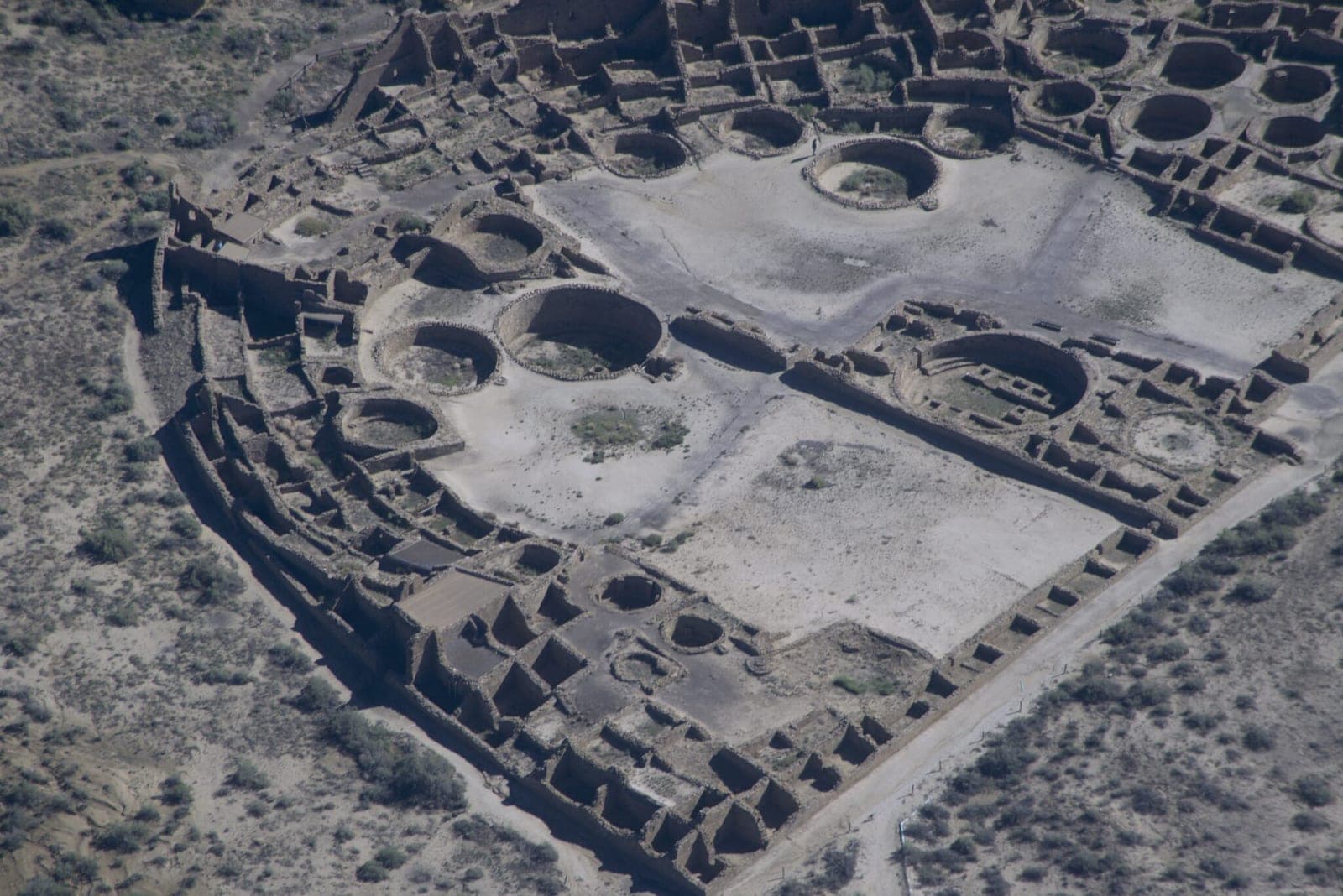
New Mexico officials, tribal leaders vow to oppose slate of federal actions on public lands
This story was originally published by Source New Mexico. Danielle Prokop Source New Mexico In a virtual call with news media on April 9, New Mexico officials, tribal leaders and advocates said they will mount resistance against a cascade of Trump administration proposals to mine and extract oil and gas on federal public lands within the state. In the last several weeks alone, federal officials began moves to end a ban on oil and gas drilling around Chaco Culture National Historical Park, and announced a reversal on a mining ban in the Upper Pecos headwaters. Leger Fernández, along with U.S. Sens. Martin Heinrich and Ben Ray Luján, also wrote a letter on April 9 to Carson National Forest officials opposing a Canadian company’s proposal to mine for uranium near Canjilon, and requesting any federal review be postponed pending legislation to protect the Chama watershed from mineral extraction. The push for drilling and mining in New Mexico follows President Donald Trump’s exhortation in his second term to expand domestic mineral production. “It’s an attack on our heritage, it’s an attack on the relationship that New Mexicans have with this land,” U.S. Rep. Teresa Leger Fernández (D-NM), who represents New Mexico’s 3rd Congressional District, said about the recent federal actions. During the call, Leger Fernández committed to “keep fighting and use every tool we have” and urged additional public participation. “Sometimes we win, sometimes we don’t, but we need to keep fighting,” Leger Fernández said. To that end, Acoma Gov. Charles Riley said that the pueblo submitted more than 400 public comments in opposition to ending an oil-and-gas drilling ban near Chaco Canyon, and young people went door-to-door to help older and more rural residents submit comments online. “That level of engagement reflects something very important,” Riley said. ”Chaco is not an abstract policy issue for us. It is a living cultural landscape that is central to who we are as pueblo people.” However, Riley noted, “it should not take extraordinary measures by a tribal community to make a federal process accessible.” Numerous Indigenous and conservation groups decried the seven-day comment period, which transpired over a period that included both Easter and several Tribal feast days. “If the Department of Interior is going to make a decision of this magnitude, it must be based on a process that is fair, transparent, and genuinely inclusive of tribal voices,” Riley said. In a statement provided to Source, a Department of Interior spokesperson said the Bureau of Land Management is preparing an environmental assessment on the proposed revocation of the drilling ban around Chaco that will include “two distinct opportunities for public input.” The seven-day “scoping” period, the statement says, “allows the public to help identify the issues, data needs, and alternatives that should be considered as the assessment is developed.” An additional 14-day comment period “will provide the public the chance to review and comment on the draft assessment itself once it is released.” Mark Allison, director of the advocacy group New Mexico Wild, said the recent actions in New Mexico reflect a “broader systemic attack of the administration on public lands,” noting the failed efforts by congressional Republicans to sell or privatize millions of acres last year. Last year’s mass layoffs and budget cuts at agencies that manage public lands, Allison said, represent a direct “attempt to really despoil and radically undermine the very idea of public lands, a uniquely American birthright.” Allison said communities here will continue to organize against the changes proposed by the federal government. “New Mexicans overwhelmingly support public lands and conservation,” he said. “They’re really part of our history, our cultures, our traditional uses — and really — our very identity as New Mexicans.” The post New Mexico officials, tribal leaders vow to oppose slate of federal actions on public lands appeared first on ICT.
New Mexico officials, tribes accuse feds of rushing to reverse Chaco Canyon drilling ban
This story was originally published by Source New Mexico. Danielle Prokop Source New Mexico New Mexico’s federal delegation and tribal officials on April 1 accused the Trump administration of rushing the process to reverse a federal ban on oil and gas drilling around Chaco Culture National Historical Park by only allowing a week for limited public comment. The Trump administration, for the last year, has floated a proposal to reverse a Biden-era order that issued a 20-year ban on oil and gas development on federal lands within 10 miles of the site, which holds paramount spiritual and cultural significance for numerous tribes and pueblos. On March 30, the U.S. Bureau of Land Management posted an announcement seeking online public comment on the proposed reversal during a seven-day “scoping period” for an environmental review. The public comment period concludes on April 7, meaning it occurs during the Easter, Passover and several traditional holidays for Pueblos. All five members of New Mexico’s all-Democratic congressional delegation, who reintroduced legislation last April to protect Chaco Canyon, on Wednesday released statements criticizing the efforts to reverse the protections and the shortened comment period. “Chaco Canyon is a living cultural landscape that holds deep historical meaning and is a sacred space for many of our New Mexico Tribes,” U.S. Sen. Martin Heinrich, who serves as ranking member of the U.S. Senate Energy and Natural Resources Committee, said in a statement. “It is not just one more place to drill. The disrespect shown by the Trump administration toward New Mexicans seems to know no bounds.” U.S. Sen. Ben Ray Luján said it was “inadequate and disgraceful” to allow seven days of public comment “on the fate of a 1,000-year-old sacred site.” New Mexico Land Commissioner Stephanie Garcia Richard, who issued in 2023 a 20-year ban of oil and gas activity on more than 72,000 acres of state trust lands within 10 miles of Chaco, also called the Trump administration’s plan to reopen oil and gas development in the area a “disastrous plan” and urged more for adequate public comment. “Giving only seven days for communities to respond, with no public meetings planned, is a slap in the face to the people who have called this place home long before there ever was a United States government,” Garcia Richard said. Acoma Pueblo Gov. Charles Riley told Source NM the requirements to submit public comment through an online portal also presents a “substantial barrier” and called on the federal government to expand public comments to include mail or in-person comments. “Too many of our community members and elders have inconsistent or unreliable internet access,” Riley said in a phone call. “This approach basically excludes voices that should be included.” The All Pueblo Council of Governors said the body was “dismayed” to learn of the federal effort to unwind the protections. “Chaco Canyon will always be revered and respected as a sacred place by Pueblo people,” Chairman Joey Sanchez (Santa Ana) said in a statement. “We will use our collective voice to continue the fight.” The post New Mexico officials, tribes accuse feds of rushing to reverse Chaco Canyon drilling ban appeared first on ICT.
New Mexico officials, tribes accuse feds of rushing to reverse Chaco Canyon drilling ban
This story was originally published by Source New Mexico. Danielle Prokop Source New Mexico New Mexico’s federal delegation and tribal officials on April 1 accused the Trump administration of rushing the process to reverse a federal ban on oil and gas drilling around Chaco Culture National Historical Park by only allowing a week for limited public comment. The Trump administration, for the last year, has floated a proposal to reverse a Biden-era order that issued a 20-year ban on oil and gas development on federal lands within 10 miles of the site, which holds paramount spiritual and cultural significance for numerous tribes and pueblos. On March 30, the U.S. Bureau of Land Management posted an announcement seeking online public comment on the proposed reversal during a seven-day “scoping period” for an environmental review. The public comment period concludes on April 7, meaning it occurs during the Easter, Passover and several traditional holidays for Pueblos. All five members of New Mexico’s all-Democratic congressional delegation, who reintroduced legislation last April to protect Chaco Canyon, on Wednesday released statements criticizing the efforts to reverse the protections and the shortened comment period. “Chaco Canyon is a living cultural landscape that holds deep historical meaning and is a sacred space for many of our New Mexico Tribes,” U.S. Sen. Martin Heinrich, who serves as ranking member of the U.S. Senate Energy and Natural Resources Committee, said in a statement. “It is not just one more place to drill. The disrespect shown by the Trump administration toward New Mexicans seems to know no bounds.” U.S. Sen. Ben Ray Luján said it was “inadequate and disgraceful” to allow seven days of public comment “on the fate of a 1,000-year-old sacred site.” New Mexico Land Commissioner Stephanie Garcia Richard, who issued in 2023 a 20-year ban of oil and gas activity on more than 72,000 acres of state trust lands within 10 miles of Chaco, also called the Trump administration’s plan to reopen oil and gas development in the area a “disastrous plan” and urged more for adequate public comment. “Giving only seven days for communities to respond, with no public meetings planned, is a slap in the face to the people who have called this place home long before there ever was a United States government,” Garcia Richard said. Acoma Pueblo Gov. Charles Riley told Source NM the requirements to submit public comment through an online portal also presents a “substantial barrier” and called on the federal government to expand public comments to include mail or in-person comments. “Too many of our community members and elders have inconsistent or unreliable internet access,” Riley said in a phone call. “This approach basically excludes voices that should be included.” The All Pueblo Council of Governors said the body was “dismayed” to learn of the federal effort to unwind the protections. “Chaco Canyon will always be revered and respected as a sacred place by Pueblo people,” Chairman Joey Sanchez (Santa Ana) said in a statement. “We will use our collective voice to continue the fight.” The post New Mexico officials, tribes accuse feds of rushing to reverse Chaco Canyon drilling ban appeared first on ICT.
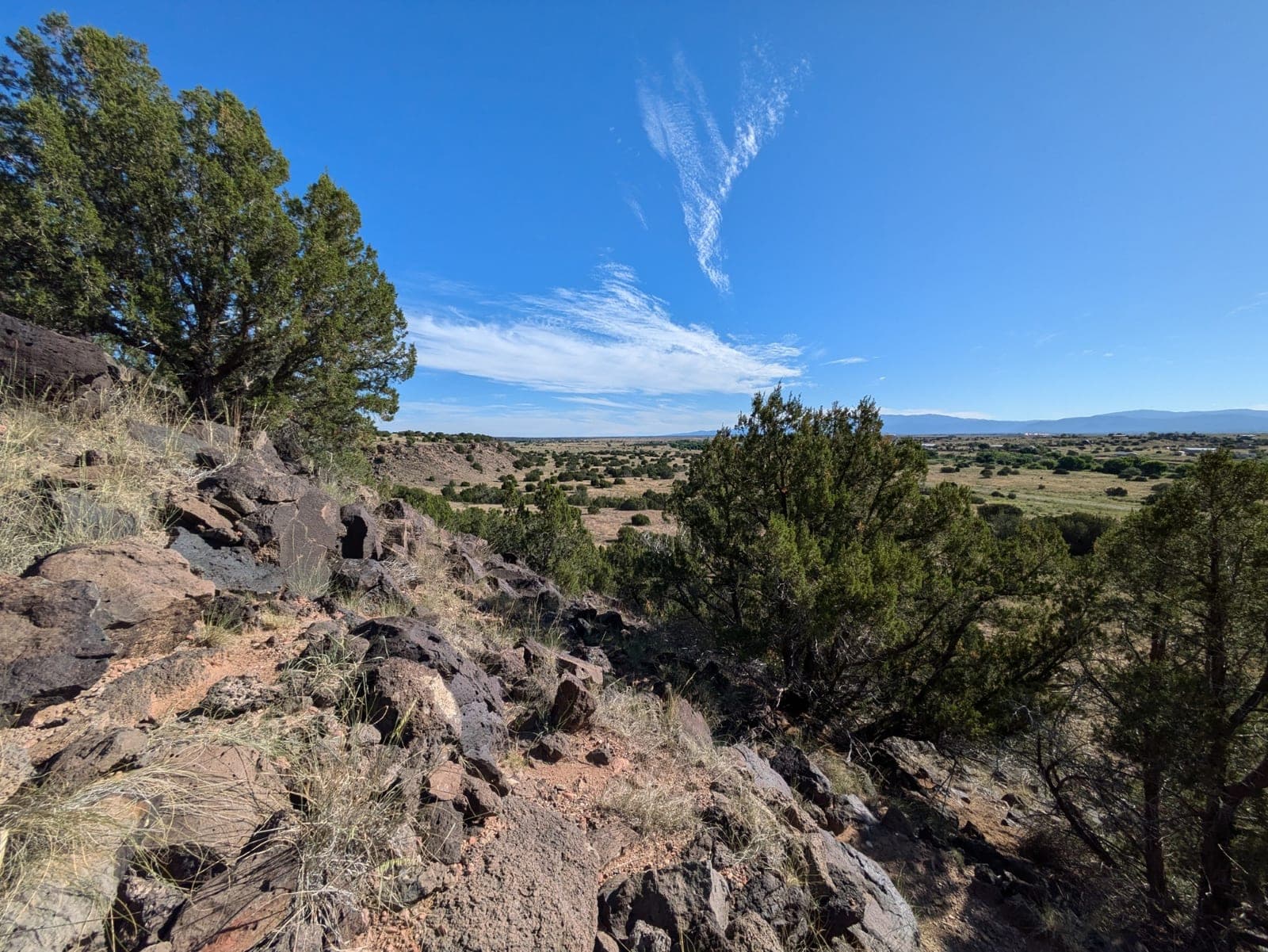
New Mexico Pueblo governors endorse draft federal legislation to protect Caja del Rio landscape
Danielle Prokop Source New Mexico A coalition of New Mexico Pueblo governors last week unanimously voted to endorse forthcoming federal legislation to protect the 107,000-acre expanse of the Caja del Rio plateau, a swath of public lands south of Santa Fe with environmental, historical and spiritual significance to multiple advocacy groups. The bill, sponsored by U.S. Sen. Martin Heinrich (D-N.M.), would designate the area as a national monument, and thus add limits to new industrial development. Heinrich will introduce the legislation sometime in April, according to Press Secretary Luis Soriano. Pueblo leaders, state officials and members of the New Mexico congressional delegation have urged the federal government for years to limit development on the plateau, joined by coalitions of tribal, Hispano, outdoor recreation, ranchers and environmental groups. A Republican-backed effort to sell off public lands last year identified BLM-owned areas to the south and the northeast of the Caja del Rio Plateau as available for sale. The sell-offs ultimately failed to move through Congress. In August, federal officials greenlit construction to move forward on a transmission power line project to power Los Alamos National Laboratory, despite overwhelming public opposition. The plateau, jointly managed by the U.S. Bureau of Land Management and U.S. Forest Service, includes many cultural sites, including the La Cieneguilla Petroglyphs, one of the largest concentrations of ancient rock carvings in the state. The Caja Del Rio is identified as a vital corridor for wildlife and grazing, advocates say, and also a site for spiritual pilgrimage, hunting and firewood for nearby Pueblos and Spanish land grant communities. The All Pueblo Council of Governor’s vote Friday to back the legislation shows “we all agree the Caja needs to be protected,” Chair Joey Sanchez, Santa Ana Pueblo, said in a statement following the vote. “The proposed legislation represents a significant step toward ensuring the long-term protection of the Caja del Rio while honoring its deep cultural and historical significance to Indigenous and local communities,” Sanchez said. Gov. Raymond Aguilar Jr. of Kewa Pueblo called the bill a “landmark piece of legislation” in a statement Friday saying it offers “an important step in the co-management of this sacred place by both federal and Pueblo governments.” The post New Mexico Pueblo governors endorse draft federal legislation to protect Caja del Rio landscape appeared first on ICT.