2 stories credited to EssentiallySports
Latest story Apr 11, 2026 · on ChamberLight since Apr 2026
A story can appear as several articles (copies of the same piece), so counts of stories and of articles differ.
Scores for EssentiallySports
Writing quality not enough rated stories yet: 2 of 10. How it is measured
Scores last checked Sep 25, 2026.
Stories ChamberLight collected, by month
Stories credited to EssentiallySports, by publication date. ChamberLight collects articles that mention the officials it tracks, so this shows its own coverage of this source, not how much the source publishes.
- Stories from EssentiallySports
- Shaded: ChamberLight collected no stories, or almost none, from any outlet (a gap in its collection, not in the outlet’s publishing)
Show as a table
| Month | Stories | All outlets |
|---|---|---|
| April 2026 | 2 | 4,161 |
| May 2026 | 0 | none collected |
| June 2026 | 0 | none collected |
| July 2026 | 0 | none collected |
| August 2026 | 0 | 1 (collection gap) |
| September 2026 | 0 | 1,320 |
Top topics
Share of this source’s stories tagged with each topic. A story can carry several topics, so the shares do not add up to 100%.
- Ethics/Corruption2
100% of 2 stories · 58% across all outlets
- Budget/Spending1
50% of 2 stories · 31% across all outlets
- Economy1
50% of 2 stories · 26% across all outlets
- Education1
50% of 2 stories · 3% across all outlets
- Labor/Unions1
50% of 2 stories · 4% across all outlets
The thin mark on each bar is the topic’s share across all outlets.
Who they cover
Party of the officials these stories are mainly about, across all 4 officials named. A story counts once for each official it is mainly about, so the split is over 4 story–official pairs, from 2 stories.
- Republican75% · 3 pairs
- Democrat25% · 1 pair
Most covered
Stories mainly about each official, and their share of the source’s 2 stories.
Article tone
ChamberLight’s article analysis assigns each story a tone toward the official it covers. It describes the coverage of that official, not EssentiallySports’s stance, and reader votes do not change it. 2 stories.
- Good Look
- 2 (100%)
- Mixed
- 0 (0%)
- Informational
- 0 (0%)
- Bad Look
- 0 (0%)
Challenges to these scores
No one has challenged a score on this page yet. Anyone can; editors publish every outcome here.
Articles served from essentiallysports.com
4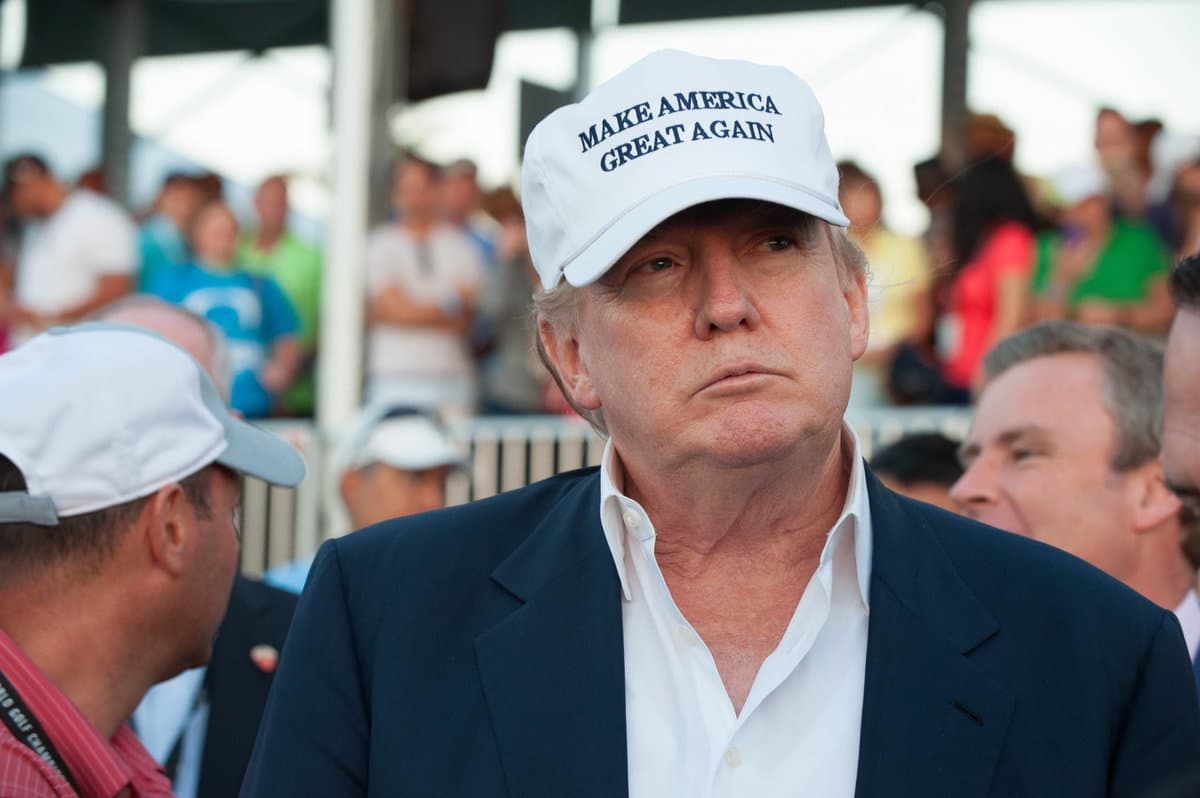
Trump Administration’s Role Scrutinized in Virginia Tech President’s Departure: Report
Virginia Tech President Tim Sands’ sudden exit has now taken a political turn. Senator Tim Kaine has raised serious questions regarding the situation, saying this does not look like a normal leadership change and may be part of a bigger pressure campaign involving Donald Trump’s administration. “I’m deeply troubled by the sudden departure of President Tim Sands at Virginia Tech,” US Senator Tim Kaine said in his official statement. “He has been an exceptional leader for over a decade – a period of significant growth for the university, including through its deepened partnership with Carilion Clinic in the Roanoke region and its impressive Innovation Campus in Alexandria.” This action has the earmarks of previous well-publicized efforts to oust presidents at other Virginia public universities: VMI, UVA, and George Mason. I urge Governor Spanberger to get to the bottom of this latest attack on Virginia higher education and take all necessary action to insulate university leadership from politically motivated schemes.” Tim Kaine is worried that Virginia Tech’s president, Tim Sands, may have been pressured to leave his job. He thinks this might be happening so that the current board can choose a new president quickly. This matters because on July 1, Governor Abigail Spanberger will have the opportunity to appoint five new members to the university’s board. Currently, most of the board members were appointed by former Governor Glenn Youngkin. Kaine believes the current board may want to pick a new president before those new members join, so they can keep control over the decision. At the same time, a report by Inside Higher Ed says that Governor Abigail Spanberger and the board’s rector, John Rocovich, have already talked about the upcoming search for a new president. They agreed that the new members appointed by Spanberger in July should be part of that process. This shows a strong disagreement between the parties. Virginia @SenTimKaine thinks the Trump admin has maybe pushed out another Virginia University president, Virginia Tech’s Tim Sands, and wants @GovernorVA to investigate pic.twitter.com/z2f3WLmXTj — Jahd Khalil (@jahdkhalil) April 10, 2026 This situation is also connected to an earlier political conflict in 2025. During that time, Surovell and other Senate Democrats opposed many university board appointments made by Governor Youngkin. They refused to approve more than two dozen of his picks because they believed some of the people he chose had connections to US President Donald Trump’s White House and the Heritage Foundation, which is known as a strong conservative think tank. Kaine explains his concern by giving examples from other universities in Virginia. At Virginia Military Institute, the head of the college, Cedric Wins, lost his job after disagreements about diversity efforts. At the University of Virginia, President Jim Ryan stepped down and later said the board had pressured him during a government investigation into diversity programs. Then, at George Mason University, President Gregory Washington also faced strong pressure from the board, and even though he was not removed, there was a lot of tension. In the end, the Democrats took the issue to court and won the case. These legal battles prevented unconfirmed board members from taking their seats at several Virginia universities, effectively stalling the previous administration’s efforts to reshape higher education leadership. After this decision, when Abigail Spanberger became governor in January, she was given the power to appoint new members. On her very first day in office, she selected 27 people to serve on different university boards. This helped her start shaping how these institutions are governed. However, not all universities changed completely, as the team still has people who were chosen earlier by former Governor Glenn Youngkin. This is exactly why Kaine thinks there’s a political inclination towards the sudden departure of Tim Sands. But this move also came right after James Franklin asked for a well-aligned team. James Franklin’s wish for a united Virginia Tech staff While Kaine points to conservative political pressure driving Sands out, the timing awkwardly collides with new head coach James Franklin’s public plea for front-office harmony. However, no official reports suggest Franklin’s football-focused request directly triggered the board’s political maneuver. But what makes Tim Sands’ departure even more ironic is that just a few days back, James Franklin appeared on the ACC Network to emphasize how crucial administrative alignment is for his team. “There has to be alignment in everything that’s with the rector, which is what the chair of our board is called,” James Franklin said on Inside Access. “The president of the university, the athletic director, and the head coach have to be in alignment, but then there also has to be visual alignment. It’s got to feel aligned throughout the entire building. So we got a lot of work to do. We’re using those resources.” Franklin talks about “alignment” because he faced problems earlier at Penn State. There were issues within the team, especially between him and the medical staff. A review in 2019 and later reports showed that there was tension between Franklin and the doctors. They often disagreed about injured players and their timelines of return. On top of that, because of last season’s losses to teams like Northwestern and UCLA, Franklin is now under pressure. He cannot afford to make mistakes this season. He needs to show that he can improve the team and turn it into a strong competitor. If he fails to do that, his situation could become worse. The post Trump Administration’s Role Scrutinized in Virginia Tech President’s Departure: Report appeared first on EssentiallySports.
Exploring Congress’ Relationship With Boxing as Dana White Tries to Reform Ali Act
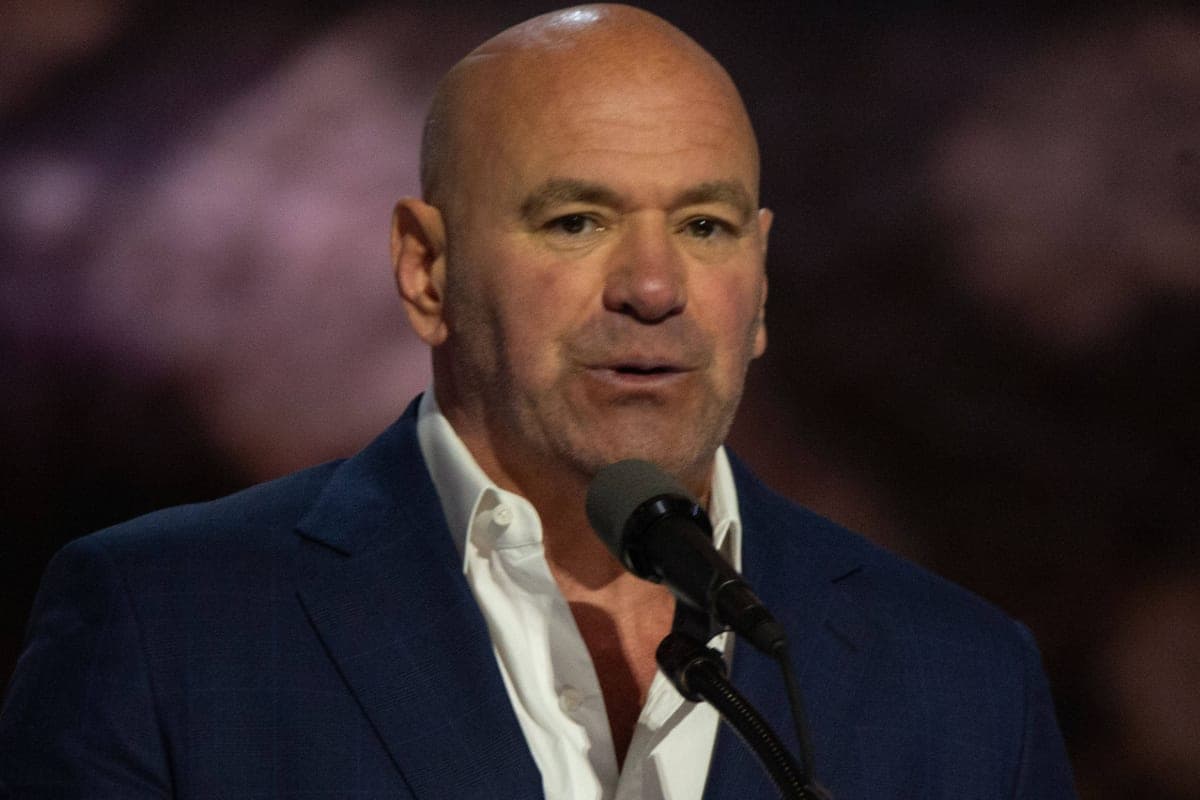
Dana White is picking a new fight, but this time his opponent isn’t in the octagon—it’s the United States Congress and decades of boxing law. While White has his reasons for championing this revised legislation, these calls for reform are part of a long-running battle within the sport that has surfaced multiple times over the years. As of now, the House of Representatives has successfully passed the Muhammad Ali American Boxing Revival Act. Next up? It’s headed for the Senate’s consideration. Shortly after, President Donald Trump will step in and potentially sign it into law. This act promises to bring in major changes to the boxing landscape. But before we dive into that, let’s look at the earlier proposals surrounding the original 2000 Muhammad Ali Boxing Reform Act. What Congress tried to do with boxing From 2000 to the present, Congress has made several attempts to update boxing law. Although none of those bills became law, what they tried to do is very different from what the House just passed. In total, there were six proposed bills. Senator John McCain thought of creating a federal boxing commission in 2004. Bill S.275 proposed that a single federation would regulate the sport in the U.S. However, several state commissions, like New Jersey and Nevada, stepped in to oppose. As a result, although the Senate passed the bill, the House rejected it. But that didn’t stop McCain’s zeal toward bringing a change in boxing. In 2005, with Bill S.148, the Senator made another attempt. However, the outcome was the same, but with a twist. While the Senate unanimously voted for it, the House voted for a companion bill, H.R. 1065. Despite both agreeing, it failed in the final count. Yet, McCain kept at it. He came back in 2009 with Bill S.38, but it also didn’t reach a full vote in Congress. McCain’s bills proposed a national body that would license everyone in boxing (fighters, promoters, trainers, etc.). Not just that, it would also track fighters’ medical records and injuries nationwide, enforce fair contracts and rankings, and oversee state boxing commissions to make sure rules were followed. Although the Senate wanted these changes, it failed to get the required votes. Later, the House proposed some of its plans. An attempt in 2014 by Rep. Peter King with the Professional Boxing Amendments Act (H.R. 5395) died in committee due to Senate opposition. Two years later, Rep. Markwayne Mullin, a former MMA fighter, introduced a unique proposal: the Muhammad Ali Expansion Act (H.R. 5365). He wanted MMA fighters to get the same protections as boxers. Despite its initial rejection, Mullin reintroduced the bill in 2017, where it failed again. Hence, no major changes were made to boxing laws during this time. One might speculate what the latest bill passed by the House offers. What is the new Ali Act? On March 26, 2026, the Muhammad Ali Boxing Revival Act became the first boxing reform bill to pass the House since the original Ali Act became law in 2000. After years of attempts, what did the Ali Act offer that convinced a part of Congress to pass it? For starters, it did not propose a federal commission or a national licensing system. View this post on Instagram A post shared by MMA Fighting (@mmafighting) Instead, it would establish Unified Boxing Organizations (UBOs), allowing them to operate in place of the current sanctioning bodies that govern the sport (WBC, WBA, WBO, and IBF). So, one organization can decide who fights, who is ranked, and who gets title shots. For someone like Dana White, who just entered the sport with Zuffa Boxing, it would be quite helpful. But why? Over his more than a decade-long career as the UFC head honcho, White has become familiar with a similar way of running his promotion. On top of that, the bill will also facilitate minimum pay ($200 per round), provide medical coverage for fighters and certified ringside physicians, and drug testing for title fights. However, it does not enforce some of the key protections from the original Ali Act, such as protection from unfair or forced contracts. The next step The act would open the door for a UFC-style boxing structure. In the process, it can avoid the boxer protection rules in the original Ali Act. Quite a drastic call for change, isn’t it? For that reason, promoters like Bob Arum have pointed out the detrimental impact of the revised act on the boxers. As of now, the bill is with the Senate Commerce Committee, led by Ted Cruz. The Senate can hold hearings and make changes before passing the bill. The original Muhammad Ali Boxing Reform Act took quite some time to become law in 2000. So, the expectations around the revised bill will also be the same. On that note, will the Senate push for changes to the bill? Let us know in the comments below! The post Exploring Congress’ Relationship With Boxing as Dana White Tries to Reform Ali Act appeared first on EssentiallySports.
Exploring Congress’ Relationship With Boxing as Dana White Tries to Reform Ali Act
Dana White is picking a new fight, but this time his opponent isn’t in the octagon—it’s the United States Congress and decades of boxing law. While White has his reasons for championing this revised legislation, these calls for reform are part of a long-running battle within the sport that has surfaced multiple times over the years. As of now, the House of Representatives has successfully passed the Muhammad Ali American Boxing Revival Act. Next up? It’s headed for the Senate’s consideration. Shortly after, President Donald Trump will step in and potentially sign it into law. This act promises to bring in major changes to the boxing landscape. But before we dive into that, let’s look at the earlier proposals surrounding the original 2000 Muhammad Ali Boxing Reform Act. What Congress tried to do with boxing From 2000 to the present, Congress has made several attempts to update boxing law. Although none of those bills became law, what they tried to do is very different from what the House just passed. In total, there were six proposed bills. Senator John McCain thought of creating a federal boxing commission in 2004. Bill S.275 proposed that a single federation would regulate the sport in the U.S. However, several state commissions, like New Jersey and Nevada, stepped in to oppose. As a result, although the Senate passed the bill, the House rejected it. But that didn’t stop McCain’s zeal toward bringing a change in boxing. In 2005, with Bill S.148, the Senator made another attempt. However, the outcome was the same, but with a twist. While the Senate unanimously voted for it, the House voted for a companion bill, H.R. 1065. Despite both agreeing, it failed in the final count. Yet, McCain kept at it. He came back in 2009 with Bill S.38, but it also didn’t reach a full vote in Congress. McCain’s bills proposed a national body that would license everyone in boxing (fighters, promoters, trainers, etc.). Not just that, it would also track fighters’ medical records and injuries nationwide, enforce fair contracts and rankings, and oversee state boxing commissions to make sure rules were followed. Although the Senate wanted these changes, it failed to get the required votes. Later, the House proposed some of its plans. An attempt in 2014 by Rep. Peter King with the Professional Boxing Amendments Act (H.R. 5395) died in committee due to Senate opposition. Two years later, Rep. Markwayne Mullin, a former MMA fighter, introduced a unique proposal: the Muhammad Ali Expansion Act (H.R. 5365). He wanted MMA fighters to get the same protections as boxers. Despite its initial rejection, Mullin reintroduced the bill in 2017, where it failed again. Hence, no major changes were made to boxing laws during this time. One might speculate what the latest bill passed by the House offers. What is the new Ali Act? On March 26, 2026, the Muhammad Ali Boxing Revival Act became the first boxing reform bill to pass the House since the original Ali Act became law in 2000. After years of attempts, what did the Ali Act offer that convinced a part of Congress to pass it? For starters, it did not propose a federal commission or a national licensing system. View this post on Instagram A post shared by MMA Fighting (@mmafighting) Instead, it would establish Unified Boxing Organizations (UBOs), allowing them to operate in place of the current sanctioning bodies that govern the sport (WBC, WBA, WBO, and IBF). So, one organization can decide who fights, who is ranked, and who gets title shots. For someone like Dana White, who just entered the sport with Zuffa Boxing, it would be quite helpful. But why? Over his more than a decade-long career as the UFC head honcho, White has become familiar with a similar way of running his promotion. On top of that, the bill will also facilitate minimum pay ($200 per round), provide medical coverage for fighters and certified ringside physicians, and drug testing for title fights. However, it does not enforce some of the key protections from the original Ali Act, such as protection from unfair or forced contracts. The next step The act would open the door for a UFC-style boxing structure. In the process, it can avoid the boxer protection rules in the original Ali Act. Quite a drastic call for change, isn’t it? For that reason, promoters like Bob Arum have pointed out the detrimental impact of the revised act on the boxers. As of now, the bill is with the Senate Commerce Committee, led by Ted Cruz. The Senate can hold hearings and make changes before passing the bill. The original Muhammad Ali Boxing Reform Act took quite some time to become law in 2000. So, the expectations around the revised bill will also be the same. On that note, will the Senate push for changes to the bill? Let us know in the comments below! The post Exploring Congress’ Relationship With Boxing as Dana White Tries to Reform Ali Act appeared first on EssentiallySports.
Exploring Congress’ Relationship With Boxing as Dana White Tries to Reform Ali Act
Dana White is picking a new fight, but this time his opponent isn’t in the octagon—it’s the United States Congress and decades of boxing law. While White has his reasons for championing this revised legislation, these calls for reform are part of a long-running battle within the sport that has surfaced multiple times over the years. As of now, the House of Representatives has successfully passed the Muhammad Ali American Boxing Revival Act. Next up? It’s headed for the Senate’s consideration. Shortly after, President Donald Trump will step in and potentially sign it into law. This act promises to bring in major changes to the boxing landscape. But before we dive into that, let’s look at the earlier proposals surrounding the original 2000 Muhammad Ali Boxing Reform Act. What Congress tried to do with boxing From 2000 to the present, Congress has made several attempts to update boxing law. Although none of those bills became law, what they tried to do is very different from what the House just passed. In total, there were six proposed bills. Senator John McCain thought of creating a federal boxing commission in 2004. Bill S.275 proposed that a single federation would regulate the sport in the U.S. However, several state commissions, like New Jersey and Nevada, stepped in to oppose. As a result, although the Senate passed the bill, the House rejected it. But that didn’t stop McCain’s zeal toward bringing a change in boxing. In 2005, with Bill S.148, the Senator made another attempt. However, the outcome was the same, but with a twist. While the Senate unanimously voted for it, the House voted for a companion bill, H.R. 1065. Despite both agreeing, it failed in the final count. Yet, McCain kept at it. He came back in 2009 with Bill S.38, but it also didn’t reach a full vote in Congress. McCain’s bills proposed a national body that would license everyone in boxing (fighters, promoters, trainers, etc.). Not just that, it would also track fighters’ medical records and injuries nationwide, enforce fair contracts and rankings, and oversee state boxing commissions to make sure rules were followed. Although the Senate wanted these changes, it failed to get the required votes. Later, the House proposed some of its plans. An attempt in 2014 by Rep. Peter King with the Professional Boxing Amendments Act (H.R. 5395) died in committee due to Senate opposition. Two years later, Rep. Markwayne Mullin, a former MMA fighter, introduced a unique proposal: the Muhammad Ali Expansion Act (H.R. 5365). He wanted MMA fighters to get the same protections as boxers. Despite its initial rejection, Mullin reintroduced the bill in 2017, where it failed again. Hence, no major changes were made to boxing laws during this time. One might speculate what the latest bill passed by the House offers. What is the new Ali Act? On March 26, 2026, the Muhammad Ali Boxing Revival Act became the first boxing reform bill to pass the House since the original Ali Act became law in 2000. After years of attempts, what did the Ali Act offer that convinced a part of Congress to pass it? For starters, it did not propose a federal commission or a national licensing system. View this post on Instagram A post shared by MMA Fighting (@mmafighting) Instead, it would establish Unified Boxing Organizations (UBOs), allowing them to operate in place of the current sanctioning bodies that govern the sport (WBC, WBA, WBO, and IBF). So, one organization can decide who fights, who is ranked, and who gets title shots. For someone like Dana White, who just entered the sport with Zuffa Boxing, it would be quite helpful. But why? Over his more than a decade-long career as the UFC head honcho, White has become familiar with a similar way of running his promotion. On top of that, the bill will also facilitate minimum pay ($200 per round), provide medical coverage for fighters and certified ringside physicians, and drug testing for title fights. However, it does not enforce some of the key protections from the original Ali Act, such as protection from unfair or forced contracts. The next step The act would open the door for a UFC-style boxing structure. In the process, it can avoid the boxer protection rules in the original Ali Act. Quite a drastic call for change, isn’t it? For that reason, promoters like Bob Arum have pointed out the detrimental impact of the revised act on the boxers. As of now, the bill is with the Senate Commerce Committee, led by Ted Cruz. The Senate can hold hearings and make changes before passing the bill. The original Muhammad Ali Boxing Reform Act took quite some time to become law in 2000. So, the expectations around the revised bill will also be the same. On that note, will the Senate push for changes to the bill? Let us know in the comments below! The post Exploring Congress’ Relationship With Boxing as Dana White Tries to Reform Ali Act appeared first on EssentiallySports.