3 stories credited to AmmoLand Shooting Sports News
Latest story Sep 17, 2026 · on ChamberLight since Apr 2026
A story can appear as several articles (copies of the same piece), so counts of stories and of articles differ.
Scores for AmmoLand Shooting Sports News
Writing quality not enough rated stories yet: 3 of 10. How it is measured
Scores last checked Sep 25, 2026.
Stories ChamberLight collected, by month
Stories credited to AmmoLand Shooting Sports News, by publication date. ChamberLight collects articles that mention the officials it tracks, so this shows its own coverage of this source, not how much the source publishes.
- Stories from AmmoLand Shooting Sports News
- Shaded: ChamberLight collected no stories, or almost none, from any outlet (a gap in its collection, not in the outlet’s publishing)
Show as a table
| Month | Stories | All outlets |
|---|---|---|
| February 2026 | 1 | 172 |
| March 2026 | 0 | 1,094 |
| April 2026 | 1 | 4,538 |
| May 2026 | 0 | none collected |
| June 2026 | 0 | none collected |
| July 2026 | 0 | none collected |
| August 2026 | 0 | 1 (collection gap) |
| September 2026 | 1 | 1,320 |
Top topics
Share of this source’s stories tagged with each topic. A story can carry several topics, so the shares do not add up to 100%.
- Gun Policy3
100% of 3 stories · 1% across all outlets
- Ethics/Corruption2
67% of 3 stories · 58% across all outlets
- Budget/Spending1
33% of 3 stories · 31% across all outlets
- Criminal Justice1
33% of 3 stories · 19% across all outlets
- Voting Rights1
33% of 3 stories · 19% across all outlets
The thin mark on each bar is the topic’s share across all outlets.
Who they cover
Party of the officials these stories are mainly about, across all 5 officials named. A story counts once for each official it is mainly about, so the split is over 5 story–official pairs, from 3 stories.
- Democrat60% · 3 pairs
- Republican40% · 2 pairs
Most covered
Stories mainly about each official, and their share of the source’s 3 stories.
Article tone
ChamberLight’s article analysis assigns each story a tone toward the official it covers. It describes the coverage of that official, not AmmoLand Shooting Sports News’s stance, and reader votes do not change it. 3 stories.
- Good Look
- 0 (0%)
- Mixed
- 2 (67%)
- Informational
- 0 (0%)
- Bad Look
- 1 (33%)
Challenges to these scores
No one has challenged a score on this page yet. Anyone can; editors publish every outcome here.
Articles served from ammoland.com
5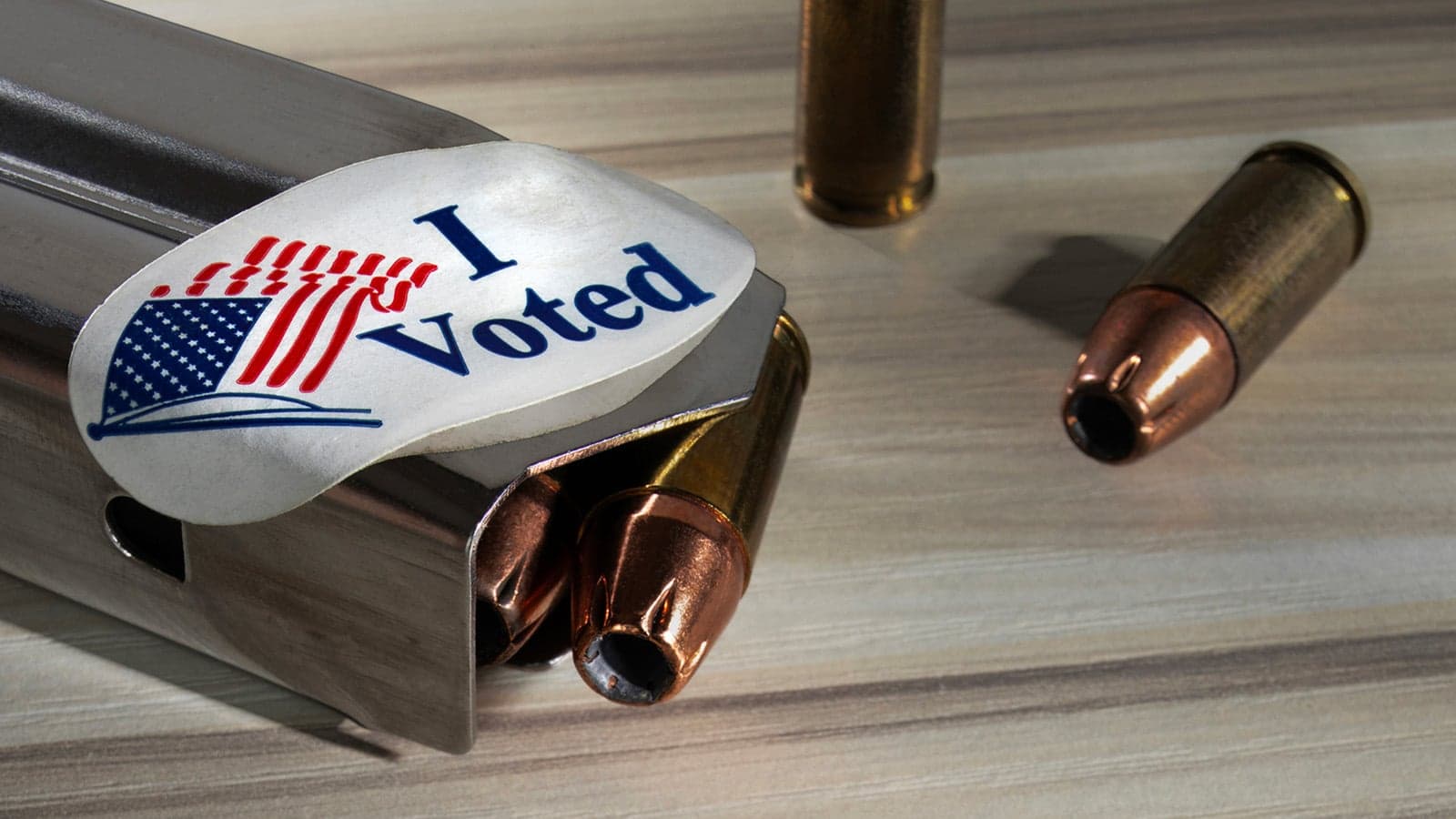
Florida District 9: Soto, Green and Gun Policy
For Indian River County voters, the 2026 congressional election looks very different from the race they watched just two years ago. A sweeping mid-decade redistricting plan signed into law in May dramatically reshaped Florida's congressional map, including the 9th District. The new boundaries move

Kaine-Warner Gun Control Bill Would Take Virginia Restrictions Nationwide
New anti-gun federal legislation introduced by Virginia Senators Tim Kaine and Mark Warner amounts to a direct attack on the Second Amendment. iStock-483315547 Federal legislation introduced this month by perennial anti-gun Senate Democrats Tim Kaine and Mark Warner, both from Virginia—where embattled gun owners are facing legislative demagoguery as freshman Gov. Abigail Spanberger seems determined to ignite a new Civil War with the Justice Department over gun rights—would spread the Commonwealth’s efforts to erode the Second Amendment nationwide. Kaine and Warner’s “Virginia Plan to Reduce Gun Violence Act” was announced in a press release extolling the “virtues” of both Capitol Hill gun prohibitionists. They remind the media, and anyone else who bothers to read their self-serving announcement, that last year, they “reintroduced the Assault Weapons Ban of 2025, legislation that would revive the 1994 nationwide ban on assault weapons two decades after the original ban expired in 2004.” They then go on to say, “In 2022, Warner and Kaine helped pass the Bipartisan Safer Communities Act, legislation that contains many provisions of the Virginia Plan, including improving background checks, strengthening safeguards for victims of domestic violence, and incentivizing states to implement their own Extreme Risk Protection Orders to remove firearms from individuals who pose a high risk of harming themselves or others.” Here are the tenets of their “new” plan, taken directly from their news release, which is an expansion of every gun prohibitionist’s dream scheme to trample the right to keep and bear arms: One-Handgun-a-Month: Limits purchases of handguns to one per month to curtail the stockpiling and trafficking of firearms, promoting domestic and international security. Reporting of Lost or Stolen Firearms: Requires gun owners to report lost or stolen firearms to the appropriate state or local law enforcement agency within 48 hours. State and local law enforcement agencies would be directed to report the collected data to the FBI’s National Crime Information Center. Preventing Firearm Access to Minors: Promotes responsible gun ownership and safe storage practices by holding individuals liable for leaving a loaded, unsecured gun in a place a minor could access it. This will prevent the most common cause of accidental shooting deaths among children. Protection Order Prohibitions: Strengthens safeguards for victims of domestic violence by closing the “boyfriend loophole,” which currently allows abusive non-spousal partners to possess firearms, and expands firearm laws to prohibit persons convicted of stalking or subject to a domestic violence restraining order from possessing firearms. Extreme Risk Protection Orders: Establishes a federal extreme risk protection order process to temporarily remove firearms from individuals who pose a high risk of harming themselves or others and incentivizes states to implement their own extreme risk protection laws and court protocols. Lucia’s Law: Establishes criminal liability for a caregiver who gives a child in their care access to a firearm when they are aware that the child is a danger to themselves or others. Assault Weapons Sale Prohibition: Prohibits the sale, manufacture, and importation of assault weapons. Assault Weapons Age Restriction: Prohibits the possession of assault weapons by someone under the age of 18, with exceptions if the child is under the supervision of a parent, grandparent, or legal guardian, or participating in an educational or training program. Prohibition of Ghost Guns: Bans the purchase, sale, importation, or possession of complete or incomplete firearms without a serial number and anyone enabling someone to create such a firearm. Updates the definition of an “Undetectable Firearm” so the definition covers firearms that are not detected by machines commonly used at airports, government buildings, schools, correctional facilities, and other locations for security screening. Secure Storage of Firearms in Unattended Vehicles: Requires gun owners to securely store a handgun if it is left in an unattended vehicle. Every nine minutes, a firearm is stolen from an unattended vehicle. Domestic Violence Firearms Relinquishment: Creates a grant program incentivizing states to establish a process to confirm that any firearms possessed by someone newly prohibited from possessing a firearms because they were convicted of a misdemeanor of domestic violence or they are subject to a domestic violence restraining order is no longer in that individual’s possession, because it was transferred to someone who can legally possess the firearm, or it was removed by law enforcement. Prohibition on Firearms in or near Hospital and Mental Health Services Facilities: Creates a “Mental Healthcare Facility Zone” similar to current gun-free school zones, prohibiting the possession of a firearm within 1000 feet of a hospital or mental health facility that provides mental health services or developmental services. Enhances Safety at Public Higher Education Institutions: Prohibits the possession of firearms in public college & university buildings unless the firearm is being used for an approved educational purpose or in support of public safety. In their joint release, Warner and Kaine declare this 53-page proposal “would build on Virginia’s commonsense framework to reduce gun violence.” In reality, the requirements outlined in their announcement would literally turn the right to keep and bear arms into a government-regulated privilege. The only thing missing is a permit-to-purchase restriction, a nasty mandate which Democrats lately have embraced in Colorado and Washington. It translates into an open declaration by Democrats that their party’s war on the Second Amendment has entered a new phase in which they’re not even trying to disguise their intentions. The legislation may not move during the remainder of this session, but if Democrats recapture the Senate in November, it’s a safe bet they will try ramming it through in 2027. Whatever else the Kaine/Warner bill might be, it amounts to a warning to gun owners they better not skip voting this fall. Virginia Redistricting Vote and Spanberger Gun Bans Fuel 2A Backlash About Dave Workman Dave Workman is a senior editor at TheGunMag.com and Liberty Park Press, author of multiple books on the Right to Keep & Bear Arms, and formerly an NRA-certified firearms instructor.
Kaine-Warner Gun Control Bill Would Take Virginia Restrictions Nationwide
New anti-gun federal legislation introduced by Virginia Senators Tim Kaine and Mark Warner amounts to a direct attack on the Second Amendment. iStock-483315547 Federal legislation introduced this month by perennial anti-gun Senate Democrats Tim Kaine and Mark Warner, both from Virginia—where embattled gun owners are facing legislative demagoguery as freshman Gov. Abigail Spanberger seems determined to ignite a new Civil War with the Justice Department over gun rights—would spread the Commonwealth’s efforts to erode the Second Amendment nationwide. Kaine and Warner’s “Virginia Plan to Reduce Gun Violence Act” was announced in a press release extolling the “virtues” of both Capitol Hill gun prohibitionists. They remind the media, and anyone else who bothers to read their self-serving announcement, that last year, they “reintroduced the Assault Weapons Ban of 2025, legislation that would revive the 1994 nationwide ban on assault weapons two decades after the original ban expired in 2004.” They then go on to say, “In 2022, Warner and Kaine helped pass the Bipartisan Safer Communities Act, legislation that contains many provisions of the Virginia Plan, including improving background checks, strengthening safeguards for victims of domestic violence, and incentivizing states to implement their own Extreme Risk Protection Orders to remove firearms from individuals who pose a high risk of harming themselves or others.” Here are the tenets of their “new” plan, taken directly from their news release, which is an expansion of every gun prohibitionist’s dream scheme to trample the right to keep and bear arms: One-Handgun-a-Month: Limits purchases of handguns to one per month to curtail the stockpiling and trafficking of firearms, promoting domestic and international security. Reporting of Lost or Stolen Firearms: Requires gun owners to report lost or stolen firearms to the appropriate state or local law enforcement agency within 48 hours. State and local law enforcement agencies would be directed to report the collected data to the FBI’s National Crime Information Center. Preventing Firearm Access to Minors: Promotes responsible gun ownership and safe storage practices by holding individuals liable for leaving a loaded, unsecured gun in a place a minor could access it. This will prevent the most common cause of accidental shooting deaths among children. Protection Order Prohibitions: Strengthens safeguards for victims of domestic violence by closing the “boyfriend loophole,” which currently allows abusive non-spousal partners to possess firearms, and expands firearm laws to prohibit persons convicted of stalking or subject to a domestic violence restraining order from possessing firearms. Extreme Risk Protection Orders: Establishes a federal extreme risk protection order process to temporarily remove firearms from individuals who pose a high risk of harming themselves or others and incentivizes states to implement their own extreme risk protection laws and court protocols. Lucia’s Law: Establishes criminal liability for a caregiver who gives a child in their care access to a firearm when they are aware that the child is a danger to themselves or others. Assault Weapons Sale Prohibition: Prohibits the sale, manufacture, and importation of assault weapons. Assault Weapons Age Restriction: Prohibits the possession of assault weapons by someone under the age of 18, with exceptions if the child is under the supervision of a parent, grandparent, or legal guardian, or participating in an educational or training program. Prohibition of Ghost Guns: Bans the purchase, sale, importation, or possession of complete or incomplete firearms without a serial number and anyone enabling someone to create such a firearm. Updates the definition of an “Undetectable Firearm” so the definition covers firearms that are not detected by machines commonly used at airports, government buildings, schools, correctional facilities, and other locations for security screening. Secure Storage of Firearms in Unattended Vehicles: Requires gun owners to securely store a handgun if it is left in an unattended vehicle. Every nine minutes, a firearm is stolen from an unattended vehicle. Domestic Violence Firearms Relinquishment: Creates a grant program incentivizing states to establish a process to confirm that any firearms possessed by someone newly prohibited from possessing a firearms because they were convicted of a misdemeanor of domestic violence or they are subject to a domestic violence restraining order is no longer in that individual’s possession, because it was transferred to someone who can legally possess the firearm, or it was removed by law enforcement. Prohibition on Firearms in or near Hospital and Mental Health Services Facilities: Creates a “Mental Healthcare Facility Zone” similar to current gun-free school zones, prohibiting the possession of a firearm within 1000 feet of a hospital or mental health facility that provides mental health services or developmental services. Enhances Safety at Public Higher Education Institutions: Prohibits the possession of firearms in public college & university buildings unless the firearm is being used for an approved educational purpose or in support of public safety. In their joint release, Warner and Kaine declare this 53-page proposal “would build on Virginia’s commonsense framework to reduce gun violence.” In reality, the requirements outlined in their announcement would literally turn the right to keep and bear arms into a government-regulated privilege. The only thing missing is a permit-to-purchase restriction, a nasty mandate which Democrats lately have embraced in Colorado and Washington. It translates into an open declaration by Democrats that their party’s war on the Second Amendment has entered a new phase in which they’re not even trying to disguise their intentions. The legislation may not move during the remainder of this session, but if Democrats recapture the Senate in November, it’s a safe bet they will try ramming it through in 2027. Whatever else the Kaine/Warner bill might be, it amounts to a warning to gun owners they better not skip voting this fall. Virginia Redistricting Vote and Spanberger Gun Bans Fuel 2A Backlash About Dave Workman Dave Workman is a senior editor at TheGunMag.com and Liberty Park Press, author of multiple books on the Right to Keep & Bear Arms, and formerly an NRA-certified firearms instructor.
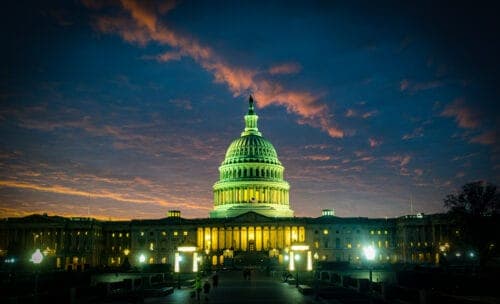
The Filibuster, Senate Power, and the Second Amendment
The Filibuster, Senate Power, and the Second Amendment, iStock-2246891240 The United States Constitution did not create the filibuster. The practice exists entirely because of Senate rules and precedents developed over time. From early in the Senate’s history, the ability of Senators to speak for unlimited amounts of time was used as a tool to slow down legislation, as a bargaining chip to gain concessions on bills, or to block bills altogether. This extended use of “debate” became known as a filibuster. For decades, there was talk about changing the Senate rules to limit debate, but nothing was done until 1917. During the administration of President Woodrow Wilson, the Senate adopted Rule XXII, creating a process known as “cloture.” Under the original rule, debate could be cut off by a two-thirds supermajority of senators present and voting. The cloture vote was used only 5 times over the next 40 years. In 1975, the Senate changed the rule from requiring a 2/3 supermajority of senators voting to end debate to a 3/5 supermajority of all senators correctly chosen and sworn in. A cloture vote to limit debate has come to require 60 votes. The use of the filibuster, limited by a cloture vote, has become increasingly common over time. It has become the primary legislative tool for the party in the Senate minority to stop controversial bills. The Senate rules can be changed with a simple majority vote. When the Democratic Party controlled the Senate in 2013, Majority Leader Harry Reid orchestrated a rule change to exempt votes of all nominees except for the Supreme Court from the 60-vote requirement for cloture. When the Republicans took control of the Senate, they expanded the exemption to include all nominees. Currently, a vote to stop debate in the Senate requires 60 votes for legislation. An exemption exists for budget reconciliation, as required in the Budget Reconciliation Act of 1974. Limits on the time for debate are included in the act, which prevents a filibuster. Live Inventory Price Checker CCI Blazer Brass 9mm 115 Gr FMJ 1000 Rounds (Loose Packed in a Box) Ammunition Depot $ 307.49 $ 235.00 CCI - Blazer - 9mm - 115 Grain - JHP - 1000 True Shot Ammo $ 487.44 CCI Blazer 9mm 115gr FMJ Aluminum Case Ammunition, 50 Round Box - 3509 Palmetto State Armory $ 14.99 $ 12.99 CCI - Blazer - 9mm - 115 Grain - FMJ - Bulk Pack - 1000 True Shot Ammo $ 324.29 The Filibuster and Gun Legislation The filibuster has been used to stop and slow down gun control legislation and to stop and slow down legislation to restore Second Amendment rights. Notably, the filibuster does not appear to have been used in attempts to block the passage of the Gun Control Act of 1968. However, the Brady Act of 1993 was slowed by the use of the filibuster, but was not stopped. The Universal Background Check gun control bill promoted by President Barack Obama in 2013 failed to overcome a filibuster by Republicans. The vote was 54-46. The Bipartisan Safer Communities Act of 2022 had to overcome a filibuster. Cloture passed with 65 votes. It was a relatively weak bill. More recently, in 2025, the removal of short-barreled rifles, short-barreled shotguns, silencers, and Any Other Weapons (AOW) was stymied because of the inability of Second Amendment supporters to overcome a Democratic Party filibuster. Internal Senate Debate Over the Filibuster The filibuster is a powerful tool to slow legislation, facilitate compromise, and limit governmental action. Support for the filibuster by Senators Kyrsten Sinema of Arizona and Joe Manchin of West Virginia has been credited with preventing draconian measures proposed by far-left Democratic politicians in 2021. Both Sinema and Manchin were ousted from the Democratic Party, in part for their support of the filibuster. President Trump has previously called for Republican Senators to eliminate the filibuster. His logic is clear: the next time Democratic politicians control the Senate, they will eliminate the filibuster. Republicans should pre-emptively do so in order to pass legislation to cement the Trumpian counter-revolution against radical leftism. Last year, President Trump wanted to eliminate the filibuster to end the government shutdown. Senator Ron Johnson of Wisconsin explains this. From newsmax.com: “The Democrats purged the last two senators who held out and supported the filibuster,” he said. “We know they have no respect for it. So we need to strike first.” Johnson said if Republicans move first, it should be “for the benefit of the American people.” “When the Democrats eliminate the filibuster, it’ll all be about their maintenance of power,” he said. “If we’re to do it, it will be to further secure our border, to secure our elections, and to pass good pieces of legislation,” Johnson added. He also warned Democrats would “pack the Supreme Court” and push for statehood for Washington, D.C., and Puerto Rico if they regain control of the Senate. Senate Structure and Long-Term Considerations The Senate has two senators for each state. For decades, far more Democratic Senators than seemed warranted came from what were expected to be “conservative” states such as Montana and North Dakota. In the last 20 years, states have tended to sort themselves out more consistently. This is likely because the left no longer has unquestioned dominance in the media. Conservative dominance in the Senate seems probable in the future. The Republicans have both senators in the 25 states that voted for Donald Trump in all three of his presidential elections. This makes it very difficult for the Democratic Party to control Congress. The Senate was designed to protect small states from being made politically irrelevant by large-population states. Control of the Senate by the Democratic Party could potentially be diminished for at least a few years. Legislation is important, but court decisions tend to be more durable. It is harder to overcome Supreme Court decisions than to pass legislation. The protection of the filibuster is less important if the Supreme Court has an originalist majority, such as currently exists. Packing of the Supreme Court has been supported by the Democratic Party to overcome the originalist majority. To do this, they need control of Congress. They need to overcome a filibuster in the Senate. They can eliminate the filibuster anytime they have a majority in the Senate, so continuing the filibuster is not much of a protection against radical leftists. As Sinema and Manchin demonstrated, it has some value. A Difficult Tradeoff If the Senate Republicans eliminate the filibuster, they open the door to passing more of President Trump’s agenda. The potential for pro-Second Amendment legislation to pass increases somewhat. Is that potential worth the loss of the protections of a filibuster? This correspondent tends to approve of limitations on government power. Limitations that are only applied to Republicans are worse than no limitations. It is a close call. This correspondent would keep the filibuster in hopes the radical left Democratic party is rejected by voters, at least in the Senate. About Dean Weingarten: Dean Weingarten has been a peace officer, a military officer, was on the University of Wisconsin Pistol Team for four years, and was first certified to teach firearms safety in 1973. He taught the Arizona concealed carry course for fifteen years until the goal of Constitutional Carry was attained. He has degrees in meteorology and mining engineering, and retired from the Department of Defense after a 30 year career in Army Research, Development, Testing, and Evaluation.
The Filibuster, Senate Power, and the Second Amendment
The Filibuster, Senate Power, and the Second Amendment, iStock-2246891240 The United States Constitution did not create the filibuster. The practice exists entirely because of Senate rules and precedents developed over time. From early in the Senate’s history, the ability of Senators to speak for unlimited amounts of time was used as a tool to slow down legislation, as a bargaining chip to gain concessions on bills, or to block bills altogether. This extended use of “debate” became known as a filibuster. For decades, there was talk about changing the Senate rules to limit debate, but nothing was done until 1917. During the administration of President Woodrow Wilson, the Senate adopted Rule XXII, creating a process known as “cloture.” Under the original rule, debate could be cut off by a two-thirds supermajority of senators present and voting. The cloture vote was used only 5 times over the next 40 years. In 1975, the Senate changed the rule from requiring a 2/3 supermajority of senators voting to end debate to a 3/5 supermajority of all senators correctly chosen and sworn in. A cloture vote to limit debate has come to require 60 votes. The use of the filibuster, limited by a cloture vote, has become increasingly common over time. It has become the primary legislative tool for the party in the Senate minority to stop controversial bills. The Senate rules can be changed with a simple majority vote. When the Democratic Party controlled the Senate in 2013, Majority Leader Harry Reid orchestrated a rule change to exempt votes of all nominees except for the Supreme Court from the 60-vote requirement for cloture. When the Republicans took control of the Senate, they expanded the exemption to include all nominees. Currently, a vote to stop debate in the Senate requires 60 votes for legislation. An exemption exists for budget reconciliation, as required in the Budget Reconciliation Act of 1974. Limits on the time for debate are included in the act, which prevents a filibuster. Live Inventory Price Checker CCI Blazer Brass 9mm 115 Gr FMJ 1000 Rounds (Loose Packed in a Box) Ammunition Depot $ 307.49 $ 235.00 CCI - Blazer - 9mm - 115 Grain - JHP - 1000 True Shot Ammo $ 487.44 CCI Blazer 9mm 115gr FMJ Aluminum Case Ammunition, 50 Round Box - 3509 Palmetto State Armory $ 14.99 $ 12.99 CCI - Blazer - 9mm - 115 Grain - FMJ - Bulk Pack - 1000 True Shot Ammo $ 324.29 The Filibuster and Gun Legislation The filibuster has been used to stop and slow down gun control legislation and to stop and slow down legislation to restore Second Amendment rights. Notably, the filibuster does not appear to have been used in attempts to block the passage of the Gun Control Act of 1968. However, the Brady Act of 1993 was slowed by the use of the filibuster, but was not stopped. The Universal Background Check gun control bill promoted by President Barack Obama in 2013 failed to overcome a filibuster by Republicans. The vote was 54-46. The Bipartisan Safer Communities Act of 2022 had to overcome a filibuster. Cloture passed with 65 votes. It was a relatively weak bill. More recently, in 2025, the removal of short-barreled rifles, short-barreled shotguns, silencers, and Any Other Weapons (AOW) was stymied because of the inability of Second Amendment supporters to overcome a Democratic Party filibuster. Internal Senate Debate Over the Filibuster The filibuster is a powerful tool to slow legislation, facilitate compromise, and limit governmental action. Support for the filibuster by Senators Kyrsten Sinema of Arizona and Joe Manchin of West Virginia has been credited with preventing draconian measures proposed by far-left Democratic politicians in 2021. Both Sinema and Manchin were ousted from the Democratic Party, in part for their support of the filibuster. President Trump has previously called for Republican Senators to eliminate the filibuster. His logic is clear: the next time Democratic politicians control the Senate, they will eliminate the filibuster. Republicans should pre-emptively do so in order to pass legislation to cement the Trumpian counter-revolution against radical leftism. Last year, President Trump wanted to eliminate the filibuster to end the government shutdown. Senator Ron Johnson of Wisconsin explains this. From newsmax.com: “The Democrats purged the last two senators who held out and supported the filibuster,” he said. “We know they have no respect for it. So we need to strike first.” Johnson said if Republicans move first, it should be “for the benefit of the American people.” “When the Democrats eliminate the filibuster, it’ll all be about their maintenance of power,” he said. “If we’re to do it, it will be to further secure our border, to secure our elections, and to pass good pieces of legislation,” Johnson added. He also warned Democrats would “pack the Supreme Court” and push for statehood for Washington, D.C., and Puerto Rico if they regain control of the Senate. Senate Structure and Long-Term Considerations The Senate has two senators for each state. For decades, far more Democratic Senators than seemed warranted came from what were expected to be “conservative” states such as Montana and North Dakota. In the last 20 years, states have tended to sort themselves out more consistently. This is likely because the left no longer has unquestioned dominance in the media. Conservative dominance in the Senate seems probable in the future. The Republicans have both senators in the 25 states that voted for Donald Trump in all three of his presidential elections. This makes it very difficult for the Democratic Party to control Congress. The Senate was designed to protect small states from being made politically irrelevant by large-population states. Control of the Senate by the Democratic Party could potentially be diminished for at least a few years. Legislation is important, but court decisions tend to be more durable. It is harder to overcome Supreme Court decisions than to pass legislation. The protection of the filibuster is less important if the Supreme Court has an originalist majority, such as currently exists. Packing of the Supreme Court has been supported by the Democratic Party to overcome the originalist majority. To do this, they need control of Congress. They need to overcome a filibuster in the Senate. They can eliminate the filibuster anytime they have a majority in the Senate, so continuing the filibuster is not much of a protection against radical leftists. As Sinema and Manchin demonstrated, it has some value. A Difficult Tradeoff If the Senate Republicans eliminate the filibuster, they open the door to passing more of President Trump’s agenda. The potential for pro-Second Amendment legislation to pass increases somewhat. Is that potential worth the loss of the protections of a filibuster? This correspondent tends to approve of limitations on government power. Limitations that are only applied to Republicans are worse than no limitations. It is a close call. This correspondent would keep the filibuster in hopes the radical left Democratic party is rejected by voters, at least in the Senate. About Dean Weingarten: Dean Weingarten has been a peace officer, a military officer, was on the University of Wisconsin Pistol Team for four years, and was first certified to teach firearms safety in 1973. He taught the Arizona concealed carry course for fifteen years until the goal of Constitutional Carry was attained. He has degrees in meteorology and mining engineering, and retired from the Department of Defense after a 30 year career in Army Research, Development, Testing, and Evaluation.