5 stories credited to AGDAILY
Latest story Apr 22, 2026 · on ChamberLight since Apr 2026
A story can appear as several articles (copies of the same piece), so counts of stories and of articles differ.
Scores for AGDAILY
Writing quality not enough rated stories yet: 5 of 10. How it is measured
Scores last checked Sep 25, 2026.
Stories ChamberLight collected, by month
Stories credited to AGDAILY, by publication date. ChamberLight collects articles that mention the officials it tracks, so this shows its own coverage of this source, not how much the source publishes.
- Stories from AGDAILY
- Shaded: ChamberLight collected no stories, or almost none, from any outlet (a gap in its collection, not in the outlet’s publishing)
Show as a table
| Month | Stories | All outlets |
|---|---|---|
| March 2026 | 2 | 786 |
| April 2026 | 3 | 4,538 |
| May 2026 | 0 | none collected |
| June 2026 | 0 | none collected |
| July 2026 | 0 | none collected |
| August 2026 | 0 | 1 (collection gap) |
| September 2026 | 0 | 1,320 |
Top topics
Share of this source’s stories tagged with each topic. A story can carry several topics, so the shares do not add up to 100%.
- Agriculture5
100% of 5 stories · 2% across all outlets
- Economy3
60% of 5 stories · 26% across all outlets
- Foreign Policy2
40% of 5 stories · 29% across all outlets
- Infrastructure2
40% of 5 stories · 8% across all outlets
- Budget/Spending1
20% of 5 stories · 31% across all outlets
- Environment/Climate1
20% of 5 stories · 5% across all outlets
- Healthcare1
20% of 5 stories · 8% across all outlets
The thin mark on each bar is the topic’s share across all outlets.
Who they cover
Party of the officials these stories are mainly about, across all 8 officials named. A story counts once for each official it is mainly about, so the split is over 8 story–official pairs, from 5 stories.
- Republican88% · 7 pairs
- Democrat13% · 1 pair
Most covered
Stories mainly about each official, and their share of the source’s 5 stories.
Article tone
ChamberLight’s article analysis assigns each story a tone toward the official it covers. It describes the coverage of that official, not AGDAILY’s stance, and reader votes do not change it. 5 stories.
- Good Look
- 4 (80%)
- Mixed
- 1 (20%)
- Informational
- 0 (0%)
- Bad Look
- 0 (0%)
Challenges to these scores
No one has challenged a score on this page yet. Anyone can; editors publish every outcome here.
Articles served from agdaily.com
8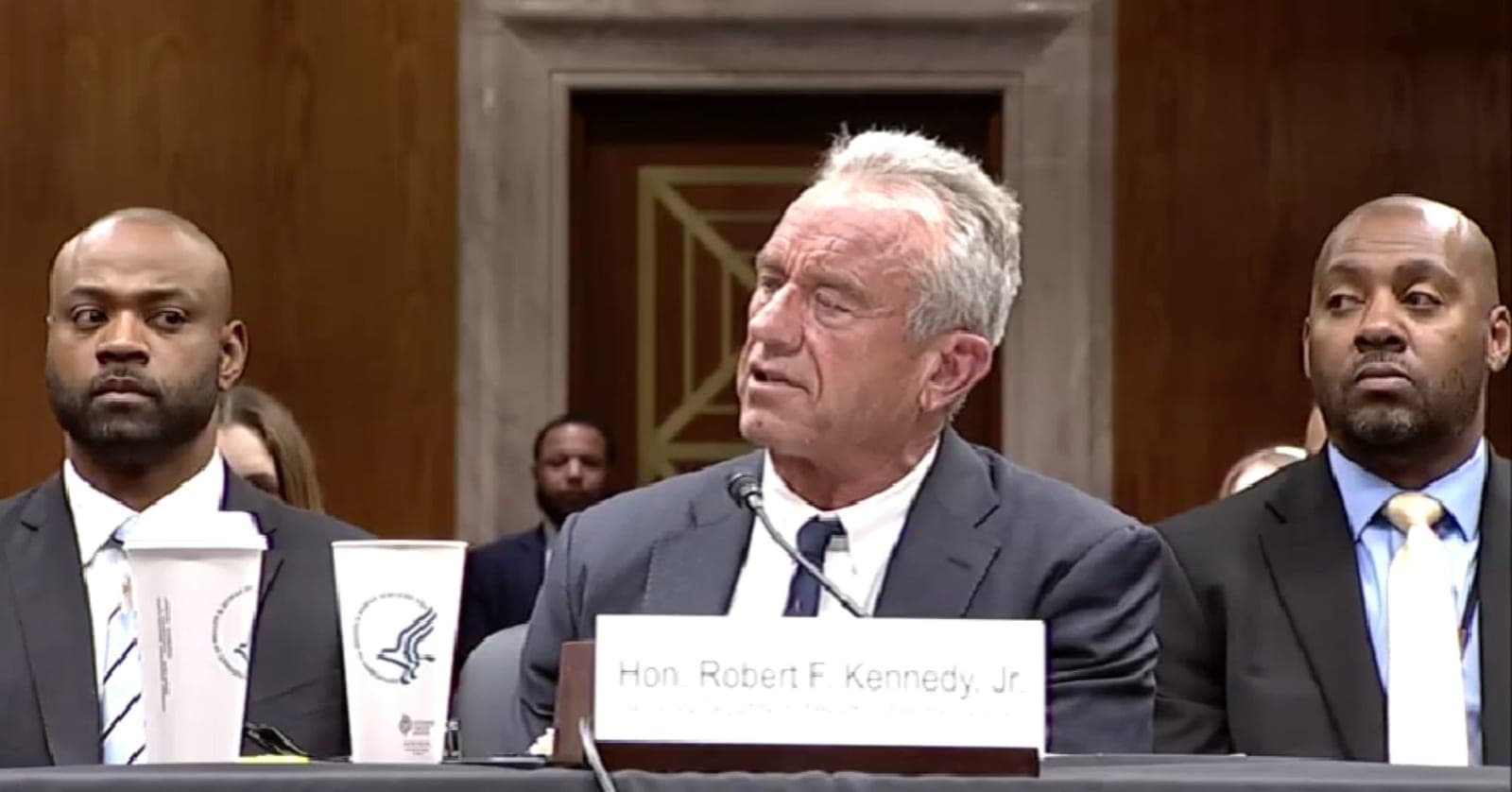
Rounds presses RFK Jr. on ‘real food’ vs. lab-grown meat
U.S. Sen. Mike Rounds of South Dakota pressed Health and Human Services Secretary Robert F. Kennedy Jr. this week on the rise of lab-grown meat products and what role the federal government will play in regulating them. Speaking during a Senate Appropriations subcommittee hearing, Rounds pointed to concerns from farmers and ranchers about cell-cultivated products entering the food supply and being marketed as traditional meat. “Throughout your first year in office, you have made ‘Making America Healthy Again’ and eating ‘real food’ a priority,” said Rounds. “South Dakota farmers and ranchers work tirelessly to produce some of the safest and highest quality products in the world. I have concerns regarding lab-grown cells, or cell-cultivated products, attempting to enter the U.S. food system posing as meat.” Rounds specifically asked whether Kennedy shares those concerns, and how the Department of Health and Human Services, through the Food and Drug Administration, is evaluating the safety of these products. “Do you share my concerns with these ultra-processed, lab-grown fake meat products?” asked Rounds. “With your prioritization of real food, how is HHS, through the FDA, monitoring and evaluating the health and safety of these particular types of products?” Kennedy didn’t hesitate. “I share your concern, Senator,” he said. “I probably have amplified concern. We’re going to exercise FDA’s oversight of them. They’re going to have to get through a lot of skepticism to show that they’re safe.” Rounds also raised questions about products that combine lab-grown animal cells with plant-based ingredients, such as pork fat cells blended with plant protein and sold as “meatballs.” Rounds questioned Kennedy on other issues as well, including the 340B program and the National Institutes of Health. In February, South Dakota Gov. Larry Rhoden has vetoed legislation that would have effectively banned the sale of lab-grown, or cell-cultured, meat in the state — a move that surprised many in cattle country, given the governor’s lifelong background as a Meade County rancher. The post Rounds presses RFK Jr. on ‘real food’ vs. lab-grown meat appeared first on AGDAILY.
Rounds presses RFK Jr. on ‘real food’ vs. lab-grown meat
U.S. Sen. Mike Rounds of South Dakota pressed Health and Human Services Secretary Robert F. Kennedy Jr. this week on the rise of lab-grown meat products and what role the federal government will play in regulating them. Speaking during a Senate Appropriations subcommittee hearing, Rounds pointed to concerns from farmers and ranchers about cell-cultivated products entering the food supply and being marketed as traditional meat. “Throughout your first year in office, you have made ‘Making America Healthy Again’ and eating ‘real food’ a priority,” said Rounds. “South Dakota farmers and ranchers work tirelessly to produce some of the safest and highest quality products in the world. I have concerns regarding lab-grown cells, or cell-cultivated products, attempting to enter the U.S. food system posing as meat.” Rounds specifically asked whether Kennedy shares those concerns, and how the Department of Health and Human Services, through the Food and Drug Administration, is evaluating the safety of these products. “Do you share my concerns with these ultra-processed, lab-grown fake meat products?” asked Rounds. “With your prioritization of real food, how is HHS, through the FDA, monitoring and evaluating the health and safety of these particular types of products?” Kennedy didn’t hesitate. “I share your concern, Senator,” he said. “I probably have amplified concern. We’re going to exercise FDA’s oversight of them. They’re going to have to get through a lot of skepticism to show that they’re safe.” Rounds also raised questions about products that combine lab-grown animal cells with plant-based ingredients, such as pork fat cells blended with plant protein and sold as “meatballs.” Rounds questioned Kennedy on other issues as well, including the 340B program and the National Institutes of Health. In February, South Dakota Gov. Larry Rhoden has vetoed legislation that would have effectively banned the sale of lab-grown, or cell-cultured, meat in the state — a move that surprised many in cattle country, given the governor’s lifelong background as a Meade County rancher. The post Rounds presses RFK Jr. on ‘real food’ vs. lab-grown meat appeared first on AGDAILY.
Bipartisan senators push to protect ag trade ahead of USMCA review
As the U.S.-Mexico-Canada Agreement approaches its first mandatory six-year review, a bipartisan group of senators is emphasizing just how critical the trade pact has become for American agriculture, and why maintaining strong market access must remain a priority. U.S. Sens. Roger Wicker and Cindy Hyde-Smith of Mississippi joined 39 of their colleagues in a letter to U.S. Trade Representative Jamieson Greer, voicing support for the agreement while urging continued engagement with farmers and ranchers during the upcoming review process. “For many states, Canada and Mexico represent the largest and second-largest export markets. The market access achieved under USMCA is a critical component of the success of American agriculture and contributes to our secure food supply chain and to the global competitiveness of U.S. producers,” the senators wrote. That message reflects the real-world stakes for producers across the country. According to the letter, the United States exported $176 billion in agricultural goods in 2024, with Canada and Mexico serving as top destinations for commodities like corn, wheat, and oilseeds. Beyond market access, lawmakers highlighted the importance of stability and predictability for agricultural operations — something they say USMCA has delivered since replacing NAFTA in 2020. “American family farmers and ranchers depend on the certainty afforded by a stable Agreement,” the senators wrote. “The integrated supply chains facilitated by streamlined compliance requirements, effective rules governing food safety measures, and intellectual property protections have allowed the U.S. to build a fortified trading network here in the Western Hemisphere.” Those integrated supply chains are especially important in North America, where agricultural goods often cross borders multiple times during production and processing. The USMCA includes a built-in review every six years, with the first set for July 1, 2026. Lawmakers say that process should strengthen, not disrupt existing trade relationships. “As preparations begin for the upcoming joint review process, we encourage continued engagement with Congress, farmers, and ranchers to ensure the agreement is improved to support U.S. agriculture and maintain strong market access for American producers,” the senators wrote. The letter also calls for enforcement of current rules and action to address lingering trade barriers that disadvantage U.S. producers. For Mississippi, the issue is particularly relevant. Canada and Mexico rank among the state’s leading agricultural export markets, with total exports valued at more than $2.4 billion in recent years, according to USDA estimates cited in the senators’ release. With dozens of senators from both parties signing on, including Sens. Amy Klobuchar and Steve Daines, who spearheaded the effort, the message to trade officials is clear: agriculture must remain front and center as USMCA enters its next phase. The post Bipartisan senators push to protect ag trade ahead of USMCA review appeared first on AGDAILY.
Bipartisan senators push to protect ag trade ahead of USMCA review
As the U.S.-Mexico-Canada Agreement approaches its first mandatory six-year review, a bipartisan group of senators is emphasizing just how critical the trade pact has become for American agriculture, and why maintaining strong market access must remain a priority. U.S. Sens. Roger Wicker and Cindy Hyde-Smith of Mississippi joined 39 of their colleagues in a letter to U.S. Trade Representative Jamieson Greer, voicing support for the agreement while urging continued engagement with farmers and ranchers during the upcoming review process. “For many states, Canada and Mexico represent the largest and second-largest export markets. The market access achieved under USMCA is a critical component of the success of American agriculture and contributes to our secure food supply chain and to the global competitiveness of U.S. producers,” the senators wrote. That message reflects the real-world stakes for producers across the country. According to the letter, the United States exported $176 billion in agricultural goods in 2024, with Canada and Mexico serving as top destinations for commodities like corn, wheat, and oilseeds. Beyond market access, lawmakers highlighted the importance of stability and predictability for agricultural operations — something they say USMCA has delivered since replacing NAFTA in 2020. “American family farmers and ranchers depend on the certainty afforded by a stable Agreement,” the senators wrote. “The integrated supply chains facilitated by streamlined compliance requirements, effective rules governing food safety measures, and intellectual property protections have allowed the U.S. to build a fortified trading network here in the Western Hemisphere.” Those integrated supply chains are especially important in North America, where agricultural goods often cross borders multiple times during production and processing. The USMCA includes a built-in review every six years, with the first set for July 1, 2026. Lawmakers say that process should strengthen, not disrupt existing trade relationships. “As preparations begin for the upcoming joint review process, we encourage continued engagement with Congress, farmers, and ranchers to ensure the agreement is improved to support U.S. agriculture and maintain strong market access for American producers,” the senators wrote. The letter also calls for enforcement of current rules and action to address lingering trade barriers that disadvantage U.S. producers. For Mississippi, the issue is particularly relevant. Canada and Mexico rank among the state’s leading agricultural export markets, with total exports valued at more than $2.4 billion in recent years, according to USDA estimates cited in the senators’ release. With dozens of senators from both parties signing on, including Sens. Amy Klobuchar and Steve Daines, who spearheaded the effort, the message to trade officials is clear: agriculture must remain front and center as USMCA enters its next phase. The post Bipartisan senators push to protect ag trade ahead of USMCA review appeared first on AGDAILY.
Bipartisan senators push to protect ag trade ahead of USMCA review
As the U.S.-Mexico-Canada Agreement approaches its first mandatory six-year review, a bipartisan group of senators is emphasizing just how critical the trade pact has become for American agriculture, and why maintaining strong market access must remain a priority. U.S. Sens. Roger Wicker and Cindy Hyde-Smith of Mississippi joined 39 of their colleagues in a letter to U.S. Trade Representative Jamieson Greer, voicing support for the agreement while urging continued engagement with farmers and ranchers during the upcoming review process. “For many states, Canada and Mexico represent the largest and second-largest export markets. The market access achieved under USMCA is a critical component of the success of American agriculture and contributes to our secure food supply chain and to the global competitiveness of U.S. producers,” the senators wrote. That message reflects the real-world stakes for producers across the country. According to the letter, the United States exported $176 billion in agricultural goods in 2024, with Canada and Mexico serving as top destinations for commodities like corn, wheat, and oilseeds. Beyond market access, lawmakers highlighted the importance of stability and predictability for agricultural operations — something they say USMCA has delivered since replacing NAFTA in 2020. “American family farmers and ranchers depend on the certainty afforded by a stable Agreement,” the senators wrote. “The integrated supply chains facilitated by streamlined compliance requirements, effective rules governing food safety measures, and intellectual property protections have allowed the U.S. to build a fortified trading network here in the Western Hemisphere.” Those integrated supply chains are especially important in North America, where agricultural goods often cross borders multiple times during production and processing. The USMCA includes a built-in review every six years, with the first set for July 1, 2026. Lawmakers say that process should strengthen, not disrupt existing trade relationships. “As preparations begin for the upcoming joint review process, we encourage continued engagement with Congress, farmers, and ranchers to ensure the agreement is improved to support U.S. agriculture and maintain strong market access for American producers,” the senators wrote. The letter also calls for enforcement of current rules and action to address lingering trade barriers that disadvantage U.S. producers. For Mississippi, the issue is particularly relevant. Canada and Mexico rank among the state’s leading agricultural export markets, with total exports valued at more than $2.4 billion in recent years, according to USDA estimates cited in the senators’ release. With dozens of senators from both parties signing on, including Sens. Amy Klobuchar and Steve Daines, who spearheaded the effort, the message to trade officials is clear: agriculture must remain front and center as USMCA enters its next phase. The post Bipartisan senators push to protect ag trade ahead of USMCA review appeared first on AGDAILY.
Missouri Farm Bureau leads multi-state effort to defend property rights in federal appeals court
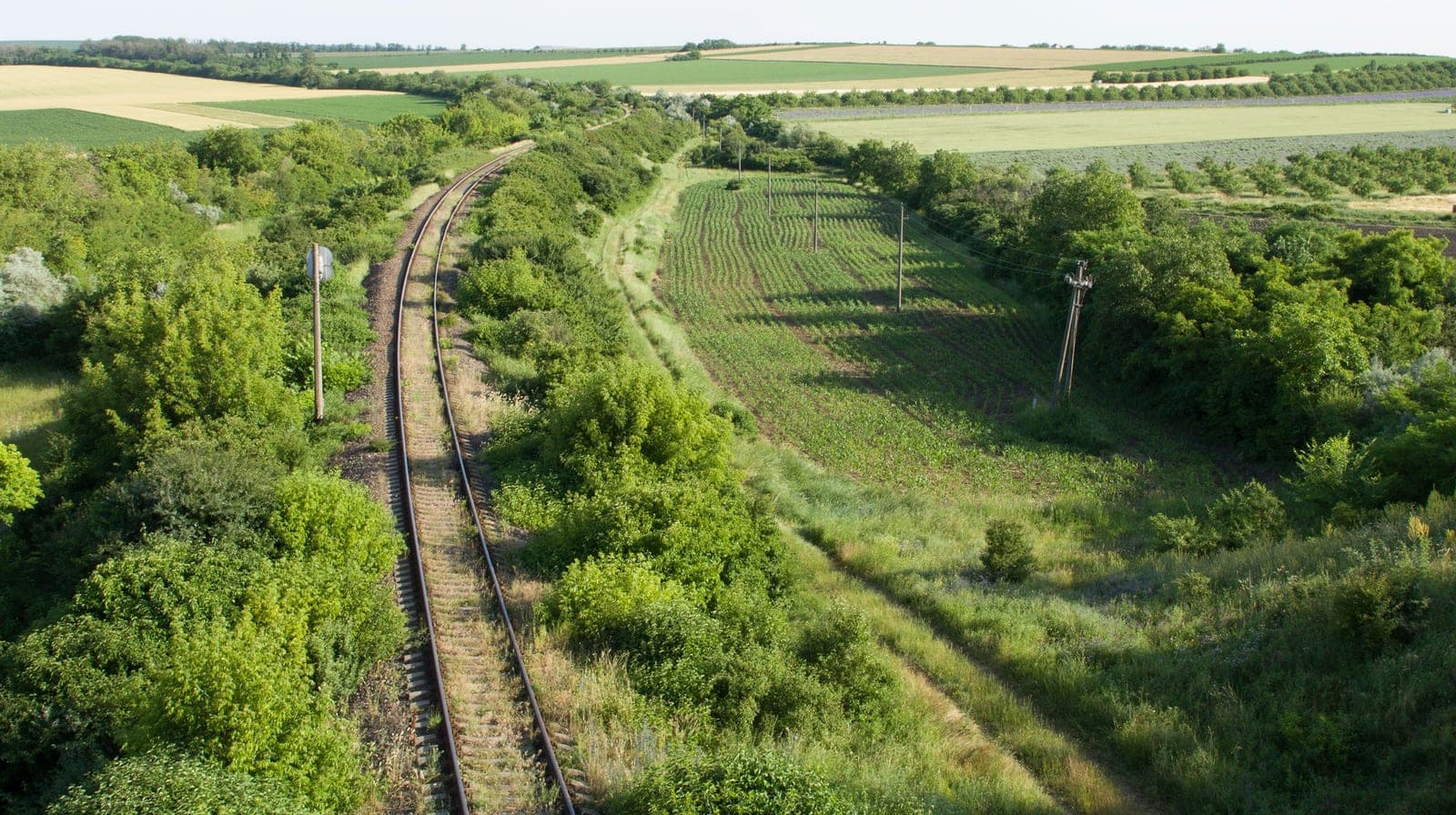
Jefferson City, Missouri — Missouri Farm Bureau and a coalition of state Farm Bureaus and property rights legal foundations across the country have filed an amicus brief in the case of Kotis Associates, LLC v. United States, currently awaiting action in the U.S. Court of Appeals for the Federal Circuit. The case stems from the conversion of a railroad corridor in Greensboro, North Carolina, into a public use trail authorized under the National Trails Systems Act. Under this Act, landowners who own land with a rail line do not have the option to acquire those corridors when they are abandoned. Rather, the rail companies can sell their easement to a third-party trail sponsor for the purpose of converting it to a trail. All without the consent of the landowner. When these takings happen, landowners are entitled to fair compensation. “This case goes to the heart of what ‘just compensation’ means under the Fifth Amendment,” Missouri Farm Bureau President Garrett Hawkins said in comments to AGDAILY. “If the government’s arguments prevail, landowners across the country could be denied the full and fair value of their property when it is taken for public use.” In the Greensboro case, the landowner owns approximately 10 acres of valuable commercial land with the threat of a trail sponsor constructing a public trail through the property. In a comprehensive ruling recognizing the harm of the taking to the landowner, the court in April 2025 awarded more than $40 million in just compensation, in addition to interest. However, the federal government has appealed that decision, looking to claw back fair compensation to the landowner, challenging long-standing principles of takings law. The amicus brief provides examples lived experiences of landowners across the nation that have fallen victim to the unfair consequences of railroad corridors being converted to public-use trails. The brief also sets out the fact that, because railroad rights-of-way burden so much farmland, the decision the Appellate Court makes would have a significant impact for landowners across the country, creating important legal precedent. The organizations that have signed-on to the amicus brief include: Missouri Farm Bureau Federation, Illinois Agricultural Association, Idaho Farm Bureau Federation, Oregon Farm Bureau Federation, Ohio Farm Bureau Federation, Wyoming Farm Bureau, Pacific Legal Foundation, and Mountain States Legal Foundation. As organizations representing thousands of landowners, the participating amici share a strong interest in ensuring that federal takings are conducted with fairness, transparency, and meaningful protections for property owners. Image via Justia Missouri Farm Bureau has been a leader on this issue for decades, and has long-asserted that landowners’ rights should be at the forefront of these discussions — rather than being treated as an obstacle or an afterthought. MOFB worked with U.S. Rep. Sam Graves (R-Mo.) to introduce the Rails to Trails Landowner Rights Act, which would address longstanding programmatic issues impacting landowners and install specific requirements for the use of an abandoned railway right-of-way. “This is not just about one case or one type of land use,” Hawkins added. “This is about ensuring that every landowner, farmer, rancher, or small business owner is treated fairly when their property is taken.” As the nation’s largest advocate for farmers, ranchers, and rural communities, Farm Bureau is uniquely positioned to highlight the importance of strong, predictable takings law to economic investment, responsible land stewardship, and the vitality of rural America. “Property rights are foundational to everything we do,” Hawkins said. “This brief ensures that the voices of landowners are heard loud and clear before the court.” The post Missouri Farm Bureau leads multi-state effort to defend property rights in federal appeals court appeared first on AGDAILY.

Rodeo vibes help kick off USDA ‘Product of the USA’ campaign
Today, U.S. Secretary of Agriculture Brooke Rollins announced the launch of a national public awareness campaign to inform meat, poultry, and egg producers of the “Product of USA” voluntary labeling standard, which went into effect on January 1, 2026, and increases consumer understanding of what the label means. Part of the campaign’s launch includes a video posted on the U.S. Department of Agriculture’s social media. While the push is being celebrated by R-CALF USA and United States Cattlemen’s Association, rodeo athletes open — and dominate — the video along with a brief entrance by Gatlin Didier and Granny. (Perhaps the USDA thinks rodeo sells the vibe, while producers are simply reality?) “Our great patriot ranchers and producers grow, raise, and harvest the world’s safest, most affordable, and abundant food supply. American consumers want to support America by buying American, and this label will strengthen our food supply chain through transparency, fairness, and trust,” Rollins said. “This new standard policy ensures producers who invest in a fully American supply chain can compete fairly, and it gives consumers the confidence they deserve about the food they bring home.” Under this standard, the “Product of USA” label is reserved exclusively for meat, poultry, and egg products from animals that were born, raised, harvested, and processed in the United States. The claim is voluntary, but companies using it must meet this transparent and verifiable requirement. The USDA says that this ends the prior practice, which allowed imported products to carry the claim after minimal domestic processing, and that it strengthens consumer confidence by aligning with what Americans expect and demand. “When we choose to purchase from American producers, we get a superior product while supporting the hardworking family farms who put it all on the line every day to feed, clothe, and fuel our nation,” said Small Business Administration head Kelly Loeffler. “Amid President Trump’s work to end years of unfair competition and eliminate the massive red tape that has crushed domestic agriculture, Made in America is finally making a comeback. Today, on National Agriculture Day, I urge all Americans to join me in support of the hardworking farmers and ranchers who anchor the U.S. food supply chain that is so vital to keeping our nation strong, safe, and healthy.” “Our farmers and ranchers are essential to putting real food back at the center of the American plate and delivering on the Dietary Guidelines for Americans,” said Robert F. Kennedy Jr., secretary of Health and Human Services. “ ‘Product of the USA’ labeling puts American producers first, gives families clear, honest information, and empowers them to choose food raised right here at home.” “U.S. producers are the best in the world, and produce the highest-quality products,” said North Dakota Sen. John Hoeven. “A ‘Product of USA’ label benefits our ranchers and provides transparency and confidence for consumers. We appreciate Secretary Rollins and the Trump administration for their efforts to support our farmers, ranchers and rural communities.” Since 2017, the United States has lost over 17 percent of family farms, more than 100,000 operations over the last decade. The national herd is at a 75-year low while consumer demand for beef has grown 9 percent over the past decade. In October 2025, Secretary Rollins released the USDA Plan to Fortify the American Beef Industry that focuses on rebuilding domestic capacity, improving transparency across the supply chain, and ensuring U.S. ranchers can compete on a level playing field. The post Rodeo vibes help kick off USDA ‘Product of the USA’ campaign appeared first on AGDAILY.
North Dakota diversion project dials up the discord in Missouri River Basin states
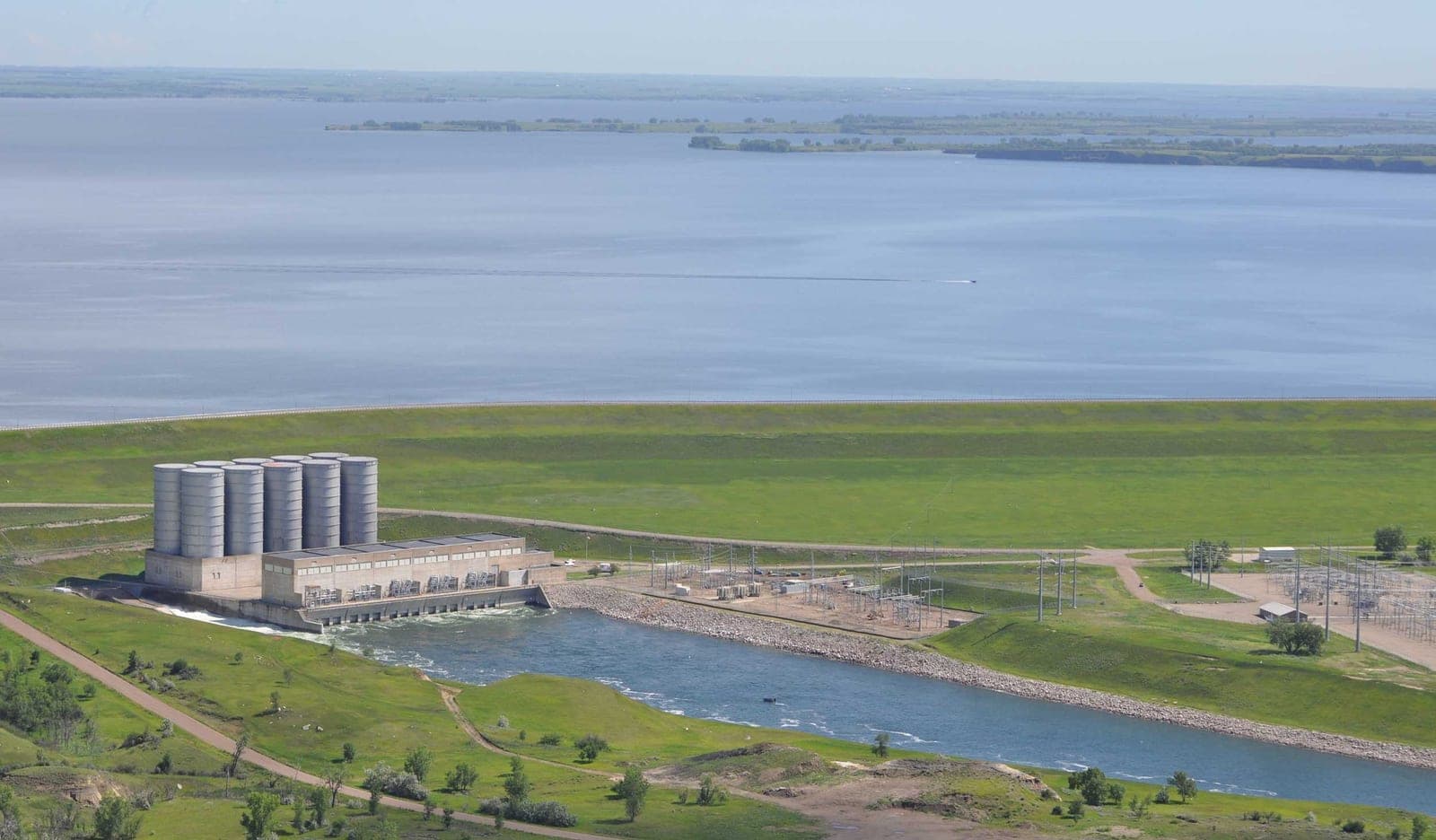
Stakeholders in Missouri and North Dakota see this as the latest step in decades of conflict over the river’s resources. The Missouri River Basin, a cornerstone of agricultural production across its many connected states, has been the source of decades’ worth of litigation, usage conflicts, and public posturing between localities comprising the upper basin and those in the lower basin. Though agricultural water access is the most universal factor among the basin states, the Missouri River’s added roles in recreation, flood control, and navigation amplify these disputes. And at 2,341 miles, it is the longest river in the United States. The friction has been intensifying in recent weeks, however, particularly between Missouri and North Dakota over a federal appropriations bill, recently passed by Congress, earmarking $50 million to the state of North Dakota to complete a project that will redirect some of the Missouri River Basin water into the eastern part of the state. This project, known as the Eastern North Dakota Alternate Water Supply Project, has been on the books for decades, and $50 million is a relatively small financial slice of it, but the infusion of this funding has renewed debates, solidified economic positions, and led to a back-and-forth of vigorous media outreach. Amid their differences, what both sides do agree on is that they are not communicating with each other effectively. Most notable — and perhaps central to the conflict — is that eastern North Dakota sits across a continental divide and is part of the Hudson Bay drainage via the Red River. This has prompted lower-basin stakeholders to sound alarms about the rippling impact this kind of project, which would take water out of the Missouri River Basin, could have on downriver navigation, namely the 734 miles between Sioux City, Iowa, and St. Louis, Missouri, that are used by commercial barges. This is a vital corridor for the nation’s grains and soybeans. During periods of low water, the Missouri River can supply 70 percent or more of the flow to the middle Mississippi River. On average, 65 million metric tons of bulk agricultural commodities move by barge through this system to New Orleans-area terminals “Taking water away from Missouri farmers to send it to Canada, particularly right now, is not a great use of Missouri River water,” said Kurt Schaefer, director of the Missouri Department of Natural Resources. “It is really an existential threat to a lot of industry and agriculture in the state of Missouri.” As recently as Wednesday, North Dakota U.S. Sen. John Hoeven introduced legislation to add $404 million in funding for this project and hundreds of millions more in other areas. The upper basin includes at least portions of Colorado, Montana, North Dakota, South Dakota, and Wyoming. Much of the thrust related to water resources is tied to the Flood Control Act of 1944 (commonly referred to as the Pick-Sloan Act), a legislative act that approved a general comprehensive plan for the conservation, control, and use of resources in the entire basin through the U.S. Army Corps of Engineers. Prior to the act, major flooding in the upper states happened nearly every other year, said Ken Royse, a North Dakota resident with the Missouri River Joint Water Board. Pick-Sloan spurred the creation of five dams, including North Dakota’s Garrison Dam, the largest such project that created Lake Sakakawea, a reservoir with nearly 500 square miles. Yet while that original project promised 1.2 million acres of irrigation in North Dakota, subsequent federal legislation has reduced that number drastically. Garrison Dam at Lake Sakakawea in North Dakota (Image courtesy of North Dakota Water Resources) North Dakota leaders note that Pick-Sloan forced the state to sacrifice half a million acres of highly productive farmland — land that held significant economic and tribal cultural value — to support federal flood control, navigation, and hydropower objectives that benefit the entire basin. Reice Haase, director of the North Dakota Department of Water Resources, says that too many elements of Pick-Sloan have gone unfulfilled for decades, including a multipurpose water project to irrigate farmland, provide municipal water, and improve water quality in the Red River. In turn, North Dakota has poured hundreds of millions of state dollars into what Haase calls “strategic and responsible” water projects that have attempted to compensate for the Pick-Sloan gaps. He argues that Missouri is wrong to challenge how his state’s water resources are being directed, even if they cross the continental divide. “Water within the borders of North Dakota belongs to the state of North Dakota — to suggest otherwise defies both common sense and the foundational principles of state sovereignty,” Haase wrote in a letter sent to AGDAILY. “Defending and putting our water to beneficial use is not an act of hostility toward downstream states. Rather, it is a responsibility to the people we serve, a responsibility we will continue to defend in full exercise of our state’s sovereignty.” He adds that North Dakota uses only about six-tenths of 1 percent of the water that flows through the state, a negligible volume in the context of the entire river system, which aims to maintain a flow of 30,000 to 35,000 cubic feet per second in Sioux City and Omaha, where navigation begins to be possible. “If we were looking at this as an isolated incident or isolated project, that number probably isn’t big enough to get concerned about,” Shane Kinne, executive director of the Coalition to Protect the Missouri River, said during an interview. “But it’s not the only project. North Dakota has another project that’s in the process as well, and there’s no framework as an entire basin to manage how much water we’re going to move out of the basin. The concern is the precedent.” Kinne is urging lower-basin states — Iowa, Kansas, Missouri, and Nebraska — to take this new project seriously, calling North Dakota’s strategy “short-sighted” and dangerous to livelihoods downstream. The agricultural impact of the divide Lower basin states are concerned about losing river water through the navigable portions of the Missouri River because the river operates on a standard 9-foot depth, with drafts typically being around 8.5 feet. Draft indicates the vertical distance between the waterline and the lowest point of a boat’s hull or keel. Were the river to be at lower levels and requiring a smaller draft, then barges wouldn’t be able to be loaded to capacity, making it less economically efficient to use the waterway for transporting agricultural products and other goods. “The price per unit cost is what’s impacted. The margins are just so thin that the price per bushel of moving soybeans out at a 9-foot depth makes a ton of sense, but at an 8.5-foot depth or less, rails or trucks all of a sudden may be a better option because of that price per unit,” explained Kinne, whose organization represents downstream interests. “Barge lines charge the same rate no matter how full they can get.” Barge traffic along the Missouri River (Image courtesy of the Coalition to Protect the Missouri River) Royse at the Missouri River Joint Water Board, however, spoke at length about “consumptive” uses of the water taking priority over other uses, noting that navigation is a nonconsumptive use. He pointed out that the original Pick-Sloan Act specifically states that navigation shall be considered when it “does not conflict with any beneficial consumptive use” around the basin. “The navigation argument doesn’t fly because the 1944 act states that navigation cannot interfere with the comfort or beneficial use of any state,” Royse said. Yet in the modern era and the growth of international trade, it’s clear that navigation has far more leverage than it did in 1944, and drought years make it difficult to reach the 35,000 cubic feet per second so many people desire. Last month at the Missouri River Navigators Meeting, which brings together about 100 people from the basin’s navigation community, slides showed that nearly two-thirds of the basin was experiencing drought conditions and that current snowpack in places such as Fort Peck, Montana, and en route to Garrison, North Dakota, were about four-fifths their historical averages. The meeting’s attendees “are interested in the navigation piece as far as getting fertilizer upriver during the spring but also ag products out as well during harvest season,” Kinne said. Slide courtesy of the U.S. Army Corps of Engineers The meeting’s theme focused on improvements to navigation on the lower river thanks to investments from the federal government. Kinne said that economic factors as well as issues related to endangered species have impacted the shipping industry in recent decades and contributed to a steady decline in the channel’s infrastructure. Unlike many inland rivers, the lower Missouri River is a self-scouring river, utilizing a series of dikes that extend into the river and revetments that push the water into the middle of the river to help keep the channel open. Between the upper and lower basins, “We have an issue of mixed priorities. Even from the federal government, they’re investing dollars in this end of the river to make it more resilient while also authorizing projects in the Dakotas that are making the river less resilient,” Kinne said, referencing $469 million in resiliency projects spent over the past five years on the dikes and other stone structures in the lower sections. “That’s concerning as we move into another year of tight water supply on the lower Missouri, where 6 inches of draft on a boat can make the difference of whether it’s economical to move soybeans out of the state by barge or by train.” This impacts the farming community through competition from transportation companies, which have already been disrupted after a year of fluctuating international trade policy and tariff pricing. Lower water levels also affect irrigation plans that can contribute to runoff of fertilizers and crop protection products, as well as contributing to brownouts through decreased hydroelectric activity. “This gets back to that fight that goes on constantly in the operation of the master manual,” said Schaefer, referring to the Army Corps of Engineers’ Missouri River Master Water Control Manual. “They [North Dakota] have really set their priorities being recreation in the reservoirs as opposed to transportation.” Through the Eastern North Dakota Alternate Water Supply Project, what North Dakota wants “is not river management — this is depleting the river in a way that has not been done before,” he added. Crisis of communication “A lot of it stems from lack of communication and misunderstanding. From North Dakota’s perspective, we want to use the waters that are within the borders of our state,” Haase said. “But because it crosses that continental divide, that’s what gets Missouri concerned. But it’s our water; it’s within our state. We have every right to use it.” One reason the states are unable to reach an accord is because they operate under two differing sets of rights related to water. Missouri, along with other Midwest states, operates under riparian rights, meaning that landowners have the legal right to use water that is within or adjacent to their property, as long as that use is understood to be reasonable. North Dakota, on the other hand, aligns with Western states that have appropriated use water laws, where ownership of the water is separate from the land. Instead, water rights function through a robust permitting process, which includes demonstrating beneficial uses without negatively impacting others. Aerial view of the Missouri River (Image by Kent Raney, Shutterstock) The two approaches equate to very different thinking when it comes to how water resources are utilized, particularly when Missouri is concerned about water leaving the basin entirely, albeit staying within North Dakota’s borders. “That’s a harder thing in riparian states for us to understand,” Schaefer noted, “because you’re not using it reasonably if you’re taking it away completely. We’re very concerned about that, especially using federal dollars to accomplish it.” Everyone interviewed on this topic expressed a strong desire to get tangible conversations going, even if they haven’t been able to functionally make them happen in an official capacity. Current efforts resulted in op-eds that have been published in AGDAILY and mainstream media outlets, as well as a lot of finger-pointing — North Dakota blames Missouri for being reluctant to collaborate and communicate, while Missouri said the same about North Dakota. “It’s obviously a complicated topic,” Haase said. But at the moment, no breakthrough in discussions appears imminent. Ryan Tipps is the founder and managing editor of AGDAILY. The Indiana native has a master’s degree in Agriculture and Life Sciences from Virginia Tech and has covered the food and farming industries at the state and national levels since 2011. The post North Dakota diversion project dials up the discord in Missouri River Basin states appeared first on AGDAILY.