Bills · SRES 652
PASSED SENATE· 119TH CONGRESS
Senate Res.SRES 652Diplomacy, foreign officials, Americans abroadJapan
A resolution recognizing the importance of the United States-Japan Alliance and welcoming the visit of Prime Minister Takaichi Sanae to the United States.
INTRO MAR 19· LAST ACTION MAR 19
READING
11MIN
COSPONSORS
9BIPARTISAN
READER REACTIONS0 TOTAL
NO VOTES YET · BE THE FIRST
- Non-binding
LEGISLATIVE PROGRESS
STEP 4 / 8Introduced
In Committee
Reported
Passed Senate
Passed House
Conference
To President
Became Law
WHAT THE BILL DOES
AI-writtenVoters should care about this resolution because it reaffirms a critical international alliance that directly impacts U.S. national security and economic prosperity. The U.S.-Japan alliance is seen as a key counterbalance to instability in a vital global region, contributing to global peace and trade routes.
If this resolution becomes law (it's a resolution, so it expresses sentiment, not legally binding law), it reinforces the commitment of the U.S. Senate to the alliance, providing diplomatic support and a clear message to allies and adversaries alike. If it didn't pass, it could signal a lack of unity or commitment from the U.S. government, potentially weakening trust with Japan and increasing uncertainty in a strategically important part of the world, affecting everything from trade to military stability.
KEY PROVISIONS
5AI-extractedPROVISION 01
Formally recognizes the United States-Japan Alliance as a cornerstone of peace, security, and prosperity in the Indo-Pacific region.
This statement signals strong, bipartisan support for a key international partnership critical for regional stability and global trade.
PROVISION 02
Welcomes the visit of Prime Minister Takaichi Sanae to the United States and acknowledges her historic election as Japan's first female prime minister.
It offers a diplomatic welcome to a major ally's leader, reinforcing goodwill and recognizing a significant moment in Japan's political history.
PROVISION 03
Highlights deepened defense cooperation, Japan's increased defense spending, and its commitment to collective self-defense.
This underscores Japan's growing role in shared security responsibilities and strengthens the collective deterrence against regional threats.
PROVISION 04
Emphasizes the significant economic relationship, including Japan's status as a major trading partner and the largest foreign investor in the U.S.
Recognizing economic ties highlights mutual benefits in job creation, trade, and securing critical supply chains for both nations.
PROVISION 05
Notes the importance of the trilateral relationship among the United States, Japan, and the Republic of Korea for regional security and prosperity.
This acknowledges a crucial expanded partnership for addressing complex regional challenges and promoting shared values.
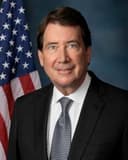
SPONSORSHIP
1 + 9
R· Tennessee
YRS IN OFFICE
5
BILLS LED
27
COSPONSOR BREAKDOWNBIPARTISAN · 88%
DEM 4 REP 5 IND 0
ACTION TIMELINE
2 EVENTSMAR 19
Passed/agreed to in Senate: Submitted in the Senate, considered, and agreed to without amendment and with a preamble by Unanimous Consent.
MAR 19
Submitted in the Senate, considered, and agreed to without amendment and with a preamble by Unanimous Consent. (consideration: CR S1357; text: CR S1381-1382)
BILL INFO
TypeSenate Resolution
NumberSRES 652
Congress119th
StatusPassed Senate
IntroducedMar 19, 2026
Last actionMar 19, 2026
READER REACTIONS
OVERALL SENTIMENT
No reactions yet. Be the first to weigh in.
Discussion
Loading comments...
PASSED SENATE· 119TH CONGRESS · SENATE · INTRODUCED MAR 19, 2026
Senate Res.SRES 652Diplomacy, foreign officials, Americans abroadJapan
A resolution recognizing the importance of the United States-Japan Alliance and welcoming the visit of Prime Minister Takaichi Sanae to the United States.
INTRODUCED MAR 19, 2026· LAST ACTION MAR 19, 2026
PASSAGE CHANCES
—%
READING
11 min
COSPONSORS
9
COMPLEXITY
Moderate