Bills · SRES 472
IN COMMITTEE· 119TH CONGRESS
Senate Res.SRES 472International Affairs
A resolution supporting the designation of October 30 as the "International Day of Political Prisoners".
INTRO OCT 29· LAST ACTION OCT 29
READING
2MIN
COSPONSORS
2
READER REACTIONS0 TOTAL
NO VOTES YET · BE THE FIRST
- Non-binding
LEGISLATIVE PROGRESS
STEP 2 / 8Introduced
In Committee
Reported
Passed Senate
Passed House
Conference
To President
Became Law
WHAT THE BILL DOES
AI-writtenThis resolution matters because it's a formal statement from a branch of the U.S. government emphasizing its commitment to human rights and democratic values on a global scale. While it doesn't create new laws or directly allocate funds, a Senate resolution can carry significant symbolic weight in diplomacy and public discourse. It signals to other countries, human rights organizations, and the American public that the U.S. Senate considers the plight of political prisoners a serious concern.
If this resolution is adopted, it formalizes the Senate's support for ongoing U.S. government efforts to advocate for political prisoners and promotes a specific day for international recognition. This could bolster diplomatic negotiations, encourage greater public engagement on the issue, and potentially put more pressure on authoritarian regimes. If it doesn't pass, the U.S. government would still likely continue its human rights advocacy, but without this specific, unified endorsement and ceremonial recognition from the Senate.
KEY PROVISIONS
5AI-extractedPROVISION 01
Deplores all forms of political repression and imprisonment.
This provision clearly states the Senate's condemnation of actions that violate basic human rights.
PROVISION 02
Conveys unwavering solidarity with those imprisoned for peacefully expressing beliefs.
It sends a message of support and empathy to political prisoners and their advocates globally.
PROVISION 03
Supports U.S. government efforts to condemn political imprisonment and secure releases.
This reinforces and encourages the Executive Branch's diplomatic and advocacy work on this human rights issue.
PROVISION 04
Urges the U.S. government to continue these efforts in the future.
It calls for a sustained commitment from the U.S. government to address the issue of political prisoners.
PROVISION 05
Supports the annual designation of October 30 as the "International Day of Political Prisoners."
This provision establishes a specific day for remembrance and awareness, drawing international attention to the issue.
SPONSORSHIP
1 + 2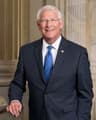
R· Mississippi
YRS IN OFFICE
31
BILLS LED
46
COSPONSOR BREAKDOWNBIPARTISAN · 0%
DEM 2 REP 0 IND 0
ACTION TIMELINE
2 EVENTSOCT 29
Introduced in Senate
OCT 29
Referred to the Committee on Foreign Relations. (text: CR S7829)
BILL INFO
TypeSenate Resolution
NumberSRES 472
Congress119th
StatusIn Committee
IntroducedOct 29, 2025
Last actionOct 29, 2025
READER REACTIONS
OVERALL SENTIMENT
No reactions yet. Be the first to weigh in.
Discussion
Loading comments...
IN COMMITTEE· 119TH CONGRESS · FOREIGN RELATIONS COMMITTEE · INTRODUCED OCT 29, 2025
Senate Res.SRES 472International Affairs
A resolution supporting the designation of October 30 as the "International Day of Political Prisoners".
INTRODUCED OCT 29, 2025· LAST ACTION OCT 29, 2025
PASSAGE CHANCES
—%
READING
2 min
COSPONSORS
2
COMPLEXITY
Moderate