Bills · SRES 36
IN COMMITTEE· 119TH CONGRESS
Senate Res.SRES 36Environmental Protection
A resolution expressing the sense of the Senate that the United States, States, cities, Tribal nations, businesses, institutions of higher education, and other institutions in the United States should work toward achieving the goals of the Paris Agreement.
INTRO JAN 24· LAST ACTION JAN 24
READING
7MIN
COSPONSORS
22
READER REACTIONS0 TOTAL
NO VOTES YET · BE THE FIRST
- Non-binding
LEGISLATIVE PROGRESS
STEP 2 / 8Introduced
In Committee
Reported
Passed Senate
Passed House
Conference
To President
Became Law
WHAT THE BILL DOES
AI-writtenVoters should care about this resolution because it indicates the U.S. Senate's collective stance on climate change and international climate agreements. While it doesn't create new laws, a 'sense of the Senate' resolution can signal political priorities and encourage various levels of government and private organizations to align their actions with its expressed sentiment. If this resolution becomes law, it means the Senate has formally gone on record supporting the Paris Agreement's goals and encouraging broad participation.
If it doesn't become law, the Senate would not have made this formal statement of support. This would leave less clarity on the Senate's unified position regarding the Paris Agreement and might offer less encouragement for non-federal entities to pursue its goals. It connects to real issues by highlighting the ongoing debate about climate action, the role of international agreements, and the balance between federal guidance and local initiative in addressing environmental challenges and promoting economic opportunities in clean energy.
KEY PROVISIONS
3AI-extractedPROVISION 01
The resolution states the Senate's belief that a wide array of U.S. entities, including federal, state, local, and private organizations, should work towards achieving the goals of the Paris Agreement.
This establishes the Senate's formal position that climate action aligned with the Paris Agreement is important and should be broadly pursued.
PROVISION 02
It highlights scientific findings on climate change, emphasizing that human activity is the primary cause and that rapid emission reductions are necessary to avoid severe impacts and limit global warming to 1.5 degrees Celsius.
This grounds the resolution's call to action in scientific evidence, underscoring the urgency of addressing climate change.
PROVISION 03
The resolution acknowledges existing efforts by states, cities, and businesses to adopt clean energy goals and reduce emissions, as well as the economic benefits and job creation associated with clean energy investments.
This recognizes the progress already made and reinforces the idea that climate action can lead to economic growth and new jobs.
SPONSORSHIP
1 + 22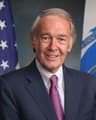
D· Massachusetts
YRS IN OFFICE
51
BILLS LED
164
COSPONSOR BREAKDOWNBIPARTISAN · 0%
DEM 21 REP 0 IND 1
ACTION TIMELINE
2 EVENTSJAN 24
Introduced in Senate
JAN 24
Referred to the Committee on Foreign Relations. (text: CR S372-373)
BILL INFO
TypeSenate Resolution
NumberSRES 36
Congress119th
StatusIn Committee
IntroducedJan 24, 2025
Last actionJan 24, 2025
READER REACTIONS
OVERALL SENTIMENT
No reactions yet. Be the first to weigh in.
Discussion
Loading comments...
IN COMMITTEE· 119TH CONGRESS · FOREIGN RELATIONS COMMITTEE · INTRODUCED JAN 24, 2025
Senate Res.SRES 36Environmental Protection
A resolution expressing the sense of the Senate that the United States, States, cities, Tribal nations, businesses, institutions of higher education, and other institutions in the United States should work toward achieving the goals of the Paris Agreement.
INTRODUCED JAN 24, 2025· LAST ACTION JAN 24, 2025
PASSAGE CHANCES
—%
READING
7 min
COSPONSORS
22
COMPLEXITY
Moderate