Bills · SRES 165
IN COMMITTEE· 119TH CONGRESS
Senate Res.SRES 165Armed Forces and National Security
A resolution expressing the sense of the Senate that the plan of President Trump and Elon Musk to fire 83,000 employees of the Department of Veterans Affairs is unacceptable and must be rescinded.
INTRO APR 9· LAST ACTION APR 9
READING
1MIN
COSPONSORS
0
READER REACTIONS0 TOTAL
NO VOTES YET · BE THE FIRST
- Non-binding
LEGISLATIVE PROGRESS
STEP 2 / 8Introduced
In Committee
Reported
Passed Senate
Passed House
Conference
To President
Became Law
WHAT THE BILL DOES
AI-writtenVoters should care about this bill because it shines a spotlight on a significant potential issue concerning the Department of Veterans Affairs, which is critical for providing care and benefits to millions of U.S. veterans. Even though this resolution isn't legally binding, it represents a strong statement from a branch of Congress against a proposed action that could drastically alter the VA's ability to serve veterans.
If the proposed job cuts were to proceed without such a resolution, there might be less public and political pressure against them. By passing this resolution, the Senate indicates its opposition, which could influence public debate, administrative decisions, or future legislative efforts related to VA staffing and services. For voters, it highlights a debate over the size and capacity of the federal workforce dedicated to veterans' support and signals how some in government view potential reductions.
KEY PROVISIONS
3AI-extractedPROVISION 01
Expresses the Senate's official opinion that a plan to fire 83,000 employees of the Department of Veterans Affairs (VA) is unacceptable.
This provision clearly communicates the Senate's strong disapproval of a significant proposed workforce reduction at the VA.
PROVISION 02
Calls for the Department of Veterans Affairs to immediately reject and cancel its proposed "Agency Reduction in Force and Reorganization Plan."
This is the specific action the Senate urges the VA to take, aiming to prevent the job cuts from happening.
PROVISION 03
Clarifies that this is a 'sense of the Senate' resolution.
This indicates that the resolution is a statement of opinion and does not carry the force of law or legally compel action.
SPONSORSHIP
1 + 0
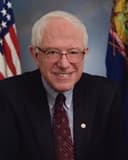
I· Vermont
YRS IN OFFICE
35
BILLS LED
56
ACTION TIMELINE
2 EVENTSAPR 9
Introduced in Senate
APR 9
Referred to the Committee on Veterans' Affairs. (text: CR S2528)
BILL INFO
TypeSenate Resolution
NumberSRES 165
Congress119th
StatusIn Committee
IntroducedApr 9, 2025
Last actionApr 9, 2025
READER REACTIONS
OVERALL SENTIMENT
No reactions yet. Be the first to weigh in.
Discussion
Loading comments...
IN COMMITTEE· 119TH CONGRESS · VETERANS' AFFAIRS COMMITTEE · INTRODUCED APR 9, 2025
Senate Res.SRES 165Armed Forces and National Security
A resolution expressing the sense of the Senate that the plan of President Trump and Elon Musk to fire 83,000 employees of the Department of Veterans Affairs is unacceptable and must be rescinded.
INTRODUCED APR 9, 2025· LAST ACTION APR 9, 2025
PASSAGE CHANCES
—%
READING
1 min
COSPONSORS
0
COMPLEXITY
Moderate