Bills · SRES 103
IN COMMITTEE· 119TH CONGRESS
Senate Res.SRES 103International Affairs
A resolution condemning the rejection by the United States of a United Nations resolution condemning the illegal invasion of Ukraine by the Russian Federation.
INTRO FEB 27· LAST ACTION FEB 27
READING
1MIN
COSPONSORS
4
READER REACTIONS0 TOTAL
NO VOTES YET · BE THE FIRST
- Non-binding
LEGISLATIVE PROGRESS
STEP 2 / 8Introduced
In Committee
Reported
Passed Senate
Passed House
Conference
To President
Became Law
WHAT THE BILL DOES
AI-writtenVoters should care about this resolution because it highlights a potential division within the U.S. government concerning its approach to international diplomacy and its role in addressing global conflicts. If the U.S. rejects a UN resolution that condemns an invasion, it can be seen as weakening international efforts to hold aggressor nations accountable or as a shift in U.S. foreign policy principles.
This matters because the U.S.'s stance in international bodies like the UN directly influences global relations, alliances, and the effectiveness of efforts to resolve conflicts. If this resolution passes, it formally registers the Senate's disapproval of a specific U.S. diplomatic move, potentially pressuring the administration to reconsider future actions. If it does not pass, this specific criticism of the U.S.'s UN vote would not become an official statement from the Senate.
KEY PROVISIONS
3AI-extractedPROVISION 01
The Senate formally condemns the United States' decision to reject a specific United Nations General Assembly resolution from 2025.
This highlights a significant disagreement within the U.S. government regarding its foreign policy and diplomatic actions.
PROVISION 02
The resolution specifies that the rejected UN resolution was titled 'Advancing a comprehensive, just and lasting peace in Ukraine' and condemned Russia's illegal invasion.
This makes the Senate's criticism directly tied to a concrete international event and the ongoing conflict in Ukraine.
PROVISION 03
It reaffirms the Senate's position that the Russian Federation's actions in Ukraine since 2014 and 2022 constitute an illegal invasion.
This reiterates the Senate's consistent stance on the conflict itself, separate from its criticism of U.S. diplomatic action.
SPONSORSHIP
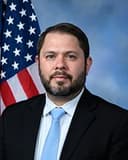
1 + 4
D· Arizona
YRS IN OFFICE
11
BILLS LED
61
COSPONSOR BREAKDOWNBIPARTISAN · 0%
DEM 4 REP 0 IND 0
ACTION TIMELINE
2 EVENTSFEB 27
Introduced in Senate
FEB 27
Referred to the Committee on Foreign Relations. (text: CR S1433)
BILL INFO
TypeSenate Resolution
NumberSRES 103
Congress119th
StatusIn Committee
IntroducedFeb 27, 2025
Last actionFeb 27, 2025
READER REACTIONS
OVERALL SENTIMENT
No reactions yet. Be the first to weigh in.
Discussion
Loading comments...
IN COMMITTEE· 119TH CONGRESS · FOREIGN RELATIONS COMMITTEE · INTRODUCED FEB 27, 2025
Senate Res.SRES 103International Affairs
A resolution condemning the rejection by the United States of a United Nations resolution condemning the illegal invasion of Ukraine by the Russian Federation.
INTRODUCED FEB 27, 2025· LAST ACTION FEB 27, 2025
PASSAGE CHANCES
—%
READING
1 min
COSPONSORS
4
COMPLEXITY
Moderate