Bills · SJRES 182
IN COMMITTEE· 119TH CONGRESS
Senate Joint Res.SJRES 182Department of EducationStudent aid and college costs
A joint resolution providing for congressional disapproval under chapter 8 of title 5, United States Code, of the rule submitted by the Department of Education relating to "William D. Ford Federal Direct Loan (Direct Loan) Program".
This resolution uses the Congressional Review Act to nullify a Department of Education rule regarding the federal student loan program.AI-written
INTRO APR 13· LAST ACTION MAY 20
PASSAGE CHANCESLONG SHOT
10%
READING
2MIN
COSPONSORS
33
READER REACTIONS0 TOTAL
NO VOTES YET · BE THE FIRST
- Introduced only
tl;dr
AI-writtenCancels a specific Department of Education regulation for federal student loans and permanently bans the agency from implementing similar rules in the future.
LEGISLATIVE PROGRESS
STEP 2 / 8Introduced
In Committee
Reported
Passed Senate
Passed House
Conference
To President
Became Law
WHAT THE BILL DOES
AI-writtenThis bill is significant because it uses a 'nuclear option' for regulations. When Congress 'disapproves' a rule this way, it doesn't just pause the rule; it kills it and prevents the agency from ever making a similar rule again. This creates a permanent limit on what the Department of Education can do with student loans without asking Congress for permission first. For voters, this represents a major clash over who should control student debt policy: the President's administration or Congress.
KEY PROVISIONS
3AI-extractedPROVISION 01
Formally disapproves of the Department of Education rule regarding Federal Direct Loans.
This is the core action that strips the regulation of its legal authority.
PROVISION 02
Declares that the rule shall have 'no force or effect.'
This ensures that the rule cannot be enforced by the government even if it was already partially implemented.
PROVISION 03
Invokes Chapter 8 of Title 5 (the Congressional Review Act).
Using this specific law prevents the agency from drafting a 'substantially similar' rule in the future.
SPONSORSHIP
1 + 33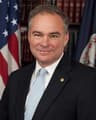
D· Virginia
YRS IN OFFICE
13
BILLS LED
109
COSPONSOR BREAKDOWNBIPARTISAN · 0%
DEM 31 REP 0 IND 2
ACTION TIMELINE
7 EVENTSMAY 20
Motion to proceed to consideration of measure rejected in Senate by Voice Vote. (CR S2407)
APR 30
Senate Committee on Health, Education, Labor, and Pensions discharged, by petition, pursuant to 5 U.S.C. 802(c).
APR 30
Placed on Senate Legislative Calendar under General Orders. Calendar No. 402.
APR 13
Introduced in Senate
BILL INFO
TypeSenate Joint Resolution
NumberSJRES 182
Congress119th
StatusIn Committee
IntroducedApr 13, 2026
Last actionMay 20, 2026
READER REACTIONS
OVERALL SENTIMENT
No reactions yet. Be the first to weigh in.
Discussion
Loading comments...
IN COMMITTEE· 119TH CONGRESS · HEALTH, EDUCATION, LABOR, AND PENSIONS COMMITTEE · INTRODUCED APR 13, 2026
Senate Joint Res.SJRES 182Department of EducationStudent aid and college costs
A joint resolution providing for congressional disapproval under chapter 8 of title 5, United States Code, of the rule submitted by the Department of Education relating to "William D. Ford Federal Direct Loan (Direct Loan) Program".
This resolution uses the Congressional Review Act to nullify a Department of Education rule regarding the federal student loan program.AI-written
INTRODUCED APR 13, 2026· LAST ACTION MAY 20, 2026
PASSAGE CHANCES
10%
READING
2 min
COSPONSORS