Bills · SCONRES 16
IN COMMITTEE· 119TH CONGRESS
Senate Concurrent Res.SCONRES 16Labor and Employment
A concurrent resolution recognizing the significance of equal pay and the disparity in wages paid to men and to Black women.
INTRO JUL 10· LAST ACTION JUL 10
READING
5MIN
COSPONSORS
32
READER REACTIONS0 TOTAL
NO VOTES YET · BE THE FIRST
- Not a law
LEGISLATIVE PROGRESS
STEP 2 / 8Introduced
In Committee
Reported
Passed Senate
Passed House
Conference
To President
Became Law
WHAT THE BILL DOES
AI-writtenThis resolution matters because it puts Congress on record recognizing a specific economic disparity faced by Black women. While it doesn't create new laws or fund programs, it serves as a public declaration of concern and support for the principle of equal pay. If it passes, it signals that Congress views the wage gap for Black women as a significant issue, which could influence future legislative debates and policy efforts aimed at addressing pay equity, family leave, childcare, and workplace harassment. If it doesn't pass, it means Congress has not formally acknowledged this specific issue in this way, potentially reducing the momentum for related policy discussions.
KEY PROVISIONS
5AI-extractedPROVISION 01
Recognizes July 10, 2025, as Black Women's Equal Pay Day and acknowledges the wage disparity between Black women and White, non-Hispanic men.
This formally recognizes a specific day and highlights the ongoing wage gap issue.
PROVISION 02
Cites existing laws like the Equal Pay Act of 1963 and Title VII of the Civil Rights Act of 1964 which prohibit pay discrimination based on sex and race.
It grounds the recognition in established legal principles that are not being fully realized.
PROVISION 03
Details the economic impact of the wage gap, stating Black women are paid 66 cents for every dollar paid to White, non-Hispanic men, leading to significant lost earnings over a career.
It provides specific data and illustrates the tangible financial harm caused by the disparity.
PROVISION 04
Identifies contributing factors to the wage gap, including lack of access to affordable childcare, paid leave, workplace harassment, and employer restrictions on discussing wages.
It points to systemic issues beyond simple discrimination that contribute to the problem.
PROVISION 05
Reaffirms Congress's support for ensuring equal pay for equal work and narrowing the gender wage gap.
It states the legislative body's commitment to addressing the issue.
SPONSORSHIP
1 + 32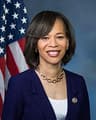
D· Delaware
YRS IN OFFICE
9
BILLS LED
43
COSPONSOR BREAKDOWNBIPARTISAN · 0%
DEM 31 REP 0 IND 1
ACTION TIMELINE
2 EVENTSJUL 10
Introduced in Senate
JUL 10
Referred to the Committee on Health, Education, Labor, and Pensions. (text: CR S4320)
BILL INFO
TypeSenate Concurrent Resolution
NumberSCONRES 16
Congress119th
StatusIn Committee
IntroducedJul 10, 2025
Last actionJul 10, 2025
READER REACTIONS
OVERALL SENTIMENT
No reactions yet. Be the first to weigh in.
Discussion
Loading comments...
IN COMMITTEE· 119TH CONGRESS · HEALTH, EDUCATION, LABOR, AND PENSIONS COMMITTEE · INTRODUCED JUL 10, 2025
Senate Concurrent Res.SCONRES 16Labor and Employment
A concurrent resolution recognizing the significance of equal pay and the disparity in wages paid to men and to Black women.
INTRODUCED JUL 10, 2025· LAST ACTION JUL 10, 2025
PASSAGE CHANCES
—%
READING
5 min
COSPONSORS
32
COMPLEXITY
Moderate