Bills · S 999
IN COMMITTEE· 119TH CONGRESS
Senate BillS 999Health
Public Health Improvement Act
INTRO MAR 12· LAST ACTION MAR 12
READING
5MIN
COSPONSORS
1
READER REACTIONS0 TOTAL
NO VOTES YET · BE THE FIRST
- Introduced only
LEGISLATIVE PROGRESS
STEP 2 / 8Introduced
In Committee
Reported
Passed Senate
Passed House
Conference
To President
Became Law
WHAT THE BILL DOES
AI-writtenVoters should care about this bill because it fundamentally reshapes how the federal government approaches public health, especially in times of crisis. If this bill becomes law, it means that future responses to pandemics or other widespread health threats would require direct congressional approval for continued emergency measures, potentially slowing down government action during critical periods.
It also matters because the Centers for Disease Control and Prevention would narrow its focus significantly. This could mean less federal attention and funding for important areas like chronic disease prevention (heart disease, diabetes), injury prevention (car accidents, opioid overdoses), and environmental health issues. Instead, these areas would either fall under the NIH or potentially receive less overall emphasis from the CDC. The preemption clause is also crucial, as it would ensure federal public health directives take precedence over state and local rules, potentially reducing flexibility for local communities to respond to their unique health challenges.
KEY PROVISIONS
5AI-extractedPROVISION 01
Establishes a 12-year term limit for the Director of the Centers for Disease Control and Prevention (CDC) and the Director of the National Institutes of Health (NIH).
This provision ensures regular leadership changes at critical federal health agencies, preventing individuals from holding these influential positions for extended periods.
PROVISION 02
Narrows the CDC's strategic plan to focus primarily on 'diseases,' removing explicit mentions of noncommunicable diseases, injuries, and occupational and environmental hazards.
This change could shift the CDC's programmatic focus and resource allocation away from chronic health issues and injury prevention, concentrating efforts on infectious diseases.
PROVISION 03
Requires a majority vote in both the House and Senate to renew a public health emergency declared by the Secretary of Health and Human Services.
This increases congressional oversight over public health emergency declarations, potentially impacting the speed and duration of federal responses to health crises.
PROVISION 04
Transfers several key CDC offices, including those focused on chronic disease, environmental health, and injury prevention, to the National Institutes of Health (NIH) within two years.
This reorganization significantly alters the structure and responsibilities of both the CDC and NIH, potentially disrupting ongoing programs and research in these areas.
PROVISION 05
States that the bill's provisions will override any inconsistent federal, state, tribal, territorial, or local laws, declarations, guidance, or directives.
This preemption clause ensures that the federal standards set by this bill take precedence over all other governmental levels, limiting local autonomy in public health matters.
SPONSORSHIP
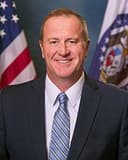
1 + 1
R· Missouri
YRS IN OFFICE
3
BILLS LED
57
COSPONSOR BREAKDOWNBIPARTISAN · 0%
DEM 0 REP 1 IND 0
ACTION TIMELINE
2 EVENTSMAR 12
Introduced in Senate
MAR 12
Read twice and referred to the Committee on Health, Education, Labor, and Pensions.
BILL INFO
TypeSenate Bill
NumberS 999
Congress119th
StatusIn Committee
IntroducedMar 12, 2025
Last actionMar 12, 2025
READER REACTIONS
OVERALL SENTIMENT
No reactions yet. Be the first to weigh in.
Discussion
Loading comments...
IN COMMITTEE· 119TH CONGRESS · HEALTH, EDUCATION, LABOR, AND PENSIONS COMMITTEE · INTRODUCED MAR 12, 2025
Senate BillS 999Health
Public Health Improvement Act
INTRODUCED MAR 12, 2025· LAST ACTION MAR 12, 2025
PASSAGE CHANCES
—%
READING
5 min
COSPONSORS
1
COMPLEXITY
Moderate