Bills · S 975
IN COMMITTEE· 119TH CONGRESS
Senate BillS 975Health
Expanding Medical Education Act
INTRO MAR 12· LAST ACTION MAR 12
READING
7MIN
COSPONSORS
1
READER REACTIONS0 TOTAL
NO VOTES YET · BE THE FIRST
- Introduced only
LEGISLATIVE PROGRESS
STEP 2 / 8Introduced
In Committee
Reported
Passed Senate
Passed House
Conference
To President
Became Law
WHAT THE BILL DOES
AI-writtenMany communities across the U.S., particularly in rural regions and inner cities, face a severe shortage of doctors, making it difficult for people to access necessary medical care. This can lead to worse health outcomes, delayed treatments, and increased travel burdens for patients.
This bill matters because it directly tries to solve this problem by investing in the expansion of medical education in the areas that need it most. If it becomes law, it could lead to more medical schools, more graduating doctors, and potentially better healthcare access for millions of Americans. If it doesn't pass, the existing doctor shortages in underserved areas are likely to continue or worsen, leaving many people struggling to find adequate medical care.
KEY PROVISIONS
5AI-extractedPROVISION 01
Establishes a grant program to support medical schools and osteopathic medicine schools.
Provides dedicated federal funding to expand medical education, directly addressing the national doctor shortage.
PROVISION 02
Gives priority for grants to institutions establishing or expanding schools in medically underserved communities, health professional shortage areas, or minority-serving institutions.
Directs resources to the geographic areas and institutions most crucial for increasing the supply of doctors in underserved populations.
PROVISION 03
Requires grant recipients to recruit and retain diverse medical students and develop curricula focused on care for rural and underserved populations.
Ensures the program targets both the quantity and the type of doctors needed, emphasizing cultural competence and service to specific communities.
PROVISION 04
Allows grant funds to be used for activities like planning, construction, accreditation, hiring faculty, and modernizing infrastructure.
Provides necessary flexibility for institutions to build and maintain the physical and human resources required for medical education expansion.
PROVISION 05
Requires annual reports from grant recipients and a recurring report from the Secretary to Congress every five years on the program's outcomes.
Ensures accountability and allows policymakers to track the effectiveness of the grants in achieving their goals.
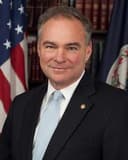
SPONSORSHIP
1 + 1
D· Virginia
YRS IN OFFICE
13
BILLS LED
109
COSPONSOR BREAKDOWNBIPARTISAN · 0%
DEM 1 REP 0 IND 0
ACTION TIMELINE
2 EVENTSMAR 12
Introduced in Senate
MAR 12
Read twice and referred to the Committee on Health, Education, Labor, and Pensions.
BILL INFO
TypeSenate Bill
NumberS 975
Congress119th
StatusIn Committee
IntroducedMar 12, 2025
Last actionMar 12, 2025
READER REACTIONS
OVERALL SENTIMENT
No reactions yet. Be the first to weigh in.
Discussion
Loading comments...
IN COMMITTEE· 119TH CONGRESS · HEALTH, EDUCATION, LABOR, AND PENSIONS COMMITTEE · INTRODUCED MAR 12, 2025
Senate BillS 975Health
Expanding Medical Education Act
INTRODUCED MAR 12, 2025· LAST ACTION MAR 12, 2025
PASSAGE CHANCES
—%
READING
7 min
COSPONSORS
1
COMPLEXITY
Moderate