Bills · S 957
IN COMMITTEE· 119TH CONGRESS
Senate BillS 957Health
Honor Our Living Donors Act
INTRO MAR 11· LAST ACTION MAR 11
READING
2MIN
COSPONSORS
3BIPARTISAN
READER REACTIONS0 TOTAL
NO VOTES YET · BE THE FIRST
- Introduced only
LEGISLATIVE PROGRESS
STEP 2 / 8Introduced
In Committee
Reported
Passed Senate
Passed House
Conference
To President
Became Law
WHAT THE BILL DOES
AI-writtenThis bill matters because it addresses a significant barrier to living organ donation: the financial burden on donors. Currently, people who generously donate an organ often incur substantial out-of-pocket costs for travel, lodging, lost wages, and childcare, which can amount to thousands of dollars. If the program meant to help with these costs considers the recipient's income, a donor might not be fully reimbursed if their recipient is perceived as having sufficient means, even though the donor themselves is incurring the direct costs. This could discourage potential donors, leading to fewer life-saving organ transplants.
If this bill becomes law, it would ensure that a living donor's reimbursement is based solely on their own qualifying expenses, not the recipient's income, making the process fairer and potentially increasing the number of available organs. It also adds transparency by requiring an annual report on whether the existing grant program is adequately funded to cover all donor expenses. Without this bill, potential donors might continue to face financial disincentives, and the adequacy of reimbursement funds might remain less transparent.
KEY PROVISIONS
3AI-extractedPROVISION 01
Prevents grant programs from considering the organ recipient's income when reimbursing a living organ donor for their expenses.
This provision ensures that a donor's ability to receive reimbursement for their significant expenses is not tied to the financial status of the person receiving the organ, making the system fairer for donors.
PROVISION 02
Removes any existing language in the Public Health Service Act that might imply organ recipients are expected to make payments for their donor's expenses.
This clarifies that organ recipients are not financially responsible for the donor's direct costs, further reducing potential financial burdens and complexities for both parties.
PROVISION 03
Requires the Secretary of Health and Human Services to submit an annual report to Congress on the adequacy of donor reimbursement funding.
This creates transparency and accountability, highlighting any shortfalls in funding that prevent living organ donors from being fully reimbursed for their qualifying expenses.
SPONSORSHIP
1 + 3
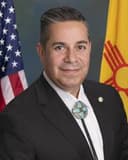
D· New Mexico
YRS IN OFFICE
17
BILLS LED
86
COSPONSOR BREAKDOWNBIPARTISAN · 66%
DEM 1 REP 2 IND 0
ACTION TIMELINE
2 EVENTSMAR 11
Introduced in Senate
MAR 11
Read twice and referred to the Committee on Health, Education, Labor, and Pensions.
BILL INFO
TypeSenate Bill
NumberS 957
Congress119th
StatusIn Committee
IntroducedMar 11, 2025
Last actionMar 11, 2025
READER REACTIONS
OVERALL SENTIMENT
No reactions yet. Be the first to weigh in.
Discussion
Loading comments...
IN COMMITTEE· 119TH CONGRESS · HEALTH, EDUCATION, LABOR, AND PENSIONS COMMITTEE · INTRODUCED MAR 11, 2025
Senate BillS 957Health
Honor Our Living Donors Act
INTRODUCED MAR 11, 2025· LAST ACTION MAR 11, 2025
PASSAGE CHANCES
—%
READING
2 min
COSPONSORS
3
COMPLEXITY
Moderate