Bills · S 810
IN COMMITTEE· 119TH CONGRESS
Senate BillS 810AppropriationsEducation programs funding
No Cuts to Public Schools Act
INTRO FEB 27· LAST ACTION FEB 27
READING
4MIN
COSPONSORS
0
READER REACTIONS0 TOTAL
NO VOTES YET · BE THE FIRST
- Introduced only
LEGISLATIVE PROGRESS
STEP 2 / 8Introduced
In Committee
Reported
Passed Senate
Passed House
Conference
To President
Became Law
WHAT THE BILL DOES
AI-writtenVoters should care about this bill because it aims to provide stability and predictability for critical federal education programs. If this bill becomes law, it means that even if Congress decides to reduce overall spending or shift priorities in future budget cycles, federal funding for these specific programs for public schools cannot fall below 2024 levels for the next three years. This could ensure consistent support for students with special needs, help for disadvantaged students, and resources for teacher training and after-school programs.
Without this bill, these education programs would be subject to the annual appropriations process, meaning their funding levels could go up or down each year based on Congress's budget decisions. A decrease in funding could lead to fewer resources, staff layoffs, or reduced services in schools, directly impacting the quality of education for many students. The bill's mechanism for automatic, off-budget spending also raises questions about fiscal responsibility and congressional control over the budget, which are often significant concerns for voters.
KEY PROVISIONS
5AI-extractedPROVISION 01
Prevents reductions in funding for specific 'critical education programs' for fiscal years 2025, 2026, and 2027.
This ensures financial stability for important programs that support various student populations in public schools.
PROVISION 02
Defines 'critical education program' to include major federal education laws like IDEA and several parts of ESEA, as well as the McKinney-Vento Homeless Assistance Act.
This clearly identifies which programs are protected from funding cuts, focusing on key areas of support for students.
PROVISION 03
Defines a 'reduction in funding' as any amount below the funding level appropriated for these programs in fiscal year 2024.
This sets a clear baseline for funding, ensuring that programs do not receive less than what they were allocated in the most recent full fiscal year.
PROVISION 04
Automatically appropriates money from the Treasury to cover any funding shortfalls if a regular spending bill provides less than the 2024 level for these programs.
This creates a mandatory backstop, guaranteeing that the specified funding levels are maintained without requiring additional congressional action.
PROVISION 05
Exempts the budgetary effects of this automatic funding from 'PAYGO' (Pay-As-You-Go) rules, which typically require new spending to be offset.
This means the additional spending to prevent cuts would not necessitate corresponding cuts elsewhere in the budget or new revenue to comply with certain budget rules.
SPONSORSHIP
1 + 0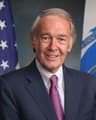
D· Massachusetts
YRS IN OFFICE
51
BILLS LED
164
ACTION TIMELINE
2 EVENTSFEB 27
Introduced in Senate
FEB 27
Read twice and referred to the Committee on Health, Education, Labor, and Pensions.
BILL INFO
TypeSenate Bill
NumberS 810
Congress119th
StatusIn Committee
IntroducedFeb 27, 2025
Last actionFeb 27, 2025
READER REACTIONS
OVERALL SENTIMENT
No reactions yet. Be the first to weigh in.
Discussion
Loading comments...
IN COMMITTEE· 119TH CONGRESS · HEALTH, EDUCATION, LABOR, AND PENSIONS COMMITTEE · INTRODUCED FEB 27, 2025
Senate BillS 810AppropriationsEducation programs funding
No Cuts to Public Schools Act
INTRODUCED FEB 27, 2025· LAST ACTION FEB 27, 2025
PASSAGE CHANCES
—%
READING
4 min
COSPONSORS
0
COMPLEXITY
Moderate