Bills · S 779
IN COMMITTEE· 119TH CONGRESS
Senate BillS 779Health
EARLY Minds Act
INTRO FEB 27· LAST ACTION FEB 27
READING
3MIN
COSPONSORS
3BIPARTISAN
READER REACTIONS0 TOTAL
NO VOTES YET · BE THE FIRST
- Introduced only
LEGISLATIVE PROGRESS
STEP 2 / 8Introduced
In Committee
Reported
Passed Senate
Passed House
Conference
To President
Became Law
WHAT THE BILL DOES
AI-writtenVoters should care about this bill because it shifts some federal mental health funding towards a more proactive approach, focusing on prevention and early support rather than just treating existing conditions. Many serious mental health issues begin in childhood or adolescence, and catching them early or preventing them entirely could significantly improve long-term outcomes for individuals and reduce the overall burden on the healthcare system.
If this bill becomes law, it could lead to more accessible services for young people experiencing early signs of mental health challenges or who are at risk, potentially preventing more severe problems down the road. If it doesn't pass, state mental health funding would likely continue to prioritize treatment over prevention, meaning fewer resources for programs aimed at stopping mental health issues before they escalate.
KEY PROVISIONS
4AI-extractedPROVISION 01
Allows states to use up to 5% of their Community Mental Health Services Block Grant funds for evidence-based prevention and early intervention programs.
This provision enables states to invest in proactive mental health care for the first time using these specific federal funds.
PROVISION 02
Requires states that use this option to describe their prevention and early intervention strategies in their state mental health plans.
This ensures transparency and accountability for how the funds are being utilized for prevention.
PROVISION 03
Specifies that these prevention programs should include children and adolescents, regardless of whether they have a serious mental illness.
This highlights a focus on early support for youth and targets those who might be at risk, not just those already diagnosed.
PROVISION 04
Mandates the Secretary of Health and Human Services to report biennially to Congress on states' use and outcomes of these prevention programs.
This provides oversight and helps assess the effectiveness of the prevention strategies implemented by states.
SPONSORSHIP
1 + 3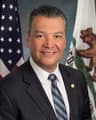
D· California
YRS IN OFFICE
3
BILLS LED
111
COSPONSOR BREAKDOWNBIPARTISAN · 66%
DEM 1 REP 2 IND 0
ACTION TIMELINE
2 EVENTSFEB 27
Introduced in Senate
FEB 27
Read twice and referred to the Committee on Health, Education, Labor, and Pensions. (Sponsor introductory remarks on measure: CR S1430-1431)
BILL INFO
TypeSenate Bill
NumberS 779
Congress119th
StatusIn Committee
IntroducedFeb 27, 2025
Last actionFeb 27, 2025
READER REACTIONS
OVERALL SENTIMENT
No reactions yet. Be the first to weigh in.
Discussion
Loading comments...
IN COMMITTEE· 119TH CONGRESS · HEALTH, EDUCATION, LABOR, AND PENSIONS COMMITTEE · INTRODUCED FEB 27, 2025
Senate BillS 779Health
EARLY Minds Act
INTRODUCED FEB 27, 2025· LAST ACTION FEB 27, 2025
PASSAGE CHANCES
—%
READING
3 min
COSPONSORS
3
COMPLEXITY
Moderate