Bills · S 760
IN COMMITTEE· 119TH CONGRESS
Senate BillS 760MedicareHealth personnel
Kids’ Access to Primary Care Act of 2025
INTRO FEB 26· LAST ACTION FEB 26
READING
8MIN
COSPONSORS
6
READER REACTIONS0 TOTAL
NO VOTES YET · BE THE FIRST
- Introduced only
LEGISLATIVE PROGRESS
STEP 2 / 8Introduced
In Committee
Reported
Passed Senate
Passed House
Conference
To President
Became Law
WHAT THE BILL DOES
AI-writtenThis bill matters because it directly addresses a common challenge for Medicaid recipients: finding doctors who accept their insurance. When Medicaid pays doctors less than other insurance plans, many providers limit the number of Medicaid patients they see or don't accept Medicaid at all. This bill aims to improve access to essential primary care services, like regular check-ups, vaccinations, and routine screenings, by raising the payment rates for these services to be on par with Medicare.
If this bill becomes law, it could lead to more doctors accepting Medicaid patients, making it easier for children and families to get preventive care and manage chronic conditions. This could prevent minor health issues from becoming serious and reduce reliance on expensive emergency room visits for non-emergencies. If it doesn't pass, the disparity in payment rates between Medicaid and other programs would likely continue, potentially worsening access to primary care for vulnerable populations and continuing to push non-urgent cases into emergency departments, which are more costly.
KEY PROVISIONS
4AI-extractedPROVISION 01
Renews and makes permanent the requirement for state Medicaid programs to pay primary care providers at least the same rate as Medicare, or a potentially higher rate if Medicare's current payment is below a 2009 baseline.
This encourages more doctors to accept Medicaid patients, improving access to basic healthcare.
PROVISION 02
Expands the types of healthcare professionals eligible for these higher payments to include obstetricians, gynecologists, their subspecialists, and advanced practice clinicians (like nurse practitioners and physician assistants) who self-attest to being board-certified.
This broadens the network of providers who can offer primary care at improved rates, further increasing access.
PROVISION 03
Defines "primary care services" for these higher payments to specifically exclude services provided in a hospital emergency department.
This focuses the enhanced payments on preventive and routine care in appropriate settings rather than costly emergency visits.
PROVISION 04
Requires managed care organizations that administer Medicaid benefits to also pay primary care providers at these Medicare-level rates and to provide documentation to states to ensure compliance.
This ensures the higher payment standard applies across the board, regardless of whether a patient is in fee-for-service or managed care Medicaid.
SPONSORSHIP
1 + 6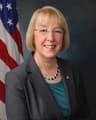
D· Washington
YRS IN OFFICE
33
BILLS LED
47
COSPONSOR BREAKDOWNBIPARTISAN · 0%
DEM 6 REP 0 IND 0
ACTION TIMELINE
2 EVENTSFEB 26
Introduced in Senate
FEB 26
Read twice and referred to the Committee on Finance.
BILL INFO
TypeSenate Bill
NumberS 760
Congress119th
StatusIn Committee
IntroducedFeb 26, 2025
Last actionFeb 26, 2025
READER REACTIONS
OVERALL SENTIMENT
No reactions yet. Be the first to weigh in.
Discussion
Loading comments...
IN COMMITTEE· 119TH CONGRESS · FINANCE COMMITTEE · INTRODUCED FEB 26, 2025
Senate BillS 760MedicareHealth personnel
Kids’ Access to Primary Care Act of 2025
INTRODUCED FEB 26, 2025· LAST ACTION FEB 26, 2025
PASSAGE CHANCES
—%
READING
8 min
COSPONSORS
6
COMPLEXITY
Moderate