Bills · S 663
IN COMMITTEE· 119TH CONGRESS
Senate BillS 663Transportation and Public Works
DEFENSE Act
INTRO FEB 20· LAST ACTION FEB 20
READING
2MIN
COSPONSORS
1
READER REACTIONS0 TOTAL
NO VOTES YET · BE THE FIRST
- Introduced only
LEGISLATIVE PROGRESS
STEP 2 / 8Introduced
In Committee
Reported
Passed Senate
Passed House
Conference
To President
Became Law
WHAT THE BILL DOES
AI-writtenThis bill matters because it addresses a growing concern about security at large public events, particularly the threat posed by unauthorized drones. Currently, state and local law enforcement often lack clear authority to intervene against drones operating in restricted airspace, as drone regulation primarily falls under federal jurisdiction. If this bill becomes law, it would empower local police with the necessary legal backing and training to respond directly to drone threats, potentially preventing accidents, surveillance, or even attacks at crowded venues.
Without this bill, the response to unauthorized drones at local events often requires federal involvement, which can be slower and less flexible. By allowing deputization, the bill aims to create a more immediate and effective layer of defense, making public gatherings safer and giving local authorities better tools to manage emerging aerial threats.
KEY PROVISIONS
5AI-extractedPROVISION 01
Allows the Secretary of Homeland Security or the Attorney General to deputize state or local law enforcement officers.
This grants local police federal authority to address drone threats, bridging a gap in jurisdiction.
PROVISION 02
Deputized officers can only exercise authority to protect specific sites with temporary flight restrictions or large public gatherings.
This provision clarifies the limited scope and specific types of events where this new authority can be used.
PROVISION 03
Requires state or local officers to complete specialized training before being deputized.
Ensures that officers are properly prepared and knowledgeable about the specific powers and equipment they will be using.
PROVISION 04
All drone countermeasures equipment must be on an authorized list maintained by multiple federal agencies.
Guarantees that only approved and effective technology is used, promoting safety and interoperability.
PROVISION 05
Federal agencies (DHS, DOJ, DOT, FAA) must exercise oversight over deputized officers.
Provides a check-and-balance system to ensure accountability and proper use of federal authority by local personnel.
SPONSORSHIP
1 + 1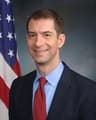
R· Arkansas
YRS IN OFFICE
13
BILLS LED
97
COSPONSOR BREAKDOWNBIPARTISAN · 0%
DEM 1 REP 0 IND 0
ACTION TIMELINE
2 EVENTSFEB 20
Introduced in Senate
FEB 20
Read twice and referred to the Committee on Homeland Security and Governmental Affairs.
BILL INFO
TypeSenate Bill
NumberS 663
Congress119th
StatusIn Committee
IntroducedFeb 20, 2025
Last actionFeb 20, 2025
READER REACTIONS
OVERALL SENTIMENT
No reactions yet. Be the first to weigh in.
Discussion
Loading comments...
IN COMMITTEE· 119TH CONGRESS · HOMELAND SECURITY AND GOVERNMENTAL AFFAIRS COMMITTEE · INTRODUCED FEB 20, 2025
Senate BillS 663Transportation and Public Works
DEFENSE Act
INTRODUCED FEB 20, 2025· LAST ACTION FEB 20, 2025
PASSAGE CHANCES
—%
READING
2 min
COSPONSORS
1
COMPLEXITY
Moderate