Bills · S 648
IN COMMITTEE· 119TH CONGRESS
Senate BillS 648Judicial review and appealsAdministrative law and regulatory procedures
SCRUB Act of 2025
INTRO FEB 20· LAST ACTION FEB 20
READING
10MIN
COSPONSORS
0
READER REACTIONS0 TOTAL
NO VOTES YET · BE THE FIRST
- Introduced only
LEGISLATIVE PROGRESS
STEP 2 / 8Introduced
In Committee
Reported
Passed Senate
Passed House
Conference
To President
Became Law
WHAT THE BILL DOES
AI-writtenVoters should care about this bill because it aims to directly impact the cost of doing business and the overall economic burden imposed by government regulations. If passed, it could lead to a noticeable reduction in compliance costs for businesses, potentially freeing up resources for investment, job creation, or lower prices for consumers. It also seeks to streamline the regulatory landscape by removing outdated or inefficient rules, which could make it easier for people to understand and comply with federal requirements.
Without this bill, new regulations might continue to be added without a corresponding effort to remove older, less effective ones, potentially leading to an ever-growing accumulation of rules and associated costs. If the bill becomes law, it establishes a formal, ongoing process to systematically prune federal regulations. This could mean a more agile regulatory environment that is responsive to current needs rather than being weighed down by legacy rules, though the extent of the economic impact would depend on how effectively the "cut-go" and review processes are implemented.
KEY PROVISIONS
5AI-extractedPROVISION 01
Establishes a "regulatory cut-go" system where federal agencies must repeal existing rules to offset the annual costs of any new rules they create.
This provision aims to prevent the total cost of federal regulations from continuously increasing, ensuring that new burdens are balanced by reductions elsewhere.
PROVISION 02
Creates the United States DOGE Service (DOGE) within the Executive Office of the President to systematically review and identify existing federal rules for repeal.
This establishes a dedicated body with the specific mission to proactively reduce the cumulative burden of federal regulations.
PROVISION 03
Sets a goal for the DOGE to reduce the cumulative costs of federal regulation by at least 33 percent by July 4, 2026.
This provision sets a clear, quantifiable target and timeline for significant regulatory cost reduction.
PROVISION 04
Requires the Office of Information and Regulatory Affairs (OIRA) to review and certify the accuracy of all agency cost calculations related to new rules and repeals.
This adds an independent layer of oversight to ensure that agencies' cost assessments are accurate and that the "cut-go" system is properly implemented.
PROVISION 05
Directs the DOGE to prioritize the review of major rules, rules over 15 years old, those with high paperwork burdens, and rules disproportionately affecting small businesses.
This focuses the regulatory review efforts on areas likely to yield the most significant impact in terms of cost reduction and burden relief.
SPONSORSHIP
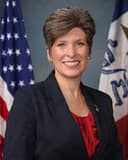
1 + 0
R· Iowa
YRS IN OFFICE
11
BILLS LED
99
ACTION TIMELINE
2 EVENTSFEB 20
Introduced in Senate
FEB 20
Read twice and referred to the Committee on Homeland Security and Governmental Affairs.
BILL INFO
TypeSenate Bill
NumberS 648
Congress119th
StatusIn Committee
IntroducedFeb 20, 2025
Last actionFeb 20, 2025
READER REACTIONS
OVERALL SENTIMENT
No reactions yet. Be the first to weigh in.
Discussion
Loading comments...
IN COMMITTEE· 119TH CONGRESS · HOMELAND SECURITY AND GOVERNMENTAL AFFAIRS COMMITTEE · INTRODUCED FEB 20, 2025
Senate BillS 648Judicial review and appealsAdministrative law and regulatory procedures
SCRUB Act of 2025
INTRODUCED FEB 20, 2025· LAST ACTION FEB 20, 2025
PASSAGE CHANCES
—%
READING
10 min
COSPONSORS
0
COMPLEXITY
Moderate