Bills · S 618
IN COMMITTEE· 119TH CONGRESS
Senate BillS 618Agriculture and Food
Protecting America’s Agricultural Land from Foreign Harm Act of 2025
INTRO FEB 18· LAST ACTION FEB 18
READING
10MIN
COSPONSORS
2
READER REACTIONS0 TOTAL
NO VOTES YET · BE THE FIRST
- Introduced only
LEGISLATIVE PROGRESS
STEP 2 / 8Introduced
In Committee
Reported
Passed Senate
Passed House
Conference
To President
Became Law
WHAT THE BILL DOES
AI-writtenVoters should care about this bill because it addresses concerns about foreign influence over the U.S. food supply and agricultural resources. If passed, it would tighten controls on who can own or lease farmland in the United States, potentially safeguarding national food security and reducing the strategic acquisition of land by countries considered foreign adversaries. This could prevent potential risks associated with foreign control over critical food production infrastructure.
If this bill becomes law, it would significantly alter the landscape of foreign investment in U.S. agriculture, making it more transparent and restrictive for specific nations. If it doesn't pass, the current rules would remain, allowing entities from these countries to potentially acquire or lease agricultural land and participate in USDA programs, subject to existing, less stringent regulations.
KEY PROVISIONS
5AI-extractedPROVISION 01
Prohibits the purchase or lease of U.S. agricultural land (both public and private) by persons associated with the governments of Iran, North Korea, the People's Republic of China, and the Russian Federation.
This directly restricts certain foreign governments and their controlled entities from acquiring land critical for U.S. food production and security.
PROVISION 02
Prevents these same 'covered persons' from participating in most U.S. Department of Agriculture (USDA) programs, with exceptions for food safety and health/labor safety programs.
This aims to prevent foreign influence or benefits from U.S. agricultural subsidies and support systems for entities linked to specific foreign governments.
PROVISION 03
Amends the Agricultural Foreign Investment Disclosure Act of 1978 (AFIDA) to include security interests and all leases (regardless of duration) in reporting requirements for foreign ownership of agricultural land.
This expands the scope of what foreign entities must disclose, providing a more comprehensive view of foreign involvement in U.S. agriculture.
PROVISION 04
Increases civil penalties for failing to report foreign agricultural land investments under AFIDA, setting a minimum penalty of 15% and a maximum of 30% of the land's value, and requires a lien on the land until the penalty is paid.
This makes penalties for non-compliance more significant and ensures collection, incentivizing accurate and timely reporting of foreign land holdings.
PROVISION 05
Requires the Secretary of Agriculture to publish human-readable and machine-readable data sets of all reported foreign agricultural land holdings on a public internet database, updated within 30 days of receiving a report.
This provision significantly increases transparency, making information about foreign ownership of U.S. agricultural land publicly accessible and frequently updated.
SPONSORSHIP
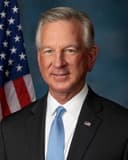
1 + 2
R· Alabama
YRS IN OFFICE
5
BILLS LED
41
COSPONSOR BREAKDOWNBIPARTISAN · 0%
DEM 0 REP 2 IND 0
ACTION TIMELINE
2 EVENTSFEB 18
Introduced in Senate
FEB 18
Read twice and referred to the Committee on Agriculture, Nutrition, and Forestry.
BILL INFO
TypeSenate Bill
NumberS 618
Congress119th
StatusIn Committee
IntroducedFeb 18, 2025
Last actionFeb 18, 2025
READER REACTIONS
OVERALL SENTIMENT
No reactions yet. Be the first to weigh in.
Discussion
Loading comments...
IN COMMITTEE· 119TH CONGRESS · AGRICULTURE, NUTRITION, AND FORESTRY COMMITTEE · INTRODUCED FEB 18, 2025
Senate BillS 618Agriculture and Food
Protecting America’s Agricultural Land from Foreign Harm Act of 2025
INTRODUCED FEB 18, 2025· LAST ACTION FEB 18, 2025
PASSAGE CHANCES
—%
READING
10 min
COSPONSORS
2
COMPLEXITY
Moderate