State Strategic Stockpile Act of 2026
Continues support for state medical stockpiles, includes regional efforts, and strengthens public-health consultation.
In the Senate Health, Education, Labor, and Pensions Committee since Sept. 30, 2026, 8 days after it was introduced. Most bills never leave committee.
- INTRODUCEDINTROSEP 30, 2026
- COMMITTEECOMM.IN COMMITTEE
- SENATESENATE—
- HOUSEHOUSE—
- LAWLAW—
What the bill would do, and why it matters
States need access to medical supplies they can use during public health emergencies. The bill would continue a federal pilot program for state medical stockpiles, include regional efforts, and require grant recipients to coordinate and share practices. It would also strengthen consultation with public health officials and add regional stockpiling to a federal review.
- INTRODUCED ONLY This bill has been introduced and possibly referred to a committee, but it has not passed any vote. Most introduced bills never become law — they die in committee without a hearing.
- DATA NOTE No Congressional Research Service summary was available.
- Continue support for state stockpiles
The bill changes the pilot program’s year references, replacing “and 2024” with “through 2028” and changing “2025” to “2029.” It also replaces the current funding authorization for fiscal years 2023 and 2024 with an authorization for fiscal years 2027 through 2031.
- Allow regional stockpiling efforts
The bill expands the pilot’s reference to state efforts to include regional efforts. It also adds a requirement for grant recipients to coordinate with health care entities, health officials, and emergency management officials in their state or states.
- Require stockpile coordination opportunities
Grant recipients would have to identify opportunities to share stockpiling best practices with other states that receive awards or with other states.
- Expand review of regional stockpiling
The bill adds the impact of regional stockpiling approaches to the topics covered by an existing Government Accountability Office report.
- Strengthen public-health consultation
The bill removes the words “as appropriate” from a provision on consultation by the Public Health Emergency Medical Countermeasures Enterprise with state, local, Tribal, and territorial public health departments or officials.
The bill is aimed at supporting medical stockpiles that states can draw on in public health emergencies. It would continue the program’s funding authorization into a later period and broaden its focus to regional approaches, which could affect how states plan and coordinate stockpiles.
Adding regional approaches to the Government Accountability Office’s review would also give Congress information about their impact.
Written from the bill text.
The path it took, step by step
- IntroducedSEP 30, 2026SENATESEP 30, 2026By Sen. Hassan with 1 original cosponsorReferred to Health, Education, Labor, and Pensions
- SAME DAYNOWSenate committeeSEP 30, 2026HEALTH, EDUCATION, LABOR, & PENSIONS NOWSEP 30, 2026In committee for 8 daysNo hearing yet
- 8 DAYS SO FARPassed the Senate—SENATE FLOOR—Not scheduled
- House committee—HOUSE—
- Passed the House—HOUSE FLOOR—Not scheduled
- Resolve differencesONLY IF NEEDEDBOTH CHAMBERSONLY IF NEEDEDSkipped if the other chamber passes the same text
- Signed into law—PRESIDENT—10 days to sign or veto
- SEP 302026SEP 30, 2026REFERREDRead twice and referred to the Committee on Health, Education, Labor, and Pensions.
- SEP 302026SEP 30, 2026INTRODUCEDSENATEIntroduced in Senate
At day 8, this bill is already older than 3% of the laws passed this Congress were when they were signed.
Where your members stand on it
Support from one state
Plus the sponsor, a Democrat. Every cosponsor is from one party.
Plus the sponsor, a Democrat. Every cosponsor is from one party.
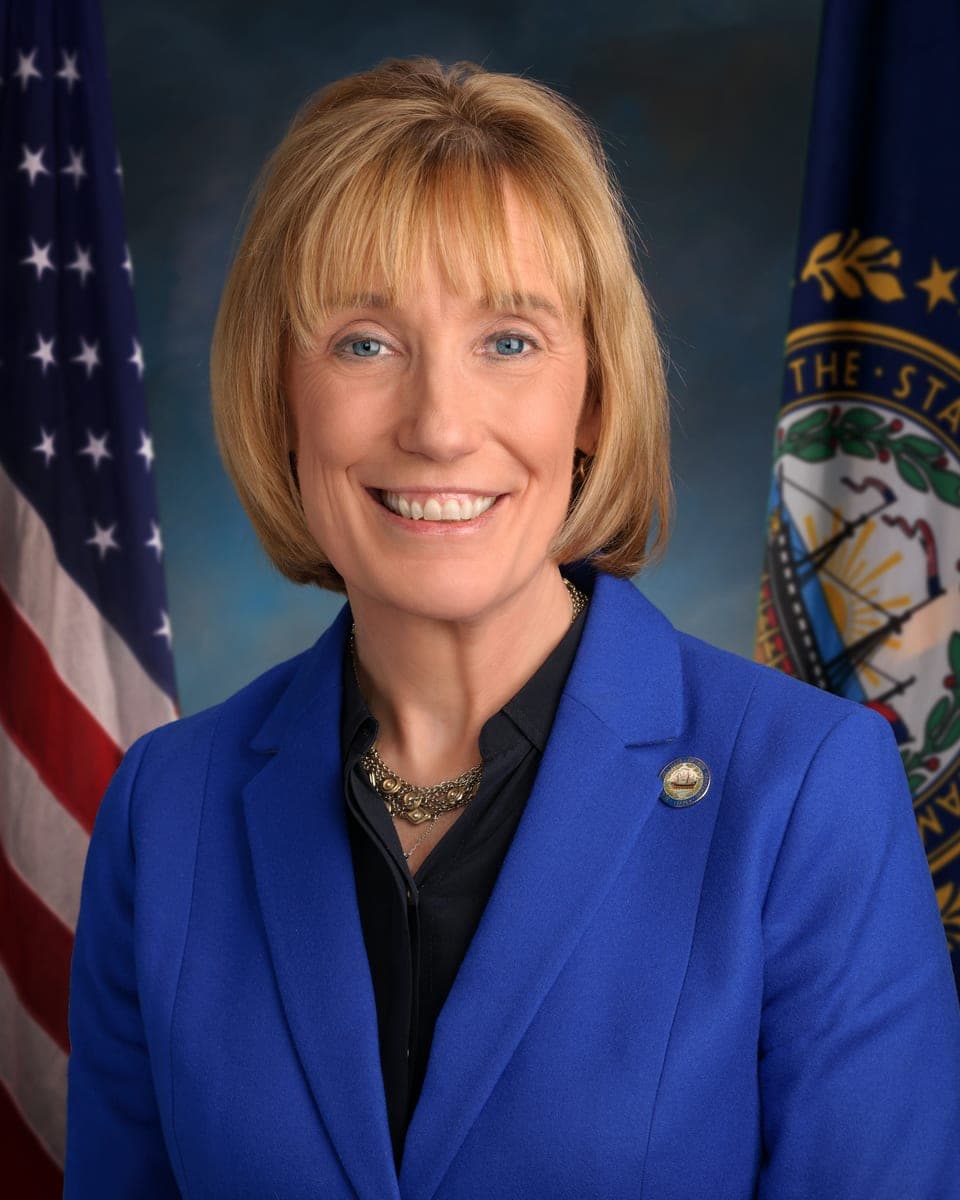
Sen. Hassan’s record: sponsored 59 bills this Congress. 6 passed the Senate; 0 became law.
- John CornynR-TXORIGINAL
What readers think
Discussion
Get an alert when it changes stage, gets a floor vote in the Senate, or is signed into law.