Data Center Community Empowerment Act of 2026
Creates federal technical assistance and a plain-English toolkit to help communities assess data center impacts.
In the Senate Energy and Natural Resources Committee since Sept. 30, 2026, 8 days after it was introduced. Most bills never leave committee.
- INTRODUCEDINTROSEP 30, 2026
- COMMITTEECOMM.IN COMMITTEE
- SENATESENATE—
- HOUSEHOUSE—
- LAWLAW—
What the bill would do, and why it matters
Communities considering data centers may need to understand how projects could affect local power, water, infrastructure, and jobs. The bill would offer governments federal technical help and a plain-English toolkit for examining those effects. It would also allow the Energy Secretary to review project information when asked, without deciding whether a data center should be approved.
- INTRODUCED ONLY This bill has been introduced and possibly referred to a committee, but it has not passed any vote. Most introduced bills never become law — they die in committee without a hearing.
- DATA NOTE No Congressional Research Service summary was available.
- Create community assistance program
The Energy Secretary would provide State, local, and Tribal governments that request it with information and technical help on possible data center effects, including on energy, water, infrastructure, and the local economy.
- Develop a public community toolkit
The Secretary would create a plain-English toolkit for local officials, with sample questions for developers and utilities, explanations of technical terms and utility rates, community case studies, and a guide to potential benefits and tradeoffs.
- Review project information independently
At a government’s request, the Secretary could ask a data center developer to voluntarily share project information, then assess the reliability of its data, assumptions, estimates, and conclusions. The Secretary would have to identify important assumptions and uncertainties and could not recommend whether a project should be approved.
- Keep siting decisions with local governments
The program would not give the Secretary authority to approve, reject, delay, or otherwise take part in State, local, or Tribal decisions about where a data center is built.
Data centers can affect local electricity and water use, infrastructure needs, costs, employment, and tax revenues. The bill would give governments tools to examine those potential effects, including who might pay for infrastructure upgrades and how a project’s estimates were reached.
The practical difference would be access to federal technical help and a public guide when communities assess data center proposals. The Secretary would provide information, not a recommendation on whether a project should be approved.
Written from the bill text.
The path it took, step by step
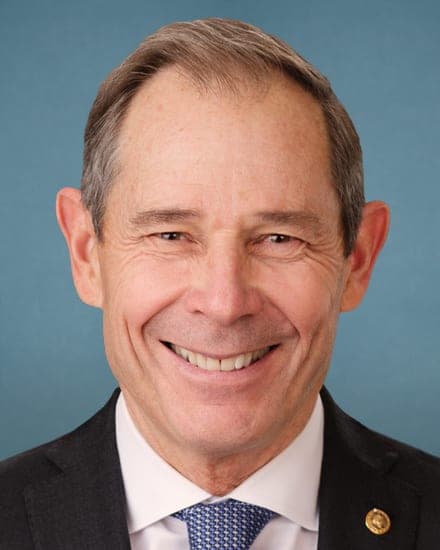
- IntroducedSEP 30, 2026SENATESEP 30, 2026By Sen. Curtis with 1 original cosponsorReferred to Energy and Natural Resources
- SAME DAYNOWSenate committeeSEP 30, 2026ENERGY & NATURAL RESOURCES NOWSEP 30, 2026In committee for 8 daysNo hearing yet
- 8 DAYS SO FARPassed the Senate—SENATE FLOOR—Not scheduled
- House committee—HOUSE—
- Passed the House—HOUSE FLOOR—Not scheduled
- Resolve differencesONLY IF NEEDEDBOTH CHAMBERSONLY IF NEEDEDSkipped if the other chamber passes the same text
- Signed into law—PRESIDENT—10 days to sign or veto
- SEP 302026SEP 30, 2026REFERREDRead twice and referred to the Committee on Energy and Natural Resources.
- SEP 302026SEP 30, 2026INTRODUCEDSENATEIntroduced in Senate
At day 8, this bill is already older than 3% of the laws passed this Congress were when they were signed.
Where your members stand on it
Support from one state
Plus the sponsor, a Republican. Every cosponsor is from one party.
Plus the sponsor, a Republican. Every cosponsor is from one party.
Sen. Curtis’s record: sponsored 55 bills this Congress. 3 passed the Senate; 1 became law.
- Lisa Blunt RochesterD-DEORIGINAL
What readers think
Discussion
Get an alert when it changes stage, gets a floor vote in the Senate, or is signed into law.