Protecting American Workers Through H–1B Modernization Act.
Replaces the fixed $60,000 wage threshold for exempt H-1B workers with twice the national average wage index.
In the Senate Judiciary Committee since Sept. 30, 2026, 8 days after it was introduced. Most bills never leave committee.
- INTRODUCEDINTROSEP 30, 2026
- COMMITTEECOMM.IN COMMITTEE
- SENATESENATE—
- HOUSEHOUSE—
- LAWLAW—
What the bill would do, and why it matters
Federal law sets a wage threshold for certain exempt H-1B workers. The bill would replace the fixed $60,000 threshold with twice the national average wage index for the most recently calculated year. The resulting dollar amount would depend on that index.
- INTRODUCED ONLY This bill has been introduced and possibly referred to a committee, but it has not passed any vote. Most introduced bills never become law — they die in committee without a hearing.
- DATA NOTE No Congressional Research Service summary was available.
- Replace the exempt-worker wage threshold
For exempt H-1B workers, the bill would replace the current $60,000 wage threshold with a threshold of twice the national average wage index for the most recently calculated year.
The practical change is how the wage threshold is set: it would be linked to a national wage measure rather than remain at a fixed dollar amount. The bill’s title presents the change as a way to protect American workers.
Written from the bill text.
The path it took, step by step
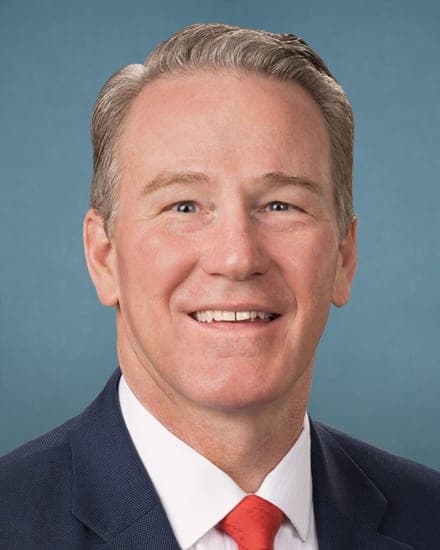
- IntroducedSEP 30, 2026SENATESEP 30, 2026By Sen. HustedReferred to Judiciary
- SAME DAYNOWSenate committeeSEP 30, 2026JUDICIARY NOWSEP 30, 2026In committee for 8 daysNo hearing yet
- 8 DAYS SO FARPassed the Senate—SENATE FLOOR—Not scheduled
- House committee—HOUSE—
- Passed the House—HOUSE FLOOR—Not scheduled
- Resolve differencesONLY IF NEEDEDBOTH CHAMBERSONLY IF NEEDEDSkipped if the other chamber passes the same text
- Signed into law—PRESIDENT—10 days to sign or veto
- SEP 302026SEP 30, 2026REFERREDRead twice and referred to the Committee on the Judiciary.
- SEP 302026SEP 30, 2026INTRODUCEDSENATEIntroduced in Senate
At day 8, this bill is already older than 3% of the laws passed this Congress were when they were signed.
Where your members stand on it
What readers think
Discussion
Get an alert when it changes stage, gets a floor vote in the Senate, or is signed into law.