Supporting Focus in Schools Act
Offers grants to qualifying schools that restrict students’ personal device use during instructional hours.
In the Senate Health, Education, Labor, and Pensions Committee since Sept. 30, 2026, 8 days after it was introduced. Most bills never leave committee.
- INTRODUCEDINTROSEP 30, 2026
- COMMITTEECOMM.IN COMMITTEE
- SENATESENATE—
- HOUSEHOUSE—
- LAWLAW—
What the bill would do, and why it matters
Schools set rules for whether students can use personal devices during class. The bill would offer competitive grants to qualifying schools that restrict device use during instructional hours, helping pay for storage equipment or staff training. It would require exceptions for specified health, disability-related, and emergency needs.
- INTRODUCED ONLY This bill has been introduced and possibly referred to a committee, but it has not passed any vote. Most introduced bills never become law — they die in committee without a hearing.
- DATA NOTE No Congressional Research Service summary was available.
- Create competitive school grants
The Education Secretary would award grants to elementary and secondary schools that receive Title I, Part A funds and have a policy restricting students’ personal electronic devices during instructional hours.
- Require device-use policies
To qualify, a school would need a policy prohibiting student use of personal electronic devices during instructional hours. The policy must allow administrator-approved exceptions for health treatment or monitoring, documented disability-related needs, and emergencies.
- Pay for equipment and training
Grant funds could pay for storage equipment such as phone lockers or pouches, and for professional development and training for teachers and school staff.
- Require a school report
A school receiving a grant would have to report on the effects of its funded activities, including any effects on academic outcomes.
The bill would give qualifying schools federal support for restricting personal electronic devices during instruction, including help with storage equipment and staff training. It would also require grant recipients to report on effects, including any effects on academic outcomes.
Written from the bill text.
The path it took, step by step
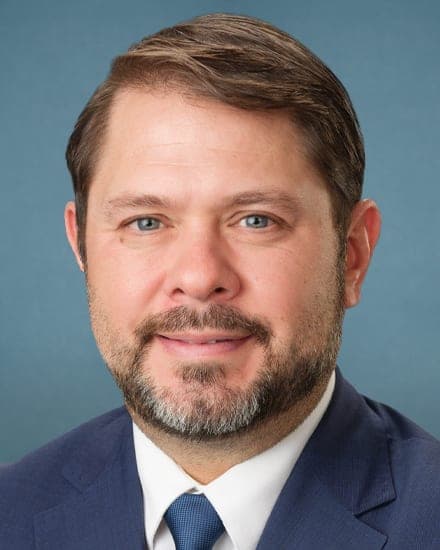
- IntroducedSEP 30, 2026SENATESEP 30, 2026By Sen. GallegoReferred to Health, Education, Labor, and Pensions
- SAME DAYNOWSenate committeeSEP 30, 2026HEALTH, EDUCATION, LABOR, & PENSIONS NOWSEP 30, 2026In committee for 8 daysNo hearing yet
- 8 DAYS SO FARPassed the Senate—SENATE FLOOR—Not scheduled
- House committee—HOUSE—
- Passed the House—HOUSE FLOOR—Not scheduled
- Resolve differencesONLY IF NEEDEDBOTH CHAMBERSONLY IF NEEDEDSkipped if the other chamber passes the same text
- Signed into law—PRESIDENT—10 days to sign or veto
- SEP 302026SEP 30, 2026REFERREDRead twice and referred to the Committee on Health, Education, Labor, and Pensions.
- SEP 302026SEP 30, 2026INTRODUCEDSENATEIntroduced in Senate
At day 8, this bill is already older than 3% of the laws passed this Congress were when they were signed.
Where your members stand on it
What readers think
Discussion
Get an alert when it changes stage, gets a floor vote in the Senate, or is signed into law.