SOAR Act
Creates Small Business Administration grants for organizations that help startups and early-stage small businesses grow.
In the Senate Small Business and Entrepreneurship Committee since Sept. 30, 2026, 8 days after it was introduced. Most bills never leave committee.
- INTRODUCEDINTROSEP 30, 2026
- COMMITTEECOMM.IN COMMITTEE
- SENATESENATE—
- HOUSEHOUSE—
- LAWLAW—
What the bill would do, and why it matters
New businesses often need advice, workspace, and connections to grow. The SOAR Act would create Small Business Administration grants for organizations that support startups and early-stage small businesses. Grant funds could pay for facilities and programs, but not go directly to businesses as capital. It would set funding priorities and require annual reporting.
- INTRODUCED ONLY This bill has been introduced and possibly referred to a committee, but it has not passed any vote. Most introduced bills never become law — they die in committee without a hearing.
- DATA NOTE No Congressional Research Service summary was available.
- Create grants for startup-support organizations
The Small Business Administration would award cash grants of at least $1,000,000 to eligible U.S. organizations that support new small businesses. Grant money could pay for construction, space, and program costs, but could not be passed directly to businesses as capital.
- Direct funds toward specified accelerators
At least 50 percent of the amounts appropriated for grants in a fiscal year would go to accelerators in areas identified by the Small Business Act and to accelerators where at least half the businesses served meet specified ownership or service criteria, including criteria related to women, disadvantaged individuals, veterans, Native Americans, formerly incarcerated individuals, and people with disabilities.
- Set grant priorities and application rules
The SBA would prioritize organizations offering services such as workspace, access to capital or professional services, or structured mentorship. It would also prioritize qualifying relationships with nearby minority-serving institutions and use an application process designed to be accessible and limit paperwork.
- Require progress reports and coordination
Grant recipients would report each year on participating businesses, outcomes, and ownership categories, and the SBA would report annually to Congress on the program’s effectiveness. The SBA would also encourage coordination with its other programs and make information about opportunities for veterans available through VA facilities.
The bill cites findings that startups face common challenges and that venture capital is concentrated in a small number of metropolitan areas. It also cites disparities in venture funding for businesses owned by African Americans, Latinos, and women, and presents accelerators as a way to connect startups with mentoring, resources, and business services.
The proposed program would use federal grants to support those intermediary organizations rather than provide direct startup capital. The bill authorizes appropriations for the program over fiscal years 2027 through 2036.
Written from the bill text.
The path it took, step by step
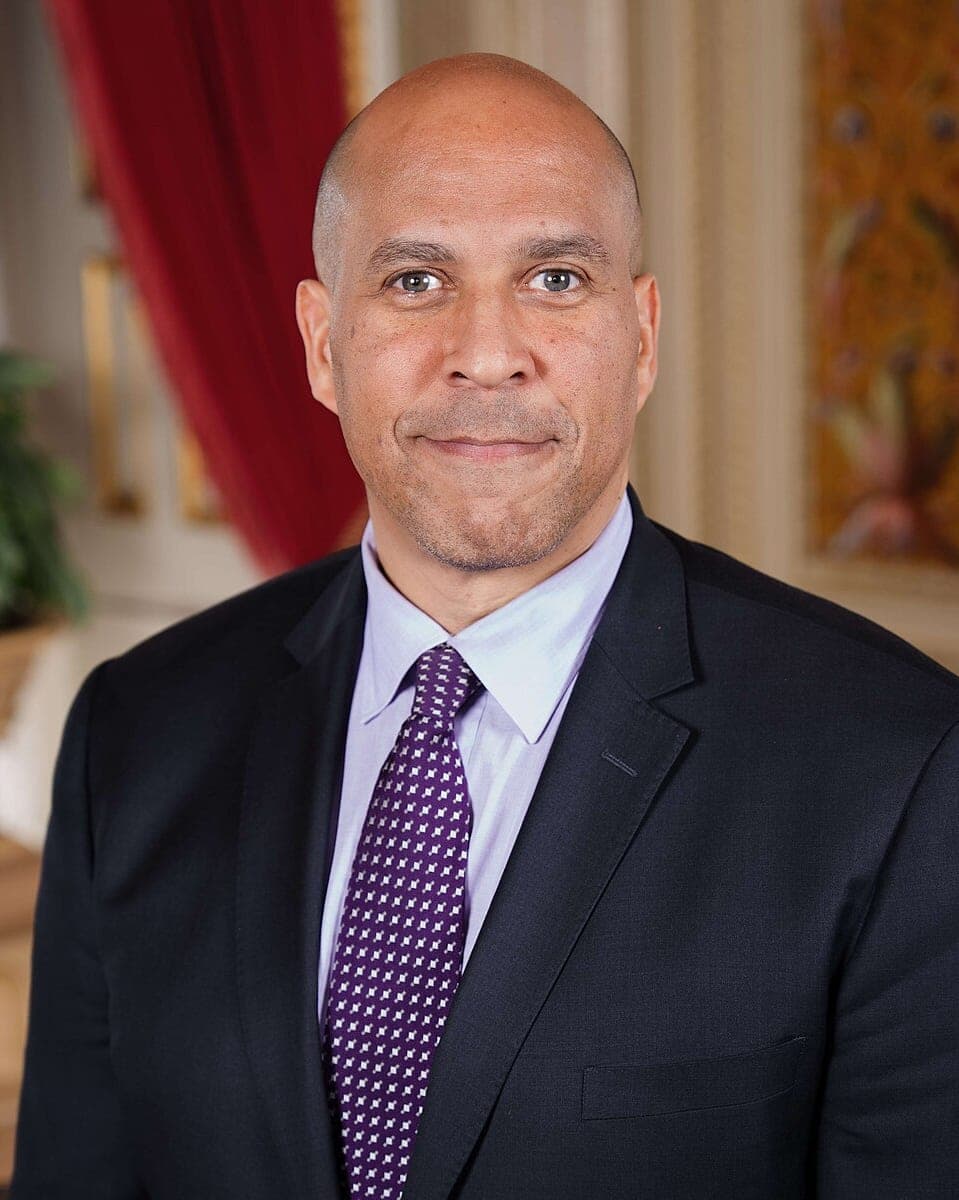
- IntroducedSEP 30, 2026SENATESEP 30, 2026By Sen. Booker with 3 original cosponsorsReferred to Small Business and Entrepreneurship
- SAME DAYNOWSenate committeeSEP 30, 2026SMALL BUSINESS & ENTREPRENEURSHIP NOWSEP 30, 2026In committee for 8 daysNo hearing yet
- 8 DAYS SO FARPassed the Senate—SENATE FLOOR—Not scheduled
- House committee—HOUSE—
- Passed the House—HOUSE FLOOR—Not scheduled
- Resolve differencesONLY IF NEEDEDBOTH CHAMBERSONLY IF NEEDEDSkipped if the other chamber passes the same text
- Signed into law—PRESIDENT—10 days to sign or veto
- SEP 302026SEP 30, 2026REFERREDRead twice and referred to the Committee on Small Business and Entrepreneurship.
- SEP 302026SEP 30, 2026INTRODUCEDSENATEIntroduced in Senate
At day 8, this bill is already older than 3% of the laws passed this Congress were when they were signed.
Where your members stand on it
A coalition from 3 states
Plus the sponsor, a Democrat. Every cosponsor is from one party.
Plus the sponsor, a Democrat. Every cosponsor is from one party.
Sen. Booker’s record: sponsored 130 bills this Congress. 5 passed the Senate; 0 became law.
- Lisa Blunt RochesterD-DEORIGINAL
- Mazie K. HironoD-HIORIGINAL
- Chris Van HollenD-MDORIGINAL
What readers think
Discussion
Get an alert when it changes stage, gets a floor vote in the Senate, or is signed into law.