Judicial Ethics Enforcement Act of 2026
Creates a judicial branch inspector general to investigate alleged misconduct and protect employees who help with investigations.
In the Senate Judiciary Committee since Sept. 30, 2026, 8 days after it was introduced. Most bills never leave committee.
- INTRODUCEDINTROSEP 30, 2026
- COMMITTEECOMM.IN COMMITTEE
- SENATESENATE—
- HOUSEHOUSE—
- LAWLAW—
What the bill would do, and why it matters
Oversight of judicial conduct concerns how allegations of misconduct are investigated. The bill would create a judicial branch inspector general to investigate alleged misconduct, including at the Supreme Court, and report to the Chief Justice and Congress. It would also protect employees who assist investigations from workplace retaliation.
- INTRODUCED ONLY This bill has been introduced and possibly referred to a committee, but it has not passed any vote. Most introduced bills never become law — they die in committee without a hearing.
- DATA NOTE No Congressional Research Service summary was available.
- Create a judicial branch inspector general
The bill would establish an Office of Inspector General for the Judicial Branch. The Chief Justice would appoint its head after consulting congressional leaders; the Inspector General would serve four-year terms and could be removed by the Chief Justice, who would have to tell Congress why.
- Investigate alleged judicial misconduct
The office would investigate alleged misconduct across the judicial branch, including alleged violations of the Supreme Court Code of Conduct or other misconduct at the Supreme Court. For matters under the existing judicial-conduct process, an investigation could begin only after a circuit judicial council denies review or refers or certifies the matter to the Judicial Conference.
- Give the office investigative powers
The Inspector General could obtain government and other records, issue subpoenas for testimony and documents, and seek court enforcement of subpoenas. The office could also hire staff and, subject to funding provided by appropriations acts, contract for audits and other services; it could not review the merits of court decisions or punish or discipline judges.
- Require reports and protect whistleblowers
The Inspector General would report annually to the Chief Justice and Congress, promptly report matters that may require action, and quickly alert the Attorney General to reasonable grounds to believe a federal crime occurred. Judicial branch employees who lawfully assist investigations would be protected from workplace retaliation and could seek relief in civil court.
The bill would create a dedicated office to investigate alleged misconduct, waste, fraud, and abuse in the judicial branch. It would also set a process for bringing possible federal criminal violations to the Attorney General's attention.
The practical stakes include how misconduct allegations are investigated and whether employees feel protected when they report them. The office's authority would have limits: it could not review the merits of judicial decisions or discipline judges.
Written from the bill text.
The path it took, step by step
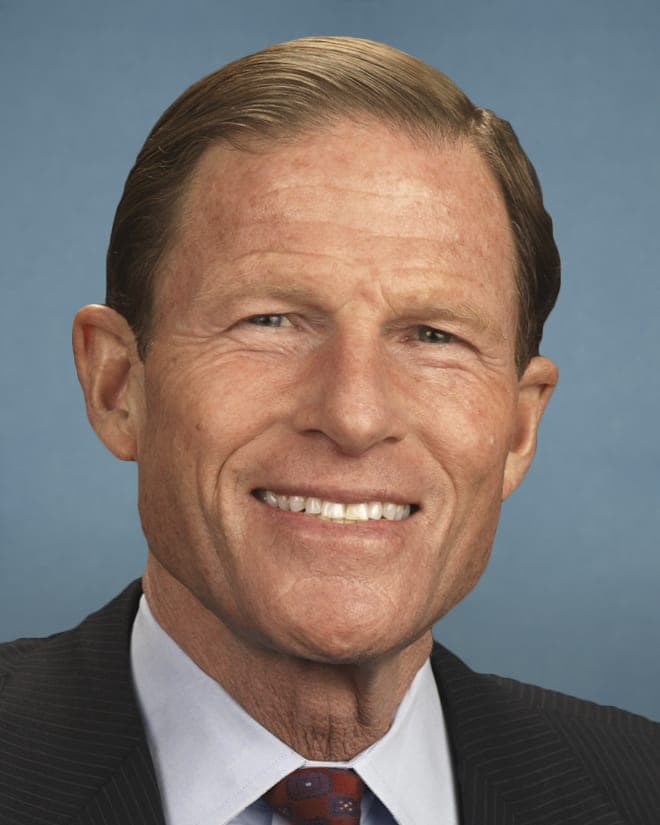
- IntroducedSEP 30, 2026SENATESEP 30, 2026By Sen. Blumenthal with 8 original cosponsorsReferred to Judiciary
- SAME DAYNOWSenate committeeSEP 30, 2026JUDICIARY NOWSEP 30, 2026In committee for 8 daysNo hearing yet
- 8 DAYS SO FARPassed the Senate—SENATE FLOOR—Not scheduled
- House committee—HOUSE—
- Passed the House—HOUSE FLOOR—Not scheduled
- Resolve differencesONLY IF NEEDEDBOTH CHAMBERSONLY IF NEEDEDSkipped if the other chamber passes the same text
- Signed into law—PRESIDENT—10 days to sign or veto
- SEP 302026SEP 30, 2026REFERREDRead twice and referred to the Committee on the Judiciary.
- SEP 302026SEP 30, 2026INTRODUCEDSENATEIntroduced in Senate
At day 8, this bill is already older than 3% of the laws passed this Congress were when they were signed.
Where your members stand on it
A coalition from 6 states
Plus the sponsor, a Democrat. Every cosponsor is from one party.
Plus the sponsor, a Democrat. Every cosponsor is from one party.
Sen. Blumenthal’s record: sponsored 132 bills this Congress. 10 passed the Senate; 0 became law.
- Cory A. BookerD-NJORIGINAL
- Mazie K. HironoD-HIORIGINAL
- Andy KimD-NJORIGINAL
- Jeff MerkleyD-ORORIGINAL
- Adam B. SchiffD-CAORIGINAL
- Peter WelchD-VTORIGINAL
- Sheldon WhitehouseD-RIORIGINAL
- Ron WydenD-ORORIGINAL
What readers think
Discussion
Get an alert when it changes stage, gets a floor vote in the Senate, or is signed into law.