Beyond the Box for Higher Education Act of 2026
Directs federal guidance and support to help colleges reconsider criminal-history questions in admissions.
In the Senate Health, Education, Labor, and Pensions Committee since Sept. 30, 2026, 8 days after it was introduced. Most bills never leave committee.
- INTRODUCEDINTROSEP 30, 2026
- COMMITTEECOMM.IN COMMITTEE
- SENATESENATE—
- HOUSEHOUSE—
- LAWLAW—
What the bill would do, and why it matters
College applications sometimes ask about applicants' criminal or juvenile justice histories. The bill would direct the Education Secretary to recommend when colleges should remove those questions and how to handle them if they keep asking. It would also provide colleges with training and assistance and create a resource center.
- INTRODUCED ONLY This bill has been introduced and possibly referred to a committee, but it has not passed any vote. Most introduced bills never become law — they die in committee without a hearing.
- DATA NOTE No Congressional Research Service summary was available.
- Guide colleges on admissions questions
The Education Secretary would issue recommendations on whether colleges should remove criminal and juvenile justice questions from admissions applications. Colleges would be asked to consider whether the information is needed to make an informed admissions decision.
- Recommend safeguards when colleges ask
If a college keeps these questions in admissions, the recommendations would call for delaying the request or review until after an admissions decision, giving applicants a chance to explain, and providing notice and justification within 30 days if admission is denied or rescinded solely because of that history. If a college removes the questions from admissions but asks about history in other interactions, the recommendations would call for clear, narrow questions and privacy protections.
- Provide training and technical assistance
The Education Department would use funds available to it to help colleges develop policies aligned with the recommendations. Training would address admissions and financial aid, campus employment, student services, privacy, proxy questions, and career guidance about employment or licensing barriers.
- Create a college resource center
The Education Secretary would create a resource center with best practices for supporting students with criminal or juvenile justice histories and additional research on those students and higher education.
The bill cites criminal records and juvenile records that may not be confidential as possible barriers to returning to society. It says people of color and low-income people are disproportionately affected by the consequences of justice-system involvement, and that incarceration can contribute to lower earnings, unemployment, and poverty.
The bill also says that more educational opportunity can improve reentry outcomes and help people find stable employment and contribute to their communities. Its approach is to encourage colleges to examine how they use justice-history information, rather than requiring them to stop asking about it.
Written from the bill text.
The path it took, step by step
- IntroducedSEP 30, 2026SENATESEP 30, 2026By Sen. Schatz with 7 original cosponsorsReferred to Health, Education, Labor, and Pensions
- SAME DAYNOWSenate committeeSEP 30, 2026HEALTH, EDUCATION, LABOR, & PENSIONS NOWSEP 30, 2026In committee for 8 daysNo hearing yet
- 8 DAYS SO FARPassed the Senate—SENATE FLOOR—Not scheduled
- House committee—HOUSE—
- Passed the House—HOUSE FLOOR—Not scheduled
- Resolve differencesONLY IF NEEDEDBOTH CHAMBERSONLY IF NEEDEDSkipped if the other chamber passes the same text
- Signed into law—PRESIDENT—10 days to sign or veto
- SEP 302026SEP 30, 2026REFERREDRead twice and referred to the Committee on Health, Education, Labor, and Pensions.
- SEP 302026SEP 30, 2026INTRODUCEDSENATEIntroduced in Senate
At day 8, this bill is already older than 3% of the laws passed this Congress were when they were signed.
Where your members stand on it
A coalition from 6 states
Plus the sponsor, a Democrat. Every cosponsor is from one party.
Plus the sponsor, a Democrat. Every cosponsor is from one party.
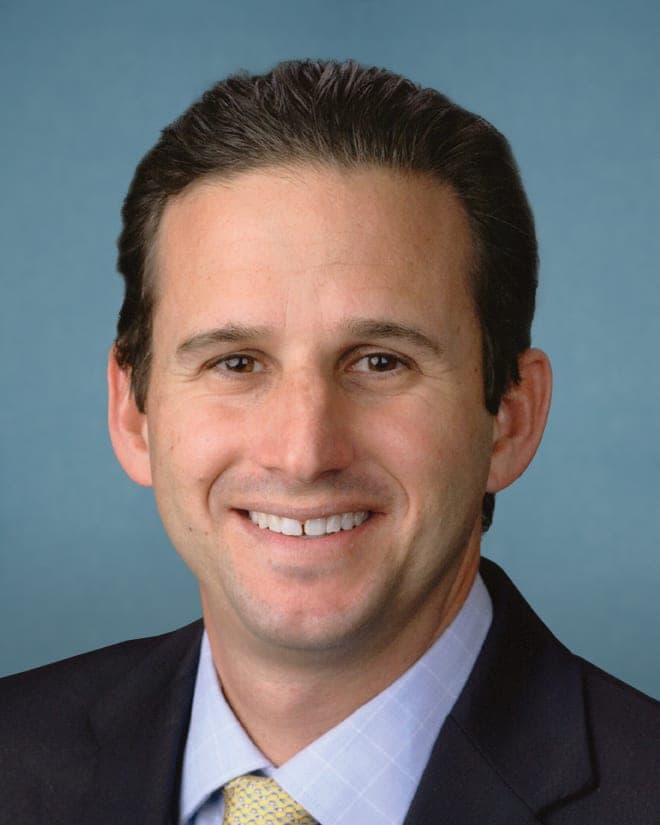
Sen. Schatz’s record: sponsored 67 bills this Congress. 5 passed the Senate; 0 became law.
- Richard J. DurbinD-ILORIGINAL
- Amy KlobucharD-MNORIGINAL
- Jeff MerkleyD-ORORIGINAL
- Christopher MurphyD-CTORIGINAL
- Alex PadillaD-CAORIGINAL
- Elizabeth WarrenD-MAORIGINAL
- Ron WydenD-ORORIGINAL
What readers think
Discussion
Get an alert when it changes stage, gets a floor vote in the Senate, or is signed into law.