SRBIJA Act
Sets conditions for U.S.-Serbia dialogue and authorizes additional assistance after certified progress on democratic accountability and policy alignment.
In the Senate Foreign Relations Committee since Sept. 30, 2026, 8 days after it was introduced. Most bills never leave committee.
- INTRODUCEDINTROSEP 30, 2026
- COMMITTEECOMM.IN COMMITTEE
- SENATESENATE—
- HOUSEHOUSE—
- LAWLAW—
What the bill would do, and why it matters
Serbia’s governance and international relationships are important to U.S. diplomacy and regional security. The bill would require assessments of Serbia’s ties with Russia and China, set conditions for U.S. participation in a bilateral dialogue, and make additional assistance available after a presidential certification of sustained progress on democratic accountability and policy alignment. It also sets a U.S. policy of using sanctions against people who meet specified criteria.
- INTRODUCED ONLY This bill has been introduced and possibly referred to a committee, but it has not passed any vote. Most introduced bills never become law — they die in committee without a hearing.
- DATA NOTE No Congressional Research Service summary was available.
- Set conditions for strategic dialogue
The Secretary of State could take part in the U.S.-Serbia Strategic Dialogue only if it addresses Serbia’s ties with Russia, China, and Iran; elections; corruption and rule of law; and democratic governance, press freedom, and freedom of assembly. At least 10 days before each dialogue, the Secretary would have to tell Congress in writing how those issues would be addressed; without that certification, State Department officials could not participate or spend funds on the dialogue.
- Require a Serbia strategy and report
The Secretary of State, working with other agencies, would send Congress a strategy on U.S.-Serbia engagement, including support for independent media, civil society, and judicial reform; investigations into the Novi Sad disaster and alleged force against protesters; Serbia’s ties with Russia and China; and the Serbia-Kosovo dialogue. A separate report would examine Russian and Chinese influence in Serbia and potential risks to U.S. interests.
- Set a policy for sanctions
The bill would state that U.S. policy is to impose financial and visa sanctions on people who contribute to instability in the Western Balkans, including people involved in threats to regional peace, undermining democratic institutions, corruption, serious human rights abuses, or obstructing regional agreements. It cites existing executive orders and sanctions law; it does not specify particular people to sanction.
- Authorize additional aid after certification
Additional assistance to Serbia would be authorized after the President certifies to Congress that Serbia has made significant and sustained progress on independent judicial accountability, media freedom, and alignment of its foreign and security policy with NATO and the European Union. The bill also expresses Congress’s view that the United States should strengthen ties and cooperation if Serbia takes steps toward that path.
The bill cites concerns about democratic backsliding, corruption, judicial independence, media freedom, and the treatment of protesters in Serbia. It also says Serbia’s growing ties with Russia, China, and Iran could matter to U.S. interests and regional security.
The measure would make U.S. engagement and additional assistance more explicitly tied to democratic accountability and foreign-policy alignment, while directing federal officials to assess those issues for Congress.
Written from the bill text.
The path it took, step by step
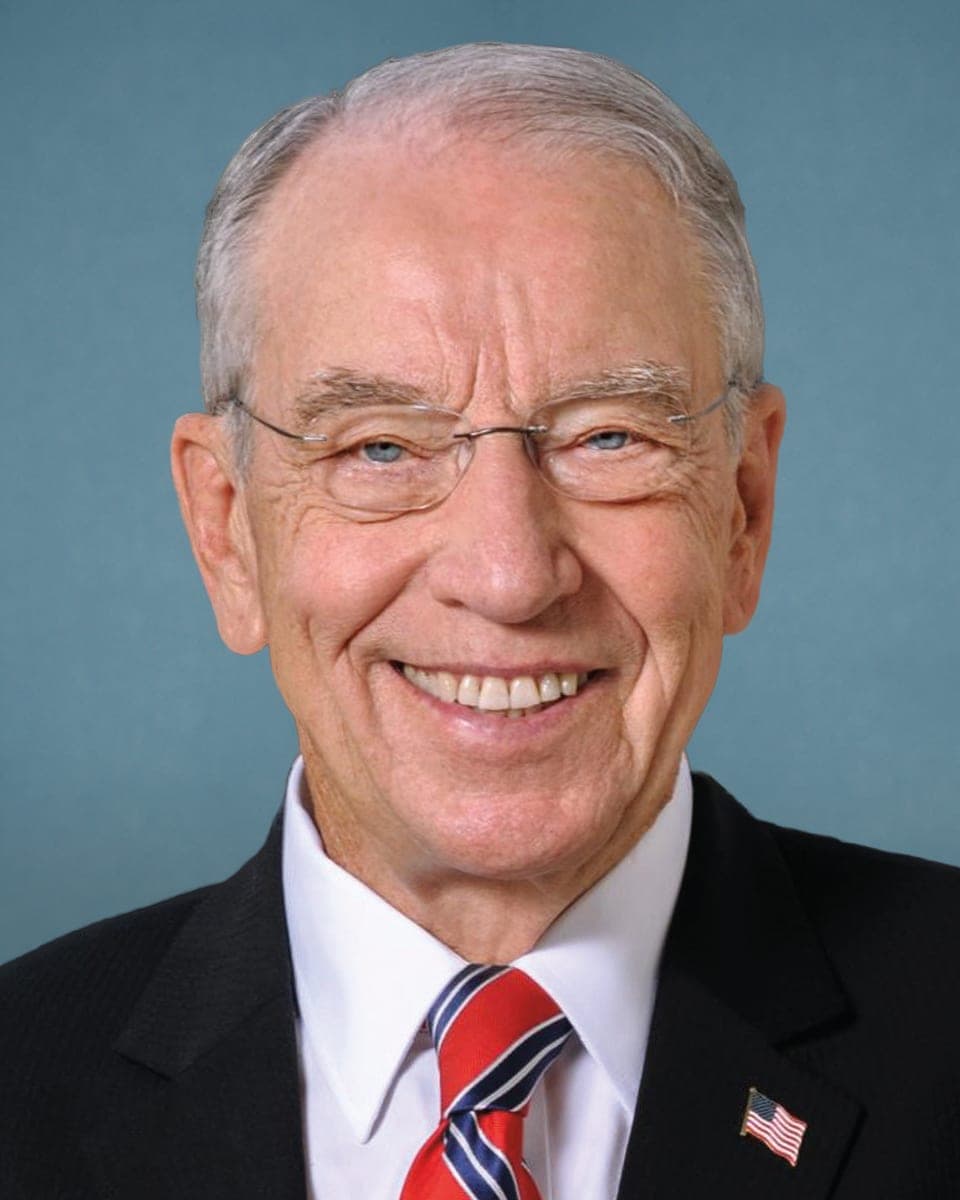
- IntroducedSEP 30, 2026SENATESEP 30, 2026By Sen. Grassley with 1 original cosponsorReferred to Foreign Relations
- SAME DAYNOWSenate committeeSEP 30, 2026FOREIGN RELATIONS NOWSEP 30, 2026In committee for 8 daysNo hearing yet
- 8 DAYS SO FARPassed the Senate—SENATE FLOOR—Not scheduled
- House committee—HOUSE—
- Passed the House—HOUSE FLOOR—Not scheduled
- Resolve differencesONLY IF NEEDEDBOTH CHAMBERSONLY IF NEEDEDSkipped if the other chamber passes the same text
- Signed into law—PRESIDENT—10 days to sign or veto
- SEP 302026SEP 30, 2026REFERREDRead twice and referred to the Committee on Foreign Relations.
- SEP 302026SEP 30, 2026INTRODUCEDSENATEIntroduced in Senate
At day 8, this bill is already older than 3% of the laws passed this Congress were when they were signed.
Where your members stand on it
Support from one state
Plus the sponsor, a Republican. Every cosponsor is from one party.
Plus the sponsor, a Republican. Every cosponsor is from one party.
Sen. Grassley’s record: sponsored 97 bills this Congress. 36 passed the Senate; 0 became law.
- Richard BlumenthalD-CTORIGINAL
Coverage at a glance
Outlets that covered this bill, by their lean; 1 more are not rated.
What readers think
Discussion
Get an alert when it changes stage, gets a floor vote in the Senate, or is signed into law.