Improving Species Recovery Act
Adds species recovery milestones and public reporting, sets rules for considering voluntary conservation, and expands digital tools for federal consultations.
In the Senate Environment and Public Works Committee since Sept. 30, 2026, 8 days after it was introduced. Most bills never leave committee.
- INTRODUCEDINTROSEP 30, 2026
- COMMITTEECOMM.IN COMMITTEE
- SENATESENATE—
- HOUSEHOUSE—
- LAWLAW—
What the bill would do, and why it matters
The Endangered Species Act sets rules for protecting threatened and endangered species and coordinating federal actions that may affect them. The proposal would add clearer ways to assess conservation efforts and track recovery, including public reporting and milestones that can trigger added flexibility. It would also expand online consultation tools and study whether technology or artificial intelligence could speed other reviews while following the Act.
- INTRODUCED ONLY This bill has been introduced and possibly referred to a committee, but it has not passed any vote. Most introduced bills never become law — they die in committee without a hearing.
- DATA NOTE No Congressional Research Service summary was available.
- Set standards for listing decisions
Before deciding whether to list a species as threatened or endangered, the Secretary would set clear standards for when threats and demographic conditions would no longer meet the legal definitions, if doing so would encourage voluntary conservation. Listing decisions would also have to describe the species’ starting condition, including the data, assumptions, and important uncertainties behind it.
- Track recovery with milestones and reports
Recovery plans would identify priority research questions and scientific data gaps, as well as science-based milestones for measuring progress toward no longer meeting the definitions of threatened or endangered. At least once every 3 years, the Secretary would report on recovery efforts and species’ status, and make summarized information for each listed species public.
- Set rules for considering conservation at delisting
Within 3 years after enactment, the Secretary would issue regulations explaining how voluntary conservation actions factor into decisions to remove a species from the list. The regulations would cover working with States and others after removal and how the Secretary determines whether conservation actions will continue and remain effective into the foreseeable future.
- Link milestones to added flexibility
Where prudent and determinable, rules for listed species would include objective criteria, including conservation milestones, that can trigger additional flexibility. The Secretary could also use milestones as triggers for flexibility in certain rules, measures, and permits, and prioritize species that meet milestones when allocating conservation funds under existing programs.
- Expand digital consultation tools
The Secretary would expand the Fish and Wildlife Service’s Information for Planning and Consultation tool, subject to available appropriations, by identifying and producing more decision tools for categories of agency actions. Within 1 year after enactment, the Secretary would study whether digital technology or artificial intelligence could speed up or automate other Endangered Species Act processes while meeting the Act’s requirements, and report the results to Congress.
The proposal addresses how conservation efforts, species data, and recovery progress are considered under the Endangered Species Act. Its approach could affect both the consistency and transparency of decisions about species protection and how much flexibility is available as a species approaches recovery.
It also seeks to speed some agency consultations through digital tools, while requiring any study of automation to preserve the Act’s requirements. The practical stakes include how agencies track recovery, recognize voluntary conservation, and carry out reviews involving listed species.
Written from the bill text.
The path it took, step by step
- IntroducedSEP 30, 2026SENATESEP 30, 2026By Sen. Schiff with 1 original cosponsorReferred to Environment and Public Works
- SAME DAYNOWSenate committeeSEP 30, 2026ENVIRONMENT & PUBLIC WORKS NOWSEP 30, 2026In committee for 8 daysNo hearing yet
- 8 DAYS SO FARPassed the Senate—SENATE FLOOR—Not scheduled
- House committee—HOUSE—
- Passed the House—HOUSE FLOOR—Not scheduled
- Resolve differencesONLY IF NEEDEDBOTH CHAMBERSONLY IF NEEDEDSkipped if the other chamber passes the same text
- Signed into law—PRESIDENT—10 days to sign or veto
- SEP 302026SEP 30, 2026REFERREDRead twice and referred to the Committee on Environment and Public Works.
- SEP 302026SEP 30, 2026INTRODUCEDSENATEIntroduced in Senate
At day 8, this bill is already older than 3% of the laws passed this Congress were when they were signed.
Where your members stand on it
Support from one state
Plus the sponsor, a Democrat. Every cosponsor is from one party.
Plus the sponsor, a Democrat. Every cosponsor is from one party.
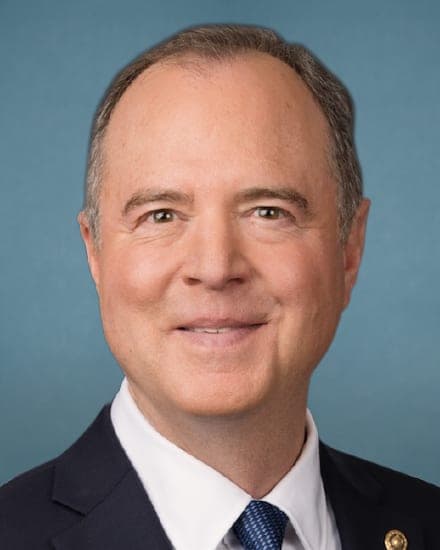
Sen. Schiff’s record: sponsored 100 bills this Congress. 3 passed the Senate; 0 became law.
- Pete RickettsR-NEORIGINAL
What readers think
Discussion
Get an alert when it changes stage, gets a floor vote in the Senate, or is signed into law.