Military DEI Repeal Act of 2026
Removes diversity-related language from military selection-board provisions, repeals a provision labeled as a pronoun policy, and revises human-relations training language.
In the Senate Armed Services Committee since Sept. 29, 2026, 9 days after it was introduced. Most bills never leave committee.
- INTRODUCEDINTROSEP 29, 2026
- COMMITTEECOMM.IN COMMITTEE
- SENATESENATE—
- HOUSEHOUSE—
- LAWLAW—
What the bill would do, and why it matters
Military law includes rules related to personnel decisions and training. The measure would remove specified diversity-related language from three selection-board provisions, repeal a separate provision labeled as a pronoun policy, and change human-relations training language to name honor, excellence, courage, and commitment.
- INTRODUCED ONLY This bill has been introduced and possibly referred to a committee, but it has not passed any vote. Most introduced bills never become law — they die in committee without a hearing.
- DATA NOTE No Congressional Research Service summary was available.
- Remove diversity-related selection-board language
The bill would strike the last sentence of three provisions in Title 10 that it identifies as diversity requirements for selection boards. The text does not specify what those sentences currently require.
- Repeal a pronoun-policy provision
The bill would repeal section 986 of Title 10, which the bill labels as a pronoun policy. It does not describe the provision’s specific rules.
- Revise human-relations training language
The bill would change a Title 10 provision so that human-relations training includes “honor, excellence, courage, and commitment.”
The measure would change statutory rules connected to military selection boards, a pronoun policy, and human-relations training. Those changes could affect how the military addresses diversity-related considerations and pronoun policy in these areas, as well as the values named in training requirements.
Written from the bill text.
The path it took, step by step
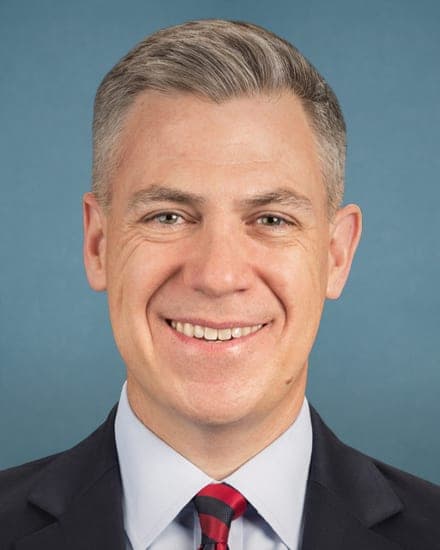
- IntroducedSEP 29, 2026SENATESEP 29, 2026By Sen. BanksReferred to Armed Services
- SAME DAYNOWSenate committeeSEP 29, 2026ARMED SERVICES NOWSEP 29, 2026In committee for 9 daysNo hearing yet
- 9 DAYS SO FARPassed the Senate—SENATE FLOOR—Not scheduled
- House committee—HOUSE—
- Passed the House—HOUSE FLOOR—Not scheduled
- Resolve differencesONLY IF NEEDEDBOTH CHAMBERSONLY IF NEEDEDSkipped if the other chamber passes the same text
- Signed into law—PRESIDENT—10 days to sign or veto
- SEP 292026SEP 29, 2026REFERREDRead twice and referred to the Committee on Armed Services.
- SEP 292026SEP 29, 2026INTRODUCEDSENATEIntroduced in Senate
At day 9, this bill is already older than 3% of the laws passed this Congress were when they were signed.
Where your members stand on it
What readers think
Discussion
Get an alert when it changes stage, gets a floor vote in the Senate, or is signed into law.