Oil Company Windfall Profits Tax Act of 2026
Charges integrated oil companies a 50% fee on profits above a calculated historical benchmark and directs revenue to transportation-related trust funds.
In the Senate Finance Committee since Sept. 28, 2026, 8 days after it was introduced. Most bills never leave committee.
- INTRODUCEDINTROSEP 28, 2026
- COMMITTEECOMM.IN COMMITTEE
- SENATESENATE—
- HOUSEHOUSE—
- LAWLAW—
What the bill would do, and why it matters
Federal tax rules determine how companies’ profits are taxed. This bill would add a fee for integrated oil companies earning above a benchmark based on their earlier profits. It would send fee revenue to transportation-related trust funds.
- INTRODUCED ONLY This bill has been introduced and possibly referred to a committee, but it has not passed any vote. Most introduced bills never become law — they die in committee without a hearing.
- DATA NOTE No Congressional Research Service summary was available.
- Charge a fee on excess oil profits
Integrated oil companies would owe a fee equal to 50% of their excess profit for taxable years beginning after Dec. 31, 2025. Excess profit is adjusted taxable income above a benchmark based on the company’s average adjusted taxable income over a five-year period beginning after Dec. 31, 2020, excluding the year with the highest income, plus 10% of that average.
- Direct fee revenue to trust funds
The fee would be added to revenue going to the Highway Trust Fund. The bill also directs an amount equal to 0.5435% of the fee to the Leaking Underground Storage Tank Trust Fund, and 15.63% of the fee-attributable Highway Trust Fund amounts, after the specified adjustment, to the Mass Transit Account.
- Set collection and reporting rules
The Treasury Secretary would set rules for withholding, depositing and filing the fee, and could require liable companies to keep records and provide information. The fee would be deductible under the federal tax code.
The bill’s stated purpose is to impose a fee on excess oil profits. It would create an additional federal charge for qualifying integrated oil companies and direct the resulting revenue to transportation-related trust funds.
Written from the bill text.
The path it took, step by step
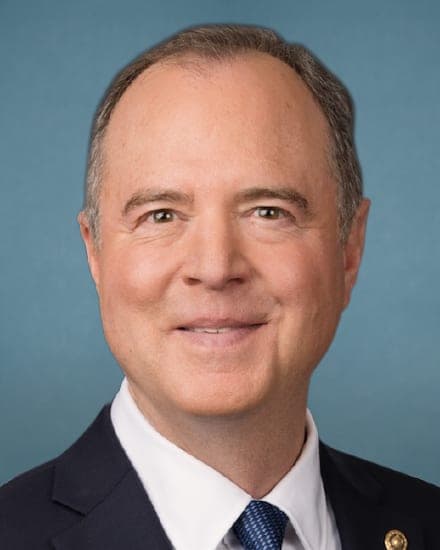
- IntroducedSEP 28, 2026SENATESEP 28, 2026By Sen. SchiffReferred to Finance
- SAME DAYNOWSenate committeeSEP 28, 2026FINANCE NOWSEP 28, 2026In committee for 8 daysNo hearing yet
- 8 DAYS SO FARPassed the Senate—SENATE FLOOR—Not scheduled
- House committee—HOUSE—
- Passed the House—HOUSE FLOOR—Not scheduled
- Resolve differencesONLY IF NEEDEDBOTH CHAMBERSONLY IF NEEDEDSkipped if the other chamber passes the same text
- Signed into law—PRESIDENT—10 days to sign or veto
- SEP 282026SEP 28, 2026REFERREDRead twice and referred to the Committee on Finance.
- SEP 282026SEP 28, 2026INTRODUCEDSENATEIntroduced in Senate
At day 8, this bill is already older than 3% of the laws passed this Congress were when they were signed.
Where your members stand on it
What readers think
Discussion
Get an alert when it changes stage, gets a floor vote in the Senate, or is signed into law.