Smaller Class Sizes for Students and Educators Act of 2026
Creates federal grants to help selected public schools reduce class sizes in kindergarten through grade 3.
In the Senate Health, Education, Labor, and Pensions Committee since Sept. 28, 2026, 10 days after it was introduced. Most bills never leave committee.
- INTRODUCEDINTROSEP 28, 2026
- COMMITTEECOMM.IN COMMITTEE
- SENATESENATE—
- HOUSEHOUSE—
- LAWLAW—
What the bill would do, and why it matters
Class size affects how many students share a classroom and how schools staff early grades. This bill would create five-year federal grants to help local educational agencies reduce kindergarten-through-grade-3 class sizes in selected schools. It would prioritize high-poverty communities and require grant recipients to report on progress and outcomes.
- INTRODUCED ONLY This bill has been introduced and possibly referred to a committee, but it has not passed any vote. Most introduced bills never become law — they die in committee without a hearing.
- DATA NOTE No Congressional Research Service summary was available.
- Create grants to reduce early-grade class sizes
The Education Secretary would award competitive five-year grants to local educational agencies (school districts and similar entities). Their plans must describe how they would reduce classes to no more than 18 students in targeted public elementary schools in kindergarten through grade 3; targeted schools are those in the highest quartile in their district for students eligible for free or reduced-price lunch.
- Direct grants toward high-poverty schools
The Secretary would give priority to agencies serving the greatest number or percentage of students from families at or below the poverty line. Within a grant, agencies would first prioritize targeted schools with the highest percentages of students from those families, then schools with the largest average early-grade classes.
- Use most funds for class-size reduction
Agencies would have to use at least 97% of grant funds for class-size reduction, including hiring and supporting qualified teachers, providing teacher training, improving classroom space, and gathering and publicly reporting educator feedback. No more than 15% could go to classroom space and no more than 15% to professional development; administrative expenses would be capped at 3%.
- Require reports and an evaluation
Grant recipients would report their activities and progress to their state each year, and states would send those reports to the Secretary. The Secretary would evaluate class-size changes and, among other topics, student achievement, teacher working conditions and retention, and student discipline and absenteeism.
- Authorize funding for the grant program
The bill would authorize $2,000,000,000 for the first fiscal year after enactment and whatever additional amounts are necessary for each later fiscal year. Grant money would have to supplement, not replace, other funds used to reduce early-grade class sizes.
The bill’s stated purpose is to help public schools reduce class sizes in early elementary grades. What is at stake is whether participating schools can add teachers and classroom space while also supporting educators and tracking student and school outcomes.
Written from the bill text.
The path it took, step by step
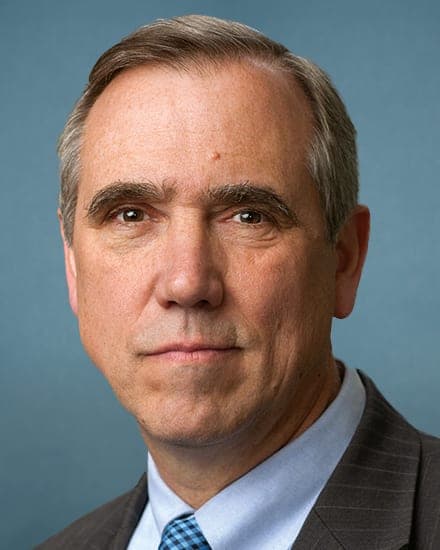
- IntroducedSEP 28, 2026SENATESEP 28, 2026By Sen. Merkley with 4 original cosponsorsReferred to Health, Education, Labor, and Pensions
- SAME DAYNOWSenate committeeSEP 28, 2026HEALTH, EDUCATION, LABOR, & PENSIONS NOWSEP 28, 2026In committee for 10 daysNo hearing yet
- 10 DAYS SO FARPassed the Senate—SENATE FLOOR—Not scheduled
- House committee—HOUSE—
- Passed the House—HOUSE FLOOR—Not scheduled
- Resolve differencesONLY IF NEEDEDBOTH CHAMBERSONLY IF NEEDEDSkipped if the other chamber passes the same text
- Signed into law—PRESIDENT—10 days to sign or veto
- SEP 282026SEP 28, 2026REFERREDRead twice and referred to the Committee on Health, Education, Labor, and Pensions.
- SEP 282026SEP 28, 2026INTRODUCEDSENATEIntroduced in Senate
At day 10, this bill is already older than 3% of the laws passed this Congress were when they were signed.
Where your members stand on it
A coalition from 4 states
Plus the sponsor, a Democrat. Every cosponsor is from one party.
Plus the sponsor, a Democrat. Every cosponsor is from one party.
Sen. Merkley’s record: sponsored 137 bills this Congress. 7 passed the Senate; 0 became law.
- Richard BlumenthalD-CTORIGINAL
- Cory A. BookerD-NJORIGINAL
- Richard J. DurbinD-ILORIGINAL
- Elizabeth WarrenD-MAORIGINAL
What readers think
Discussion
Get an alert when it changes stage, gets a floor vote in the Senate, or is signed into law.