Ocean Protection and DDT Reduction Act
Directs NOAA to study waste dumping in the San Pedro Basin, explore bioremediation, and report on other offshore dump sites.
In the Senate Commerce, Science, and Transportation Committee since Sept. 24, 2026, 14 days after it was introduced. Most bills never leave committee.
- INTRODUCEDINTROSEP 24, 2026
- COMMITTEECOMM.IN COMMITTEE
- SENATESENATE—
- HOUSEHOUSE—
- LAWLAW—
What the bill would do, and why it matters
Understanding ocean dumping means finding out what waste remains, where it moves, and how it may affect marine life. The bill would direct NOAA to study waste dumped in and around California’s San Pedro Basin, explore possible bioremediation, and allow grants for related research. It would also require a report on future research and other offshore dump sites.
- INTRODUCED ONLY This bill has been introduced and possibly referred to a committee, but it has not passed any vote. Most introduced bills never become law — they die in committee without a hearing.
- DATA NOTE No Congressional Research Service summary was available.
- Study dumping in the San Pedro Basin
The NOAA Administrator would monitor covered-waste dumping in and around the basin and research its scope, impacts, and potential movement into the marine food web. The work would also develop scientific tools for studying waste disposal at other ocean locations and assess the potential for bioremediation at San Pedro offshore dump sites.
- Offer grants for contamination research
The NOAA Administrator could provide grants for studying deep-seafloor contamination from waste dumped off California. Research could cover contaminant locations and mixtures, how contaminants move and change, and their buildup in ecosystems.
- Report on research and dump sites
Within three years after enactment, the NOAA Administrator would report a strategy for further San Pedro Basin research and bioremediation, and identify other locations used to dump covered waste offshore.
- Authorize funding for the work
The bill would authorize $6,000,000 for each of fiscal years 2028 through 2034 to carry out its activities.
The bill focuses on what is dumped in the San Pedro Basin, how it may affect the marine environment, and whether it could enter the marine food web. It also seeks information on the movement of contaminants and the possibility of bioremediation.
The research could help describe the contamination and inform further research or remediation plans. The bill also calls for identifying other offshore locations where covered waste was dumped.
Written from the bill text.
The path it took, step by step
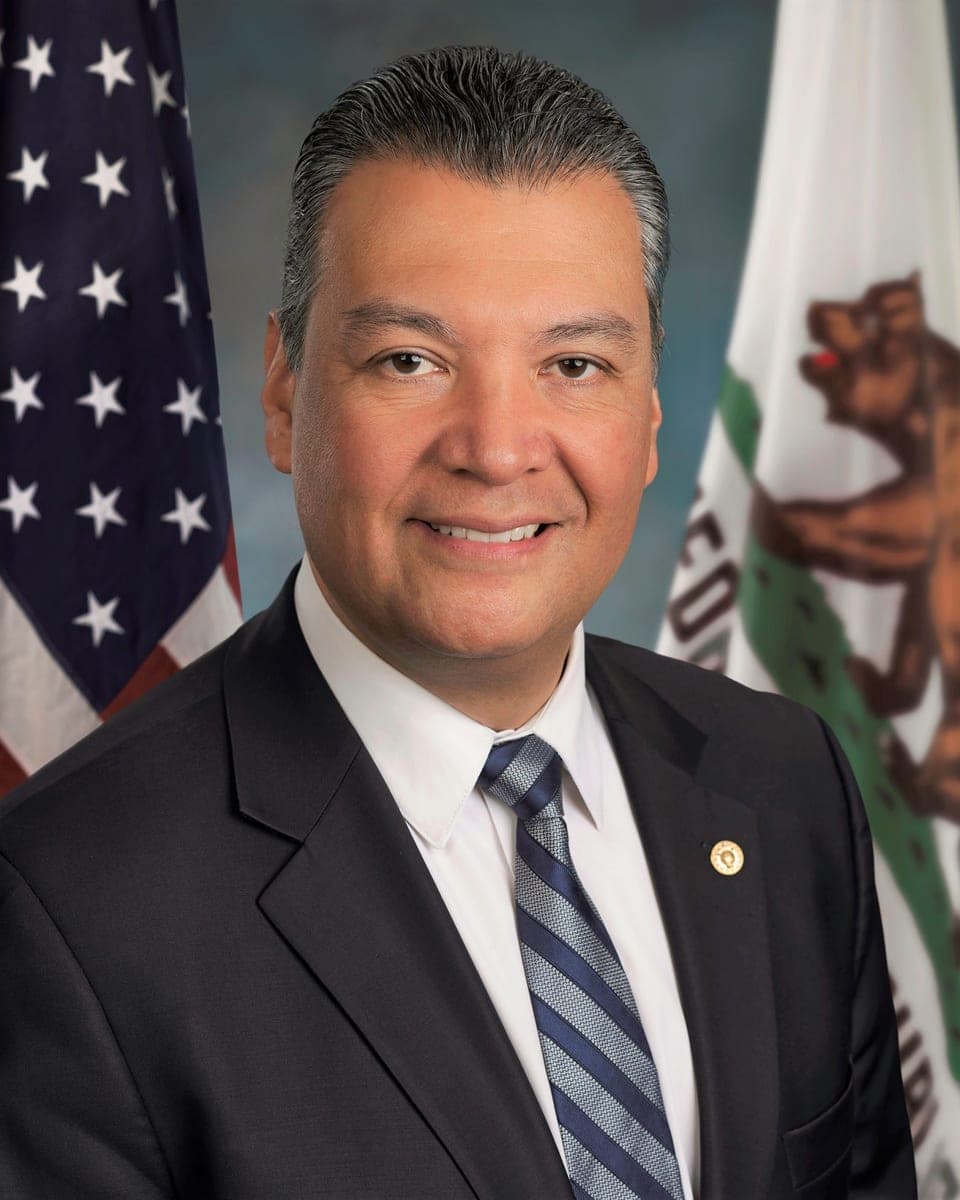
- IntroducedSEP 24, 2026SENATESEP 24, 2026By Sen. PadillaReferred to Commerce, Science, and Transportation
- SAME DAYNOWSenate committeeSEP 24, 2026COMMERCE, SCIENCE, & TRANSPORTATION NOWSEP 24, 2026In committee for 14 daysNo hearing yet
- 14 DAYS SO FARPassed the Senate—SENATE FLOOR—Not scheduled
- House committee—HOUSE—
- Passed the House—HOUSE FLOOR—Not scheduled
- Resolve differencesONLY IF NEEDEDBOTH CHAMBERSONLY IF NEEDEDSkipped if the other chamber passes the same text
- Signed into law—PRESIDENT—10 days to sign or veto
- SEP 242026SEP 24, 2026REFERREDRead twice and referred to the Committee on Commerce, Science, and Transportation.
- SEP 242026SEP 24, 2026INTRODUCEDSENATEIntroduced in Senate
At day 14, this bill is already older than 3% of the laws passed this Congress were when they were signed.
Where your members stand on it
What readers think
Discussion
Get an alert when it changes stage, gets a floor vote in the Senate, or is signed into law.