Jimmy Lai Internet Freedom Act
Creates programs and grants to support internet access and censorship-circumvention tools in Hong Kong.
In the Senate Foreign Relations Committee since Sept. 24, 2026, 14 days after it was introduced. Most bills never leave committee.
- INTRODUCEDINTROSEP 24, 2026
- COMMITTEECOMM.IN COMMITTEE
- SENATESENATE—
- HOUSEHOUSE—
- LAWLAW—
What the bill would do, and why it matters
Internet censorship can limit people's ability to reach information and communicate online. The bill would create programs focused on internet access in Hong Kong and authorize grants for tools such as virtual private networks and firewall circumvention technology. It would also require a classified report to Congress on the government’s plans.
- INTRODUCED ONLY This bill has been introduced and possibly referred to a committee, but it has not passed any vote. Most introduced bills never become law — they die in committee without a hearing.
- DATA NOTE No Congressional Research Service summary was available.
- Create separate Hong Kong internet programs
The State Department must establish a program, and the Open Technology Fund is authorized to establish its own, to support internet access and resilience in Hong Kong. Through September 30, 2031, both programs must operate separately from their mainland China internet freedom efforts.
- Fund tools and support for internet access
The State Department may award grants to private organizations for work such as firewall circumvention tools, virtual private networks, digital security training, and emergency support for civil society groups. The bill sets grant goals including expanding access to these tools, favoring open-source technology when practicable, and requiring security audits of newly developed technologies.
- Authorize program funding
The bill authorizes annual appropriations for the Open Technology Fund and the State Department’s Office of Internet Freedom Programs for fiscal years 2027 through 2031. It also authorizes use of the Human Rights and Democracy Fund for grants in fiscal year 2027.
- Require a classified strategy report
The Secretary of State and an interagency working group must send Congress a classified report describing plans for firewall circumvention technology, grants, training, coordination, and U.S. efforts to influence international internet standards.
The bill cites restrictions on online speech and access to information in Hong Kong, including the use of national security laws to censor content and block platforms. It frames access to circumvention and digital security tools as a way to help preserve communication and information-sharing if censorship increases.
Written from the bill text.
The path it took, step by step
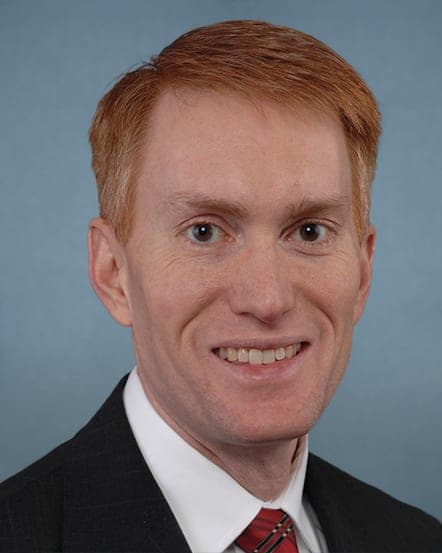
- IntroducedSEP 24, 2026SENATESEP 24, 2026By Sen. Lankford with 1 original cosponsorReferred to Foreign Relations
- SAME DAYNOWSenate committeeSEP 24, 2026FOREIGN RELATIONS NOWSEP 24, 2026In committee for 14 daysNo hearing yet
- 14 DAYS SO FARPassed the Senate—SENATE FLOOR—Not scheduled
- House committee—HOUSE—
- Passed the House—HOUSE FLOOR—Not scheduled
- Resolve differencesONLY IF NEEDEDBOTH CHAMBERSONLY IF NEEDEDSkipped if the other chamber passes the same text
- Signed into law—PRESIDENT—10 days to sign or veto
- SEP 242026SEP 24, 2026REFERREDRead twice and referred to the Committee on Foreign Relations.
- SEP 242026SEP 24, 2026INTRODUCEDSENATEIntroduced in Senate
At day 14, this bill is already older than 3% of the laws passed this Congress were when they were signed.
Where your members stand on it
Support from one state
Plus the sponsor, a Republican. Every cosponsor is from one party.
Plus the sponsor, a Republican. Every cosponsor is from one party.
Sen. Lankford’s record: sponsored 82 bills this Congress. 17 passed the Senate; 1 became law.
- Tim KaineD-VAORIGINAL
What readers think
Discussion
Get an alert when it changes stage, gets a floor vote in the Senate, or is signed into law.