BASIC Act of 2026
Creates federal grants for colleges to address students’ basic needs and connects financial-aid applicants with benefit programs.
In the Senate Health, Education, Labor, and Pensions Committee since Sept. 24, 2026, 14 days after it was introduced. Most bills never leave committee.
- INTRODUCEDINTROSEP 24, 2026
- COMMITTEECOMM.IN COMMITTEE
- SENATESENATE—
- HOUSEHOUSE—
- LAWLAW—
What the bill would do, and why it matters
Some college students have trouble meeting basic needs such as food and housing while attending school. The BASIC Act would create grants for colleges to plan and provide support, and connect financial-aid applicants with benefit programs they may qualify for. It would also protect institutional grants for students receiving listed benefits and require reports on student needs and grant results.
- INTRODUCED ONLY This bill has been introduced and possibly referred to a committee, but it has not passed any vote. Most introduced bills never become law — they die in committee without a hearing.
- DATA NOTE No Congressional Research Service summary was available.
- Creates grants for student basic needs
The bill would create competitive planning grants of up to $200,000 for up to 2 years and implementation grants of up to $5 million for each 5-year period. It would reserve at least 25% of grant funding for community colleges and at least 25% for historically Black colleges and universities, Tribal Colleges and Universities, and other minority-serving institutions; implementation grant applicants would have to identify ongoing non-Federal support for their activities.
- Connects aid applicants with benefit programs
The bill would require Education to make data-sharing agreements with relevant Federal and State agencies to identify applicants who may qualify for listed benefit programs and provide information about applying, renewing, or keeping benefits. Applicants would be offered the opportunity to authorize sharing their information, and recipients of shared information could use it only for the bill’s specified purposes and could not disclose it for other purposes such as investigations or prosecutions.
- Protects institutional student grants
An institution receiving a grant under the bill could not reduce a student’s eligibility for, or the amount of, an institutional grant because the student received a benefit under a listed federally funded program.
- Reports on student needs and grant results
The bill would require public national reports on basic-needs insecurity among students who applied for Federal financial aid and enrolled in higher education, as well as evaluations of implementation grants. The reports would address outcomes, obstacles, and practices that could help institutions improve student support.
The bill identifies food insecurity, housing insecurity, homelessness, and other unmet basic needs as issues it aims to address for students. It treats access to essentials—including food, housing, health care, childcare, technology, and transportation—as conditions that can affect students’ ability to learn.
The proposal would use grants to help institutions build support and would connect student-aid applicants with existing benefit programs. It would also require reports and evaluations to document needs and assess how grant-funded efforts affect students.
Written from the bill text.
The path it took, step by step
- IntroducedSEP 24, 2026SENATESEP 24, 2026By Sen. Padilla with 5 original cosponsorsReferred to Health, Education, Labor, and Pensions
- SAME DAYNOWSenate committeeSEP 24, 2026HEALTH, EDUCATION, LABOR, & PENSIONS NOWSEP 24, 2026In committee for 14 daysNo hearing yet
- 14 DAYS SO FARPassed the Senate—SENATE FLOOR—Not scheduled
- House committee—HOUSE—
- Passed the House—HOUSE FLOOR—Not scheduled
- Resolve differencesONLY IF NEEDEDBOTH CHAMBERSONLY IF NEEDEDSkipped if the other chamber passes the same text
- Signed into law—PRESIDENT—10 days to sign or veto
- SEP 242026SEP 24, 2026REFERREDRead twice and referred to the Committee on Health, Education, Labor, and Pensions.
- SEP 242026SEP 24, 2026INTRODUCEDSENATEIntroduced in Senate
At day 14, this bill is already older than 3% of the laws passed this Congress were when they were signed.
Where your members stand on it
A coalition from 7 states
Plus the sponsor, a Democrat. Every cosponsor is from one party.
Plus the sponsor, a Democrat. Every cosponsor is from one party.
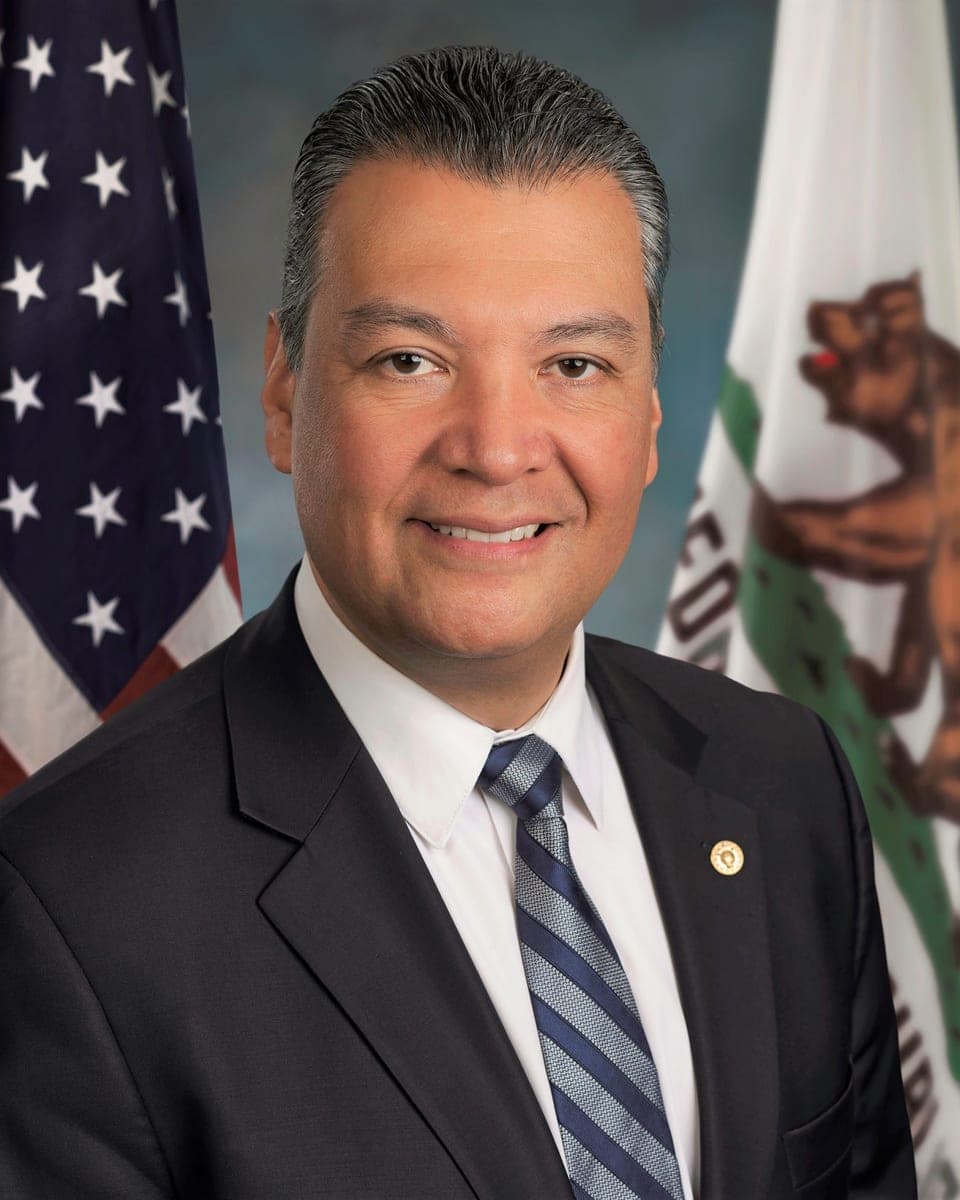
Sen. Padilla’s record: sponsored 114 bills this Congress. 10 passed the Senate; 0 became law.
- Richard BlumenthalD-CTORIGINAL
- Cory A. BookerD-NJORIGINAL
- Mazie K. HironoD-HIORIGINAL
- Chris Van HollenD-MDORIGINAL
- Elizabeth WarrenD-MAORIGINAL
- Adam B. SchiffD-CASEP 29, 2026
- Ben Ray LujánD-NMSEP 30, 2026
What readers think
Discussion
Get an alert when it changes stage, gets a floor vote in the Senate, or is signed into law.