Barriers to Suicide Act of 2026
Creates competitive grants for evidence-based suicide barriers and nets, expands eligible bridge-safety work, and requires a study of other structures.
In the Senate Commerce, Science, and Transportation Committee since Sept. 24, 2026, 14 days after it was introduced. Most bills never leave committee.
- INTRODUCEDINTROSEP 24, 2026
- COMMITTEECOMM.IN COMMITTEE
- SENATESENATE—
- HOUSEHOUSE—
- LAWLAW—
What the bill would do, and why it matters
Suicide prevention at bridges and other structures can include physical barriers. The bill would create competitive federal grants for evidence-based deterrents at specified locations and add bridge barriers and nets to a federal highway program. It would also require a study of suicide prevention at structures other than bridges.
- INTRODUCED ONLY This bill has been introduced and possibly referred to a committee, but it has not passed any vote. Most introduced bills never become law — they die in committee without a hearing.
- DATA NOTE No Congressional Research Service summary was available.
- Create competitive suicide-prevention grants
The Transportation Secretary would offer competitive grants for installing evidence-based suicide deterrents at bridges, buildings, parking garages, highway-rail crossings, and rail stations. Eligible projects could install nets, barriers, or another deterrent the Secretary approves.
- Prioritize projects and cap the federal share
The Secretary would give priority to projects in areas with high suicide rates or other characteristics the Secretary selects. The federal government could cover no more than 80% of a project's cost.
- Add bridge barriers to highway program
The bill would add safety barriers and nets on bridges in the National Highway System to the activities covered by the National Highway Performance Program.
- Study suicide prevention at other structures
The Comptroller General would study structures other than bridges that attract people attempting suicide by jumping, effective nets and barriers, other prevention methods, their effectiveness, who installs them, and their costs.
The bill's stated purpose is to help install evidence-based suicide deterrents at certain infrastructure sites. It would direct federal support to projects selected through a competitive process, with priority for areas with high suicide rates or other characteristics chosen by the Transportation Secretary.
The study would examine ways to reduce suicide by jumping at structures other than bridges, including methods beyond nets and barriers. Its findings would cover effectiveness, installation, and costs.
Written from the bill text.
The path it took, step by step
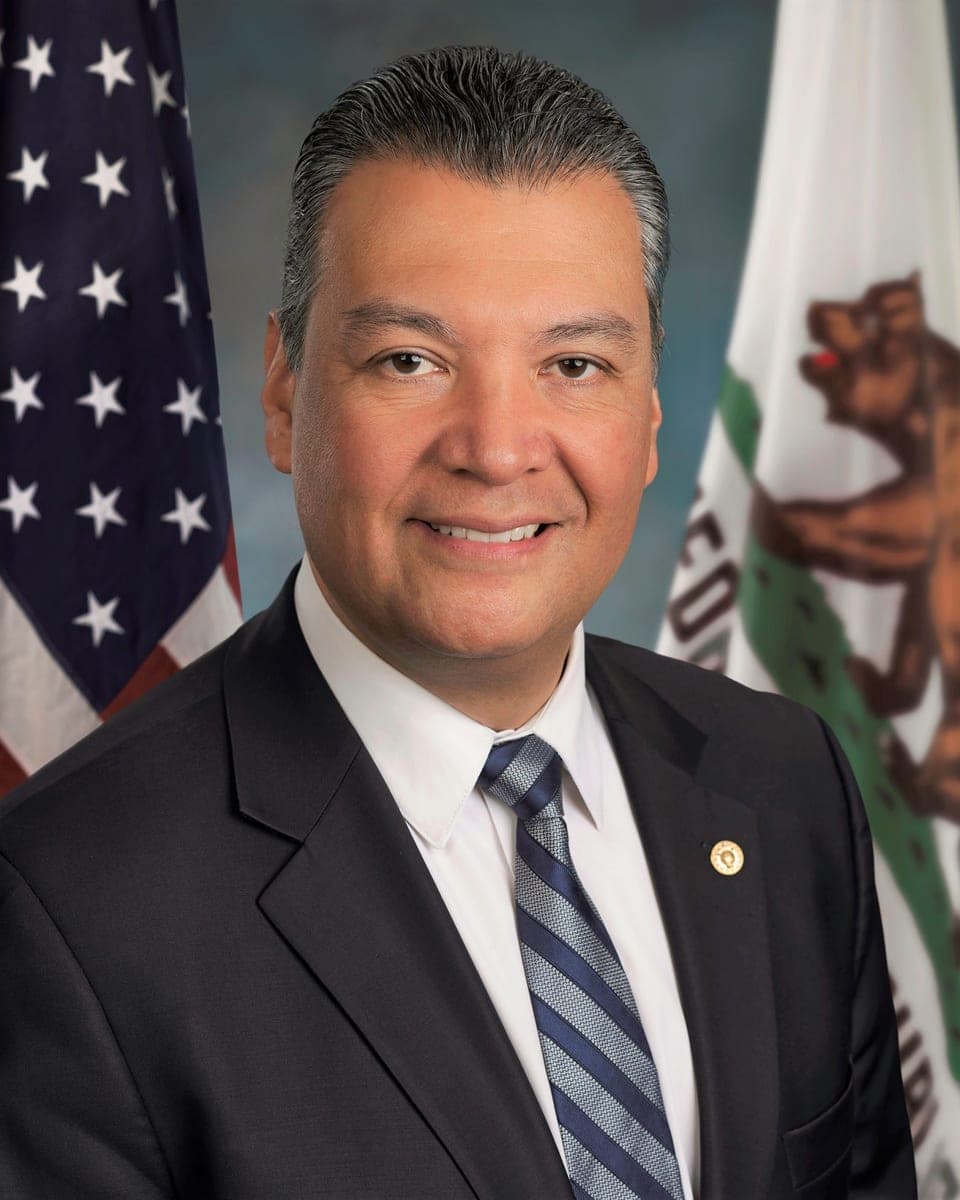
- IntroducedSEP 24, 2026SENATESEP 24, 2026By Sen. Padilla with 2 original cosponsorsReferred to Commerce, Science, and Transportation
- SAME DAYNOWSenate committeeSEP 24, 2026COMMERCE, SCIENCE, & TRANSPORTATION NOWSEP 24, 2026In committee for 14 daysNo hearing yet
- 14 DAYS SO FARPassed the Senate—SENATE FLOOR—Not scheduled
- House committee—HOUSE—
- Passed the House—HOUSE FLOOR—Not scheduled
- Resolve differencesONLY IF NEEDEDBOTH CHAMBERSONLY IF NEEDEDSkipped if the other chamber passes the same text
- Signed into law—PRESIDENT—10 days to sign or veto
- SEP 242026SEP 24, 2026REFERREDRead twice and referred to the Committee on Commerce, Science, and Transportation.
- SEP 242026SEP 24, 2026INTRODUCEDSENATEIntroduced in Senate
At day 14, this bill is already older than 3% of the laws passed this Congress were when they were signed.
Where your members stand on it
A coalition from 2 states
Plus the sponsor, a Democrat. The smaller side has 1 member.
Plus the sponsor, a Democrat. The smaller side has 1 member.
Sen. Padilla’s record: sponsored 114 bills this Congress. 10 passed the Senate; 0 became law.
- Jeff MerkleyD-ORORIGINAL
- Thom TillisR-NCORIGINAL
Coverage at a glance
Outlets that covered this bill, by their lean.
What readers think
Discussion
Get an alert when it changes stage, gets a floor vote in the Senate, or is signed into law.