SCALE Biology Act
Creates a NIST research program to improve biological measurements, support voluntary standards, and expand research partnerships.
In the Senate Commerce, Science, and Transportation Committee since Sept. 24, 2026, 14 days after it was introduced. Most bills never leave committee.
- INTRODUCEDINTROSEP 24, 2026
- COMMITTEECOMM.IN COMMITTEE
- SENATESENATE—
- HOUSEHOUSE—
- LAWLAW—
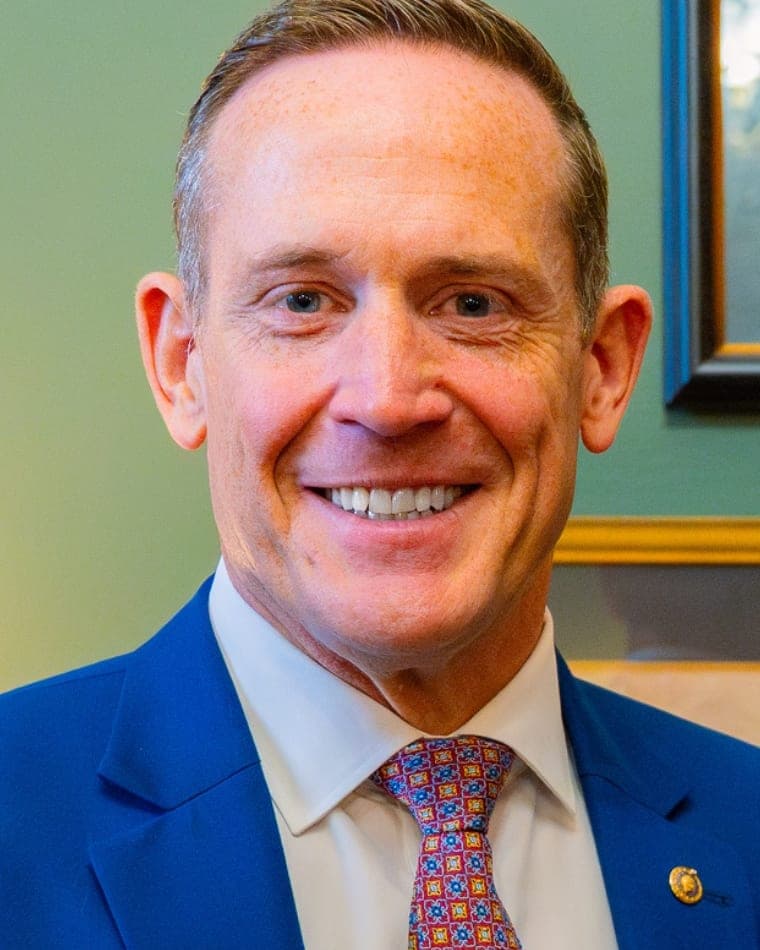
What the bill would do, and why it matters
Biological research and manufacturing rely on measurements that can be compared and trusted. The bill would establish a NIST program to research biological measurement methods, develop voluntary standards, and support research partnerships and training. It would also require a public implementation plan and a later report.
- INTRODUCED ONLY This bill has been introduced and possibly referred to a committee, but it has not passed any vote. Most introduced bills never become law — they die in committee without a hearing.
- DATA NOTE No Congressional Research Service summary was available.
- Create a NIST biometrology program
The National Institute of Standards and Technology (NIST) would establish a measurement research program for engineering biology, biomanufacturing, and biotechnology. Its stated goals include supporting innovation and improving the accuracy, interoperability, and reliability of biological data and materials.
- Develop measurement tools and standards
NIST would conduct research on biological measurement technologies, data tools, and voluntary technical standards, and support assessments of product life cycles and sustainability. The program would also address measurement approaches related to biosafety, biosecurity, and other biological risks.
- Expand research partnerships and access
NIST would provide eligible organizations and government agencies access to specialized facilities and resources for research and testing, support engineering biology foundries, and develop partnerships and coordinated research plans. It would also support graduate and postgraduate training and seek input from a range of colleges, including minority-serving institutions and Tribal Colleges or Universities.
- Coordinate and report on the program
NIST would coordinate with relevant federal agencies and the Manufacturing USA Program, maintain a public lexicon of relevant terms, and identify where standards or other ways of managing risks may be needed. It would submit and publish a program plan and a report on implementation.
The bill identifies reliable biological measurements and data as important to innovation and industrial competitiveness, and to the safe, secure, and responsible use of biological technologies. It would give NIST a defined role in supporting measurement research and coordination across this field.
Written from the bill text.
The path it took, step by step
- IntroducedSEP 24, 2026SENATESEP 24, 2026By Sen. Budd with 1 original cosponsorReferred to Commerce, Science, and Transportation
- SAME DAYNOWSenate committeeSEP 24, 2026COMMERCE, SCIENCE, & TRANSPORTATION NOWSEP 24, 2026In committee for 14 daysNo hearing yet
- 14 DAYS SO FARPassed the Senate—SENATE FLOOR—Not scheduled
- House committee—HOUSE—
- Passed the House—HOUSE FLOOR—Not scheduled
- Resolve differencesONLY IF NEEDEDBOTH CHAMBERSONLY IF NEEDEDSkipped if the other chamber passes the same text
- Signed into law—PRESIDENT—10 days to sign or veto
- SEP 242026SEP 24, 2026REFERREDRead twice and referred to the Committee on Commerce, Science, and Transportation.
- SEP 242026SEP 24, 2026INTRODUCEDSENATEIntroduced in Senate
At day 14, this bill is already older than 3% of the laws passed this Congress were when they were signed.
Where your members stand on it
Support from one state
Plus the sponsor, a Republican. Every cosponsor is from one party.
Plus the sponsor, a Republican. Every cosponsor is from one party.
Sen. Budd’s record: sponsored 61 bills this Congress. 4 passed the Senate; 0 became law.
- Lisa Blunt RochesterD-DEORIGINAL
What readers think
Discussion
Get an alert when it changes stage, gets a floor vote in the Senate, or is signed into law.