Accessible Ukraine Act
Requires accessibility standards for U.S.-funded construction and renovation projects in Ukraine and bars funding for projects that facilitate segregation or institutionalization.
In the Senate Foreign Relations Committee since Sept. 24, 2026, 14 days after it was introduced. Most bills never leave committee.
- INTRODUCEDINTROSEP 24, 2026
- COMMITTEECOMM.IN COMMITTEE
- SENATESENATE—
- HOUSEHOUSE—
- LAWLAW—
What the bill would do, and why it matters
Accessibility standards shape whether people with disabilities can use buildings and services. The Accessible Ukraine Act would apply U.S. accessibility standards to construction and renovation projects in Ukraine that receive U.S. funding, with exceptions for certain maintenance and temporary emergency work. It would also bar federal funding for projects that facilitate segregation or institutionalization and create oversight and reporting.
- INTRODUCED ONLY This bill has been introduced and possibly referred to a committee, but it has not passed any vote. Most introduced bills never become law — they die in committee without a hearing.
- DATA NOTE No Congressional Research Service summary was available.
- Apply accessibility standards to U.S.-funded projects
Construction and renovation contracts in Ukraine involving U.S. funding would have to meet accessibility standards substantively equivalent to those in the Americans with Disabilities Act and Architectural Barriers Act. The rule would cover contracts involving the U.S. International Development Finance Corporation, the Millennium Challenge Corporation, and the Ukraine Relief, Recovery, Reconstruction and Reform Trust Fund; the Secretary of State could waive it in the U.S. national interest.
- Protect access during emergency construction
Temporary emergency construction would be exempt from the standards, but officials would have to make every effort to meet them. The State Department would have to plan for access to the affected facility and allocate funds as necessary to ensure people with disabilities have the same access to services as others.
- Bar funding for segregating projects
Federal funding could not be used for construction or renovation projects that facilitate the segregation or institutionalization of people with disabilities. Routine maintenance and certain other work would be exempt from the accessibility requirement unless it affects a building’s accessibility.
- Create an accessibility working group
The State Department would establish a group of government and private-sector accessibility experts to assess emergency-exception requests, evaluate compliance, and coordinate with local organizations to verify project compliance. The group would publish its findings and recommendations on an accessible public website.
- Report on projects and waivers annually
The State Department would report to the relevant Senate and House committees on the number and amount of federal investments in covered projects, waivers and their justifications, compliance recommendations, and the working group’s major recommendations and results.
The bill makes accessibility part of how U.S.-funded construction and renovation in Ukraine would be carried out. It also identifies access to services during emergency construction as a concern and bars federal support for projects that facilitate segregation or institutionalization of people with disabilities.
The practical stakes include whether people with disabilities can use affected buildings and receive services on the same basis as others, including during emergency work.
Written from the bill text.
The path it took, step by step
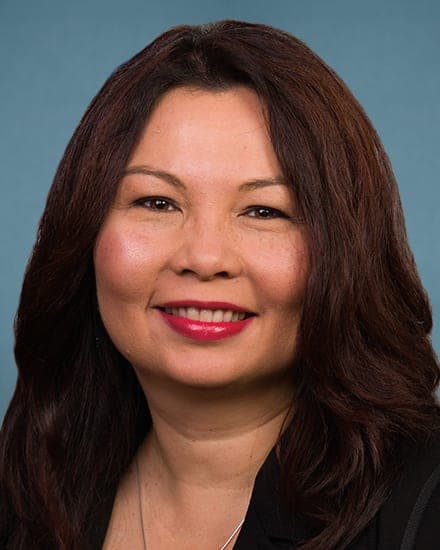
- IntroducedSEP 24, 2026SENATESEP 24, 2026By Sen. DuckworthReferred to Foreign Relations
- SAME DAYNOWSenate committeeSEP 24, 2026FOREIGN RELATIONS NOWSEP 24, 2026In committee for 14 daysNo hearing yet
- 14 DAYS SO FARPassed the Senate—SENATE FLOOR—Not scheduled
- House committee—HOUSE—
- Passed the House—HOUSE FLOOR—Not scheduled
- Resolve differencesONLY IF NEEDEDBOTH CHAMBERSONLY IF NEEDEDSkipped if the other chamber passes the same text
- Signed into law—PRESIDENT—10 days to sign or veto
- SEP 242026SEP 24, 2026REFERREDRead twice and referred to the Committee on Foreign Relations.
- SEP 242026SEP 24, 2026INTRODUCEDSENATEIntroduced in Senate
At day 14, this bill is already older than 3% of the laws passed this Congress were when they were signed.
Where your members stand on it
What readers think
Discussion
Get an alert when it changes stage, gets a floor vote in the Senate, or is signed into law.