Jeanette Acosta Invest in Women’s Health Act of 2026
Expands cancer screening services and provider training, tests ways to increase cervical cancer co-testing, and studies access and outcomes.
In the Senate Health, Education, Labor, and Pensions Committee since Sept. 24, 2026, 11 days after it was introduced. Most bills never leave committee.
- INTRODUCEDINTROSEP 24, 2026
- COMMITTEECOMM.IN COMMITTEE
- SENATESENATE—
- HOUSEHOUSE—
- LAWLAW—
What the bill would do, and why it matters
Cancer screening can help find breast and gynecologic cancers and guide follow-up care. The bill would fund grants to expand screening services and train providers, create a project to increase HPV and Pap test co-testing, and require a nationwide study of screening access and outcomes.
- INTRODUCED ONLY This bill has been introduced and possibly referred to a committee, but it has not passed any vote. Most introduced bills never become law — they die in committee without a hearing.
- DATA NOTE No Congressional Research Service summary was available.
- Fund preventive cancer screening services
The bill would let the HHS Secretary award grants or contracts to public and nonprofit entities to expand preventive health services, including breast and gynecologic cancer screening, HPV tests and vaccines, and diagnostic tests for women with cancer symptoms. It would authorize $20,000,000 for each of fiscal years 2027 through 2029.
- Train providers in screening and follow-up
A demonstration program would award 3-year grants to eligible entities to train health care providers in breast and gynecologic cancer screening, follow-up care, and current clinical guidance. Training would also cover care in underserved communities, implicit bias, cultural competency, and patient-centered communication.
- Test cervical cancer co-testing approaches
The HHS Secretary would run a 2-year demonstration project to increase HPV and Pap test co-testing among groups with disproportionate cervical cancer rates. Grants could support testing access, culturally and linguistically appropriate services, interpretation, and other services to improve health outcomes.
- Study screening access and outcomes
HHS would study access to women's cancer screenings nationwide and report to Congress on cancer rates, screening access, disparities, and the effects of provider training. The study would also estimate federal savings from early detection and evaluate the co-testing project.
The bill cites disparities in cancer incidence, deaths, and access to screening, including barriers faced by women in rural and underserved areas and by women of color. It also cites uninsured and underinsured women as experiencing a disproportionate share of deaths from breast and cervical cancers.
Written from the bill text.
The path it took, step by step
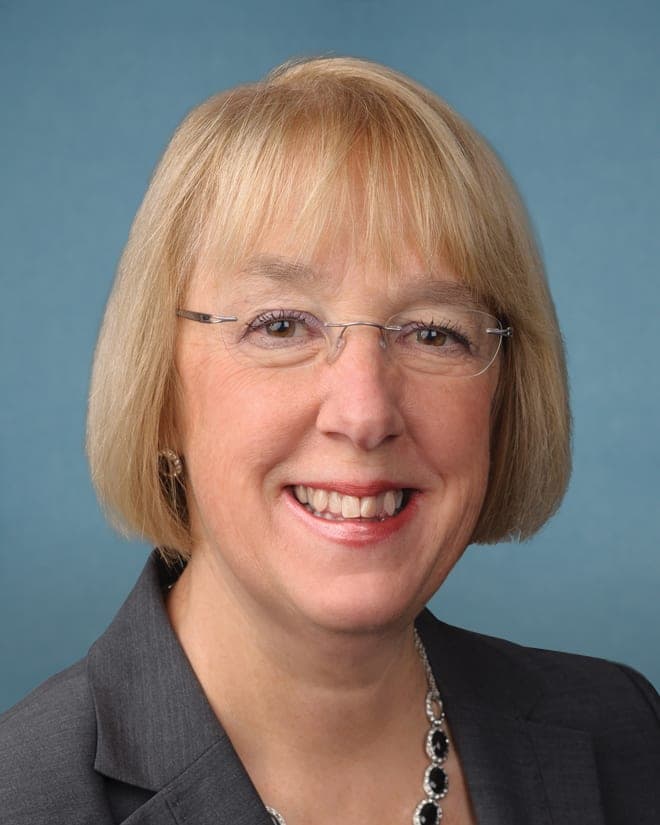
- IntroducedSEP 24, 2026SENATESEP 24, 2026By Sen. Murray with 14 original cosponsorsReferred to Health, Education, Labor, and Pensions
- SAME DAYNOWSenate committeeSEP 24, 2026HEALTH, EDUCATION, LABOR, & PENSIONS NOWSEP 24, 2026In committee for 11 daysNo hearing yet
- 11 DAYS SO FARPassed the Senate—SENATE FLOOR—Not scheduled
- House committee—HOUSE—
- Passed the House—HOUSE FLOOR—Not scheduled
- Resolve differencesONLY IF NEEDEDBOTH CHAMBERSONLY IF NEEDEDSkipped if the other chamber passes the same text
- Signed into law—PRESIDENT—10 days to sign or veto
- SEP 242026SEP 24, 2026REFERREDRead twice and referred to the Committee on Health, Education, Labor, and Pensions.
- SEP 242026SEP 24, 2026INTRODUCEDSENATEIntroduced in Senate
At day 11, this bill is already older than 3% of the laws passed this Congress were when they were signed.
Where your members stand on it
A coalition from 13 states
Plus the sponsor, a Democrat. Every cosponsor is from one party.
Plus the sponsor, a Democrat. Every cosponsor is from one party.
Sen. Murray’s record: sponsored 47 bills this Congress. 5 passed the Senate; 0 became law.
- Tammy BaldwinD-WIORIGINAL
- Richard BlumenthalD-CTORIGINAL
- Cory A. BookerD-NJORIGINAL
- Tammy DuckworthD-ILORIGINAL
- Ruben GallegoD-AZORIGINAL
- Kirsten E. GillibrandD-NYORIGINAL
- Amy KlobucharD-MNORIGINAL
- Jeff MerkleyD-ORORIGINAL
- Jacky RosenD-NVORIGINAL
- Adam B. SchiffD-CAORIGINAL
- Jeanne ShaheenD-NHORIGINAL
- Chris Van HollenD-MDORIGINAL
What readers think
Discussion
Get an alert when it changes stage, gets a floor vote in the Senate, or is signed into law.