Facial Recognition and Biometric Technology Moratorium Act of 2026
Restricts federal biometric surveillance and ties Byrne grants to similar state and local limits.
In the Senate Judiciary Committee since Sept. 24, 2026, 14 days after it was introduced. Most bills never leave committee.
- INTRODUCEDINTROSEP 24, 2026
- COMMITTEECOMM.IN COMMITTEE
- SENATESENATE—
- HOUSEHOUSE—
- LAWLAW—
What the bill would do, and why it matters
Biometric surveillance uses traits such as faces or voices to identify or track people. The bill would generally bar federal agencies and officials from using these systems unless Congress specifically authorizes it and sets safeguards. It would also condition Byrne grants for state and local governments on adopting substantially similar limits.
- INTRODUCED ONLY This bill has been introduced and possibly referred to a committee, but it has not passed any vote. Most introduced bills never become law — they die in committee without a hearing.
- DATA NOTE No Congressional Research Service summary was available.
- Bar federal biometric surveillance
Federal agencies and officials could not acquire, possess, access, or use biometric surveillance systems in the United States, or use information from a system operated by someone else, unless an act of Congress specifically authorizes it. The bill also bars federal law-enforcement agencies from using federal funds, including unallocated agency funds, to buy or use these systems.
- Require safeguards for authorized uses
Any congressional authorization would have to specify who may use the system, which biometric it may use, its purposes and prohibited uses, and rules for handling information. It would also have to address accuracy, audits, due process, privacy, free speech and association, and racial, gender, and religious equity.
- Condition Byrne grants on similar limits
States and local governments would be ineligible for Byrne grant program assistance unless they comply with a law or policy substantially similar to the bill’s federal-use prohibition. This condition would apply starting with the first fiscal year that begins after enactment.
- Allow lawsuits and penalties
People aggrieved by a violation could sue the federal government, and state officials could sue on behalf of residents. Courts could award damages, legal fees, costs, or other relief; federal officials who violate the prohibition could also face penalties, subject to due process.
- Preserve biometric testing and stricter laws
The bill would not prevent NIST from testing or researching biometric technologies in commercial use, and it would not override laws that impose stricter limits.
The bill would place limits on government use of technology that can identify people from physical traits or infer information about their activities, associations, emotions, or location. It also makes privacy, accuracy, and protections for speech and association part of the requirements for any congressional authorization.
Written from the bill text.
The path it took, step by step
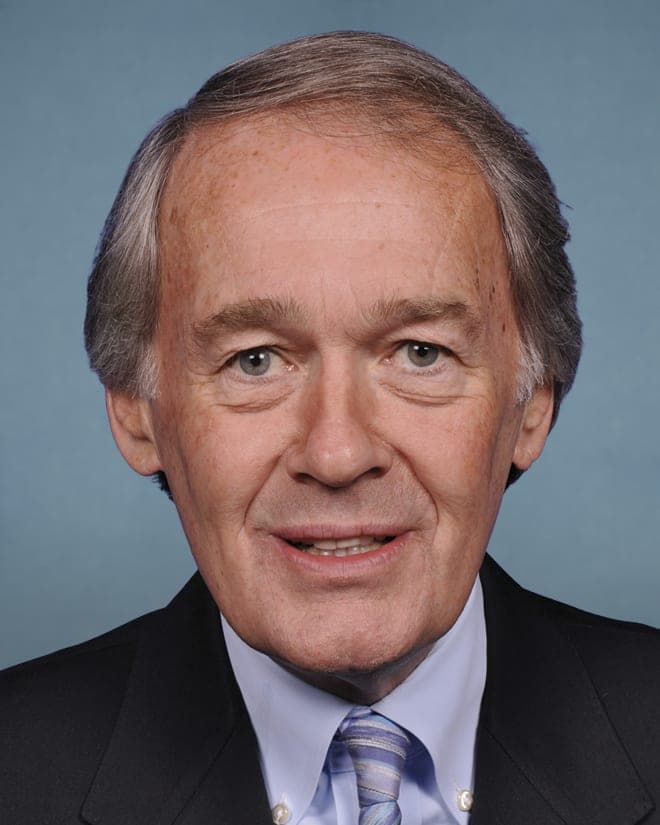
- IntroducedSEP 24, 2026SENATESEP 24, 2026By Sen. Markey with 3 original cosponsorsReferred to Judiciary
- SAME DAYNOWSenate committeeSEP 24, 2026JUDICIARY NOWSEP 24, 2026In committee for 14 daysNo hearing yet
- 14 DAYS SO FARPassed the Senate—SENATE FLOOR—Not scheduled
- House committee—HOUSE—
- Passed the House—HOUSE FLOOR—Not scheduled
- Resolve differencesONLY IF NEEDEDBOTH CHAMBERSONLY IF NEEDEDSkipped if the other chamber passes the same text
- Signed into law—PRESIDENT—10 days to sign or veto
- SEP 242026SEP 24, 2026REFERREDRead twice and referred to the Committee on the Judiciary.
- SEP 242026SEP 24, 2026INTRODUCEDSENATEIntroduced in Senate
At day 14, this bill is already older than 3% of the laws passed this Congress were when they were signed.
Where your members stand on it
A coalition from 2 states
Plus the sponsor, a Democrat. Every cosponsor is from one party.
Plus the sponsor, a Democrat. Every cosponsor is from one party.
Sen. Markey’s record: sponsored 164 bills this Congress. 7 passed the Senate; 0 became law.
- Jeff MerkleyD-ORORIGINAL
- Elizabeth WarrenD-MAORIGINAL
- Ron WydenD-ORORIGINAL
Coverage at a glance
Outlets that covered this bill, by their lean; 1 more are not rated.
What readers think
Discussion
Get an alert when it changes stage, gets a floor vote in the Senate, or is signed into law.